
REVIEW · HERITAGE AND TEMPLE BIKE TOURS IN JAPAN
Nara: Bike Tour in Ancient Capital UNESCO World Heritage
Heijo Palace is a different side of Nara. Instead of deer and temple crowds, you pedal through the wide-open grounds of Japan’s ancient capital, stopping at grand gates, reconstructed halls, gardens, and archaeological remains. Guide Kay leads the small group in English or Japanese and brings the story of Nara’s eighth-century palace site into focus.
I like the way a bike makes this enormous UNESCO World Heritage area manageable in just two hours. I also like the mix of stops: peaceful Mizukami Pond and Toin Garden balance the more formal palace buildings and museums. The main caution is the heat in summer, and some of the site consists of reconstructions or marked excavation areas rather than original buildings.
Key points at a glance
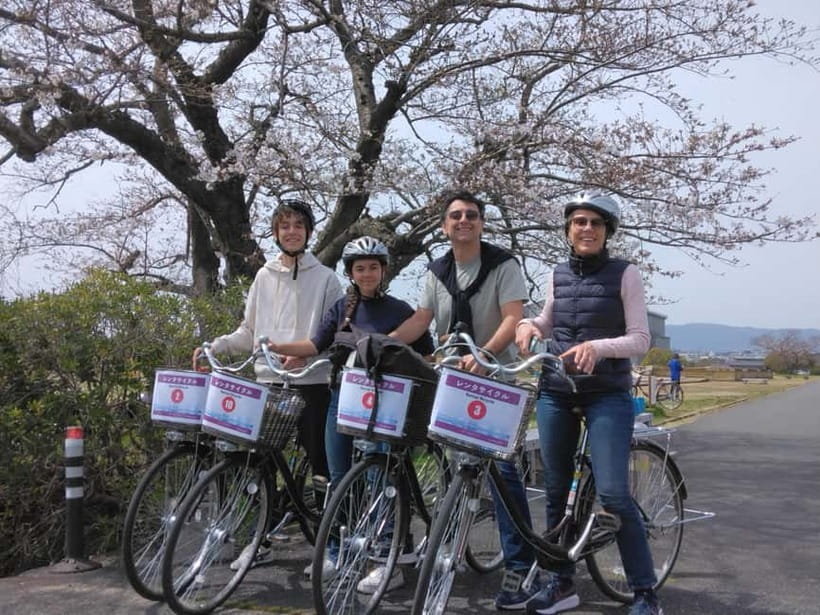
- Ride across the former imperial capital: A bicycle lets you cover far more of Heijo Palace than you could comfortably manage on foot.
- Guide Kay gives the site a clear story: The tour explains Nara’s role as Japan’s capital and points out details you could easily miss alone.
- See both grand reconstructions and real archaeological remains: Suzaku Gate and the First Imperial Audience Hall contrast with the Excavation Site Exhibition Hall.
- Mizukami Pond offers a quiet break: Expect birds, ducks, turtles, and a calm stretch of cycling away from the busier parts of Nara.
- Traditional clothing is included: You can wear Tenpyo-period costume and take photos during the experience.
- Small groups keep the ride personal: The group is limited to eight people, with rental bikes, helmets, admissions, and the guide included.
Why this bike tour shows you a quieter Nara
Nara is often treated as a quick stop for Todaiji Temple and the famous deer park. Heijo Palace tells another part of the story. This was the center of political life during the Nara period, when Nara served as Japan’s capital. The former palace grounds are broad, open, and spread out, so a bike is a practical choice rather than a novelty.
The tour covers the main sights without requiring you to plan a route or work out the history yourself. Kay guides you from one point to the next, stopping for explanations and photographs. The pace is intended for sightseeing, not exercise, and several families have found it comfortable, including children around six years old.
I especially like the balance between formal architecture and ordinary nature. You’ll see monumental gates and ceremonial halls, then cycle beside a pond with birds and turtles. On spring visits, you might also see local people enjoying hanami and weekend time outdoors. That gives the palace grounds a lived-in feel instead of making them seem like a collection of silent ruins.
More Heritage and Temple Bike Tours in Japan
- E-Bike Nara Highlights – Todaiji, Knives, Deer, Shrine
★ 4.8 · 186 reviews - Historical Kyoto E-Bike Tour
★ 5.0 · 181 reviews - 4.5-Hour Kyoto Bike Tour with Lunch and UNESCO Zen Temples
★ 5.0 · 122 reviews
Starting at Suzaku Square
Meet at the rental bike reception counter inside Miharashi-Kan in Suzaku Gate Square. Arrive 10 minutes before the start time so you have time to check in, receive your bike and helmet, and get ready for the ride.
The meeting point is at 34.68628944048124, 135.7926401146025. By bus, you can reach Suzakumon Hiroba Mae from Kintetsu Nara Station in about 16 minutes, from Kintetsu Yamato-Saidaiji Station in about 10 minutes, or from JR Nara Station in about 10 minutes. From the bus stop, walk north for about five minutes.
You can also walk to the meeting point in about 20 minutes from the South Exit of Kintetsu Yamato-Saidaiji Station or from Shin-Omiya Station. Do not cut the timing close. Missing the tour is not refundable, even though cancellations made at least 24 hours ahead receive a full refund.
Suzaku Gate: the ceremonial entrance
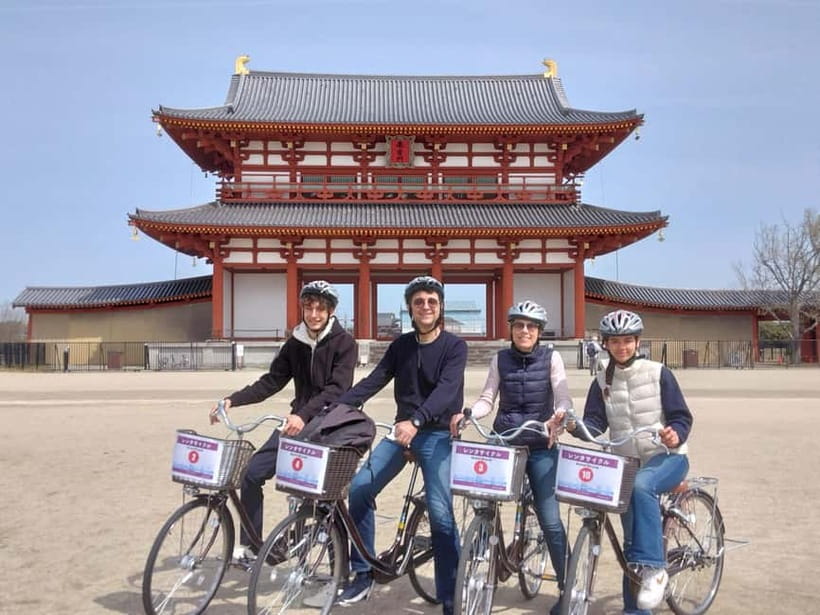
Suzaku Gate is the natural opening to the tour. It was the main entrance to Heijo Palace, and its scale helps you understand the planning and ceremony of the ancient capital. This is one of the best places for photographs, with the gate framing the open grounds beyond it.
Kay explains the role of the palace and the Nara period here, giving you the basic map in your head before you ride farther into the site. That context matters. Without it, the wide area can feel like scattered buildings and grassy spaces. With it, the gates, halls, gardens, and excavation sites begin to fit together.
Expect about 15 minutes at this stop. It is enough time for an introduction and photos without using up too much of the short tour.
Toin Garden and the roots of Japanese garden design
Toin Garden, also called the East Palace Garden, is a smaller and more carefully arranged stop. Bridges, rocks, water, and buildings create a formal setting that shows how Japanese garden design developed in the palace environment.
The garden also served as a state guest house. That adds a political purpose to what might otherwise look like a purely scenic stop. You are not just looking at an attractive pond and bridges. You are seeing a place connected with ceremony and official visitors.
The visit lasts about 10 minutes. If you enjoy gardens, this may be one of the most satisfying parts of the tour. If you prefer large buildings and archaeology, it is a shorter pause before the next group of sights.
Same roads, a different saddle:
- Hidden Kyoto E-Biking tour
★ 5.0 · 1,843 reviews - Tokyo Guided Small-Group Biking Tour
★ 5.0 · 1,250 reviews - Bike Tour Exploring North Kyoto plus Lunch
★ 5.0 · 1,087 reviews - Tokyo Great Cycling Tour
★ 5.0 · 811 reviews
Excavation Site Exhibition Hall: archaeology left in place
The Excavation Site Exhibition Hall is unusual because the remains are preserved and displayed in the condition in which they were found. Instead of presenting only restored objects in glass cases, the museum lets you look at the excavation itself.
This stop gives needed balance to the reconstructed palace buildings. Reconstructions show how the site may have looked, while the excavation hall shows the physical evidence left behind. You can get a clearer sense of how archaeologists work with foundations, buried remains, and fragments.
The visit is scheduled for about 10 minutes. That is brief, but the guide helps you focus on what matters rather than trying to interpret every feature on your own.
Mizukami Pond: the calmest part of the ride
The route around Mizukami Pond, also called Minakami Pond, is one of the tour’s simple pleasures. You’ll feel the breeze, hear birds, and may see ducks and turtles. After the formal palace sites, this is a welcome stretch of open air.
This part also shows why cycling works so well here. You are not rushing from one indoor display to another. You are moving through the former palace grounds and noticing the quiet spaces between the main buildings.
The pond is not listed as a separate timed stop in the itinerary, but the ride around it forms an important part of the experience. It is especially appealing if you want a break from Nara Park’s busier paths. On a warm day, though, the shade and breeze may not be enough to make the ride feel cool, so plan clothing and water sensibly.
Hishiage Kofun and the ancient burial site
Hishiage Kofun introduces another layer of Nara’s past. This ancient tomb and its grave goods connect the palace area with older burial traditions and the wider development of Japanese society.
You’ll spend about 10 minutes here, with time for a guided explanation and photographs. It is not a long archaeological visit, but it helps show that the area’s importance reaches beyond the palace period alone.
The appeal depends on your interests. If you enjoy ancient history and archaeology, this is a worthwhile addition. If you are mainly looking for intact buildings, the tomb may feel more understated than Suzaku Gate or the reconstructed audience hall.
The First Imperial Audience Hall
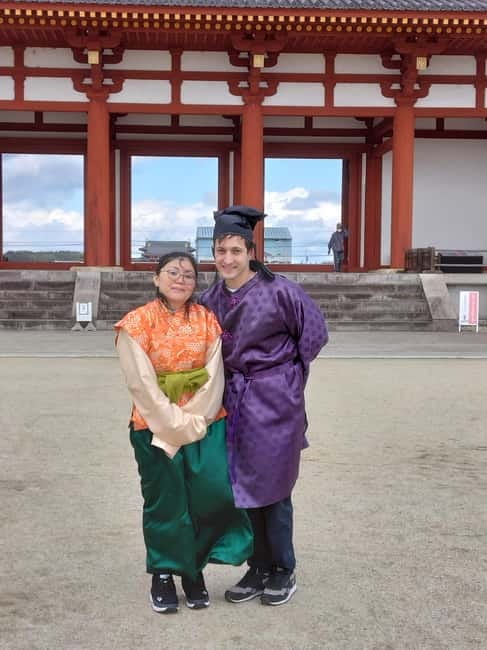
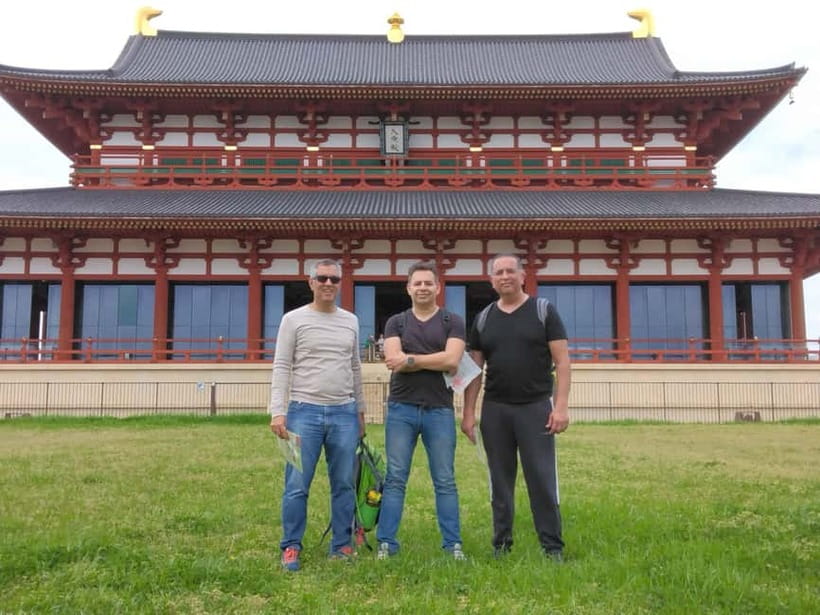
Daiichiji Daigokuden, the First Imperial Audience Hall, is one of the tour’s major architectural stops. The reconstructed hall was used for special ceremonies and gives you a sense of the formal setting of imperial events.
Inside, you can see paintings, ornaments, and other displays connected with the building. The hall also offers a broad view over the palace grounds, which makes it a useful point for understanding the size and layout of Heijo Palace.
About 15 minutes are set aside here. That is enough to look around and hear the main explanation, though you could easily spend longer if you wanted to study every display. The reconstruction is impressive, but keep your expectations grounded. This is not an untouched eighth-century building. Its value is in helping you picture the original palace complex alongside the archaeological evidence nearby.
South Gate and the palace museums
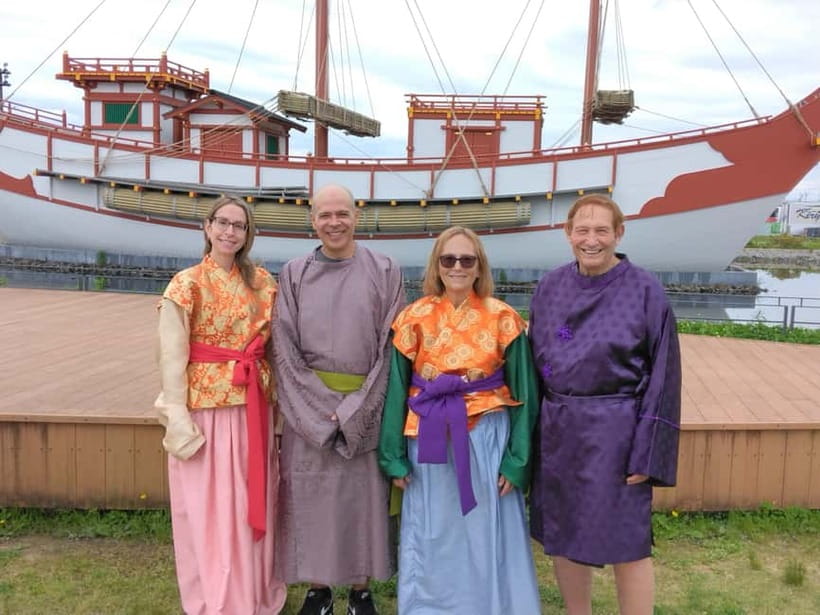
The route continues to Daiichiji Daigokudenin Daigokumon, the southern gate of the main imperial audience hall area. This is a short five-minute stop, mainly for a guided explanation and photographs. It helps connect the ceremonial hall with the gates and approach routes that controlled movement through the palace.
After that, you visit the Heijo Palace Site Museum, described as the oldest museum on the palace grounds. Displays include ancient roof tiles, wooden tablets, and models. These smaller objects can be easy to overlook when you are focused on large buildings, but they often make the ancient capital feel more real.
A roof tile or wooden tablet does not have the visual drama of a palace gate. Still, these objects explain how the site functioned and how archaeologists identify its former buildings and activities. The scheduled museum visit lasts about 10 minutes.
The Tenpyo costume experience
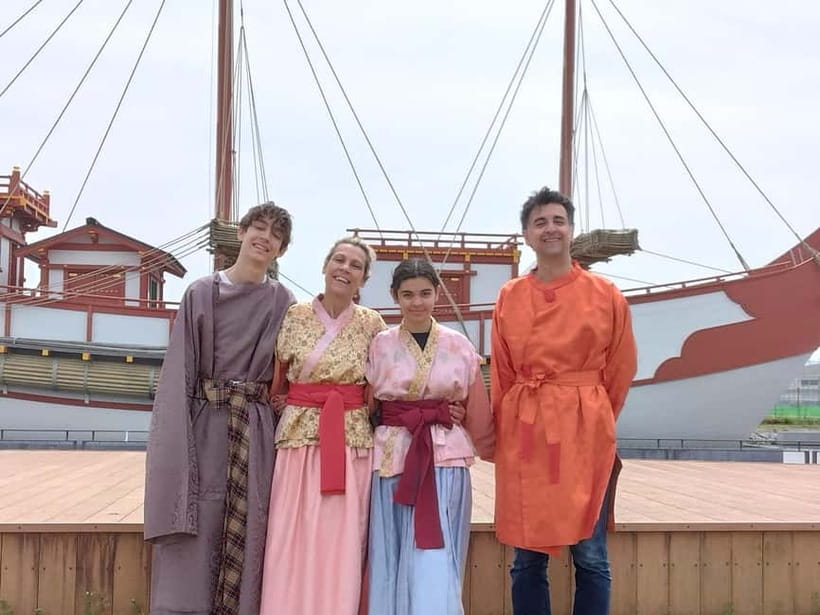
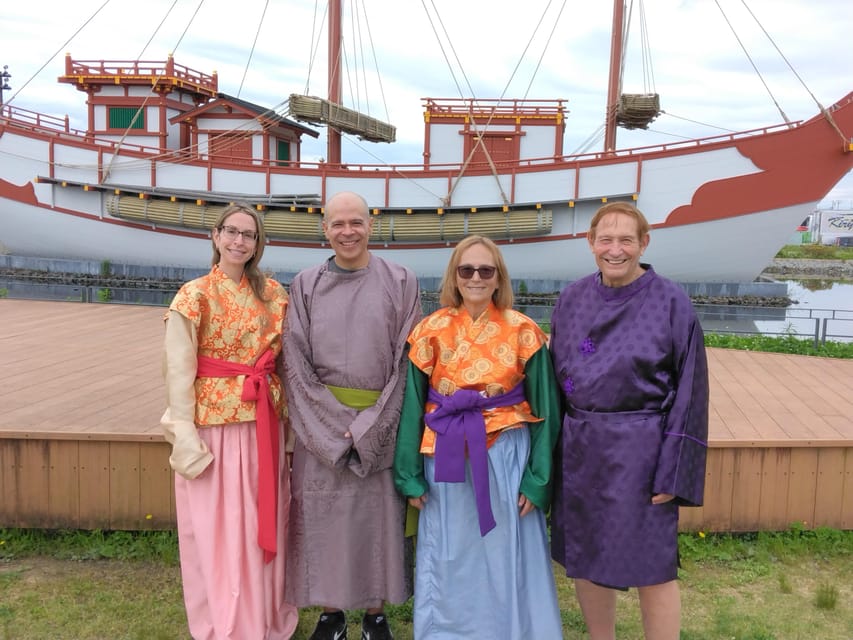
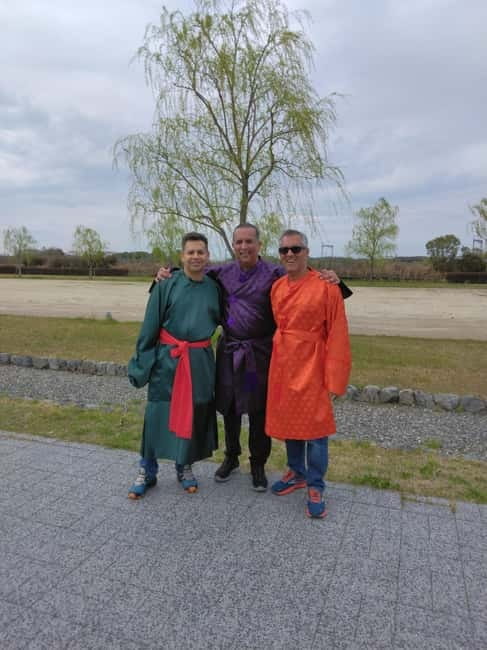
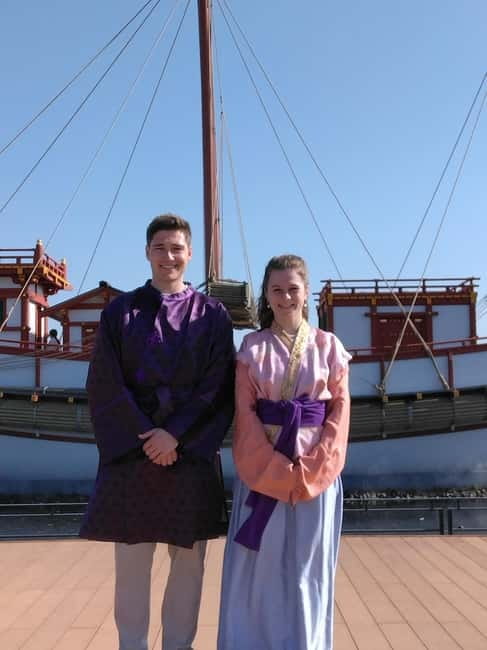
The tour includes an opportunity to wear traditional Tenpyo-period clothing and take photographs. This is a lighthearted part of the experience, but it also connects you with the period the tour is explaining.
Costume time is particularly useful for families and anyone who wants a memorable picture beyond the usual gate-and-garden shots. Since the overall activity lasts only two hours, ask the guide how the costume experience fits into the route on the day. The provided schedule does not give it a separate time slot, so the exact timing may depend on the group and operating arrangements.
How much value do you get for $22?
At $22 per person, this is a strong-value way to see the palace grounds. The price includes the bike, helmet, guide, admissions, and the traditional costume experience. You are not paying only for transportation. You are also getting a planned route through a very large site and explanations in English or Japanese.
The small group limit of eight improves the value. A guide can answer questions, adjust the pace, and stop for photographs without managing a large crowd. Kay has been especially patient with children and has sometimes allowed extra time so the group could continue at a comfortable pace.
The two-hour length is another advantage. It fits neatly into a morning or afternoon and works well as an introduction to Nara before you visit other sights. One person who had already visited Nara found it a good way to spend time away from the more touristy areas. That is exactly how I would use it.
The main limit is depth. Heijo Palace is a large archaeological site, and two hours cannot cover every museum display or explain every period in detail. If you are a serious specialist in ancient Japanese culture, you may want more time afterward. For most people, the tour gives a useful overview without turning the day into a long academic visit.
Choosing the right season and pace
Summer heat is the clearest practical concern. Cycling in August can be tiring, especially across open grounds with limited shade. The route is not described as strenuous, but heat can change an easy ride into uncomfortable work. Early morning or a cooler season should be more pleasant when starting times allow.
Spring brings a different mood. The palace grounds can feel peaceful, with local people enjoying cherry blossoms and weekend life. Autumn and winter may offer cooler riding conditions, though the tour information does not promise particular seasonal scenery.
You need to be able to ride a bicycle independently. The activity is not suitable for pregnant women, wheelchair users, people who cannot ride, or people with visual impairments. Bike insurance is not included, so check your own arrangements if that matters to you.
Food and drinks are also not included. Bring what you need for the two-hour outing, especially in warm weather. Hotel pickup is not provided, so you must reach Suzaku Square on your own.
Who should book this experience?
I would recommend this tour to first-time visitors who want Nara’s history explained clearly and to returning visitors who have already seen the main deer and temple sights. It is also a good fit for families with children who can ride, since the route offers movement, stamps and photos, and short stops rather than one long indoor visit.
History, archaeology, garden design, and photography fans will find plenty to enjoy. The experience also suits anyone who prefers open spaces and a quiet morning to a crowded sightseeing route.
I would be more cautious if you dislike reconstructed buildings or want a dense concentration of original artefacts. Parts of Heijo Palace are marked foundations, excavation areas, or modern reconstructions. That is not a flaw, but it shapes the experience. You come here to understand an ancient capital through its remains and careful rebuilding, not to walk through an untouched palace.
Should you book the Heijo-Kyo Bike Tour?
Book it if you want an affordable, well-organized introduction to the Heijo Palace site and can ride comfortably. The combination of guide Kay, a small group, rental equipment, admissions, museums, gardens, and costume photos makes $22 easy to justify.
Skip it if you are visiting during severe heat, cannot cycle, or expect a large collection of original palace buildings. For everyone else, this is a smart way to see a huge UNESCO site without wasting time on long walks or missing the story behind the ruins. It gives you a quieter, more thoughtful side of Nara, with enough scenery and gentle movement to keep the history from feeling static.
FAQ
How long does the Nara bike tour last?
The tour lasts two hours. Check the available starting times when booking.
What languages are offered?
The tour is offered with a live guide in English or Japanese. Guide Kay leads the English-language experience.
What is included in the price?
The price includes the biking tour, guide, rental bike, helmet, all admissions, and the traditional Tenpyo costume experience.
Where does the tour meet?
Meet at the rental bike reception counter at Miharashi-Kan in Suzaku Gate Square. You should arrive 10 minutes before the scheduled starting time.
Is the tour suitable for children?
Children who can ride a bike may enjoy the tour. The route has been comfortable for families with a six-year-old, but the activity is not suitable for people who cannot ride.
What happens if bad weather cancels the tour?
The supplier may cancel because of heavy rain, storms, or other severe weather. If the supplier cancels, you receive a full refund. You can also cancel up to 24 hours before the tour for a full refund.
Newest rides we have reviewed in Japan
- Afternoon Adventure: Okinawa Local Cycling with Spectacular Views★ 5.0 · 92 reviews
- Zodiac Shrines and Naha Backstreets Cycling Tour★ 5.0 · 29 reviews
- Iya Valley BROMPTON Slow Cycling Tour★ 5.0 · 28 reviews
- eTour de Matsumoto – Electric Bike Tour★ 5.0 · 16 reviews
- ONLY YOU in the Bamboo Forest! 4 hours E-bike tour with a local★ 5.0 · 45 reviews
- South Kyoto in a Nutshell: Gentle Backstreet Bike Tour!★ 5.0 · 225 reviews
- Pedal Adventure Kyoto’s iconic landmarks on an e-bike tour★ 5.0 · 189 reviews
- The Beauty of Kyoto by Bike: Private Tour★ 5.0 · 47 reviews
Heritage and Temple Bike Tours, compared.
Historical Singapore Bike Tour on Full-Sized Bicycles
Read our review →
Night Bike Tour with Temples & Flower Market Visit
Read our review →
Intramuros, Manila: Historical Bamboo Bike Tour
Read our review →
Historical Bike Tour of Savannah and Keep Bikes After Tour
Read our review →Other lists this ride turns up in