
REVIEW · HERITAGE AND TEMPLE BIKE TOURS IN JAPAN
Naha: Guided E-Bike Tour of the 12 Zodiac Temples
Shuri’s small temples and backstreets are the real prize here. You ride beyond the main sights, stopping at places that are easy to miss on foot or by car, while your guide explains Okinawan customs, Buddhist figures, and the area’s royal past. The electric bike makes Shuri’s hills manageable, and the helmet intercom lets you hear the guide while riding.
I like two things right away: the route reaches quiet corners that are awkward to find alone, and the tour keeps moving without becoming a hard workout. Guides including Maki, Maria, Reiji, Hiro, and Jojo have been praised for clear explanations, good route care, and warm personalities. The main drawback is simple: you need to ride a bicycle comfortably, and sandals are not allowed.
Key points at a glance
- Small-group riding: The group is limited to five people, which gives the guide room to adjust the pace and answer questions.
- Electric help for Shuri’s hills: The e-bikes take much of the strain out of the ride, though you still need basic road awareness and cycling ability.
- Temples beyond the usual route: Shuri Kannon, Ankokuji, Daruma Temple, Seikoji, and Sogenji offer a quieter look at Okinawan religious life.
- Helmet intercoms: You can hear the guide and communicate with the group without constantly stopping.
- A strong photo stop: Shureimon Gate gives you the classic red-gate picture, with your bike included if you like.
- Practical timing: The three-hour outing begins and ends near Makishi Station, making it easy to fit into a day in Naha.
Why an e-bike works so well in Shuri
Shuri is not a flat sightseeing district. Roads rise and fall, temples sit behind side streets, and the most interesting stops are spread across a broad area. Walking between them would take time and energy, while a car would miss the close-up feel of the neighborhood.
The e-bike is a useful middle ground. You still see the streets at a human pace, but the motor helps on the hills. One of the strongest practical points from the tour is the quality of the bikes, along with the helmets fitted with speakers and microphones. You can listen to the guide’s explanation while moving, then stop for a temple visit or photo.
I would not treat this as a sightseeing ride where you can simply sit back. You need to control the bike, follow road directions, and stay alert around traffic. The guides have been praised for giving clear instructions and checking that riders are comfortable, but this remains an active tour.
The small group limit of five is another plus. A guide can keep an eye on the group, explain details at each stop, and adapt the pace better than on a large bus tour. If you are traveling with a private group, the experience may feel especially personal.
More E-Bike Tours in Japan
- Hidden Kyoto E-Biking tour
★ 5.0 · 1,843 reviews - Tokyo Top Highlights 3h Guided E-bike Tour
★ 5.0 · 714 reviews - 3h Tokyo E-Bike Tour: Hidden Gems, and Local Life with guide
★ 5.0 · 670 reviews
Starting near Makishi Station
The meeting point is the bike shop in Daisho Building, about a five-minute walk from Monorail Makishi Station and next to the post office. You meet the guide there, get fitted with your electric bike and helmet, and receive the basic instructions before setting off.
The start is convenient if you are staying around Kokusai Street or using the Okinawa Urban Monorail. Since the tour returns to the same shop, you do not need to arrange transport from a different part of Naha at the end.
Wear comfortable clothing suitable for cycling and closed, comfortable shoes. Sandals and flip flops are not allowed. Okinawa can be sunny, so bring water, sunscreen, and a hat. Meals, drinks, and offerings for temples and shrines are not included.
The tour lasts three hours. That is enough time to reach several religious sites and ride through Shuri without turning the outing into an all-day commitment. It also leaves room for another Naha activity afterward.
Shuri Kannon Temple and the first hill
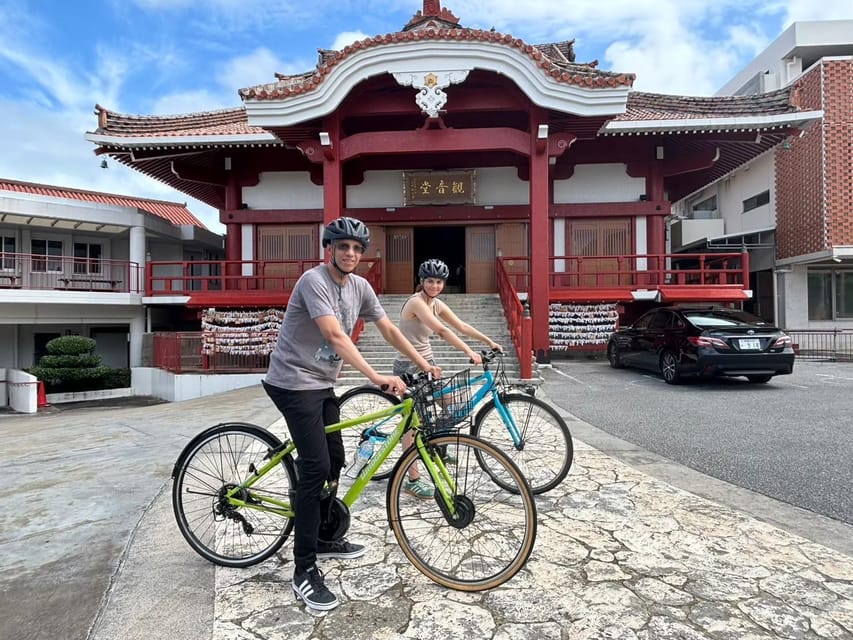
The first major stop is Shuri Kannon Temple, a guardian temple linked with the Ryukyu Kingdom. Its bright red building, carvings, and decorative details give you an immediate sense of the visual style that makes Okinawan religious sites different from many mainland Japanese temples.
The elevated position also gives you views over Shuri. This is a good place to let the guide establish the setting before the route becomes more local and less familiar. Pay attention to the carvings and colors rather than rushing through for a quick photograph.
The temple stop is also a useful reminder that this tour is not only about exercise. The ride connects the sites, but the guide supplies the context that makes the details meaningful. The exact amount of time at each place can vary, especially with a small group and different riding speeds.
Ankokuji and the old neighborhood feel
Ankokuji Temple brings the route into a quieter setting with traditional houses, an old gate, and a large gajumaru tree. The visit here is brief, listed at about five minutes, so you should expect a quick look rather than a long temple inspection.
That short stop works because the point is the setting. The gate, tree, and nearby homes show how religious sites can sit within ordinary residential streets. You are not being moved from one grand monument to another. Instead, the ride gives you glimpses of the older fabric of Shuri.
The large gajumaru tree is one of the details worth noticing. These trees are a familiar part of Okinawa, and their broad roots and heavy branches give a temple entrance a very different feel from a polished urban attraction.
More Heritage and Temple Bike Tours in Japan
- E-Bike Nara Highlights – Todaiji, Knives, Deer, Shrine
★ 4.8 · 186 reviews - Historical Kyoto E-Bike Tour
★ 5.0 · 181 reviews - 4.5-Hour Kyoto Bike Tour with Lunch and UNESCO Zen Temples
★ 5.0 · 122 reviews - Kyoto: Fushimi Inari Shrine and Tofukuji Temple E-Bike Tour
★ 5.0 · 75 reviews
Shureimon Gate with your bicycle
Shureimon Gate is the most recognizable stop on the route. Its bright red structure is one of Okinawa’s best-known symbols, and it gives you the classic Shuri photograph.
The suggested photo with your bike is a small but clever touch. It records how you saw the area, not just where you stood. If you want a clean picture, ask the guide about positioning and timing at the stop.
This is also the place where the tour may feel most familiar and public. Shureimon is a major symbol, unlike the tucked-away temples reached through side streets. That contrast is useful. You get the famous image, but the route does not stop there.
Daruma Temple and everyday prayers
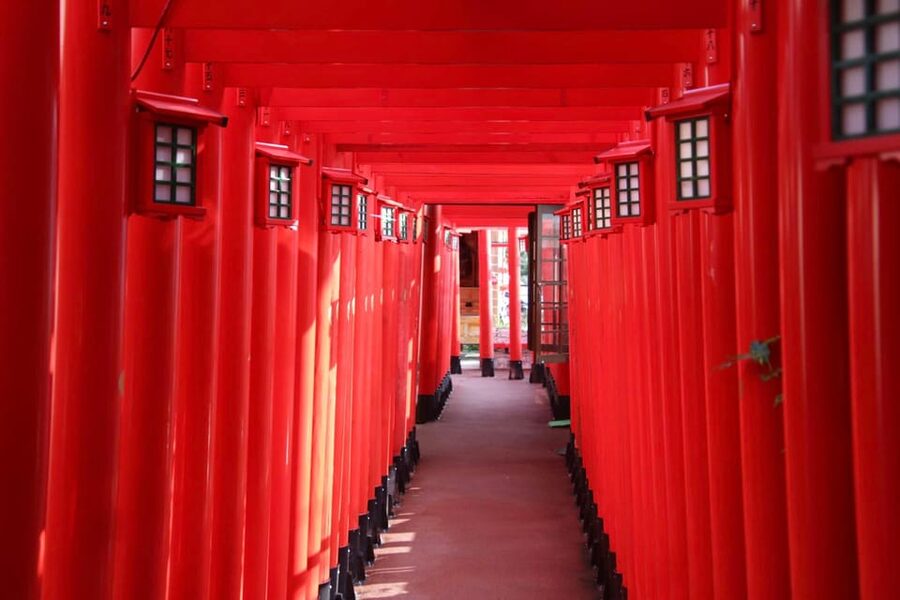
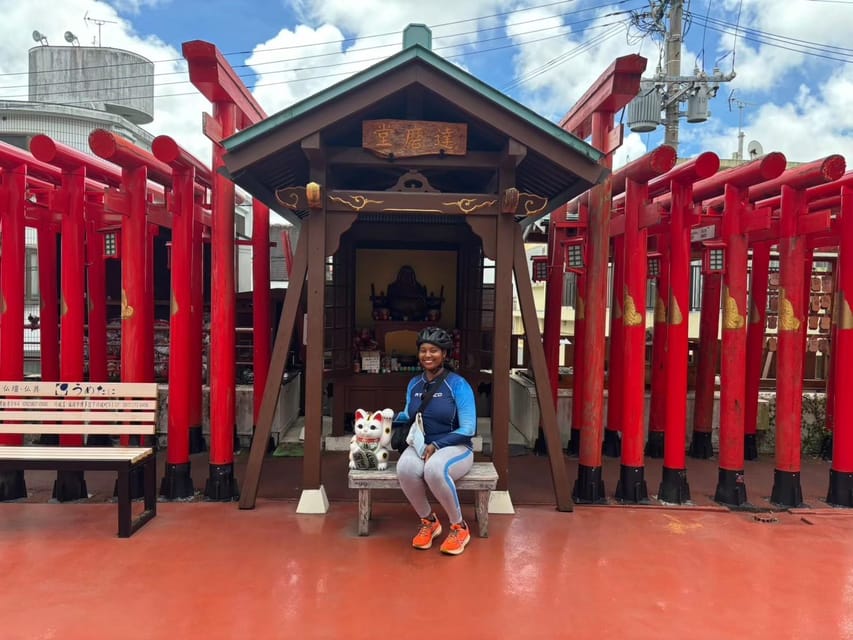
Daruma Temple is associated with prayers for health and pregnancy. Red daruma dolls and a torii gate give the stop a strong visual identity, but the greater value is learning how people use religious sites for practical hopes and personal milestones.
The visit lasts about twenty minutes, giving you more time than at Ankokuji. You can look closely at the dolls and gate, ask about the customs, and take in the atmosphere without feeling pushed along.
Your guide can also help explain the difference between the Buddhist and Shinto elements you see. Okinawa has its own religious traditions shaped by local history, and a short explanation can prevent the sites from blurring into a string of red gates and statues.
Seikoji Temple and the quieter pause
Seikoji Temple offers a calmer stop. The site includes Jizo statues and a modern building, creating a mix of older religious symbols and newer architecture.
The visit is listed at about ten minutes. That is enough for a focused look, but not enough for a long, unhurried temple stay. I would use this pause to ask questions rather than simply take photographs. Jizo figures often carry meanings tied to protection and care, and the guide can explain what matters at this particular site.
The sequence also helps the pace of the tour. After cycling between stops, you get a quiet place to slow down before continuing. The e-bike reduces the physical work, but three hours in Okinawa’s sun can still be tiring. Take the water advice seriously.
Saki Kasahigawa, the miracle spring
Saki Kasahigawa is described as a miracle spring flowing from deep forest. The appeal here is not a major structure. It is the water itself and the sense of an old natural source woven into local belief.
This stop gives the tour a change of texture. You move from gates, buildings, and statues to flowing water and a more natural setting. The guide’s explanation is important because the spring’s meaning is tied to local memory and belief, not simply to what you can see in a few minutes.
If you are expecting a grand attraction at every stop, this may feel modest. If you enjoy small places with a story, it is one of the route’s more distinctive moments.
Sogenji Temple and the former royal mausoleum
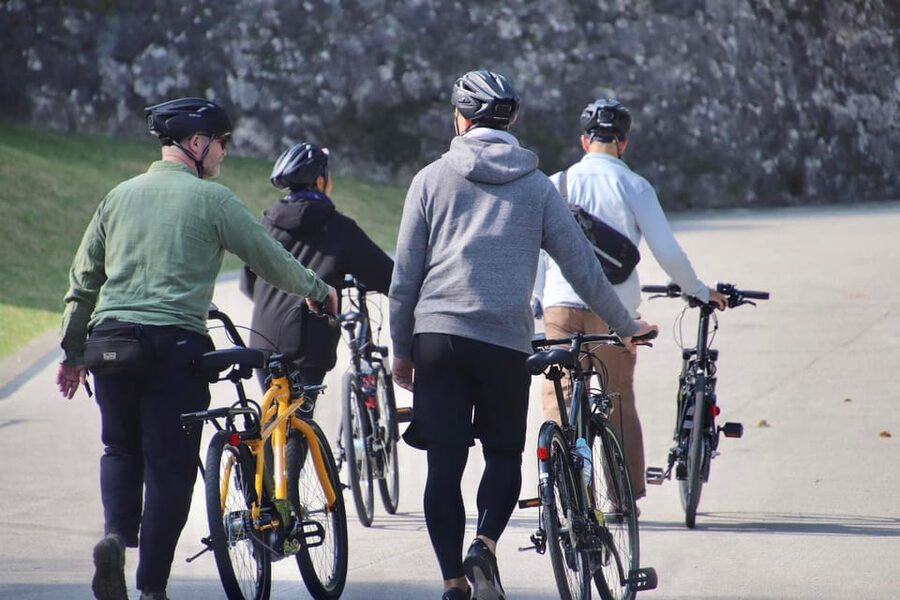
The final temple stop is Sogenji, a former royal mausoleum. You can see its gate and another large gajumaru tree, while the surrounding park offers a clean, quiet break before the ride back.
The site gives the route a fitting final note. Earlier stops show active prayer, neighborhood temples, and local sacred places. Sogenji adds a connection to Okinawa’s former royal court, tying the religious route back to Shuri’s political past.
The return to the bike shop completes the loop. Because you finish where you started, you can easily continue to Kokusai Street, return to your hotel, or use the monorail without arranging a separate pickup.
What the guides add to the experience
The guide is central here. Without one, you could still see a red gate, a gajumaru tree, or a temple entrance, but you would miss much of the meaning and would likely pass several sites without realizing what they are.
The guide team has included Maki, Maria, Reiji, Hiro, Jojo, Tiny, Sally, and Qwan. Maki has been praised for tailoring the outing to the group, taking photographs, and explaining history and customs. Maria has been valued for her clear English, personal attention, and helpful suggestions at the end. Reiji has given detailed explanations, while Hiro has been especially careful about hydration and bike comfort.
Guide assignments can change, so you should not book on the assumption that a particular person will lead your ride. What you can expect is a live guide in English, Chinese, or Japanese, plus an intercom system that makes conversation easier while cycling.
The communication setup matters more than it may sound. Without it, a guide would need to stop repeatedly or shout over traffic. Here, the group can keep moving while still receiving directions and explanations.
Is $95 a fair price?
At $95 per person, this is not the cheapest way to see Naha. You are paying for a three-hour guided outing, an electric bicycle, a helmet with intercom, and a small group capped at five people.
The value is strongest if you want access to places that are hard to connect on your own. A taxi could move you between sites, but it would not provide the same neighborhood-level experience. Walking would cost less, but Shuri’s hills and distances would limit how much you can comfortably cover.
The price also includes the guide’s route planning and local explanations. That matters because several stops are tucked into side streets and are not obvious from the main sightseeing path. If you are already confident navigating Shuri, reading about its temples, and cycling independently, you may find the cost harder to justify.
Free cancellation up to 24 hours ahead and the option to reserve without paying immediately make planning easier. The operator may change the plan if the chance of rain exceeds 70 percent or severe weather is expected, with notice sent the day before.
Who should book this ride?
I would recommend it to anyone who can ride a bicycle and wants a more active way to see Naha. It suits couples, families with cycling-age members, and small groups who prefer a personal guide over a large tour.
It is especially good for first-time visitors to Shuri. You get the famous Shureimon Gate, but also the less obvious temples, homes, trees, spring, and side streets that are easy to overlook.
I would be cautious if you cannot ride a bike, dislike cycling near roads, or want a slow temple tour with long periods at each site. The e-bike helps with effort, but it does not remove the need to ride. You should also reconsider if you are looking for a food-focused outing, since meals and drinks are not included.
Should you book the Naha zodiac temple e-bike tour?
Book it if you want to combine movement, local history, and small religious sites in one well-paced morning or afternoon. The strongest reasons are the five-person limit, electric bikes, helmet intercom, and access to Shuri corners that are easy to miss.
The tour is not ideal for a person who cannot cycle or wants a fully passive sightseeing experience. For the right rider, though, $95 buys more than transport. It gives you a practical route, a guide who can explain Okinawan traditions, and a close look at Shuri beyond its most famous gate.
FAQ
Where does the tour start and finish?
It starts and ends at the bike shop in Daisho Building, about a five-minute walk from Monorail Makishi Station and next to the post office.
How long does the tour last?
The tour lasts three hours.
What is included in the price?
The price includes an electric bicycle rental and a guided tour with a helmet fitted with an intercom system.
Are meals and drinks included?
No. Meals and drinks are not included, so bring water with you.
Which languages are available?
The tour is available with a live guide speaking English, Chinese, or Japanese.
How many people can join the tour?
The group is limited to five participants.
Do I need to know how to ride a bicycle?
Yes. People who cannot ride a bike are not suitable for this tour.
What should I wear?
Wear comfortable shoes and clothing suitable for cycling. Sandals and flip flops are not allowed.
What should I bring?
Bring water, sunscreen, and a hat for sun protection. Comfortable shoes are also important.
What happens in bad weather?
If the precipitation probability is above 70 percent or severe weather is expected, the plans may change. The operator will contact you the day before.
Newest rides we have reviewed in Japan
- Afternoon Adventure: Okinawa Local Cycling with Spectacular Views★ 5.0 · 92 reviews
- Zodiac Shrines and Naha Backstreets Cycling Tour★ 5.0 · 29 reviews
- Iya Valley BROMPTON Slow Cycling Tour★ 5.0 · 28 reviews
- eTour de Matsumoto – Electric Bike Tour★ 5.0 · 16 reviews
- ONLY YOU in the Bamboo Forest! 4 hours E-bike tour with a local★ 5.0 · 45 reviews
- South Kyoto in a Nutshell: Gentle Backstreet Bike Tour!★ 5.0 · 225 reviews
- Pedal Adventure Kyoto’s iconic landmarks on an e-bike tour★ 5.0 · 189 reviews
- The Beauty of Kyoto by Bike: Private Tour★ 5.0 · 47 reviews
Heritage and Temple Bike Tours, compared.


Historical Singapore Bike Tour on Full-Sized Bicycles
Read our review →
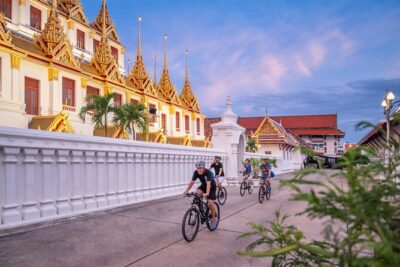
Night Bike Tour with Temples & Flower Market Visit
Read our review →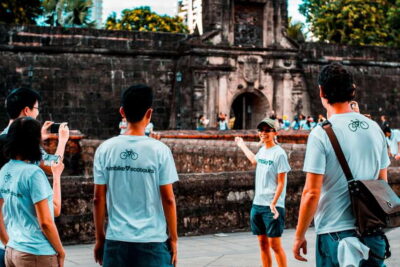
Intramuros, Manila: Historical Bamboo Bike Tour
Read our review →


Historical Bike Tour of Savannah and Keep Bikes After Tour
Read our review →Other lists this ride turns up in