REVIEW · HERITAGE AND TEMPLE BIKE TOURS IN KYOTO
Historical Kyoto E-Bike Tour
Kyoto’s famous sights are spread across the city, and this small-group e-bike tour lets you connect them without spending the whole day on buses. You ride through ordinary neighborhoods, cross busy streets, and reach Kitano Tenmangu, Kinkaku-ji, Arashiyama Bamboo Grove, and Tenryu-ji in one outing. I especially like the back-street routes and the chance to learn how Japanese shrine and temple customs work, rather than simply taking photos and moving on.
The maximum of eight people keeps the day personal, and guides such as Jody, Pohan, Diego, George, and Pohan have been praised for clear explanations and careful riding. The main caution is that this is still city cycling. You share roads and paths with cars, buses, mopeds, pedestrians, and other cyclists, so confident riders will get more from it than anyone uneasy on a bike.
Key points to know before booking
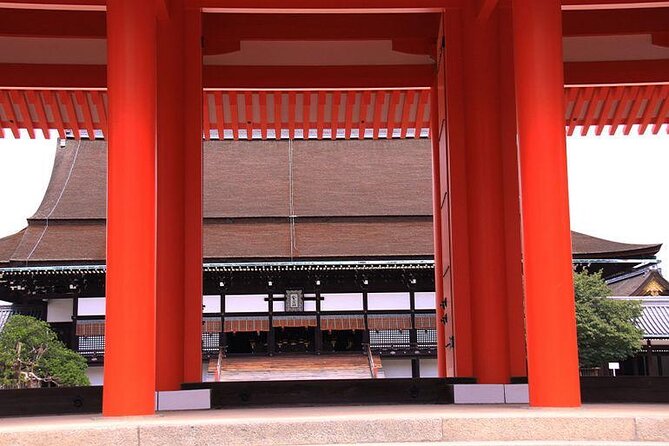
- Four major Kyoto sights in one day: Visit Kitano Tenmangu, Kinkaku-ji, Arashiyama Bamboo Grove, and Tenryu-ji.
- Electric assistance included: The e-bikes reduce effort, but you still need to pedal and handle a bicycle in city traffic.
- Small groups matter: The tour accepts no more than eight people, allowing guides to answer questions and adjust the pace.
- A mix of riding and walking: Expect substantial time on foot inside temple grounds and the bamboo forest.
- Bring Japanese yen: Lunch may be at a cash-only ramen restaurant or another local food stop.
- Allow extra time to find the start: The meeting point is on a back road and can be easy to miss.
Kyoto by bicycle, not just by checklist
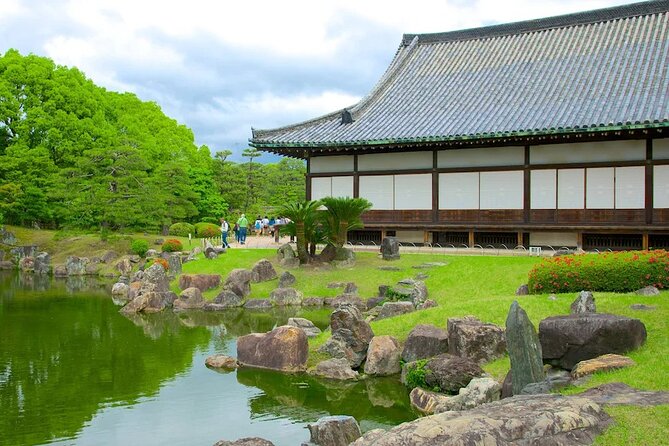
The strongest reason to choose this tour is simple: Kyoto’s best-known sights do not sit next to one another. Walking between them takes too long, while public transport can leave you waiting, changing lines, or squeezing through busy stations. An e-bike gives you a practical middle ground.
You cover a good stretch of western and northern Kyoto, with the ride itself forming part of the experience. Guides lead you through narrower streets and quieter neighborhoods that you would probably skip in a taxi or miss from a train window. The route also gives you a feel for how the city works beyond its temple gates.
The tour lasts about five to six hours. That sounds long, but the time is divided between cycling, temple visits, the bamboo grove, and lunch. You are not pedaling nonstop. Still, do not mistake this for a gentle sightseeing bus. You will ride in traffic and walk for long periods at the major stops.
The electric assist helps with effort, especially if you are not used to Kyoto’s distance between sights. It does not remove the need to steer, stop, watch intersections, and follow the guide. I would recommend it most for adults, older children, and teenagers who are comfortable riding on city streets.
More E-Bike Tours in Japan
- Hidden Kyoto E-Biking tour
★ 5.0 · 1,843 reviews - 5 Top Highlights of Kyoto Full Day Bike Tour (E-bike option)
★ 5.0 · 511 reviews - Kyoto: Memory Kyoto E-Bike Tour
★ 4.8 · 297 reviews
Starting near Nishikyo, and finding the bike shop
The tour begins at Memory Kyoto Bike Tour, at 8-6 Umaryo-cho, Nishikyo Nakagyo-ku, Kyoto, postal code 604-8492. The start is near public transportation, but the shop is down a back road and may not have obvious signage. Give yourself extra time rather than arriving at the last minute.
At the start, you receive an e-bike and helmet. The bikes have been described as comfortable and well maintained, and the electric assistance is included rather than treated as a costly upgrade. A bottle of water is also provided.
The guide explains the riding rules and the route before setting off. That briefing matters in Kyoto, where you may move from a quiet lane to a busy crossing within minutes. Guides have been praised for explaining where to cross and how to handle local bicycle rules. In a small group, the leader can also keep a closer eye on the riders behind.
The meeting point is also the ending point. That makes the tour easy to fit around other plans, since you are not left at Arashiyama or another distant district with a separate journey back.
Kitano Tenmangu and the world of Sugawara no Michizane
Kitano Tenmangu is the first major stop, with about 30 minutes set aside for the visit. The shrine is linked to Sugawara no Michizane, a scholar and political figure honored as a deity of learning. That connection gives the site a special place in Japanese religious life, particularly for students and families hoping for success in study.
The guide explains the shrine’s customs and background while you look around the grounds. This is one of the more useful parts of the tour because it gives you a framework for understanding later stops. Kyoto’s religious sites can look similar at first glance, but Shinto shrines and Buddhist temples follow different traditions.
The shrine is also known for roughly 1,000 plum trees. In early spring, their blossoms create one of the most attractive settings on the route. Timing matters, of course. If you visit outside the blossom season, the trees will not provide the same display, but the shrine still offers a strong introduction to Kyoto’s religious culture.
Thirty minutes is enough for a guided look, though not enough for a slow exploration of every corner. If you like to linger at shrines, take detailed photographs, or make a longer offering, the pace may feel brisk.
Kinkaku-ji, Kyoto’s Golden Pavilion
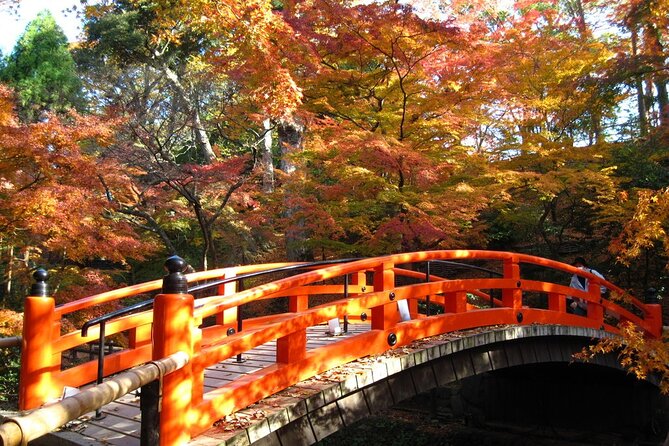
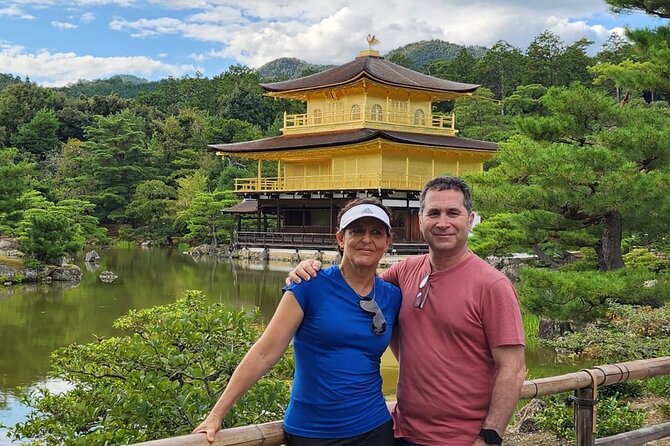
Kinkaku-ji receives about 45 minutes. The temple’s gold-leaf exterior reflects in the pond beside it, creating the image that has made the Golden Pavilion one of Kyoto’s most recognized sights.
This stop is visually powerful but usually crowded. The gold surface catches the light, yet the setting can feel more like a famous photo stop than a quiet place for contemplation. A guide adds value here by explaining the temple’s origin and meaning, helping you see more than the reflection across the water.
The grounds are arranged for a steady walk, with views that change as you move along the path. You should have time for photographs and a guided explanation, but not unlimited time to sit or wander. If Kinkaku-ji is one of your personal priorities, remember that the group schedule has to serve three other major locations as well.
The contrast between this polished landmark and the ordinary streets reached by bicycle is part of the appeal. You see both the Kyoto presented on postcards and the city that residents use every day.
More E-Bike Tours in Kyoto
- E-Bike Tours of the highlights of Kyoto!!!
★ 5.0 · 291 reviews - Kyoto: City Secrets eBike Tour
★ 4.9 · 196 reviews - Kyoto: Hidden Gems E-Bike Tour with Local Japanese Guide
★ 4.9 · 189 reviews - Best of Kyoto: Ginkakuji & Path of Philosophy E-Bike Tour
★ 4.9 · 79 reviews
Arashiyama Bamboo Grove, where walking takes over
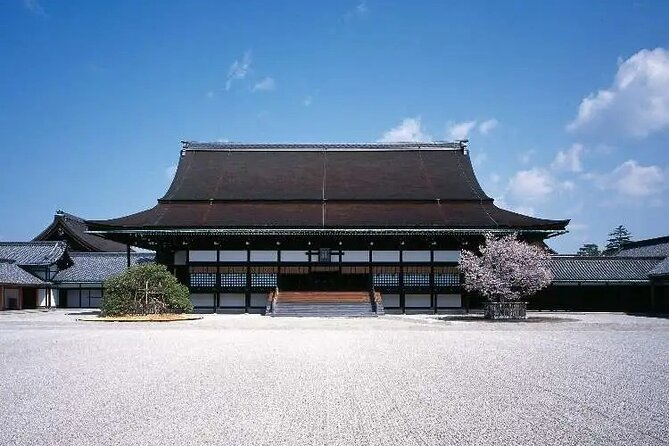
The Bamboo Forest Trail is scheduled for about 45 minutes. This is the point where the bicycle gets parked and your feet do the work.
The tall bamboo creates a narrow corridor of green stalks and filtered light. It is one of Kyoto’s most recognizable sights, and it can feel almost unreal when you look upward from the path. It is also one of the busiest places on the route, so do not expect complete quiet or an empty trail.
The cycling portion helps you reach Arashiyama without relying on a crowded train, but the grove itself is not a place to ride through. You walk with the group, pause for photographs, and take in the change from city streets to bamboo-lined paths.
The allotted time gives you a meaningful visit without letting this one sight consume the day. Some guides may adjust where you finish the walk within Arashiyama, which can be useful if the group has different interests or if conditions change. One guide also helped a group visit the Kimono Forest afterward, though that should not be treated as a guaranteed part of every departure.
Tenryu-ji and one of Kyoto’s finest gardens
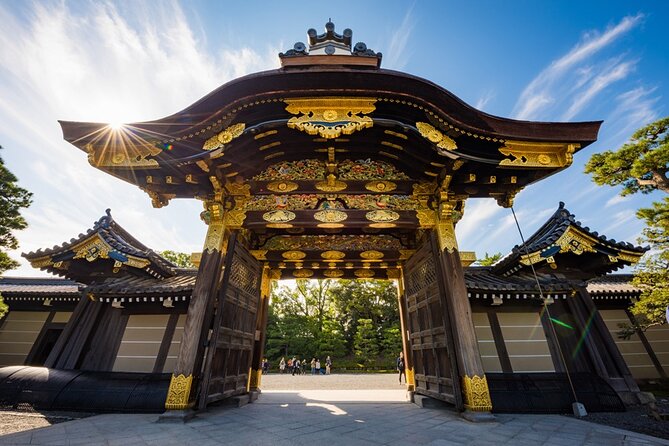
Tenryu-ji receives another 45 minutes. This Buddhist temple is a UNESCO World Heritage Site, recognized since 1994, and its garden is the main reason to pay close attention here.
The garden offers a different mood from Kinkaku-ji. Instead of focusing on a gold façade, you spend time with the relationship between water, trees, paths, and the surrounding hills. The guide provides context for the temple and its Buddhist traditions, while you walk through the garden at a measured pace.
The stop also works well after the bamboo grove because both are in Arashiyama. You can appreciate the area as more than a single famous path. At the same time, this is another place where walking shoes matter. The overall day includes a surprising amount of time on foot, even though the tour is sold as a bicycle experience.
The order of stops and exact timing may shift to suit traffic, weather, or the group. The listed schedule gives you a good idea of the day, but it is not a promise that every minute will unfold in that exact sequence.
The cycling is part of the sightseeing
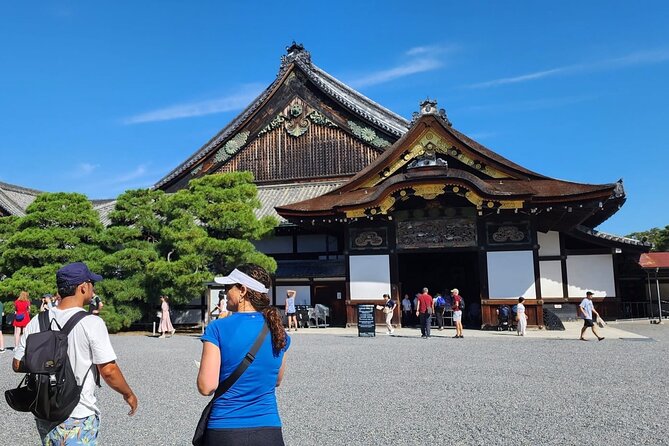
The most memorable riding is not necessarily the fastest riding. You pass through narrow streets, quieter residential areas, and routes between the major sights that show a more everyday side of Kyoto.
The e-bike assistance makes the distances manageable, especially for people who do not want a hard athletic day. Several guides have also adjusted the pace when rain or snow changed conditions. That flexibility is useful, but poor weather can still affect the experience. You should be ready for exposed riding and wet streets if the forecast turns.
City cycling brings real tradeoffs. Kyoto has some bike-friendly sections, but you may also share the road with buses, cars, mopeds, pedestrians, and other bicycles. Stop signs and local drivers can feel challenging if you rarely ride in traffic. I would not choose this tour for a young child or a rider who lacks basic confidence on city streets.
Teenagers who ride well can enjoy it, and families have used the tour successfully with older children. The group size helps, and guides may ride at the front and back so nobody is left alone. Even so, you remain responsible for controlling your own bike.
Lunch, local food, and the cash question
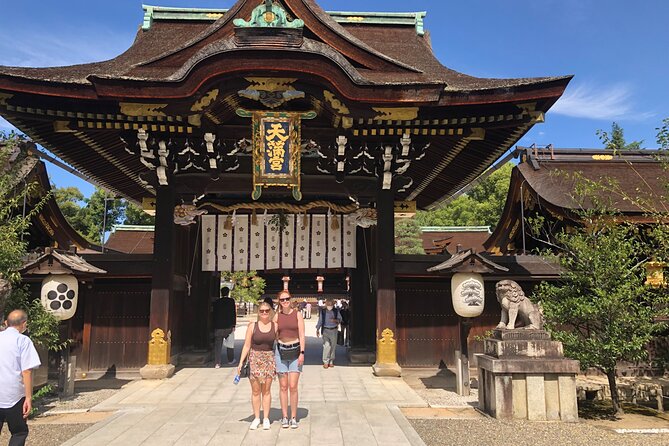
Lunch takes place during the portion of the day not devoted to riding or sightseeing. The exact stop can vary, but ramen and local Japanese restaurants have featured prominently. One food stop has been described as a casual ramen place, and another as a food court with a wide choice of street food.
Bring yen. At least one lunch option is cash only, and you may also want small coins if you plan to take part in shrine or temple customs, such as buying prayer candles or making offerings. Food costs are not clearly included in the $99.49 tour price, so budget separately for lunch.
This meal is not just a pause to refuel. It gives you a chance to try ordinary Japanese food and talk with the guide and other members of the group. Dietary needs can be discussed with the guide, though you should raise them before ordering rather than assuming every stop can handle every request.
A meal stop can also slow the day. If you would rather eat quickly and spend more time at the sights, ask the guide how the lunch break will work that morning. The schedule includes time for eating, so anyone hoping for a nonstop ride should know that lunch is part of the experience.
Guides who shape the day
The named guides associated with this tour include Jody, Pohan, Diego, George, Jorge, and Benjamin. Their styles differ, but the strongest pattern is clear explanation, patience, and attention to safety.
Jody brings long experience living in Japan and has a teaching background. That can be especially helpful if you want more than dates and names. Pohan has been praised for explaining customs and adapting the route in difficult snow or rain. Diego has led families through the main sights with a friendly manner and practical facts. George has been noted for explaining street crossings and bicycle rules carefully.
Guide quality matters more on a tour like this than on a simple transfer. You are learning how to move through traffic, how to behave at religious sites, and why the places matter. The small group, capped at eight, gives you a better chance to ask questions than a large coach tour would.
The experience is not fully private, however. You will share the pace and lunch arrangements with other people. That can be a pleasure, especially when the group includes people from several countries, but it also means less freedom to stop wherever you like.
Is $99.49 a fair price?
At $99.49 per person, this is not the cheapest way to see Kyoto’s temples. You are paying for several things at once: a maintained e-bike, helmet, guide, route planning, water, safety support, and a half-day connection between sights that are widely separated.
The price makes the most sense if you have limited time in Kyoto. Seeing Kitano Tenmangu, Kinkaku-ji, Arashiyama Bamboo Grove, and Tenryu-ji independently would require careful planning and several transport choices. The tour also adds local streets and cultural explanation that a taxi ride would not provide.
Value is weaker if you already plan to visit all four places on your own and prefer to spend unlimited time at each. You may also find better value elsewhere if you are a strong cyclist seeking a longer, faster ride. This tour is built around sightseeing first, cycling second.
The rating is 4.9 from 181 reviews, with 98 percent recommending it, which matches the tour’s strongest features: guides, route coverage, bikes, and small groups. Those figures cannot guarantee your exact guide or weather, but they do indicate a consistently well-received experience.
Practical fit: who should book it?
I would choose this tour if you want to see a lot in one day, enjoy an active outing, and feel comfortable riding a bicycle in traffic. It is particularly useful early in a Kyoto visit because the guide can give you a grounding in shrine customs, Buddhist temples, food, and local transport habits.
It also suits families with capable teenage riders, couples who dislike rigid bus tours, and anyone who finds long walking days tiring. The e-bike saves energy, while the route still gives you plenty of exercise and time outdoors.
I would skip it if you want a slow temple day, dislike riding near cars, or need a fully predictable meal and schedule. The tour covers a lot, but that means each stop has a time limit. You should also be comfortable with a day that includes both riding and walking.
Free cancellation is available up to 24 hours before the start time. Changes or cancellations inside that window are not accepted for a refund, so check the local start time before making last-minute plans.
Should you book the Historical Kyoto E-Bike Tour?
Book it if you want an efficient, active introduction to Kyoto and can handle city cycling. The combination of e-bike transport, four major sights, back-street riding, and a small group is hard to match in a standard walking tour.
Come prepared with comfortable shoes, modest expectations about quiet at the busiest sights, and Japanese yen for lunch and optional offerings. If you do that, the tour gives you more than a string of famous photographs. It connects the city’s grand temples with the streets, food, rules, and daily movement that make Kyoto easier to understand.
FAQ
How long does the Historical Kyoto E-Bike Tour last?
The tour lasts approximately five to six hours. The remaining time is divided between cycling, walking at the sights, and lunch.
Which sights are included?
The tour visits Kitano Tenmangu Shrine, Kinkaku-ji Temple, the Arashiyama Bamboo Forest Trail, and Tenryu-ji Temple.
Are e-bikes and helmets included?
Yes. An e-bike and helmet are provided, and a bottle of water is included as well.
How many people can join the tour?
The tour has a maximum group size of eight people.
Where does the tour start and finish?
It starts at Memory Kyoto Bike Tour, 8-6 Umaryo-cho, Nishikyo Nakagyo-ku, Kyoto. The tour ends back at the same meeting point.
Should I bring cash?
Yes. Bring Japanese yen for lunch, since one lunch option is a cash-only ramen restaurant. Small coins can also be useful if you wish to take part in shrine or temple offerings.
More Heritage and Temple Bike Tours in Kyoto
- Bangkok: Temples, Canals & Local Life Bike Tour
★ 4.9 · 3,511 reviews - Historical Singapore Bike Tour on Full-Sized Bicycles
★ 5.0 · 1,421 reviews - Barcelona: 2.5-Hour Bike or E-Bike Historical Tour
★ 4.5 · 1,262 reviews - Bangkok: Night Bike Tour with Temples & Flower Market Visit
★ 4.8 · 751 reviews
More Heritage and Temple Bike Tours in Japan
- 4.5-Hour Kyoto Bike Tour with Lunch and UNESCO Zen Temples
★ 5.0 · 122 reviews - Kyoto: Fushimi Inari Shrine and Tofukuji Temple E-Bike Tour
★ 5.0 · 75 reviews - Kyoto: Hidden Gems E-Bike Tour Through Backstreets & Temples
★ 4.9 · 54 reviews - 4.5-hr Kyoto Historical Highlights Bike Tour with UNESCO
★ 4.7 · 13 reviews
Newest rides we have reviewed in Kyoto
- Best of Kyoto: Ginkakuji & Path of Philosophy E-Bike Tour★ 4.9 · 79 reviews
- Kyoto: Tailored E-Bike Tour to Highlights & Hidden Gems★ 4.9 · 32 reviews
- Kyoto: Full Day Bike Tour★ 4.9 · 39 reviews
- Kyoto: Half-day Guided Bike Tour with Fushimi Inari★ 4.9 · 21 reviews
- Kyoto: Early Bird E-Bike Tour with Lunch★ 5.0 · 14 reviews
- Kyoto: Full-Day City Highlights Bike Tour with Light Lunch★ 5.0 · 52 reviews
- Cycle Kyoto’s Hidden Gems & Gion Stroll★ 5.0 · 29 reviews
- Kyoto: Arashiyama Bamboo Forest Morning Tour by Bike★ 5.0 · 115 reviews
Heritage and Temple Bike Tours, compared.
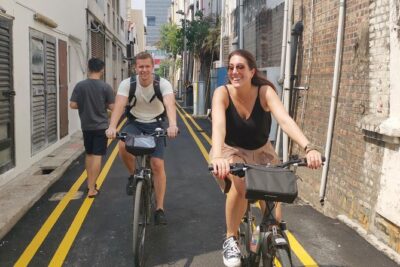
Historical Singapore Bike Tour on Full-Sized Bicycles
Read our review →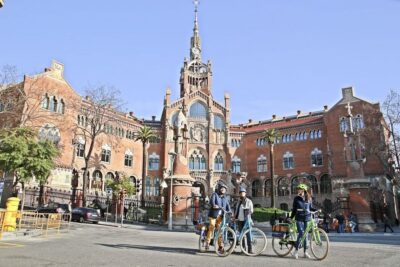
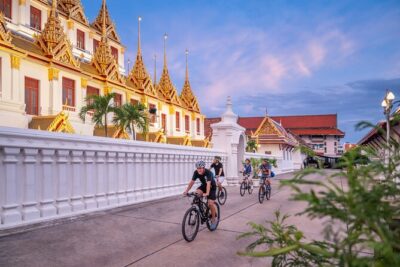
Night Bike Tour with Temples & Flower Market Visit
Read our review →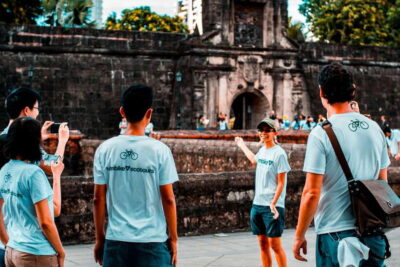
Intramuros, Manila: Historical Bamboo Bike Tour
Read our review →