
REVIEW · E-BIKE TOURS IN JAPAN
eTour de Matsumoto – Electric Bike Tour
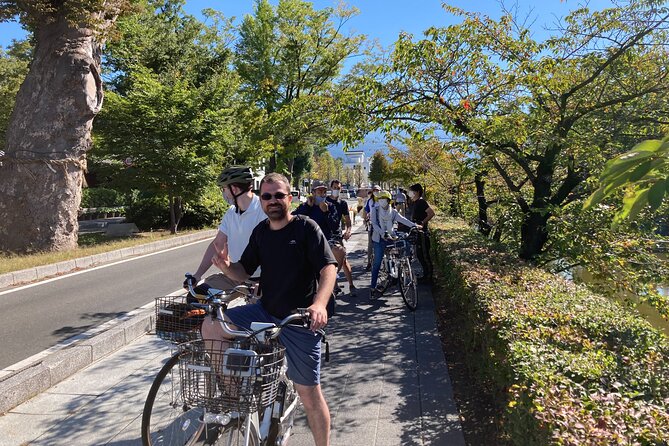
Matsumoto’s best views begin where the city thins out. On this four-hour e-bike ride, you pedal from the station toward shrines, rice fields, farmhouses, vineyards, and the Japanese Alps, then return through the city’s historic core. The electric assist helps keep the ride pleasant when the road rises or the day turns warm.
I like two things here: the mix of quiet countryside and major sights, and the relaxed pace, with regular stops for photos and local stories. If Kevin is your guide, you can expect a strong overview of the area and its past. The main consideration is the moderate physical effort. You still need to cycle for much of the tour, and lunch, snacks, water, insurance, and other safety gear are not included.
Key points before you book
- Four hours from Matsumoto Station: The tour starts and ends at 1 Chome-1 Fukashi, right by the station.
- Electric bike assistance: You get a bicycle and helmet, but you must bring any extra safety gear you want.
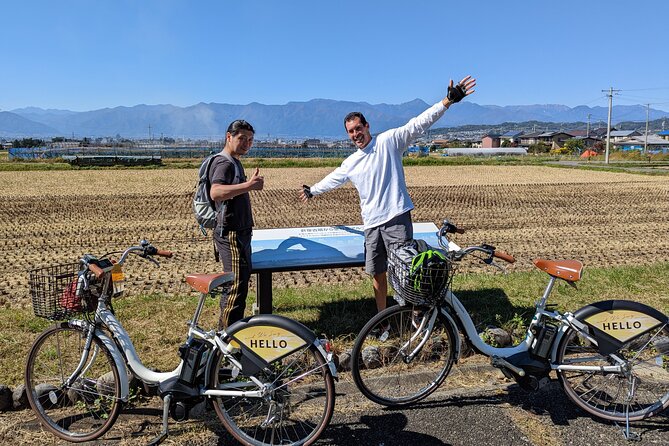
- Country roads near the Alps: Rice fields, vineyards, farmhouses, and the Susuki-gawa River give you a close look at rural Matsumoto.
- Four distinct stops: Fukashi Shrine, the Yamabe Valley area, Asama-Onsen Village, and Matsumoto Castle each show a different side of the city.
- Small group size: The maximum is eight people, which suits a conversational guided ride.
- Weather matters: Poor conditions can cancel the tour, with a new date or full refund offered.
Why an e-bike is the right way to see Matsumoto
Matsumoto is compact enough to explore by bicycle, but its character changes quickly beyond the central streets. One moment you are near the castle and station. Soon you are passing fields, old farmhouses, and open views toward the mountains. A standard bicycle could make that a tiring half-day. The electric bike gives you help when you need it without turning the ride into a motorized sightseeing trip.
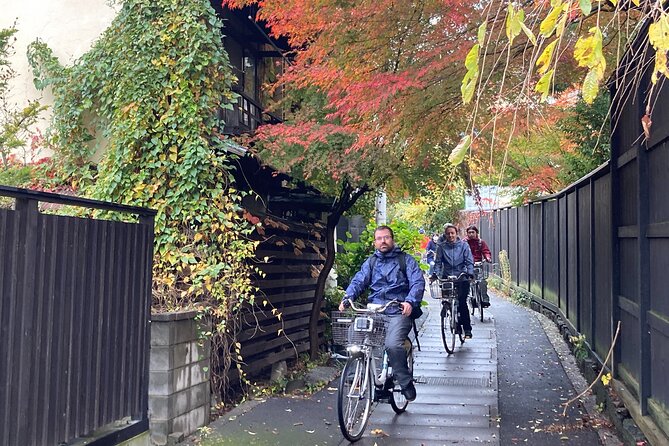
That balance matters. You still pedal, so you remain close to the sounds, smells, and small details of the countryside. You can pause at a shrine or stop beside a field without dealing with a bus schedule or sitting behind a window.
The pace is designed for discovery rather than speed. You will have breaks for sightseeing and photographs, which makes this a better fit for someone who wants context than for a cyclist chasing distance. The guide leads the way and explains the places you pass, including the area’s agricultural traditions and local history.
The group limit of eight is another plus. It is small enough for questions and simple enough for the guide to keep an eye on the group. This is not a private ride, so the exact mix of people can affect the rhythm, but the stated format is personal rather than crowded.
More E-Bike Tours in Japan
- Hidden Kyoto E-Biking tour
★ 5.0 · 1,843 reviews - Tokyo Top Highlights 3h Guided E-bike Tour
★ 5.0 · 714 reviews - 3h Tokyo E-Bike Tour: Hidden Gems, and Local Life with guide
★ 5.0 · 670 reviews
Starting at Matsumoto Station
The meeting point is Matsumoto Station, at 1 Chome-1 Fukashi. That is practical if you are staying in town or arriving by train, and the tour returns to the same point at the end. You do not need to arrange a separate transfer to a distant starting location.
Before setting off, you should have enough water, especially in summer. Bring sun protection and snacks, since lunch is not included and the tour lasts about four hours. The bicycle and helmet are provided. Helmets are required, and you should bring any additional safety equipment you feel you need.
The tour calls for moderate fitness. You do not need to be a serious cyclist, since the electric assistance and frequent breaks keep the outing manageable for most people. Still, this is an active tour, not a ride where you simply sit and watch. If you rarely cycle, you should be honest about your comfort on a bicycle before booking.
Fukashi Shrine and a quieter side of Matsumoto
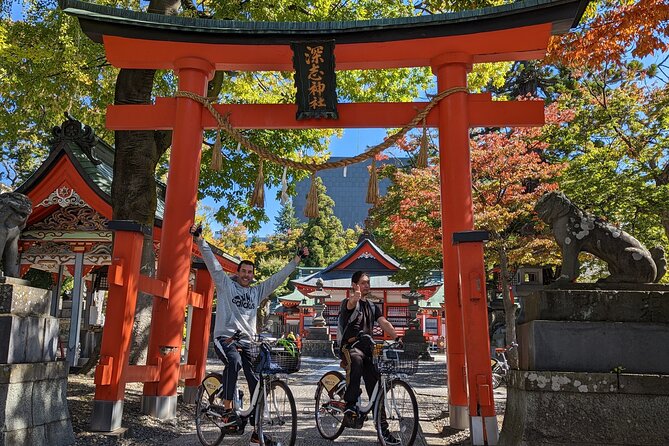
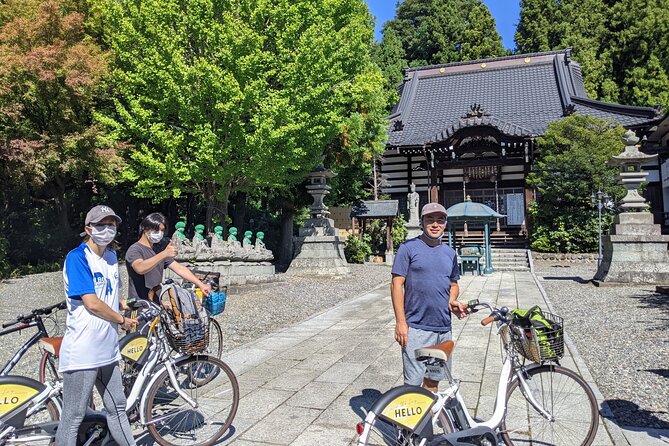
Fukashi Shrine gives the ride an early dose of local culture. It is dedicated to Suwamiyojin, associated with wind, water, and agriculture, and Tenjin, associated with scholarship. Tenjin also lends his name to the shrine’s best-known festival, Tenjin Matsuri.
This stop helps explain why a bicycle tour works so well here. You are not only moving between famous attractions. You are seeing the religious places that serve local communities and learning how farming, weather, education, and seasonal festivals connect in Japanese life.
The shrine is also a useful contrast with Matsumoto Castle. The castle is a headline attraction, while Fukashi Shrine offers a quieter setting and a less obvious stop for many first-time visitors. If you enjoy small historic sites and the stories attached to them, this part of the ride may be one of the most rewarding.
Do not expect a long formal visit with a large collection of displays. The value is in the place itself and in the guide’s explanation. Ask questions if you want more detail, since the tour is built around conversation and discovery.
The Susuki-gawa River and Yamabe Valley
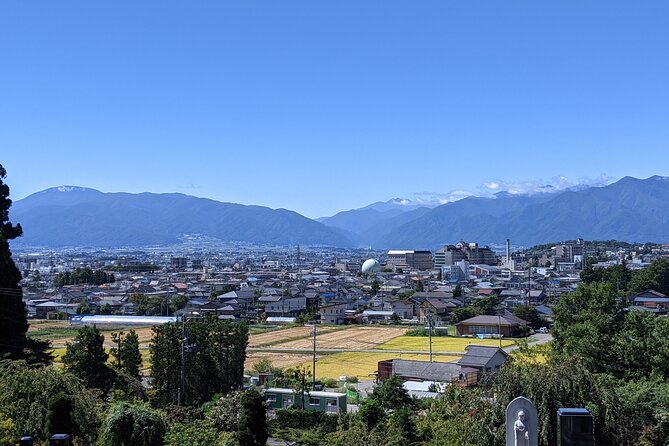
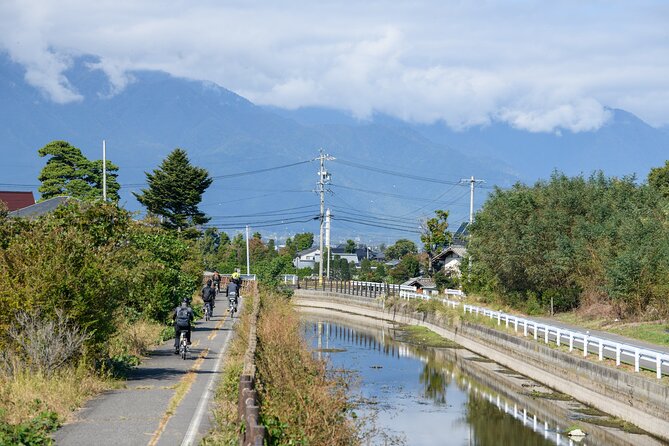
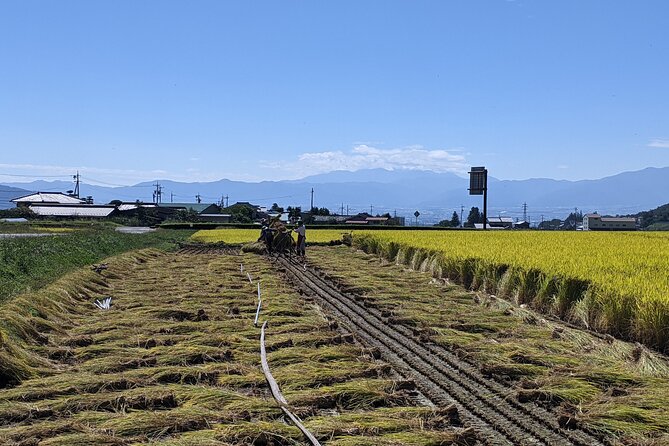
East of town, the Susuki-gawa River runs down from the mountains through vineyards and rice fields. The route reaches the Yamabe Valley, where the scenery becomes quieter and more open. Here, the ride moves away from the usual city sightseeing pattern and into the working countryside.
You may see traditional Japanese farmhouses and broad fields, with the Alps forming the backdrop. This is the part of the tour that gives you a better sense of Matsumoto as a place where people live and farm, rather than simply a base for visiting the castle.
The river and valley also create good moments to stop and take photographs. The scenery changes with the season, but the basic appeal remains: open air, mountain views, and a slower road through rural surroundings. You should not expect a wilderness ride. This is countryside close to a city, which is precisely what makes it accessible within a four-hour outing.
The tradeoff is that conditions can affect the experience. Rain, strong sun, or heat will be more noticeable once you are out among the fields, and there is limited protection built into a bicycle tour. Bring water and sun protection, and pay attention to the weather forecast.
Same roads, a different saddle:
- Tokyo Guided Small-Group Biking Tour
★ 5.0 · 1,250 reviews - Bike Tour Exploring North Kyoto plus Lunch
★ 5.0 · 1,087 reviews - Tokyo Great Cycling Tour
★ 5.0 · 811 reviews - Arashiyama Bamboo Forest & Hidden Gems Bike Tour (Early Bird)
★ 5.0 · 613 reviews
Asama-Onsen Village and Japan’s bathing culture
North of Matsumoto, Asama-Onsen Village introduces one of Japan’s most familiar traditions: the natural hot spring. Onsen are an important part of Japanese culture, and Asama is one of the area’s places to experience that connection with mineral-rich spring water and local bathing customs.
The stop is useful even if you are not planning to bathe. It adds cultural context to the ride and shows why Matsumoto is more than a castle town. The surrounding hot spring area has long been part of the region’s way of relaxing and receiving visitors.
Do note that the tour information does not promise entry to a bath. Treat Asama-Onsen as a sightseeing and cultural stop unless your guide tells you otherwise. Any admission or personal spending during the outing would be your responsibility.
That distinction matters when you compare this tour with a dedicated onsen experience. This ride gives you an introduction while covering more ground. It does not replace a slow afternoon at a bathing facility.
Matsumoto Castle after the countryside
Matsumoto Castle provides the grand historical finish. More than 400 years old, it is one of only five castles in Japan designated as a National Treasure. The others are Himeji, Hikone, Inuyama, and Matsue.
Seeing the castle after the rural ride gives it more meaning. You have already passed through the fields and settlements that form the area around the city. The castle then appears not as an isolated photo stop, but as the center of a historic town with farms, shrines, hot springs, and mountain routes around it.
The tour information identifies Matsumoto Castle as a stop, but it does not include castle admission. Miscellaneous fees are excluded, so check with your guide if you want to enter the keep or if the route only allows an exterior visit. The same advice applies to any food, drinks, or souvenirs.
The castle is one of Matsumoto’s busiest sights, so the cycling route can help you reach it with a fuller understanding of the city. Still, if your main goal is to spend a long time inside the castle, a separate visit may be worthwhile. Four hours must cover both the countryside and the historic center.
What the guide adds to the ride
The guide is central to the experience. Without local explanation, a shrine, farmhouse, rice field, or hot spring village can become a pleasant but vague backdrop. With guidance, the stops connect to agriculture, religious practice, festivals, and the development of Matsumoto.
Kevin has led this route and is specifically described as offering a strong overview of the Matsumoto area. If he is assigned to your departure, you can expect the ride to include both practical orientation and historical explanation. Guides can vary, so the exact style may differ, but the tour is clearly intended to be interactive rather than silent.
A good approach is to ask about the places you pass between the scheduled stops. The itinerary has enough variety that your questions can shape the experience. Ask about the castle’s role, the crops in the fields, the shrine’s festivals, or how onsen fit into daily life.
The English-speaking guide is included in the price, as are the bike and helmet. Insurance is not included, so arrange your own travel or private coverage if you want it.
Food, cost, and overall value
The price is $88.02 per person. That is not the cheapest way to see Matsumoto, but it covers about four hours of guided cycling, an electric bicycle, and a helmet. You are paying for access to the countryside and for the local interpretation that ties the stops together.
The value is strongest if you would otherwise spend money and time arranging several separate visits. The route combines a shrine, rural scenery, a hot spring village, and the castle in one outing. It also takes you beyond the most familiar city streets without requiring you to plan your own route.
Lunch is not included. One outing included a good soba lunch at a local restaurant, but you should not assume that meal is part of every departure. Bring snacks and water, and confirm any lunch plan with the guide. A meal, drinks, entry fees, souvenirs, and other personal costs are extra.
The tour is often booked about 33 days ahead, so it is sensible to reserve early if your Matsumoto dates are fixed. The small maximum of eight people can limit last-minute space, particularly in popular travel periods.
Free cancellation is available up to 24 hours before the start time. Cancellations or changes inside that window are not refunded or accepted. Since the ride requires good weather, a poor-weather cancellation offers either another date or a full refund.
Who should choose this Matsumoto bike tour?
I would choose this experience if you want to see more than Matsumoto Castle and prefer active sightseeing to a standard city walk. It suits people who enjoy photographs, local history, shrines, mountain views, and a moderate amount of exercise.
It is also a good choice for visitors with only part of a day. Starting and ending at the station keeps the plan simple, while the route reaches places that are less convenient to connect on foot.
You should think twice if you dislike cycling, need a fully indoor activity, or want a long castle visit with no other stops. The ride is relaxed, but it is still four hours outdoors. Summer heat, sun, and changing weather can shape the day.
Families and mixed-ability groups may find the electric assistance helpful, but every participant needs to be comfortable riding a bicycle. The tour is suitable for most people with moderate fitness, not for someone who cannot manage regular cycling.
Should you book it?
Book this tour if you want Matsumoto’s wider setting, not just its famous castle. The strongest reason to go is the combination of quiet agricultural scenery, local shrines, and clear mountain views with an English-speaking guide who can explain what you are seeing.
I would skip it only if your priority is a dedicated castle tour, a full onsen visit, or a food-focused experience. For an active half-day that joins the city to the countryside, $88.02 is a fair price, especially when the small group and electric bike make the route easier to manage.
FAQ
Where does the eTour de Matsumoto start?
The tour starts at Matsumoto Station, located at 1 Chome-1 Fukashi, Matsumoto, Nagano 390-0815, Japan.
Where does the tour finish?
The activity ends back at the meeting point at Matsumoto Station.
How long does the bike tour last?
The tour lasts approximately four hours.
What is included in the price?
An English-speaking guide, use of a bicycle, and a helmet are included.
Is lunch included?
No. Lunch is not included. Snacks, drinks, and other personal purchases are also your responsibility.
What fitness level is required?
The tour requires a moderate level of physical fitness. It includes a moderate amount of cycling and is intended to suit most fitness levels.
Are helmets provided?
Yes. Helmets are provided and must be worn during the ride. Additional safety gear is not included.
How many people can join the tour?
The maximum group size is eight travelers.
What happens if bad weather cancels the tour?
If poor weather causes a cancellation, you will be offered a different date or a full refund. You can also cancel for a full refund if you do so at least 24 hours before the experience starts.
Newest rides we have reviewed in Japan
- Afternoon Adventure: Okinawa Local Cycling with Spectacular Views★ 5.0 · 92 reviews
- Zodiac Shrines and Naha Backstreets Cycling Tour★ 5.0 · 29 reviews
- Iya Valley BROMPTON Slow Cycling Tour★ 5.0 · 28 reviews
- ONLY YOU in the Bamboo Forest! 4 hours E-bike tour with a local★ 5.0 · 45 reviews
- South Kyoto in a Nutshell: Gentle Backstreet Bike Tour!★ 5.0 · 225 reviews
- Pedal Adventure Kyoto’s iconic landmarks on an e-bike tour★ 5.0 · 189 reviews
- The Beauty of Kyoto by Bike: Private Tour★ 5.0 · 47 reviews
- Kyoto Bamboo Forest & Golden Pavilion E-Bike Tour★ 5.0 · 50 reviews
E-Bike Tours, compared.
3-Hour Porto Highlights on a Electric Bike Guided Tour
Read our review →
Hills, Alfama, and Mouraria Tour by Electric Bike
Read our review →
Athens Scenic Electric Bike Tour with optional Acropolis visit
Read our review →
City Highlights 3-Hour Guided Electric Bike Tour
Read our review →
Rome EBike Tour: Appian Way, Catacombs & Roman Aqueducts
Read our review →
Top Highlights & Hidden Gems Tour by Cannondale E-Bike
Read our review →Other lists this ride turns up in