
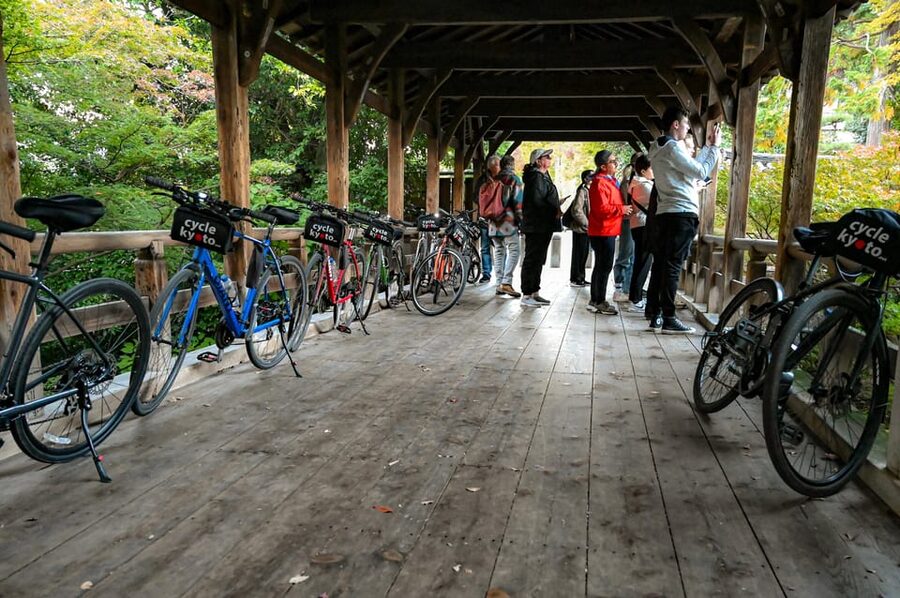
REVIEW · E-BIKE TOURS IN KYOTO
Kyoto: Early Bird E-Bike Tour with Lunch
Kyoto is at its best early in the day, and this tour uses that advantage well. You reach Fushimi Inari Shrine before the crowds, then link major sights by bike instead of spending the morning waiting for buses. The route covers a lot, but the electric bikes take the sting out of hills and long streets.
I like the mix of famous sights and ordinary Kyoto riding. A coffee stop at a local café gives the morning a human pace, while the ride beside the Kamo River, Shirakawa Canal, and through Gion shows you more than a string of temple gates. The small group, limited to eight, should also make it easier to ask questions and adjust the pace.
The main consideration is the length. Seven hours on a bicycle is a full day, even with motor assistance, and the tour is not suitable for people who cannot ride, pregnant women, or people with back problems. You will also want comfortable clothes, solid shoes, sunscreen, and possibly gloves.
Key points to know before booking
- Fushimi Inari comes first: Early timing gives you a better chance to enjoy its famous torii gates before the busiest part of the day.
- The route covers two sides of Kyoto: You visit southern sights such as Fushimi Inari and Tofukuji, then head north toward Ginkakuji before looping back through Gion.
- E-bikes matter here: The ride includes hills and a long distance, so electric assistance makes the day more approachable.
- Coffee and lunch are included: You get a morning café break and a sit-down meal, not just a quick snack between stops.
- The group is capped at eight: That is useful for a guided day with many temple stops and city streets.
- Guides bring different personalities: Recent tours have been led by Julian, Indra, Karl, and Carl, with praise for their flexibility, enthusiasm, and local detail.
Why an early start changes the Fushimi Inari visit
The tour begins at Cycle Kyoto with a 15-minute safety briefing and bike orientation. You should arrive 15 minutes early, since the group needs to get fitted with an e-bike and helmet before setting off.
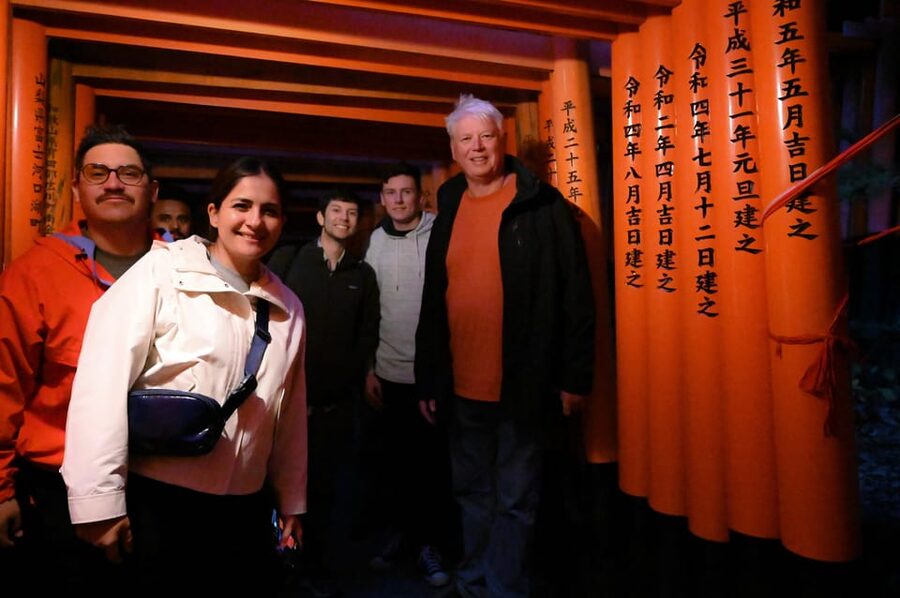
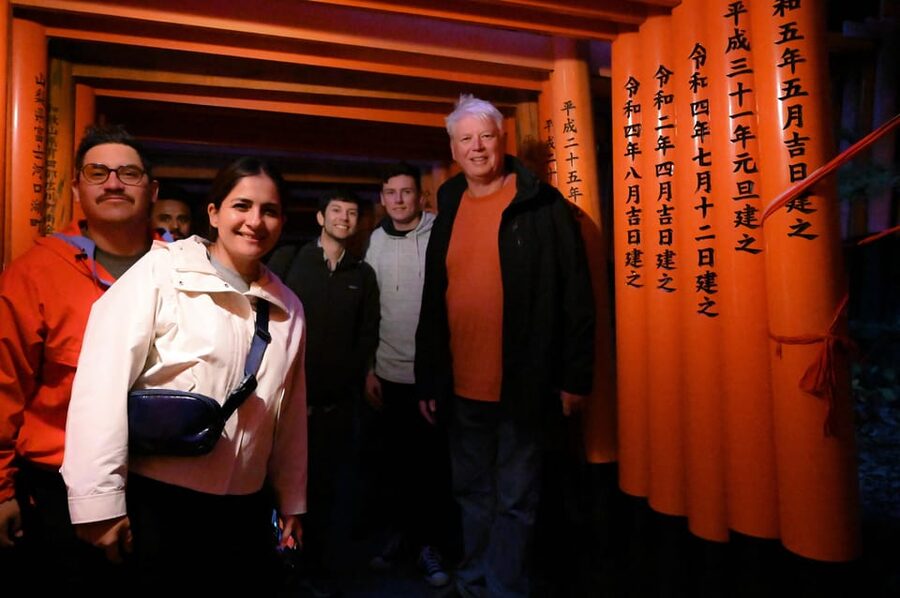
The first major stop is Fushimi Inari Taisha. Its thousands of orange torii gates climb the wooded hillside behind the shrine, creating one of Kyoto’s most recognizable scenes. The 45-minute guided visit gives you time to see the shrine grounds and understand how the site works as a place of worship, not simply a photo stop.
The early timing is the real prize. Fushimi Inari is one of Kyoto’s most visited sights, and reaching it at the start of a full-day route gives you a calmer first impression than arriving later in the morning. You should still expect other people, but the timing is designed to beat the heaviest crowds.
This is also a useful point to judge your comfort level. The tour includes cycling between stops, walking around temple grounds, and getting on and off the bike several times. If you prefer a slow morning with one attraction, this schedule may feel busy. If you want to see a lot in one day, the opening section gets you moving quickly.
More E-Bike Tours in Japan
- Hidden Kyoto E-Biking tour
★ 5.0 · 1,843 reviews - 5 Top Highlights of Kyoto Full Day Bike Tour (E-bike option)
★ 5.0 · 511 reviews - Kyoto: Memory Kyoto E-Bike Tour
★ 4.8 · 297 reviews
Tofukuji and the Kamo River: Kyoto between the temples
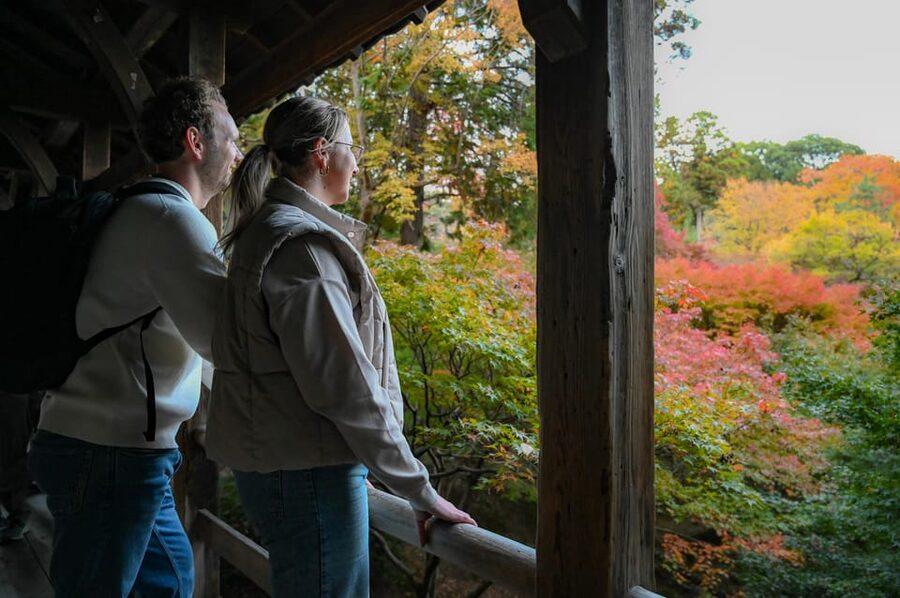
After Fushimi Inari, the route continues to Tofukuji Temple. The grounds are known for traditional temple architecture and seasonal scenery, and the stop adds a quieter counterpoint to Fushimi Inari’s strong visual drama.
The tour then makes its way toward the Kamo River. A 40-minute visit here gives you a change of scene: open river space, paths, bridges, and a look at how Kyoto’s residents use the city outside its formal religious sites. I like this part because it breaks up the temple visits. You are not simply moving from one ticket gate to the next.
Cycling also gives the route a better sense of place. On a bus, the city arrives in short glimpses through a window. By bike, you notice the shift between temple districts, river corridors, and residential streets. The tradeoff is that you share roads and paths with other traffic, so you need to follow the guide and stay alert.
A local café stop keeps the morning human
The 20-minute coffee break is modest, but it may be one of the most welcome parts of the day. You stop at one of the guide’s favorite local cafés rather than treating refreshments as an afterthought.
Morning coffee is included. Extra drinks and snacks are not, so bring some cash or another way to pay if you want more than the provided drink. The break also gives you a chance to ask your guide about Kyoto, the route ahead, or the places you have just seen.
Guide quality matters on a tour like this. Julian has been praised for his good humor and broad knowledge of Japan, while Indra has been singled out for making the day informative and serving a good lunch. Karl and Carl have also led the route, with Carl noted for offering interesting details beyond the usual guidebook material and allowing time for photos or coffee.
Guide assignments can change, so you should not book expecting one particular person. The useful point is that this is a live English-language tour, not a ride where you simply follow a route with no explanation.
Ginkakuji and the Path of Philosophy
The route continues up the Kamo River area and across to Ginkakuji, the Silver Pavilion. This UNESCO-listed temple is known for its refined gardens, restrained design, and the quiet beauty of its grounds. Despite its famous name, the pavilion itself is not covered in silver. The appeal is the setting and the careful balance of buildings, sand, moss, and plants.
The guided visit lasts about an hour, making it one of the longer stops. That is helpful because Ginkakuji rewards attention. You can look at the gardens, hear context from the guide, and avoid rushing through in the same way you might at a quick roadside stop.
After the temple, you roll slowly along the Path of Philosophy. This canal-side route is especially pleasant because the pace is naturally gentle. It links the temple area with Nanzenji and lets you enjoy Kyoto without the pressure of a tight road schedule.
The path can be busy, and it is not a place for fast riding. Stay close to the group, leave room for people on foot, and expect to slow down for photos. That slower pace is part of the attraction, but it also means the day is not a nonstop cycling workout.
More E-Bike Tours in Kyoto
- E-Bike Tours of the highlights of Kyoto!!!
★ 5.0 · 291 reviews - Kyoto: City Secrets eBike Tour
★ 4.9 · 196 reviews - Kyoto: Hidden Gems E-Bike Tour with Local Japanese Guide
★ 4.9 · 189 reviews - Historical Kyoto E-Bike Tour
★ 5.0 · 181 reviews
Nanzenji, Heian Shrine, and a proper lunch
Nanzenji brings together broad temple grounds, traditional gardens, ornate religious buildings, and the famous red-brick aqueduct. The aqueduct is an unusual sight in a city better known for wooden temples and tiled roofs. It gives the stop a different visual character and makes clear how old religious spaces and later infrastructure coexist in Kyoto.
The guided portion at Nanzenji lasts about 35 minutes. You will have enough time to get the main story and see the best-known features, though not every corner of the wider grounds. If you are especially interested in Zen temples, you may wish you had more free time here.
The route also includes Heian Shrine, with a 30-minute visit. Its large entrance gate and broad grounds provide a change from the tighter paths around Ginkakuji and Nanzenji. The stop helps round out the morning and gives you another important religious site without requiring a separate bus trip.
Lunch is a 40-minute sit-down meal at a local restaurant. This is a real advantage on a seven-hour ride. You get time to eat properly, rest your legs, and talk with the guide and the group rather than trying to manage the whole day with convenience-store food.
The exact menu is not specified, so do not book this expecting a particular dish. Lunch is included, but snacks and extra drinks are not. If you have dietary needs, check with the operator before booking rather than assuming the restaurant can accommodate them.
Shirakawa Canal and the streets of Gion
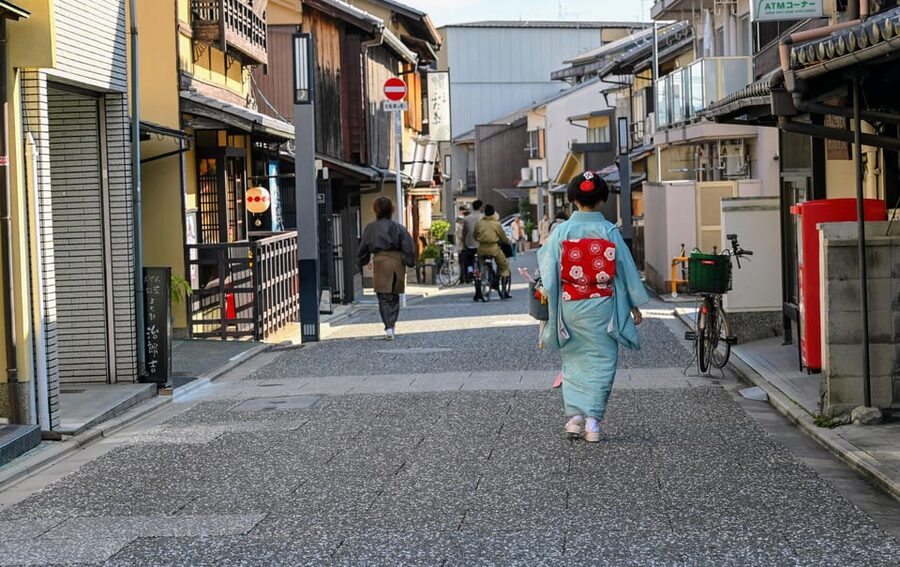
The final part of the route heads south along the Shirakawa Canal and into Gion. This is one of the tour’s strongest city-riding sections. The canal, traditional streets, and older buildings give you a feel for Kyoto’s famous geisha district without making the entire experience about formal sightseeing.
Gion is a working neighborhood as well as a popular sightseeing area. Ride carefully, keep your voice down, and treat private entrances and people going about their business with respect. The 50-minute guided visit gives you time to see the district with context rather than wandering without knowing what you are looking at.
Cycling through Gion is also practical. The area can be awkward to cover by bus, and walking from one end to another takes time. An e-bike lets you connect Gion with the other southern and eastern sights while still moving slowly enough to notice the details.
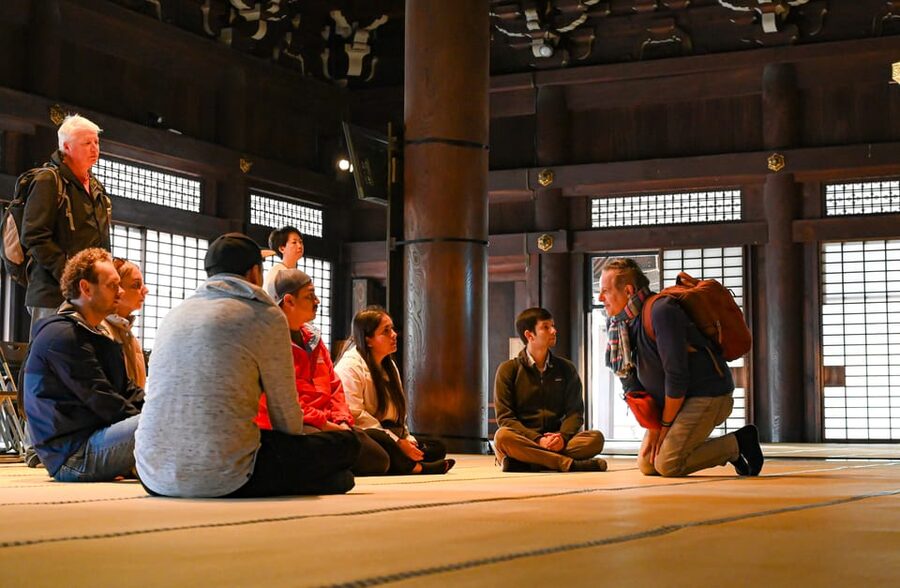
The route finishes with a visit to Higashi Honganji Temple before returning to Cycle Kyoto. The 50-minute guided stop is a substantial final visit, not merely a quick photo outside. By the end, you have seen major temples, a shrine, river paths, a canal, a historic district, and several types of Kyoto street life.
What the $135 price includes
At $135 per person, this is not the cheapest way to see Kyoto. It is also more than a basic bicycle rental because the price includes the e-bike, helmet, live English-speaking guide, morning coffee, sit-down lunch, and water.
The value depends on how you like to travel. If you want to arrange every stop yourself and are comfortable navigating Kyoto by bicycle, you can spend less. You will then need to rent a bike, plan a long route, manage directions, choose lunch, and handle the timing at several major sights.
For you, the strongest value is the amount packed into seven hours. A recent participant described the day as manageable rather than exhausting, while also pointing out that electric assistance is important because of the uphill sections. That is a useful warning: the motor helps, but it does not turn the ride into a passive sightseeing bus.
You also pay for structure. The guide keeps the group moving, explains what you are seeing, and can adapt the time at a stop when the group wants more photos or information. One guide has been praised for being flexible about how long the group stayed at particular places. That matters on a route with so many stops.
Fitness, clothing, and meeting details
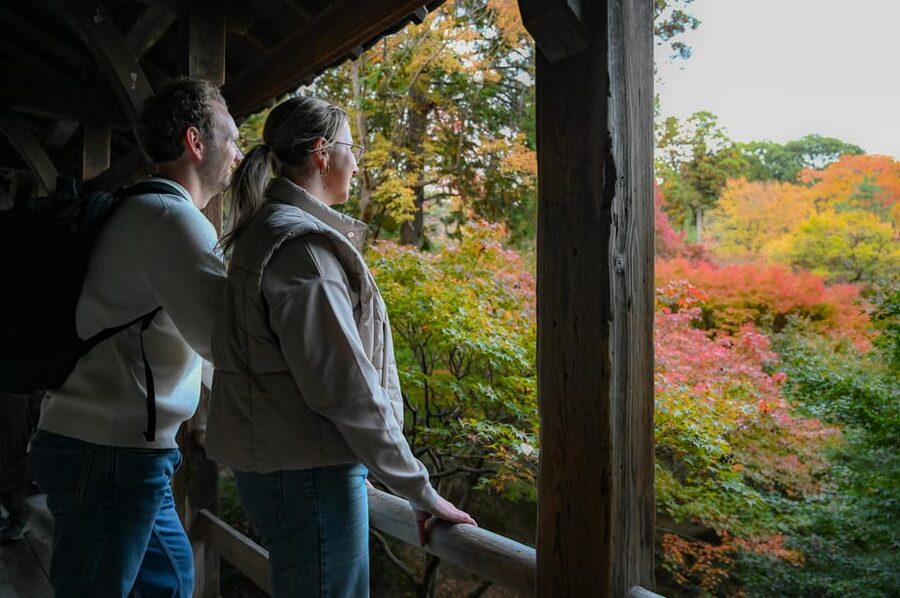
You need to be able to ride a bicycle confidently for a full day. The tour is not suitable for people who cannot ride, pregnant women, or people with back problems. Even with an e-bike, expect repeated mounting, dismounting, walking, and time in the saddle.
Wear comfortable clothing and shoes suitable for biking. Warm clothing, a hat, sunscreen, and gloves are specifically recommended, so prepare for changing conditions rather than dressing only for the morning temperature. Bring water, though water is included, and pack a camera if you want photos of the temples, canal, and river routes.
There is no hotel pickup or drop-off. The meeting point is Cycle Kyoto, reached from JR Kyoto Station by walking past Avanti, crossing at the traffic lights, passing the Daily Yamazaki convenience store, and taking the next left. Allow enough time to find it and arrive 15 minutes before departure.
Smoking, alcohol, and drugs are not allowed during the activity. Free cancellation is available up to 24 hours before the start, and you can reserve now and pay later, which helps if your Kyoto schedule is still moving around.
Who should book this Kyoto e-bike tour?
I would choose this tour if you have one full day for eastern and southern Kyoto and want a guide to handle the route. It suits active visitors who want major temples but also care about river paths, canals, neighborhood streets, coffee, and lunch.
It is especially useful early in a Kyoto visit. The guide can give you a broad map of the city, and the mix of famous and less formal settings helps you decide where to return on your own. The small group is a good fit if you like asking questions without joining a large bus tour.
I would think twice if you dislike cycling, have back trouble, or want long, unhurried visits at each temple. Seven hours is a lot of ground to cover, and the schedule favors variety over extended quiet time at one site.
FAQ
How long is the Kyoto e-bike tour?
The tour lasts seven hours, including the safety briefing, sightseeing stops, coffee break, lunch, cycling time, and return to Cycle Kyoto.
What language is the tour conducted in?
The live tour guide speaks English.
How many people are in the group?
The tour is limited to eight participants.
Is lunch included?
Yes. A sit-down lunch at a local restaurant is included. Extra drinks and snacks are not included.
Is coffee included?
Yes. The tour includes a morning coffee at a local café.
What should I bring?
Bring comfortable clothes, shoes suitable for biking, warm clothing, a hat, sunscreen, gloves, and a camera. Water is included, but you should still take care to stay hydrated.
Where does the tour meet?
You meet at Cycle Kyoto. From JR Kyoto Station, walk past Avanti, cross at the traffic lights, pass the Daily Yamazaki convenience store, and take the next left.
Should you book it?
Book this tour if you want a well-organized, active day that connects Fushimi Inari, Tofukuji, Ginkakuji, Nanzenji, Heian Shrine, Gion, and Higashi Honganji without figuring out Kyoto’s transport system yourself. The early start, e-bike assistance, small group, coffee, and proper lunch make the $135 price easier to justify.
Skip it if your ideal temple day is slow and quiet, or if seven hours of cycling sounds tiring. For the right rider, though, this is an efficient way to see a wide slice of Kyoto while still getting local streets, river paths, and useful stories along the way.
More Rides with Lunch in Kyoto
- Bike Tour Exploring North Kyoto plus Lunch
★ 5.0 · 1,087 reviews - 4.5-Hour Kyoto Bike Tour with Lunch and UNESCO Zen Temples
★ 5.0 · 122 reviews - Kyoto: Full-Day City Highlights Bike Tour with Light Lunch
★ 5.0 · 52 reviews - Electric Cycling Tour of Ubud with Free Hotel Transfer and Lunch
★ 5.0 · 1,397 reviews
Newest rides we have reviewed in Kyoto
- Best of Kyoto: Ginkakuji & Path of Philosophy E-Bike Tour★ 4.9 · 79 reviews
- Kyoto: Tailored E-Bike Tour to Highlights & Hidden Gems★ 4.9 · 32 reviews
- Kyoto: Full Day Bike Tour★ 4.9 · 39 reviews
- Kyoto: Half-day Guided Bike Tour with Fushimi Inari★ 4.9 · 21 reviews
- Kyoto: Full-Day City Highlights Bike Tour with Light Lunch★ 5.0 · 52 reviews
- Cycle Kyoto’s Hidden Gems & Gion Stroll★ 5.0 · 29 reviews
- Kyoto: Arashiyama Bamboo Forest Morning Tour by Bike★ 5.0 · 115 reviews
- Kyoto: Afternoon Bamboo Forest and Monkey Park Bike Tour★ 4.9 · 83 reviews
E-Bike Tours, compared.
3-Hour Porto Highlights on a Electric Bike Guided Tour
Read our review →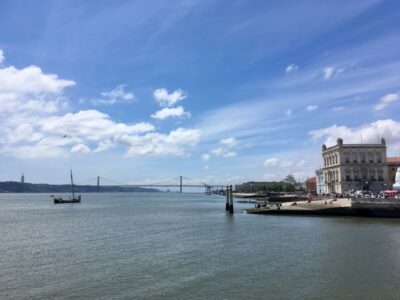
Hills, Alfama, and Mouraria Tour by Electric Bike
Read our review →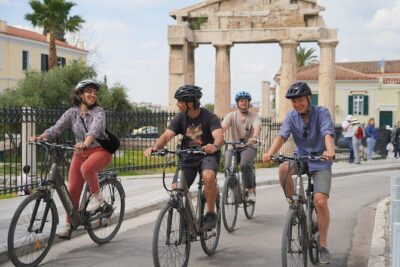
Athens Scenic Electric Bike Tour with optional Acropolis visit
Read our review →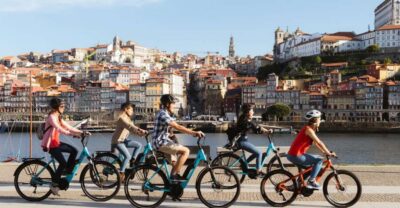
City Highlights 3-Hour Guided Electric Bike Tour
Read our review →
Rome EBike Tour: Appian Way, Catacombs & Roman Aqueducts
Read our review →
Top Highlights & Hidden Gems Tour by Cannondale E-Bike
Read our review →Other lists this ride turns up in