
REVIEW · HIROSHIMA
Hiroshima Country Cycling: Explore Rural Life 1 HR from City
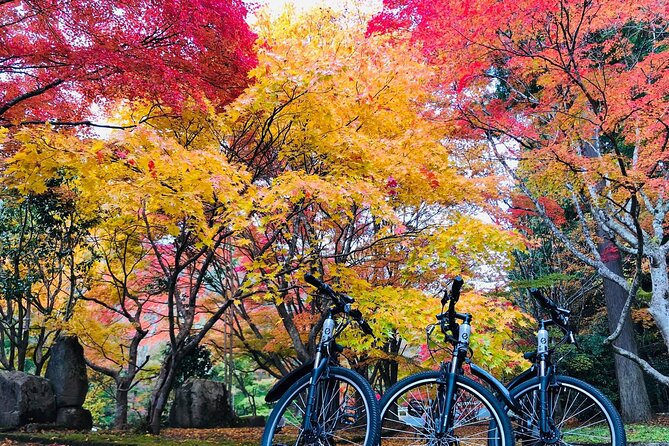
The best part of this tour is the change of pace. About an hour from central Hiroshima, you trade city streets for steep country roads, rice fields, and old farming villages. The electric bike matters here: it takes the sting out of the hills and lets you focus on the scenery and local life.
I like the small maximum group of eight, which gives guide Jonah room to explain what you are seeing. I also like the included bike, helmet, insurance, and water refill stops. The main catch is cost and access: the advertised $85.39 price does not include the ¥3,560 round-trip bus fare or lunch, and you must reach the Oasa meeting point on your own.
Key points at a glance
- Electric bikes handle the hills: You need to ride independently, but the motor makes the route far less demanding.
- Four rural stops show different sides of Oasa: Kakeyama offers hill riding, Doitaya shows traditional farm life, Aino Sato provides lunch, and Oasa reveals a quiet old main street.
- The group stays small: No more than eight people join, making it easier to hear the guide and keep the ride relaxed.
- Lunch changes by season: From April through November, lunch is at Aino Sato Herb Garden. From December to March, the meal may be sushi at a farmhouse.
- Jonah handles the practical details well: He provides clear bus and pickup information, and he even carried a poncho for a guest caught in rain.
- Budget beyond the headline price: Add the bus and meal costs before deciding if this fits your Hiroshima plans.
Why leave Hiroshima city for Oasa?
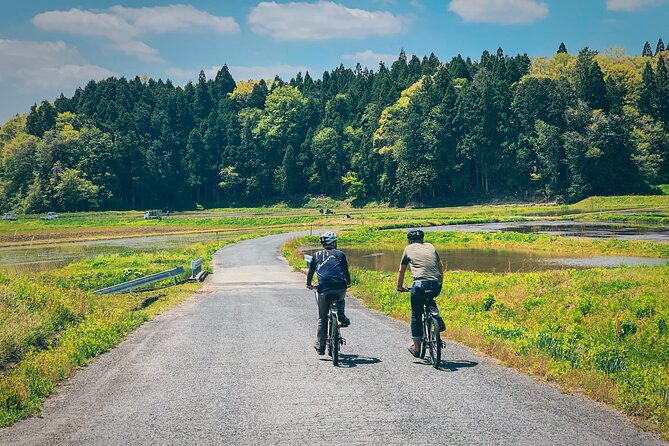
Hiroshima is rightly associated with its Peace Memorial Park, Miyajima, and the food stalls of the city center. Those sights matter, but they show only one part of the prefecture. Oasa gives you a quieter look at Hiroshima, where farming villages, streams, older wooden homes, and small-town streets shape the day.
The route is not about ticking off grand monuments. It is about noticing the details between them: rice paddies, village buildings, local produce, and the slower rhythm of a rural community. That makes the tour a good choice if you have already seen the city’s main sights and want a different kind of Japan.
You should also set your expectations correctly. This is not a high-speed cycling trip or a strenuous mountain ride. The pace is laid-back, with regular stops and time for explanations. You will still need a moderate level of fitness and the ability to ride a bicycle without assistance, but the e-bike reduces the hardest part of the route.
More Countryside Cycling Tours in Japan:
- 1-Day Private Rural E-Bike Tour in Hida
★ 5.0 · 188 reviews - Cai Be Mekong Delta Tour: Cooking Class, Cycling & Craft Villages
★ 5.0 · 1,881 reviews - Countryside Bike Tour from Amsterdam: Cheese, Clogs & a Windmill
★ 5.0 · 1,485 reviews
Getting to the 10 a.m. start at Oasa I.C.
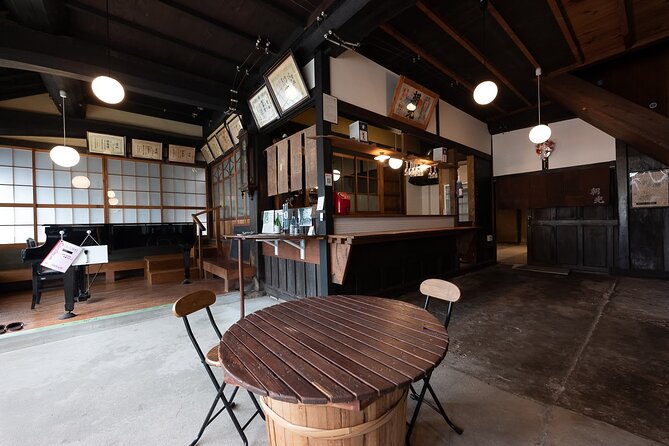
The tour begins at the Oasa I.C. bus stop, at 2310 Shinjō, Kitahiroshima, Yamagata District, Hiroshima 731-2103. The activity ends at the same place, so you will need to plan both the outward and return bus journeys.
The round-trip highway bus fare between Hiroshima and Oasa is ¥3,560. That is a meaningful extra cost, especially for solo visitors comparing this tour with city-based activities. Still, the bus is part of what makes the outing possible: it carries you from the urban center into a very different setting without requiring a rental car.
The start time is 10 a.m., and the ride lasts about four hours. Read the bus information carefully when you book. One of the practical strengths of guide Jonah is that he provides clear information about the bus schedule and pickup arrangements, which matters when you are coordinating a day trip outside the city.
Arrive ready to ride rather than treating the bus transfer as an afterthought. Bring a water bottle, since refill stations are available along the route but you are expected to bring your own bottle. Wear clothes that allow easy movement, and remember that the tour can be canceled in poor weather.
Kakeyama: let the electric bike do the climbing
The first section takes you through Kakeyama, where the route includes steep hills. This is the point at which the electric bike earns its keep. The motor gives you extra power on climbs, so the ride feels more accessible than a standard bicycle would.
You do not need previous e-bike experience, but you do need to control the bicycle yourself. Take a little time at the start to get used to the assistance, brakes, and steering. The goal is not to race uphill. Let the motor work, settle into a comfortable pace, and enjoy the changing view.
Kakeyama is a useful early test of your fitness and confidence. If you are uneasy on bicycles, the hills may still feel demanding even with electric assistance. The minimum height is 140 centimeters, and every participant must be able to ride independently. This is not a pedal-powered sightseeing vehicle where you can simply sit back.
For most people who meet those requirements, the e-bike should make the route enjoyable rather than punishing. It allows the guide to take you into parts of the countryside that would be harder to reach on foot and less interesting from a bus window.
Doitaya: rice fields, streams, and older village life
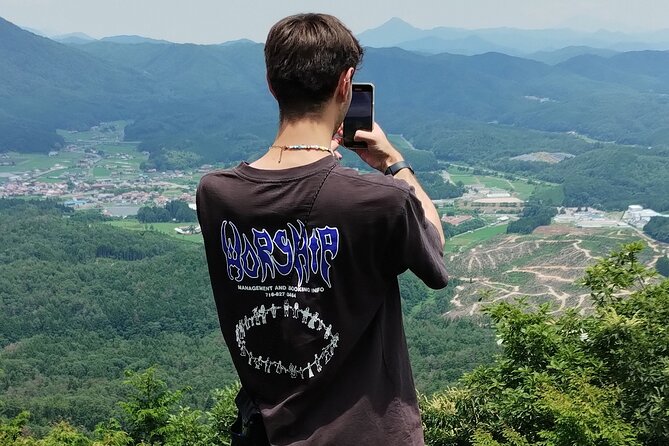
Doitaya brings the tour’s rural character into focus. The area has kept much of its traditional appearance, with quaint homes, rice fields, and streams where wildlife can be found. You get a better sense here of how a farming community is arranged, rather than seeing only isolated scenic views.
This is the kind of stop where the guide’s local explanation adds real value. Jonah can help connect the buildings and fields to everyday life, giving you context that you would likely miss while cycling alone. The route is not just about attractive scenery. It shows how a village functions and how older patterns of settlement remain visible.
The hour allocated here also helps keep the day from becoming a rushed photo stop. You have time to look around and listen, while the small group keeps the mood personal. A maximum of eight people is a practical advantage on narrow rural roads and makes it easier to hear the guide without crowding around him.
Doitaya may be less rewarding if you want a packed schedule of famous sights. Its appeal is quiet and observational. You are coming to see ordinary rural Japan, not a major attraction with a long list of exhibits.
More Cycling Trips in Japan:
- Hidden Kyoto E-Biking tour
★ 5.0 · 1,843 reviews - Tokyo Guided Small-Group Biking Tour
★ 5.0 · 1,250 reviews - Bike Tour Exploring North Kyoto plus Lunch
★ 5.0 · 1,087 reviews - Tokyo Great Cycling Tour
★ 5.0 · 811 reviews
Aino Sato Herb Garden and the cost of lunch
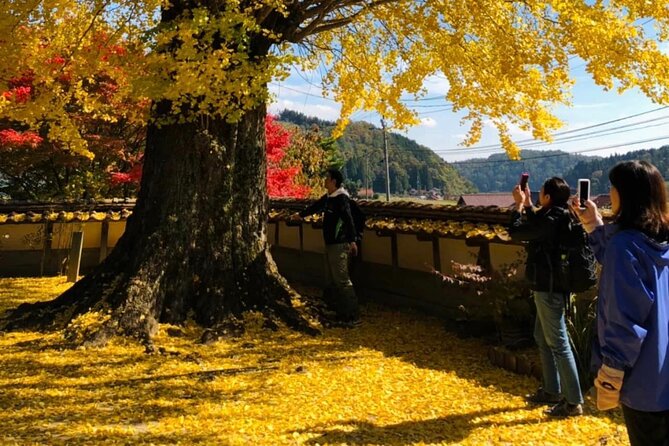
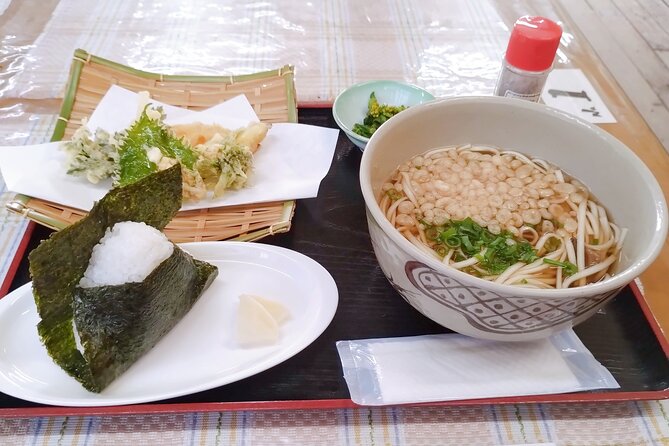
Lunch is served at Aino Sato Herb Garden for much of the year. The restaurant uses locally grown vegetables and edible flowers, with produce raised without harmful pesticides according to the tour information. The meal costs ¥900 to ¥1,250 per person and is not included in the advertised tour price.
That extra charge is worth noting when you work out the real budget. At $85.39 per person, the tour already sits above many short city activities. Add ¥3,560 for the bus and up to ¥1,250 for lunch, and the total becomes closer to a full-day excursion price, even though the guided portion lasts about four hours.
Still, lunch is not a random stop at a roadside chain. It fits the subject of the tour by connecting the meal to local growing and country life. If you care about food and regional ingredients, this part gives the outing more substance than simply carrying a packed snack.
Vegan lunch is available if you request it at least three days in advance. Make that request before the deadline, since it is not something to assume can be arranged at the last minute.
From December through March, the plan may change to a sushi lunch at a farmhouse. That seasonal variation gives winter departures a different character, but it also means you should check which lunch applies to your date and budget accordingly. The sushi lunch costs ¥2,000 per person, making winter meals notably more expensive than the herb garden option.
Oasa’s old main street and a slower final stop
The final stop is Oasa, whose main street was once a busy center for shops and local activity. Today it is quieter, with old buildings still showing the town’s former prosperity and a handful of shops continuing to serve the community.
I like this stop because it avoids presenting rural Japan as a postcard frozen in time. Oasa is a living small town, and its quiet streets reflect change as much as tradition. You see what remains, but you also see the effects of a slower population and reduced commercial activity.
The old buildings give the stop visual interest, while the remaining shops provide a reminder that this is not simply a stage set for visitors. Do not expect a long shopping session or a major entertainment district. The pleasure comes from walking or cycling through a place with a modest, unhurried feel.
The full route returns you to the original meeting point. That makes the finish simple, but it also means the day does not end in central Hiroshima. Leave enough time for the return bus and avoid booking a tight evening reservation immediately after the tour.
What the small group changes
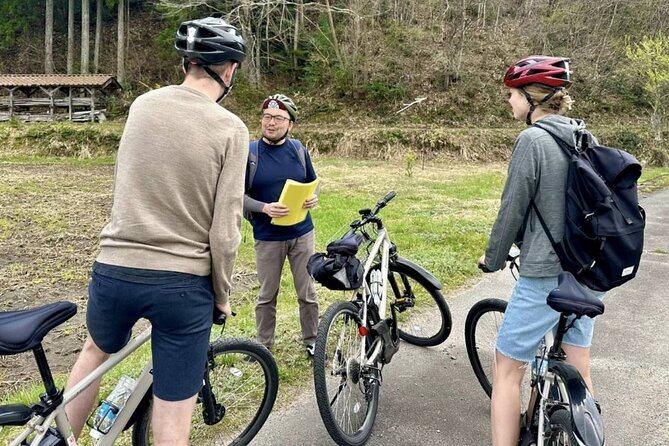
With no more than eight people, this tour has room for conversation. That matters in rural areas, where a guide can point out small details and answer questions without turning every stop into a public announcement.
Guide Jonah is named in the guest feedback, along with his wife, who sometimes helps with the tour. His practical care also comes through in the details: during one rainy outing, he brought a poncho for a participant. That does not make the tour weatherproof, but it suggests useful preparation and personal attention.
The rain example is also a reminder to check the forecast. The tour requires good weather and may be canceled if conditions are poor. In that case, you are offered another date or a full refund. If the forecast looks uncertain, pack sensible rain protection anyway, but do not assume the ride will operate in bad conditions.
A small group does not guarantee silence or a private tour. You may share the day with other cyclists, and the pace will need to suit the group. The upside is a more relaxed ride than a large bus tour, with less time spent waiting for people to gather.
Is the $85.39 price fair?
The listed price covers the bicycle, helmet, guide fee, accident insurance, and water refill stations. Those inclusions remove several practical worries. You do not need to rent equipment separately, and you have coverage while taking part in the activity.
The real price is higher once you add transport and food. Plan on another ¥3,560 for the highway bus, then ¥900 to ¥1,250 for lunch at the herb garden. A winter sushi lunch is ¥2,000. Group discounts may be available, but the information provided does not specify the discount amount, so check it before booking.
I would judge the value by the kind of day you want. If you only want a cheap way to pedal around, the total may feel high. If you want a guided outing that combines transport access, an e-bike, local interpretation, a meal, and several rural areas in one organized morning and afternoon, the price is easier to defend.
The tour is also useful for visitors without a car. Reaching small villages independently can take planning, and a guide helps connect the bus ride, bike route, and meal into one plan. You are paying not only for pedaling, but for access to a part of Hiroshima that is easy to skip.
Who should book this rural cycling day?
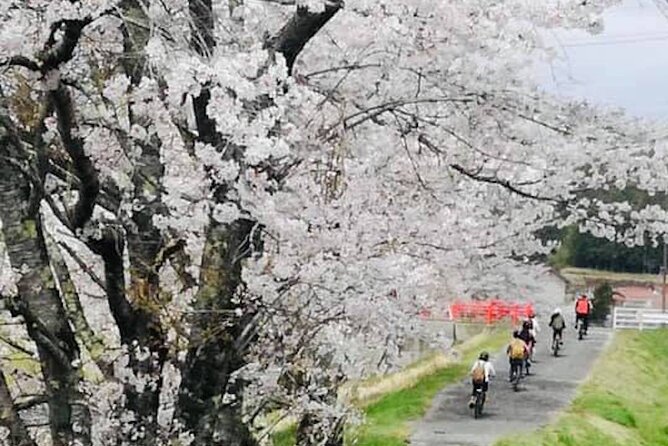
I would recommend it to you if you enjoy active sightseeing but do not want a hard athletic ride. The motor assists on hills, while the regular stops and four-hour schedule keep the day manageable for people with moderate fitness.
It suits solo visitors, couples, and small groups who want a personal guide and a slower look at Japan. It is especially useful after the main Hiroshima attractions, when you are ready to see farming villages and small-town life instead of another famous landmark.
You should think twice if you dislike cycling, have trouble controlling a bicycle, or want a fully flexible day. Every participant must ride alone, and the 140-centimeter minimum height applies. The tour also requires a commitment to the bus timetable and the fixed 10 a.m. start.
Families should check the height and riding requirements for every child before booking. The activity is not described as a child-focused tour, and no participant can be carried or simply ride as a passenger.
Useful booking details before you commit
Confirmation is provided when you book, and the meeting point is near public transportation. Bring your own water bottle, since several refill stations are available but bottles are not listed among the included equipment.
Free cancellation is available up to 24 hours before the local start time. Cancellations or changes made inside that window are not refunded or accepted. If poor weather forces the operator to cancel, you can choose another date or receive a full refund.
Book vegan lunch at least three days ahead. Also check the seasonal meal plan, especially if you are visiting between December and March. The winter sushi lunch costs more than the herb garden meal.
The activity is often reserved well ahead, with an average booking lead time of 61 days. That is useful planning information if your Hiroshima dates are fixed. Since the group is capped at eight people, waiting until the last minute could reduce your options.
Should you book the Oasa e-bike tour?
Book it if you want rural Hiroshima rather than another city attraction, can ride a bicycle confidently, and are comfortable adding the bus and lunch costs to the base price. The e-bike makes the hills approachable, while Doitaya, Aino Sato, and Oasa give the day a clear sense of place.
Skip it if your schedule is tight, your budget is limited, or rain would seriously disrupt your plans. This is not the cheapest way to spend four hours, and the bus journey requires careful timing.
For the right person, though, this is a thoughtful change from the standard Hiroshima route. You pedal through working countryside, eat food connected to the area, and see a small town at its own pace. That is a worthwhile trade for a little extra planning.
FAQ
How long does the Hiroshima country cycling tour last?
The activity lasts approximately four hours, beginning at 10 a.m. and ending back at the Oasa I.C. bus stop.
Where does the tour start and finish?
It starts and finishes at the Oasa I.C. bus stop, located at 2310 Shinjō, Kitahiroshima, Yamagata District, Hiroshima 731-2103, Japan.
Is transportation from Hiroshima city included?
No. The highway bus between Hiroshima and Oasa costs ¥3,560 round trip and is not included in the tour price.
Is lunch included?
No. Lunch at Aino Sato Herb Garden costs ¥900 to ¥1,250 per person. From December through March, the meal may be sushi at a farmhouse for ¥2,000 per person.
Can I join if I have never used an electric bike?
Yes, you can use the electric bike without previous e-bike experience, but you must be able to ride a bicycle on your own. A minimum height of 140 centimeters is required.
Is vegan lunch available?
Yes. Vegan lunch can be arranged if you request it at least three days before the tour.
What happens if the weather is bad?
The activity requires good weather. If the operator cancels because of poor conditions, you can choose another date or receive a full refund. You can also cancel for a full refund if you do so at least 24 hours before the local start time.
Newest rides we have reviewed in Japan
- Afternoon Adventure: Okinawa Local Cycling with Spectacular Views★ 5.0 · 92 reviews
- Zodiac Shrines and Naha Backstreets Cycling Tour★ 5.0 · 29 reviews
- Iya Valley BROMPTON Slow Cycling Tour★ 5.0 · 28 reviews
- eTour de Matsumoto – Electric Bike Tour★ 5.0 · 16 reviews
- ONLY YOU in the Bamboo Forest! 4 hours E-bike tour with a local★ 5.0 · 45 reviews
- South Kyoto in a Nutshell: Gentle Backstreet Bike Tour!★ 5.0 · 225 reviews
- Pedal Adventure Kyoto’s iconic landmarks on an e-bike tour★ 5.0 · 189 reviews
- The Beauty of Kyoto by Bike: Private Tour★ 5.0 · 47 reviews
Countryside Cycling Tours, compared.
Windmill, Cheese, and Countryside E-Bike Tour
Read our review →
Siem Reap Countryside Bike Tour / E-Bike or Tuk Tuk
Read our review →
Mekong Day Trip Explore Village Bicycle CookingClass Group 12 Pax
Read our review →
Hoi An Countryside: Guided Morning or Afternoon Bicycle Tour
Read our review →

Rice Terraces & Villages Half-Day Fat Tire E-Bike Tour
Read our review →
Cheese, Canals & Windmill Countryside E-Bike Tour Amsterdam
Read our review →Other lists this ride turns up in