REVIEW · HIDDEN GEMS BIKE TOURS IN TOKYO
Tokyo: 3-Hour Bike or E-Bike Tour of City’s Hidden Gems
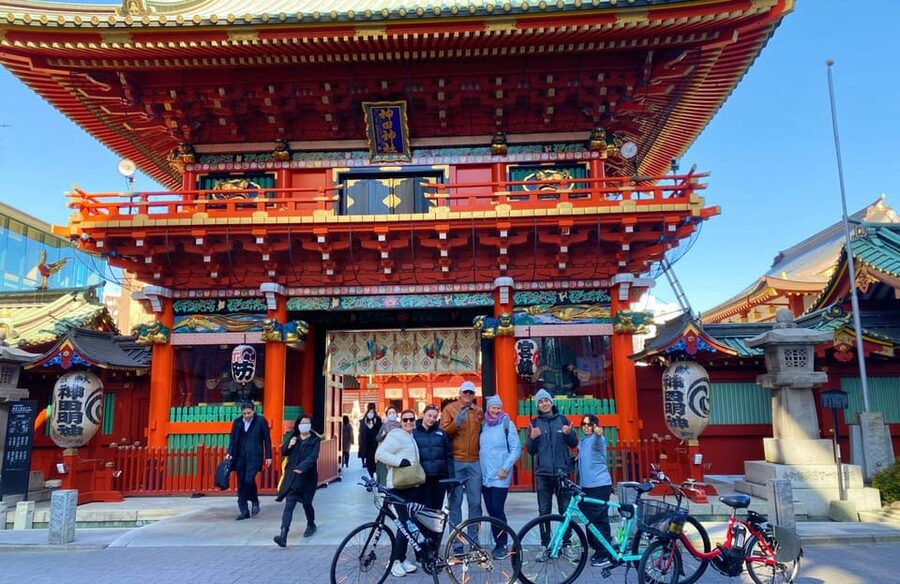
Tokyo reveals its character quickly from a bicycle. In three hours, you move from the temple grounds of Zojo-ji to the Imperial Palace, Akasaka, Cat Street, Miyashita Park, and Shibuya Crossing. You cover far more ground than you could on foot, while still stopping to hear the story behind each place.
I like the good-quality Bianchi and Fuji bikes, and I like the way the route mixes major sights with quieter streets. Guides such as Shin, Casey, Naoki, and Miguel have been praised for clear explanations, safe riding, and a friendly manner. The main drawback is that this is a cycling tour first, not a series of long interior visits. Some stops last only a few minutes, and the route can feel like a workout.
Key points at a glance
- Three hours by bike: A smart way to connect central Tokyo sights that are too far apart on foot.
- Bianchi, Fuji, and e-bikes: Pick an e-bike if you do not cycle often or worry about stamina.
- A strong history-to-modernity route: Zojo-ji, the Imperial Palace, Akasaka Palace, Cat Street, and Shibuya all appear in one outing.
- Small groups and private options: A smaller ride makes city cycling and guide conversations easier.
- Bring cash for a helmet: Helmets are available for ¥1,000 per person, but they are not included.
- A workout with photo stops: You will ride extended stretches, then get short guided breaks at key locations.
Why three hours on a bike works in Tokyo
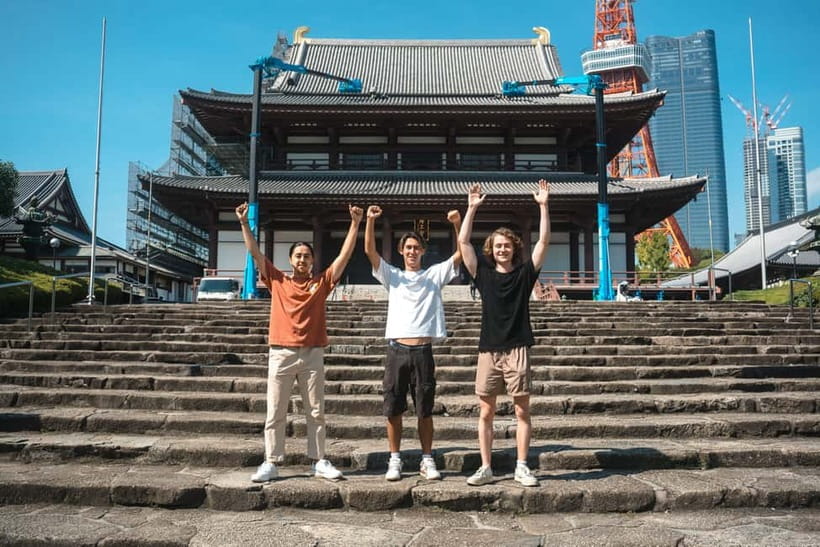
Tokyo is too large to understand one neighborhood at a time if you have only a short visit. The subway is fast, but it hides the changes between districts. On a bike, you see the shift from temple grounds and formal government buildings to designer streets, parks, and giant screens.
This route is especially useful early in a Tokyo stay. It gives you a broad orientation without locking you into one district for half a day. You can return later to the places that catch your interest, perhaps with more time at the Imperial Palace area, Cat Street, or Shibuya.
The tour costs $60 per person. I consider that fair if you value a guide, a maintained bike, and an efficient route through several central areas. You are not paying for long admissions or a meal. The value comes from covering distance, avoiding the work of planning a route, and getting local explanations while you ride.
More E-Bike Tours in Japan
- Hidden Kyoto E-Biking tour
★ 5.0 · 1,843 reviews - Tokyo Top Highlights 3h Guided E-bike Tour
★ 5.0 · 714 reviews - 3h Tokyo E-Bike Tour: Hidden Gems, and Local Life with guide
★ 5.0 · 670 reviews
Starting near Daimon and Zojo-ji Temple
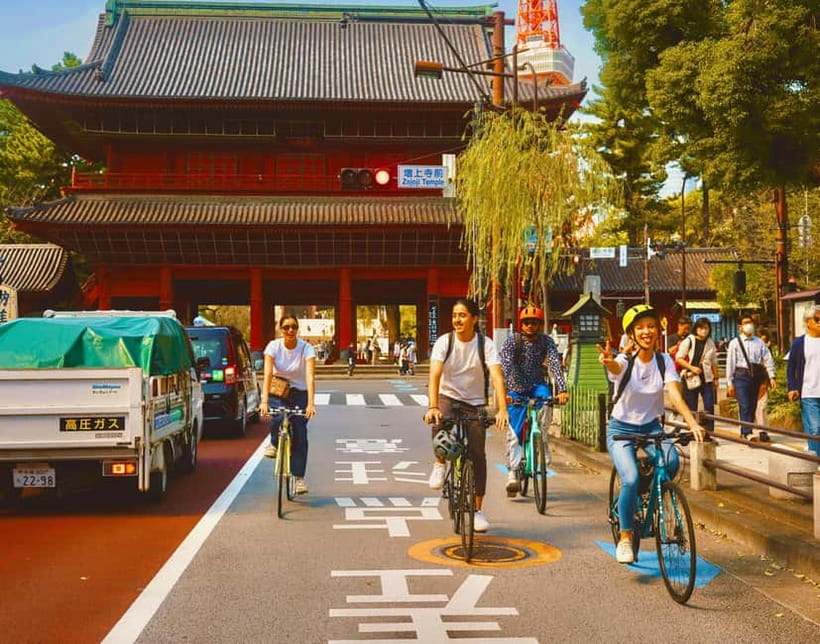
Meet the guide near the Statue of Commodore Perry, about a three-minute walk from Daimon Station’s A6 exit. This location is close to Tokyo Tower and puts you in a useful part of central Tokyo from the start. Allow a little extra time to find the statue, since one person found the meeting point unclear.
After the bikes are fitted, the route heads to Zojo-ji Temple in Shiba Park. The planned stop is about 15 minutes, enough for a guided look and photographs rather than a full temple visit. Zojo-ji gives the morning a strong opening: traditional religious architecture, open park space, and the modern city close around it.
Your guide may explain the difference between temples and shrines, a detail that previous tours have handled well. This is one of the more useful parts of the experience because it gives you a basic cultural framework for the rest of your Japan trip.
Imperial Palace and Ōte-mon Gate
The ride continues to the Imperial Palace, with about 10 minutes for a photo stop and short explanation. You will not have time to tour the entire palace grounds, and the schedule does not promise an interior visit. Think of this as a chance to see the broad setting and understand its place in Tokyo.
Ōte-mon Gate receives another five-minute stop. The gate is a compact but meaningful pause in the route, especially if you like old defensive structures and formal entrances. The short timing keeps the tour moving, but it also means you should not expect a slow architectural study.
This section works best when you want context rather than a deep visit. Your guide can connect the palace area to Japan’s political and imperial past, while the bike keeps you from spending the whole morning walking between separated points.
Akasaka Palace and the New National Stadium
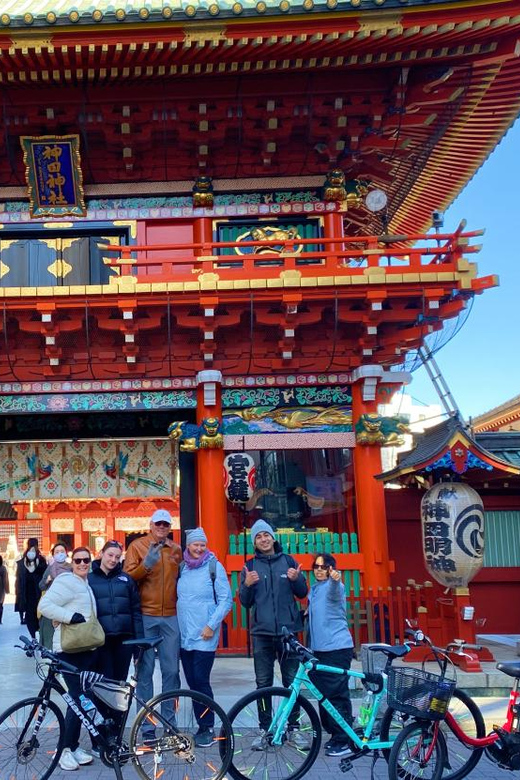
At State Guest House Akasaka Palace, you get roughly 10 minutes for photographs. The building provides a change of mood from the temple and palace stops, with a formal European-style appearance that reflects another side of Japan’s public architecture.
The New National Stadium follows with another 10-minute photo stop. These stops are less about entering buildings and more about seeing how Tokyo uses grand public spaces. You will have time to take pictures and hear a short explanation, but not to linger as you would on an independent visit.
I like this part because it prevents the route from becoming only a tour of old Tokyo. You see traditional religious and imperial sites, then modern civic architecture, all before moving into the city’s fashionable districts.
More E-Bike Tours in Tokyo
- Tokyo: 3-Hour Bike or E-Bike City Highlights Tour
★ 4.8 · 435 reviews - Tokyo: 3-hour Guided E-Bike Tour of the City’s Hidden Gems
★ 4.8 · 251 reviews - 3-Hour Tokyo Private E-Bike Tour Starting from Your Hotel
★ 5.0 · 117 reviews
The unscripted stops make the route feel local
The itinerary includes a 15-minute visit to a hidden spot, but the exact location is not specified. That gives the guide room to adapt the route, and one guide has adjusted the ride around the interests of the people in the group. Still, you should not book this expecting a named attraction with a guaranteed description.
There is also a brief stop in Minamiaoyama. The neighborhood is a useful bridge between formal sightseeing and everyday Tokyo, with streets that can feel more personal than the headline attractions. Because the stop is listed at only five minutes, it is likely a quick look rather than a long walk.
This flexibility is most useful on a private or small-group ride. If you have particular interests, such as architecture, local customs, or modern Japanese life, tell the guide early. Shin has been praised for adjusting the route and explanations to match different interests.
Cat Street, Miyashita Park, and Shibuya Crossing
Cat Street gets a five-minute visit. The area is associated with youth fashion and independent retail, so it adds a modern, stylish note to a route that began at a temple. You will not have time for serious shopping, but you can get your bearings and return later on foot.
Miyashita Park receives only about three minutes. Treat this as a quick look while passing through, not a park visit in the usual sense. Its value is in showing another piece of contemporary Tokyo and keeping the route connected to the streets around Shibuya.
The final major stop is Shibuya Crossing, with about five minutes for a visit and photographs. That is enough to see the famous crossing and take pictures, but you should not expect a long period to watch the crowds or explore the surrounding shops.
The tour ends at the Bell of Peace. Since the route has moved across several districts, the finish gives you a clear place to continue your day. It is worth checking your own onward plans before booking, since the tour does not return you to the start.
What the bike and e-bike options mean
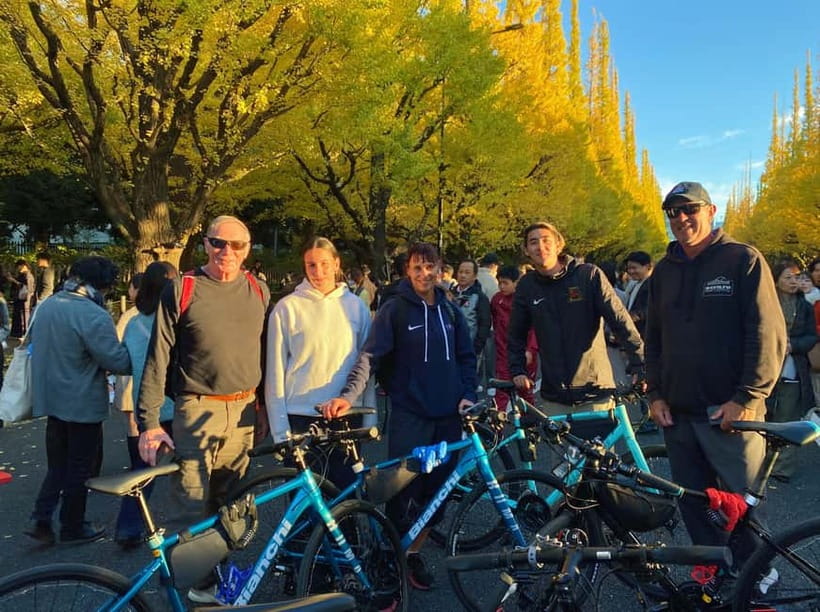
The standard bikes are described as high-quality cross bikes from Bianchi and Fuji, with road bikes also available. One rider specifically found a Bianchi cross bike easy to handle around the city. A small bike pouch holds your phone, wallet, and keys, so you can avoid filling your pockets.
An e-bike option is available for people who do not cycle often or do not have much stamina. I would take that advice seriously. The route includes extended cycling, and one rating specifically called it a workout. An e-bike can help you keep up without turning the sightseeing into a test of endurance.
You still need to be able to ride a bike and control it in city conditions. The tour is not suitable for children under 12, pregnant women, people with back problems, or anyone who cannot ride. Wear comfortable clothing and shoes, and bring water.
Bike insurance is included. Helmets are not included, but you can get one on site for ¥1,000 in cash. Since Tokyo streets can be busy, I would budget for the helmet rather than skip it.
Guides, group size, and the pace of the ride
The guides speak English and Japanese. The strongest part of the experience is the human element: guides explain sites, watch the group, take photographs, and adjust their commentary to the people riding with them.
Past guides have included Shin, Casey, Naoki, Marika, Nouchi, Georgie, Miguel, and KG. You should not assume a particular person will lead your ride, but these names give you a sense of the guide team. Casey has been praised for offering the right amount of information and looking after riders in traffic. Shin has been described as flexible, personable, and careful on busy streets.
Small groups make a real difference here. It is easier to stay together, ask questions, and stop without causing a traffic jam of bicycles. Private groups are also available if you want more control over the pace or interests.
The route is not a leisurely park spin. You will pedal between stops, sometimes for a considerable stretch, then get off for short explanations and photographs. If you prefer long museum visits or slow neighborhood walks, this format may feel rushed.
Weather, comfort, and practical value
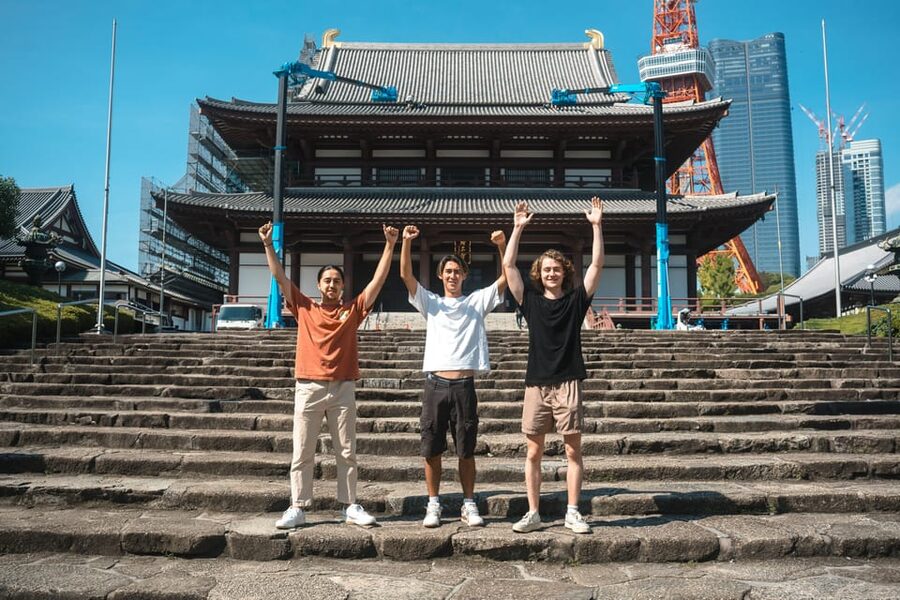
The ride operates in outdoor conditions, so weather matters. One group enjoyed it even during a record-breaking Tokyo summer, but heat will make the cycling harder. Water, comfortable clothes, and shoes are basic requirements, not minor extras.
The route gives you a useful amount of Tokyo in a limited period. You see major sights, but you also get a feel for how districts connect. That is the main reason to choose it over a walking tour. A walking tour may offer more detail at each stop, while this ride gives you broader coverage.
At $60, the tour makes particular sense if you have only a few days in Tokyo, want an active morning or afternoon, or find subway transfers tiring. The value is weaker if you already know these districts well or want admission-based sightseeing. You are paying for movement, guidance, and a prepared route.
Cancellation is free up to 24 hours before departure, and you can reserve now and pay later. Starting times depend on availability, so check the schedule before planning other fixed activities.
Who should book this Tokyo bike tour?
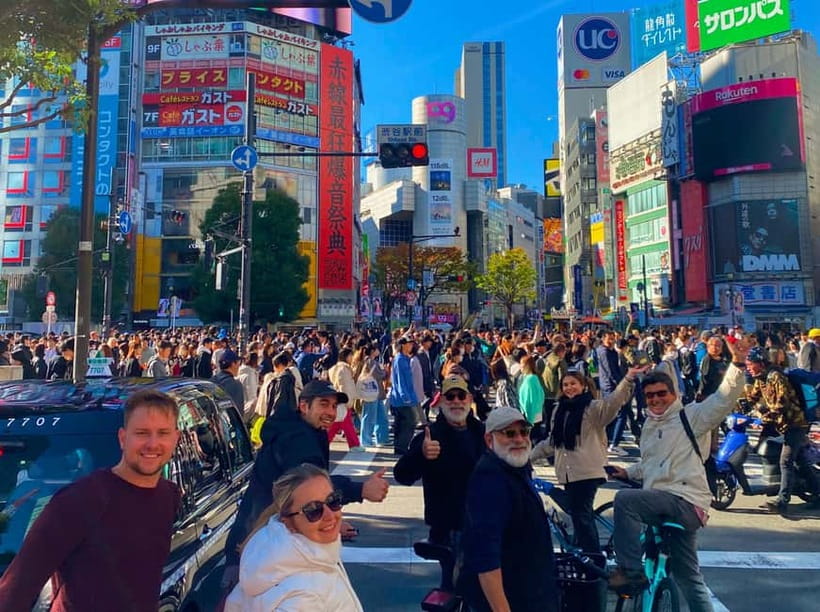
Book it if you want a quick first look at central Tokyo and are comfortable spending three hours in the saddle. It suits active couples, friends, solo riders who like local conversation, and families with children aged 12 or older who can manage city cycling.
Choose the e-bike if you rarely ride, have concerns about stamina, or want to save energy for the rest of your day. Bring cash for the helmet, water for warm weather, and enough time to reach the Statue of Commodore Perry near Daimon Station.
I would skip it if you cannot ride confidently, have back problems, are pregnant, or want lengthy visits inside temples, palaces, and museums. You should also choose another format if the idea of a workout does not fit your Tokyo plans.
FAQ
How long is the Tokyo bike tour?
The tour lasts three hours. Starting times vary, so check availability when booking.
Where does the tour meet?
Meet the guide near the Statue of Commodore Perry, about a three-minute walk from Daimon Station’s A6 exit.
Where does the tour finish?
The ride finishes at the Bell of Peace.
Are bikes included in the price?
Yes. High-quality Bianchi and Fuji cross bikes are included, with an e-bike option available.
Are helmets included?
No. Helmets are available on site for ¥1,000 per person, payable in cash.
Is the tour suitable for children?
Children under 12 cannot join. The tour is also not suitable for pregnant women, people with back problems, or people who cannot ride a bike.
Can I cancel the booking?
Yes. You can cancel up to 24 hours in advance for a full refund. Reserve now and pay later is also available.
Should you book it?
I would book this tour for a first or short visit to Tokyo, especially with the e-bike option if you are not a regular cyclist. It links Zojo-ji, the Imperial Palace, Akasaka, modern Aoyama, Cat Street, and Shibuya in one moving sweep.
Just set the right expectation: this is a guided city ride with brief stops, not a string of full sightseeing visits. If you want coverage, local stories, good bikes, and a lively workout, it is a strong $60 choice. If you want depth at each monument, explore the route independently after the ride.
More Three-Hour Experiences in Japan
- 3-Hour Porto Highlights on a Electric Bike Guided Tour
★ 5.0 · 4,392 reviews - 3-hour Complete Prague Bike Tour
★ 5.0 · 3,674 reviews - Porto: City Highlights 3-Hour Guided Electric Bike Tour
★ 4.8 · 3,092 reviews - Copenhagen: Highlights 3 Hour Bike Tour with a Local Guide
★ 4.8 · 2,312 reviews
More Hidden Gems Bike Tours in Japan
- Arashiyama Bamboo Forest & Hidden Gems Bike Tour (Early Bird)
★ 5.0 · 613 reviews - Kyoto: City Secrets eBike Tour
★ 4.9 · 196 reviews - Kyoto: Hidden Gems E-Bike Tour with Local Japanese Guide
★ 4.9 · 189 reviews - 5-Hour Tokyo & Edo Hidden Gem Bike Tour with Lunch
★ 5.0 · 113 reviews
Newest rides we have reviewed in Japan
- Best of Kyoto: Ginkakuji & Path of Philosophy E-Bike Tour★ 4.9 · 79 reviews
- Kyoto: Tailored E-Bike Tour to Highlights & Hidden Gems★ 4.9 · 32 reviews
- Kyoto: Full Day Bike Tour★ 4.9 · 39 reviews
- Kyoto: Half-day Guided Bike Tour with Fushimi Inari★ 4.9 · 21 reviews
- Kyoto: Early Bird E-Bike Tour with Lunch★ 5.0 · 14 reviews
- Kyoto: Full-Day City Highlights Bike Tour with Light Lunch★ 5.0 · 52 reviews
- Kanazawa Half Day E-bike Tour★ 5.0 · 81 reviews
- Hiroshima: Best of Hiroshima Guided Bike Tour★ 4.9 · 89 reviews
Hidden Gems Bike Tours, compared.
Small Group Guided Bike Tour of Amsterdam’s Hidden Gems
Read our review →
Top Highlights & Hidden Gems Tour by Cannondale E-Bike
Read our review →
Barcelona 3-hour Bike or E-Bike Tour: Highlights and Hidden Gems
Read our review →