
REVIEW · TOKYO
Tokyo: West-Side Cycling and Food Tour with Guide
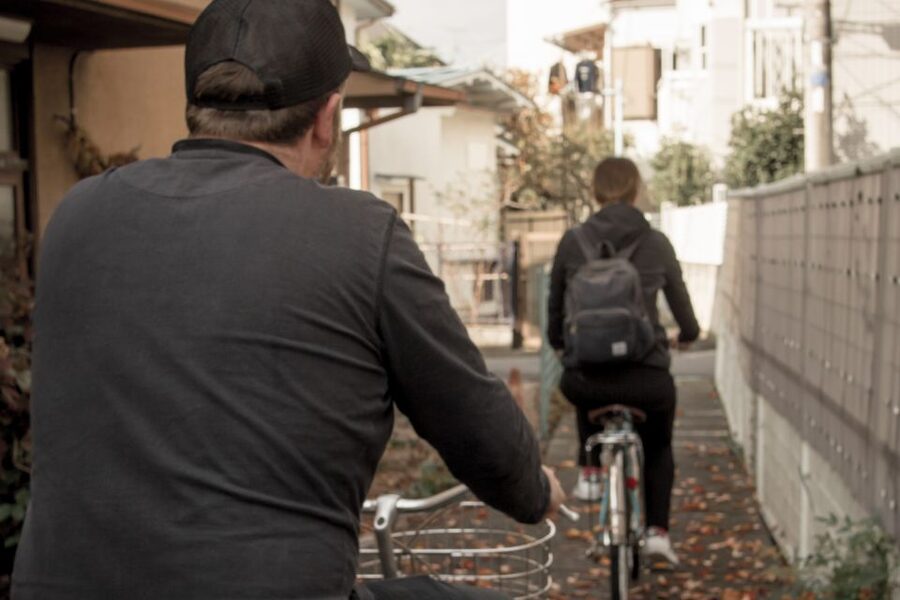
Tokyo’s west side is where this experience earns its keep. You pedal through Nakano, Koenji, and Asagaya, three local neighborhoods that feel far removed from the usual Shinjuku and Shibuya circuit. The route uses twisting back streets, riverside paths, and everyday shopping areas rather than famous sights.
I like the old-fashioned mamachari bicycles, complete with front baskets, and the way guide Andy turns ordinary details into useful cultural lessons. I also like the food plan: two street snacks, a simple local lunch, and a bottled drink are included, so you can focus on the ride instead of hunting for every meal.
The main caution is practical: you need to be comfortable riding 12 to 15 kilometers through occasionally narrow, crowded streets and over uneven surfaces. Rain usually does not cancel the outing, so bring the right attitude and clothing.
Key points to know before you book
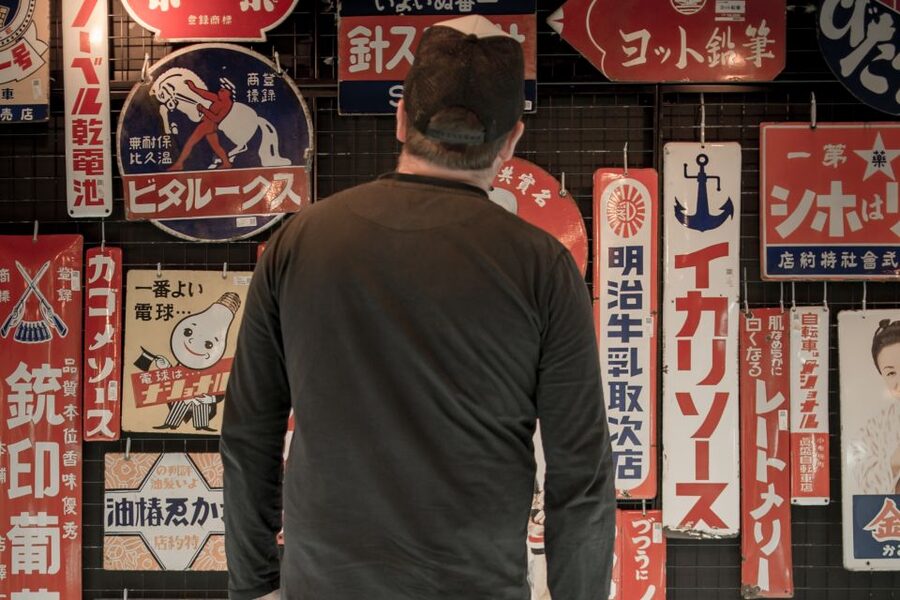
- Ride a genuine Tokyo mamachari: These practical city bikes have front baskets and are maintained for easy neighborhood cycling.
- See three west-side districts: The route links Nakano, Koenji, and Asagaya, with back streets and local activity areas rather than major tourist stops.
- Eat as you go: Two street food treats, a simple lunch, and one bottled drink are included in the $110 price.
- Learn how Tokyo cycles: You get a close look at bicycle parking systems, local riding habits, and the small rules that shape city life.
- Meet at Koenji Station: The guide waits outside the ticket gates, wearing a baseball cap, five minutes before departure.
- Expect a real ride: The pace is relaxed, but the distance, narrow lanes, traffic, and weather make this unsuitable for timid cyclists.
Why west Tokyo works so well by bicycle
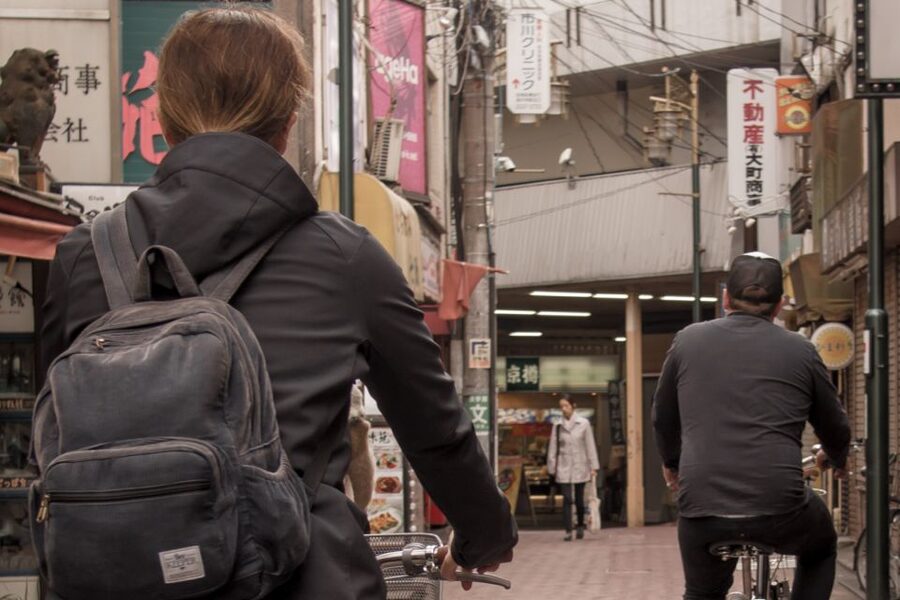
Tokyo can feel hard to read from a train window. You see towers, signs, and crowds, but not always the small details of ordinary life. A bicycle changes that. You move slowly enough to notice homes tucked behind shops, side streets that never appear on a standard sightseeing route, and the way people use tiny pockets of space.
This outing focuses on the inner west side of Tokyo, where Nakano, Koenji, and Asagaya each have their own feel. You are not being taken from one grand attraction to another. Instead, the point is the movement between neighborhoods and the everyday places along the way.
That makes the tour a good choice early in your Tokyo stay. You gain a sense of scale and pick up practical ideas for later exploring on foot or by train. It also works near the end of a visit, when you want one more experience that feels local rather than staged.
The group rides at a leisurely pace, but do not mistake that for a short outing. The total distance is about 7.5 to 9.5 miles, or 12 to 15 kilometers, over roughly three and a half hours. You need basic confidence on a bike and enough control to handle narrow lanes, uneven surfaces, and occasional crowds.
More Food and Market Bike Tours in Tokyo:
- Versailles Palace Bike Tour with Market & Marie-Antoinette hamlet
★ 5.0 · 2,680 reviews - Madrid: 3 h. Guided Highlights Bike Tour with Optional Tapas
★ 4.9 · 1,623 reviews - Rome: Appian Way & Aqueducts E-Bike Tour (Catacombs & Food)
★ 4.9 · 1,498 reviews
Meeting Andy at Koenji Station
The starting point is Koenji Station on the JR network. This is a useful meeting point because it is only about six minutes from Shinjuku and around 18 minutes from Shibuya by train. You do not need to cross half of Tokyo before the ride begins.
The guide waits directly outside the ticket gates five minutes before the start. Look for the baseball cap and introduce yourself. This is a timed departure, not a casual meet-up, so allow enough time to find the station exit, pass through the gates, and reach the meeting spot.
Guide Andy is an Australian local guide with a strong feel for Japanese customs and neighborhood life. His style, based on the way the experience is run, is conversational and open to questions. He explains what you are seeing without turning the ride into a lecture, and he can add context to food, shops, bicycle habits, and the social patterns of Tokyo.
The activity is offered as a private or small-group experience. That matters here. Small numbers make it easier to stay together on tight streets and easier for you to ask about something you notice. The exact group size depends on your booking, so check the available option when you reserve.
Getting used to the mamachari
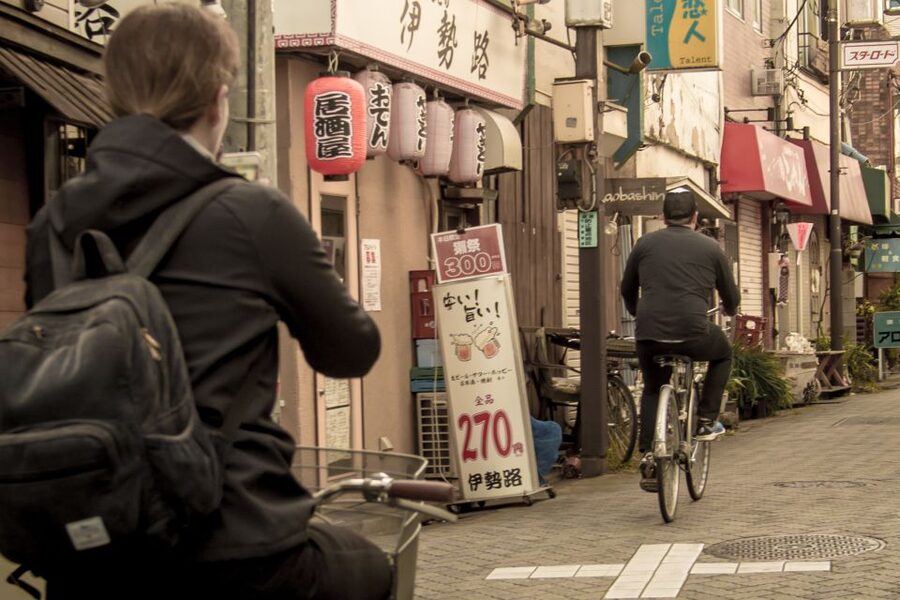
Your bike is a mamachari, the familiar Japanese city bicycle designed for practical daily use. The bikes used here can be a little creaky or squeaky, but they are described as carefully maintained. They also have front baskets, a small feature that is surprisingly handy for a drink, tissues, or other light items.
Do not expect a sleek road bike or a fast city rental. That is part of the charm. The mamachari suits the neighborhoods because it is built for short urban trips, not speed. You sit upright, see more around you, and travel at a pace that lets the group stay together.
The bikes also help explain local cycling culture. Tokyo has its own systems for parking bicycles, and the tour shows you how those systems fit into daily life. Bicycle parking fees are included, as is cycling liability insurance.
You should be over 140 centimeters tall to ride comfortably. Children under 10 are not accepted, and the experience is not suitable for anyone under 140 centimeters. The supplied information also advises bringing a passport or ID card, hand sanitizer or tissues, and a garbage bag.
Nakano, Koenji, and the back streets between them
The first reward is seeing how quickly Tokyo changes once you leave the main roads. Nakano and Koenji are not remote villages. They are active city districts, yet the route takes you through smaller streets and local corners that most visitors would miss from a train or taxi.
Nakano gives the outing a useful first taste of west Tokyo. You begin to see how residential streets, small shops, food spots, and transport links fit together. The value is not one famous building. It is the pattern of ordinary city life, explained while you are right in the middle of it.
Koenji adds a different mood. It is known here as one of the main neighborhoods on the route, and the ride takes you beyond the station area into less obvious streets. You may pass compact shops, residential lanes, and places where people are simply getting on with their day. The route can include sharp turns, so pay attention rather than treating the ride as a straight cruise.
Asagaya rounds out the neighborhood picture. Together, the three districts show that Tokyo is not one single city experience. Each area has its own rhythm, yet they are close enough to connect by bicycle in one outing.
The tour’s strength is the interpretation. A street or shopfront may seem unremarkable at first. Andy can explain how it relates to local habits, food, housing, or transport. That turns the ride from simple sightseeing into a lesson in how Tokyo works.
More Guided Rides in Tokyo:
- Tokyo Guided Small-Group Biking Tour
★ 5.0 · 1,250 reviews - Tokyo Top Highlights 3h Guided E-bike Tour
★ 5.0 · 714 reviews - 3h Tokyo E-Bike Tour: Hidden Gems, and Local Life with guide
★ 5.0 · 670 reviews - Tokyo: 3-hour Guided E-Bike Tour of the City’s Hidden Gems
★ 4.8 · 251 reviews
Riverside paths and Tokyo’s small-scale city life
The route includes riverside bike paths as well as narrow urban streets. This gives you a welcome change of pace. The riverside sections offer more breathing room, while the back streets bring you close to the compact spaces where much of Tokyo’s daily routine takes place.
You should expect some uneven surfaces and occasional crowded areas. The ride is not a protected cycle trail from start to finish. You need to stay alert, follow the guide, and be ready for sharp turns or sudden changes in space.
That mix is exactly why the experience feels more like local transportation than a sightseeing bus. You are not sealed away from the city. You hear it, slow down for it, and adjust to it. The tradeoff is that riders who want a smooth, effortless route may find the conditions demanding.
The tour also offers a practical introduction to bicycle etiquette. You see how bikes are stored and parked, how people use them for short trips, and how cycling fits into a city where space is limited. These details may sound minor, but they help you understand Tokyo beyond shrines and department stores.
Two street foods, a simple lunch, and a bottled drink
Food is built into the ride rather than added as an afterthought. You receive two popular street food items, a simple local lunch, and your choice of one bottled drink. This gives you several short tasting stops and one more substantial break.
The lunch may be at a small noodle counter or similar local restaurant. The setting matters as much as the meal. Sitting among people grabbing a quick bite gives you a look at the practical side of Tokyo dining, including the compact counters and quick service that suit working city life.
The street food stops add variety. You taste everyday sweets or savory treats selected for the route, rather than spending time choosing from a long restaurant menu. One useful detail from the experience is the chance to ask about vending-machine drinks and the habits surrounding them. Andy can help explain choices that might otherwise seem confusing.
Food is not tailored to individual preferences. The activity does not cater to vegans, food allergies, or special dietary requirements. If you have a serious allergy, a strict diet, or need certainty about ingredients, skip this tour or contact the operator before paying.
For most other people, the food plan adds solid value. Eating three times during a 210-minute activity means you are not paying $110 for transport and talk alone. You are also paying for meals, snacks, a drink, bicycle parking, insurance, the bike, and a guide who knows the area.
Is $110 a fair price?
At $110 per person, this is not the cheapest way to see west Tokyo. You could ride trains between the neighborhoods and buy food on your own for less. The comparison is not quite fair, though, because a self-guided visit would not include the same bike route, local explanations, organized food stops, parking fees, or cycling insurance.
I see the value most clearly if you want help getting beyond the standard Tokyo circuit. Andy provides the structure. You do not have to research which back streets are worth riding, guess where to stop for a local snack, or work out how the bicycle parking system functions.
The price makes less sense if you already know Nakano, Koenji, and Asagaya well, or if your main goal is a fast ride through the city. It also may not suit a strict vegetarian or vegan, since the food cannot be adjusted to personal requirements.
Free cancellation is available up to 24 hours before the start, and you can reserve now and pay later. Those terms help if your Tokyo schedule is still shifting, but the tour itself leaves on time. Flexibility in booking does not mean flexibility after the departure time.
Rain, heat, and what to bring
This is an outdoor activity in all seasons and weather. In rain, the tour generally proceeds, so you should be ready to get wet. Check the forecast and dress for cycling rather than assuming Tokyo weather will cooperate.
A light bag is enough. Bring your passport or ID card, hand sanitizer or tissues, and a garbage bag. The last item is practical for holding waste during the ride, since you should not expect a bin at every stop.
Wear clothes that let you pedal easily and shoes that stay secure. The supplied information does not promise a change of clothing or weather shelter, so plan around the conditions you are given. The bottled drink helps, but you should think about your own comfort during a 12 to 15 kilometer ride.
In hot weather, the combination of cycling, food stops, and city pavement can feel tiring. In rain, narrow streets and slippery surfaces require more care. The tour can still be enjoyable, but your expectations should match the forecast.
Who should book this cycling tour?
I would choose this experience for an active first-time visitor who wants Tokyo explained through daily life rather than major attractions. It suits people who enjoy food, conversation, and a little uncertainty in the route.
It is also a strong pick for anyone who has already seen Shibuya Crossing, Shinjuku, or the central shopping districts and wants a different side of the city. The route gives you a reason to visit west Tokyo and enough local context to continue exploring those areas later.
Families need to read the age and height rules carefully. Children under 10 cannot join, and riders should be at least 140 centimeters tall. Everyone in the group needs to be comfortable on a bicycle, including in narrow streets and around other people.
You should skip it if you dislike cycling, need a fully weatherproof plan, have food allergies, or require vegan meals. You should also avoid booking if arriving late is likely. The guide will not hold the group while you search for the meeting point.
Should you book the West-Side Cycling and Food Tour?
Book it if you want a friendly, active introduction to neighborhoods that are easy to overlook from the main tourist routes. The combination of Andy’s local explanations, mamachari bicycles, small food stops, and three west-side districts gives you a clear sense of ordinary Tokyo.
The strongest reasons to go are the access and the context. You can ride through places you might never think to visit, then ask why a parking system, food custom, or street layout works the way it does. That kind of understanding stays with you longer than another quick photo stop.
Do not book it for polished cycling infrastructure or a carefully controlled food menu. This is a real city ride, with narrow lanes, uneven sections, possible rain, and a fixed departure time. If you accept those conditions, the $110 price is reasonable for a small-group experience that combines transport, food, culture, and neighborhood access in one half-day.
FAQ
Where does the tour begin?
It begins at Koenji Station on the JR Train Network. The guide waits directly outside the ticket gates five minutes before departure and wears a baseball cap.
How long does the experience last?
The activity lasts 210 minutes, or about three and a half hours.
How far do you ride?
You ride roughly 12 to 15 kilometers, or 7.5 to 9.5 miles, at a leisurely pace.
Which neighborhoods does the tour visit?
The route explores Nakano, Koenji, and Asagaya in west Tokyo.
What kind of bicycle is provided?
You ride a mamachari, a practical Japanese city bicycle with a front basket. The bikes are maintained for the activity.
Is food included?
Yes. The price includes a simple local lunch, two popular street food items, and one bottled drink.
Can the food accommodate allergies or vegan diets?
No. The activity does not cater to personal tastes, dietary requirements, or allergies, and it is not suitable for vegans or people with food allergies.
What happens if it rains?
The tour generally proceeds in rainy weather, so you should expect the possibility of getting wet. It is an outdoor activity affected by weather conditions.
Is the tour suitable for children?
Children under 10 are not accepted. Riders should also be at least 140 centimeters tall to ride comfortably.
What is included besides food and the bicycle?
Bicycle parking fees, cycling liability insurance, and an English-speaking local guide are included.
Newest rides we have reviewed in Tokyo
- Tokyo: Private Cycling Tour with cute E-bike★ 5.0 · 11 reviews
- Tokyo: Discover Traditional Tokyo Full-Day Bicycle Tour★ 4.7 · 131 reviews
- Tokyo Bike Tour: Shibuya, Harajuku & Hidden Gems★ 5.0 · 20 reviews
- Tokyo: 2-Hour Night Bike Tour of the City’s Hidden Gems★ 4.9 · 25 reviews
- Tokyo: 3h Private E-bike Tours, Starting at Your Hotel★ 5.0 · 36 reviews
- Tokyo: Hidden Gems Guided Bike Tour with Lunch★ 4.5 · 30 reviews
- 3-Hour Tokyo Private E-Bike Tour Starting from Your Hotel★ 5.0 · 117 reviews
- Tokyo: 3-Hour Bike or E-Bike Tour of City’s Hidden Gems★ 4.7 · 81 reviews
Food and Market Bike Tours, compared.
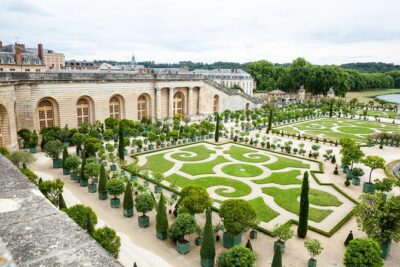
Versailles Palace Bike Tour with Market & Marie-Antoinette hamlet
Read our review →
3 h. Guided Highlights Bike Tour with Optional Tapas
Read our review →
Appian Way & Aqueducts E-Bike Tour (Catacombs & Food)
Read our review →
Tuscany Bike Tours Through the Chianti Hills with Wine Tasting
Read our review →
Rome by Night – Ebike Small Group Tour – Food and Wine (Option)
Read our review →
Rome by Night: E-bike Small Group Tour -Food & Wine (Option)
Read our review →
Electric Bike Beach Adventure with Tequila Tasting and Lunch
Read our review →
Versailles Bike Tour with Market, Gardens & Guided Palace Tour
Read our review →Other lists this ride turns up in