
REVIEW · CYCLING TOURS
Intramuros, Manila: Historical Bamboo Bike Tour
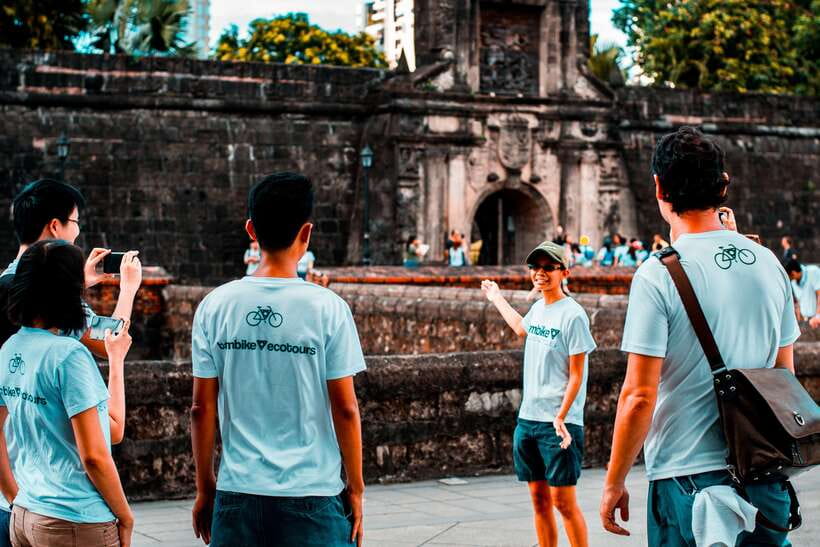
Intramuros is far easier to understand when you can move between its scattered forts, gates, churches, and gardens without wearing out your feet. This flat bamboo-bike ride covers a lot of ground at a relaxed pace, while guides such as Josh, Paolo, Chi, and Prime turn old walls and cannons into a clear story about Manila.
I like the bikes, which are made by local craftsmen, and I like the guides’ style: informed, friendly, and usually good at mixing facts with humor. The cool towel and ice cream at the end are small touches, but they matter in Manila’s heat. The main drawback is the weather. Even a morning departure can feel hot and humid, and there is no fixed drink stop, so bring water and ask the staff if you need a refill.
Key points to know before you book
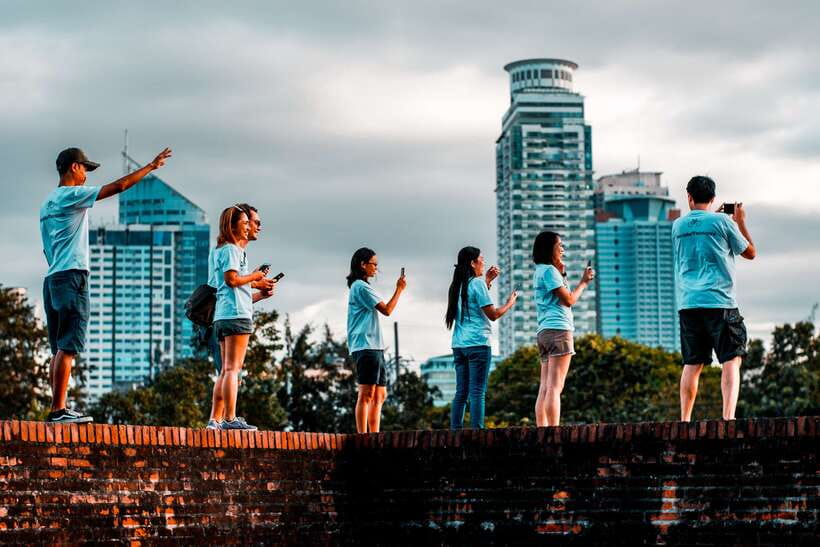
- The bike makes Intramuros manageable: You can reach Fort Santiago, San Agustin Church, Manila Cathedral, gardens, gates, and wartime sites in one outing.
- The route is flat and gentle: The bikes have no gears, and the pace suits casual cyclists, though experienced riders may find it slow.
- The history is the main event: Academic-style local guides explain Spanish colonial Manila, World War II, and the people connected to each place.
- Heat planning matters: Choose an early start, wear light clothes, use sunscreen, and carry a resealable bottle of water.
- The price covers the useful basics: For about $27 per person, you get the guide, bamboo bike, helmet, entrance fees, and a small refreshment finish.
- Safety is taken seriously: Staff help riders move through the streets, and guides can take photos at the stops.
Why a bamboo bike is a smart way to see Intramuros
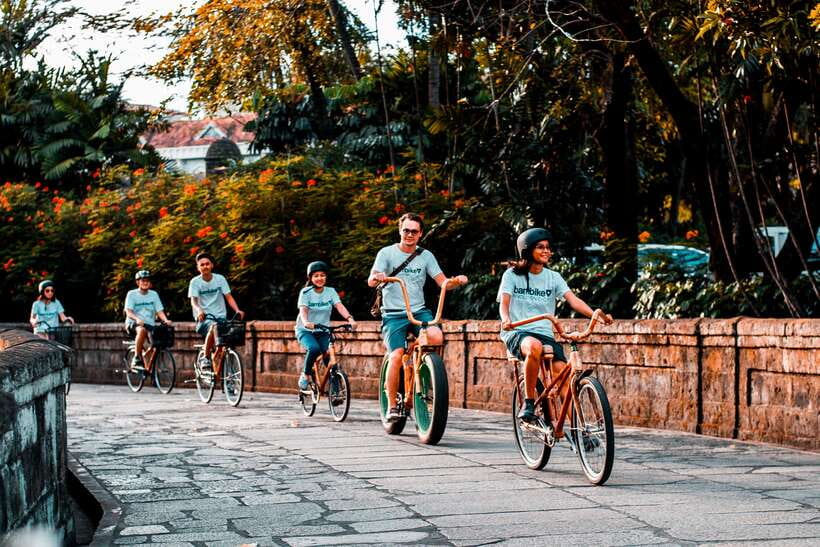
Intramuros means within the walls, and Manila’s old walled district is broad enough that walking between its sights can take more energy than you expect. A bicycle lets you cross from one side to another quickly, then stop when the guide has something worth explaining.
These are not ordinary rental bikes. Bambike’s frames are made from bamboo by local craftsmen, giving the ride a strong local link rather than making it just another sightseeing vehicle. You choose a bike at the start, with city cruiser and mountain-bike styles available. Some have baskets, and some have kickstands.
The route is mostly easy. You ride at a casual pace, stop often, and spend time listening rather than pedaling hard. The bikes have no gears, so you are not managing complicated controls. If you are not a confident cyclist, this is reassuring. If you are used to fast road cycling, the group pace may feel deliberately slow.
The tour is offered as a small-group experience, which helps the guide keep an eye on the riders. Staff members may also assist with road crossings and traffic. You still need normal city-cycling awareness, but the emphasis is on a calm ride rather than a demanding workout.
More Heritage and Temple Bike Tours in the world:
- Bangkok: Temples, Canals & Local Life Bike Tour
★ 4.9 · 3,511 reviews - Historical Singapore Bike Tour on Full-Sized Bicycles
★ 5.0 · 1,421 reviews - Barcelona: 2.5-Hour Bike or E-Bike Historical Tour
★ 4.5 · 1,262 reviews
Starting at the Japanese cannon
The first historical stop is a Japanese cannon inside Intramuros. The cannon connects the old district with Manila’s wartime story, and the guide uses it to explain how the area was affected during World War II.
This is a short stop of about 15 minutes, so do not expect a long museum-style presentation. Its value is as an opening chapter. You begin with a physical object tied to conflict, then build toward a wider understanding of why Intramuros matters to modern Manila.
Your guide may ask you to pause for photographs here and at later stops. The staff are used to helping with pictures, which is useful if you are traveling alone. The pace also gives you time to look around without feeling rushed from one landmark to the next.
Puerta Real Gardens and the city inside the walls
The tour then reaches Puerta Real Gardens, where the guide spends about 30 minutes explaining Intramuros and its changing role in Manila. The gardens offer a more open setting, with local plants and a break from the hard stone and masonry found elsewhere in the district.
This is one of the longer explanation stops, and it is where the tour begins to connect individual places into a larger story. Instead of simply collecting photographs of gates and churches, you get context about the district’s layout, colonial power, wartime damage, and later preservation.
The gardens are also a sensible place to notice the practical side of the tour. You are outdoors, often in sun and humidity, so sunscreen and light clothing are important. The operator provides rain ponchos if needed and may have sunscreen or insect repellent available, but I would still arrive prepared rather than rely on supplies being available.
Puerta del Parian and the old entrances
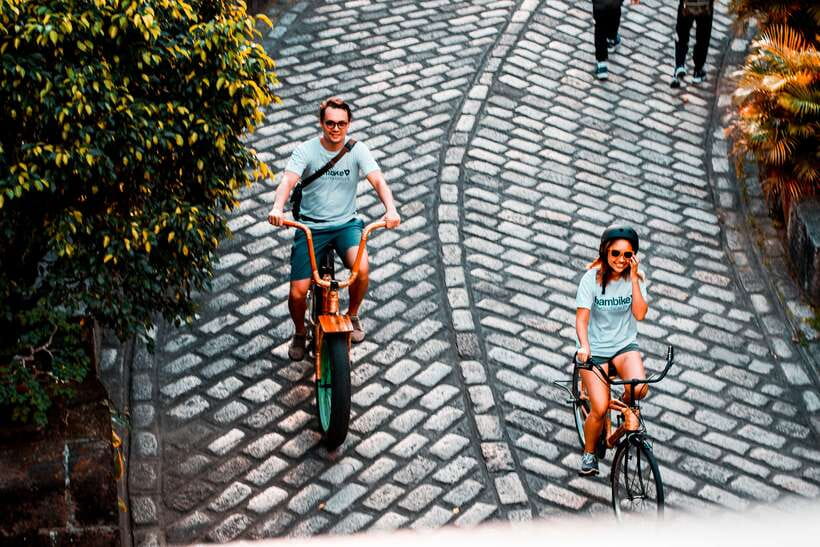
Puerta del Parian was one of the early gateways into Intramuros. The stop lasts about 15 minutes, long enough for your guide to explain the gate’s purpose and place it within the old city’s system of entrances and movement.
Gates can be easy to admire without understanding. A good guide makes you look at them differently, asking who passed through, why the entrance mattered, and how the walled district controlled access. The explanations from guides such as Paolo, Anj, JD, and Mica are often delivered with humor and room for questions, which keeps the stop from feeling like a memorized lecture.
The bike is particularly useful here because you can arrive, park, listen, and move on without searching for a taxi or retracing a long walking route. That saves time for the sites that deserve a longer look.
More Cycling Trips in the world:
- Lion City Bike Tour of Singapore
★ 5.0 · 6,211 reviews - Big Bike tour Amsterdam – See all in 3 unforgettable hours
★ 4.7 · 4,929 reviews - 3-Hour Porto Highlights on a Electric Bike Guided Tour
★ 5.0 · 4,392 reviews - Ninh Binh Full-Day Tour from Hanoi to Hoa Lu, Tam Coc & Mua Cave Via Boat & Bike
★ 5.0 · 4,384 reviews
Manila Cathedral and Plaza de Roma
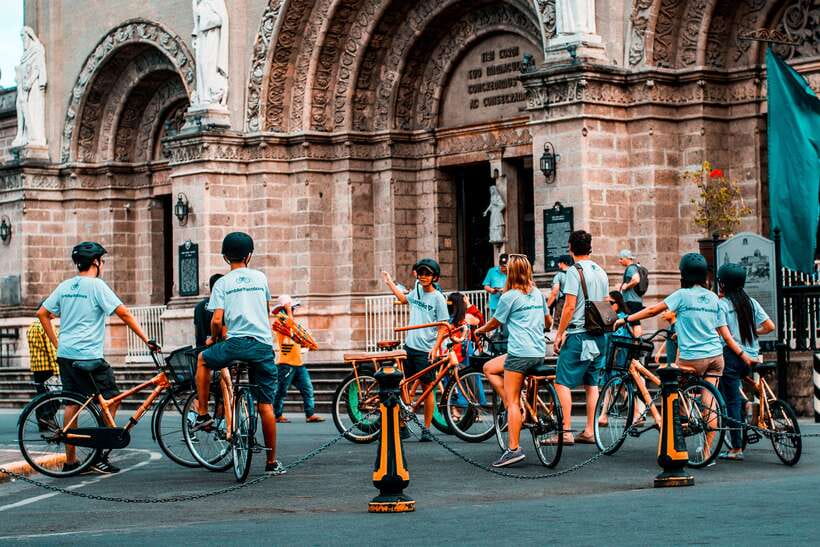
Manila Cathedral and Plaza de Roma form the historic center of Spanish colonial Manila. This is one of the most important sections of the route because it brings together religious and civic power in one compact area.
The guide spends about 15 minutes here. You will have time to see the cathedral from the outside and take in the plaza, while the explanation helps you understand how the area functioned during the Spanish period. The stop is not designed as a long interior visit, so if you want extensive time inside the cathedral, you may need to return on your own.
That is one of the tour’s strengths and limits. It gives you a well-organized first look at many major places, but it does not replace a full day of independent visits. You are getting a guided overview with historical meaning, not an unlimited amount of time at each landmark.
Fort Santiago is the longest stop
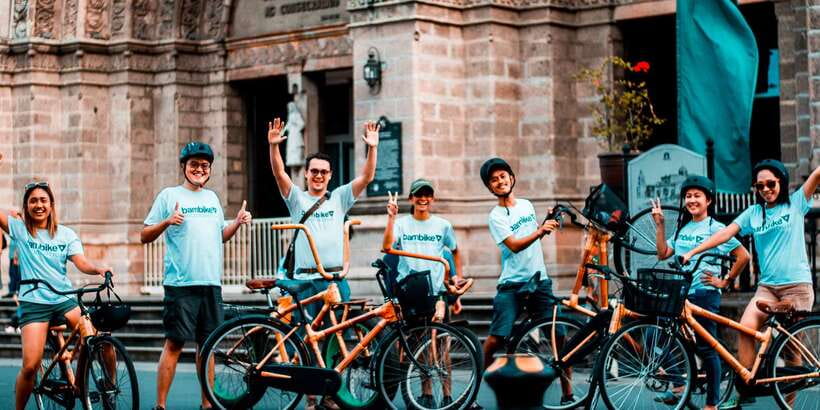
Fort Santiago receives about 45 minutes, making it the longest stop on the route. You arrive by bike, then spend time hearing the guide explain the fort and its place in Manila’s past.
The fort is important enough that this extra time makes sense. It provides room for a fuller presentation, some walking, photographs, and questions. The bike ride helps you reach it without spending your energy on the approach, leaving more attention for the site itself.
Because the tour includes entrance fees, you do not need to budget separately for the listed stops. Still, 45 minutes is a guided visit rather than an exhaustive exploration. If Fort Santiago is your top priority, note the areas you want to revisit and return later with more time.
The route’s educational value is strongest here. Guides such as Prime, Josh, and Justine are good examples of the style to expect: clear explanations, local details, and a willingness to answer follow-up questions. The best guides keep the facts moving at a comfortable pace instead of burying you in dates.
San Agustin Church closes the historic circuit
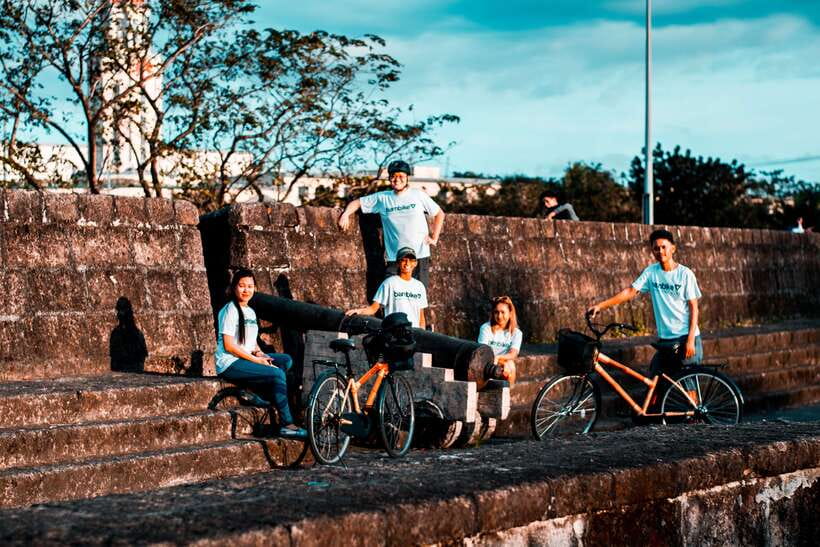
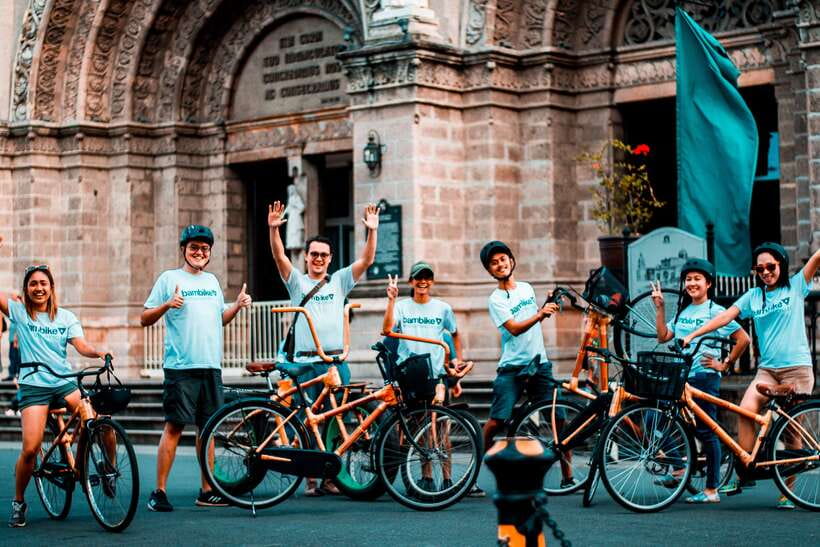
San Agustin Church is the final listed historical stop, with about 15 minutes of guided time. The church brings the route back to the religious side of Intramuros after the military focus of Fort Santiago.
The brief visit works well as part of a circuit, giving you one more major landmark before the ride ends. As with Manila Cathedral, you should think of this as an introduction rather than a long, quiet church visit.
By this stage, the bamboo bike has done its job. You have crossed the district, seen its main historic markers, and gathered enough background to make a later visit more meaningful. Walking the same circuit independently afterward will feel less confusing because you will already know how the sites fit together.
The 2 to 3 hour timing and tour pace
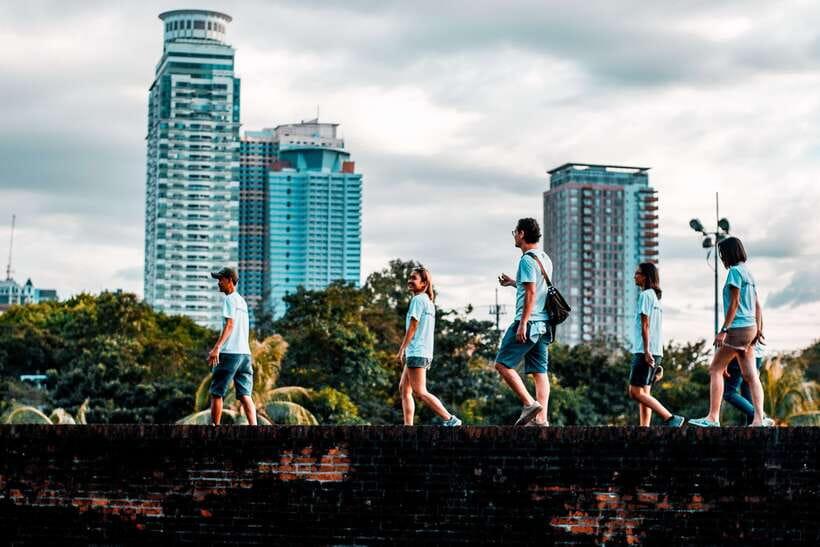
The standard experience takes about 2 to 3 hours, depending on the option and pace. The itinerary includes guided stops, a 15-minute break, riding time, and the final refreshment.
A 9:30 a.m. start is a smart choice if available. You will still encounter heat, but an early departure helps you finish around lunchtime rather than riding during the hottest part of the day. Later times may suit your schedule, yet I would choose the morning if comfort matters.
The route is intentionally unhurried. You stop to listen, take photos, and ask questions. One practical point: experienced cyclists may find the group slower than they prefer. That is a fair trade for safety and for keeping the group together, especially on streets shared with other traffic.
The tour operates in most weather, including light rain, with ponchos available if needed. It does not operate during a tropical storm. Wear comfortable shoes and clothes, apply sunscreen before arrival, and carry water in a resealable bottle. A small towel or handheld fan can also help on a hot morning.
What the $27 price really covers
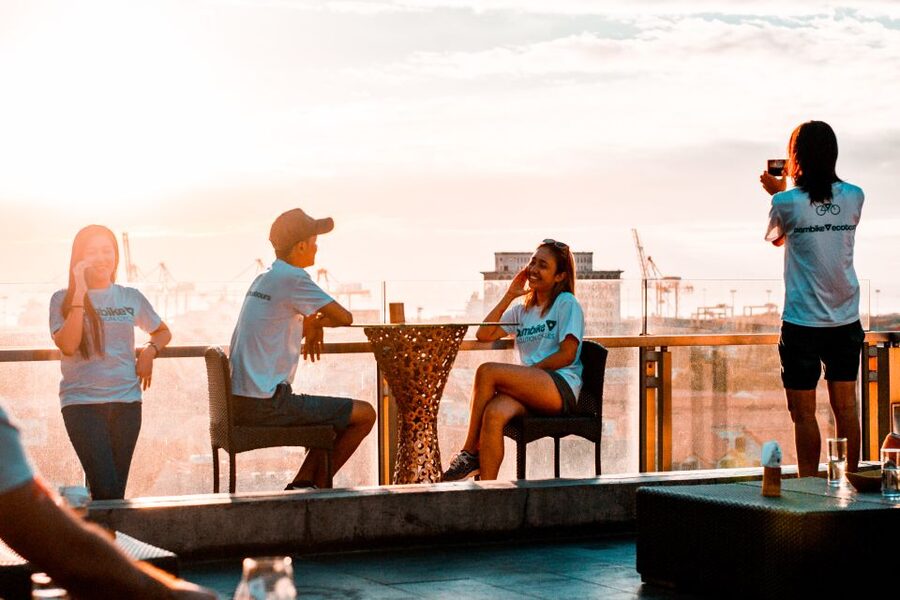
At about $27 per person, the tour is priced well for a guided introduction to Intramuros. The fee includes the local guide, bamboo-bike rental, helmet, entrance fees, and rain poncho if needed. You also receive a cold towel and ice cream at the end.
The value comes from combining transport, interpretation, and access. You are not simply renting a bike. You are paying for a route that connects the main sites, a guide who explains what you are seeing, and staff support while you ride.
There are limits. Hotel pickup and drop-off are not included, and food or extra drinks are not part of the stated package. You need to reach the meeting point yourself, and the exact starting point can vary by booking option.
The tour also offers free cancellation up to 24 hours before departure and a reserve-now, pay-later option. Those terms are useful if your Manila schedule is still shifting.
Who will enjoy this tour most
I would choose this tour if you have limited time in Manila and want a clear introduction to Intramuros without arranging each stop yourself. It is also a good fit for history fans, first-time visitors, solo riders, and families with older children who can manage a bicycle.
Children aged 4 to 12 must ride with an adult. Infant seats for ages 2 to 4 are available on request if you advise the operator while booking. Unaccompanied minors are not allowed.
The route suits casual cyclists because it is flat and does not require gear changes. You do not need to be athletic, but you should be comfortable riding a bicycle in an urban setting. If you dislike heat, cycling, or group pacing, a walking or vehicle-based tour may suit you better.
The experience also works well for solo visitors. Guides regularly help with photographs, and the small-group format gives you a natural way to hear local history without having to arrange a private guide.
The final cold towel and ice cream
After the last stop, the tour ends with a cold towel and ice cream. This sounds simple, but after two or three hours outdoors, it is exactly the right finish.
The treat is not a substitute for carrying water, since there is no official drink stop built into the schedule. Ask the staff if you need to find water during the ride. That small bit of planning will make the outing more comfortable.
Should you book the Intramuros bamboo-bike tour?
I would book it if you want to see the major Intramuros sights in one compact outing and care about the story behind them. The bamboo bikes are easy to use, the route is flat, and guides such as Josh, Paolo, Chi, Prime, Anj, and JD have a strong record of making the history clear and engaging.
Choose the earliest practical departure, bring water and sunscreen, and expect a relaxed group pace. At $27, the combination of transport, guide, entrance fees, safety help, and a refreshing finish makes this a good-value way to get your bearings in old Manila.
FAQ
Where does the bamboo-bike tour take place?
The tour takes place in Intramuros, Manila, the city’s historic walled district. The route includes the Japanese cannon, Puerta Real Gardens, Puerta del Parian, Manila Cathedral, Plaza de Roma, Fort Santiago, and San Agustin Church.
How long does the tour last?
The experience lasts about 2 to 3 hours. The exact duration depends on the option booked and the day’s pace.
How much does the tour cost?
The listed price is $27 per person.
What is included in the price?
The price includes a local guide, bamboo bicycle rental, helmet, entrance fees, and rain ponchos when needed. A cold towel and ice cream are provided at the end.
Is hotel pickup included?
No. Hotel pickup and drop-off are not included. The meeting point may vary depending on the option booked.
What languages are available?
The live tour is offered in English and Tagalog.
Is the route difficult to cycle?
The route is described as flat and suitable for a casual cycling pace. The bikes have no gears. You should still be comfortable riding in an urban area.
Can children join the tour?
Children aged 4 to 12 must be accompanied by an adult. Infant seats for ages 2 to 4 are available on request if you provide that information when booking. Unaccompanied minors are not allowed.
What should I bring?
Bring comfortable shoes, sunscreen, comfortable clothes, and water. A resealable bottle is especially useful because there is no fixed drink stop.
Does the tour operate in rain?
The tour operates in most weather conditions and provides rain ponchos if needed. It does not operate during a tropical storm.
Newest rides we have reviewed in the world
- Ljubljana by E-Bike: Guided City Highlights Tour★ 4.8 · 28 reviews
- London Christmas Lights Bike Tour★ 4.5 · 70 reviews
- Lisbon: Portuguese Petiscos Tasting Tour by E-Bike★ 5.0 · 16 reviews
- Liverpool: The Beatles Tour on Electric Pedal-Assist Ebikes★ 5.0 · 17 reviews
- Lisbon Bike Tour: Langs de rivier van Belém naar Lissabon★ 4.7 · 59 reviews
- Lisbon: E-Bike Adventure Through the City of Seven Hills★ 5.0 · 28 reviews
- Lisbon: 7 Hills Panoramic Guided Tour by E-Bike★ 4.8 · 50 reviews
- Lisbon: E-bike Trip from the Sintra Mountains to Cascais Sea★ 5.0 · 67 reviews
Heritage and Temple Bike Tours, compared.
Historical Singapore Bike Tour on Full-Sized Bicycles
Read our review →
Night Bike Tour with Temples & Flower Market Visit
Read our review →
Historical Bike Tour of Savannah and Keep Bikes After Tour
Read our review →
Half-Day Ubud Electric Cycling Tour to Tirta Empul Water Temple
Read our review →Other lists this ride turns up in