REVIEW · HIDDEN GEMS BIKE TOURS IN KYOTO
Kyoto: Hidden Gems E-Bike Tour with Local Japanese Guide
Kyoto is easier to understand from a bicycle seat. This 210-minute ride links the Kamogawa River, Ginkaku-ji, the Philosopher’s Path, Nanzen-ji, and Heian Jingu without making you spend the day waiting for buses. Aska leads many departures, and other friendly Japanese guides who have lived abroad may lead as well.
I like the relaxed pace and the chance to talk with a local person rather than simply follow a flag through crowded streets. I also like the electric bikes, which make Kyoto’s longer stretches and mild uphill sections far less tiring. The catch is simple: you need to be a confident cyclist, since parts of the route use roads with traffic and busy pedestrian areas.
Key points to know before booking
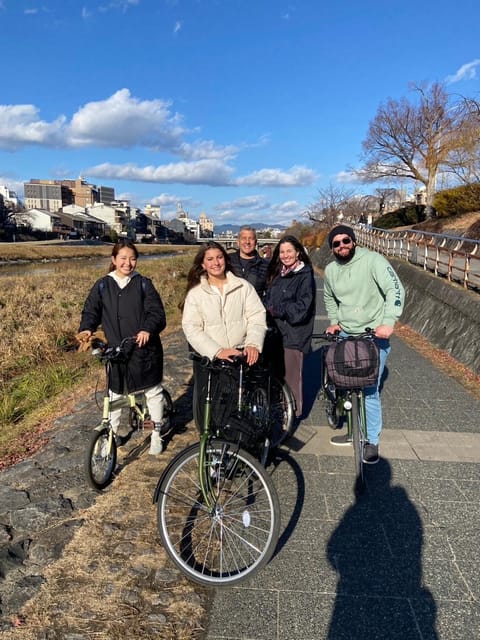
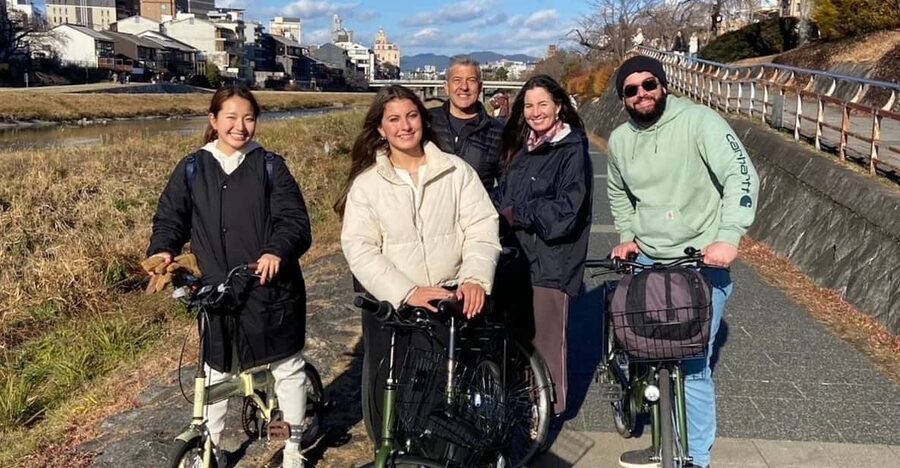
- Ride beside the Kamogawa River: The route includes peaceful riverside cycling and the playful option of crossing stepping stones.
- See four major Kyoto sights: The schedule includes Ginkaku-ji, the Philosopher’s Path, Nanzen-ji, and Heian Jingu.
- Keep the group small: No more than eight people ride together, leaving room for questions and a flexible pace.
- Meet a local guide: Aska and the other guides speak English, have lived abroad, and can offer practical advice for the rest of your Kyoto visit.
- Plan for city riding: You will encounter moderate traffic, pedestrians, and some crowded temple approaches, especially during fall color season.
- Pay $75 for a half day: The price covers the electric bike, helmet, guide, admission, and parking, which makes the outing a reasonable use of a morning or afternoon.
Why a bicycle works so well in Kyoto
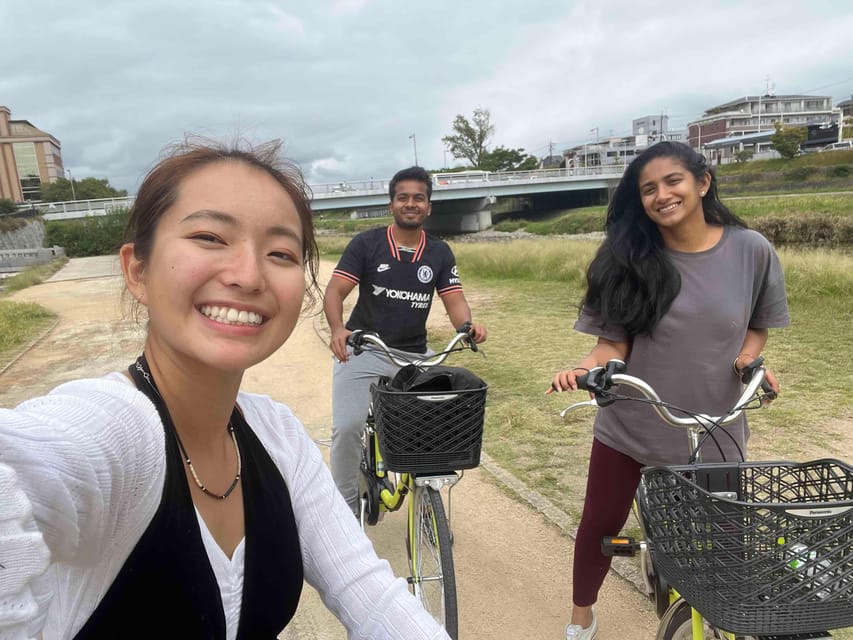
Kyoto’s famous sights are spread across a wide area. Walking between them can eat up much of your day, while buses often move slowly on crowded streets. A bicycle gives you a better connection to the city, especially along the river and canal paths.
The electric motor does not remove the need to pedal, but it takes the strain out of the ride. That matters on a three-and-a-half-hour route, particularly in warm weather or when you have already spent several days walking seven or eight miles each day. One rider described needing only a gentle pedal, and that is the practical appeal here.
You are not simply being transported from one temple gate to another. You see residential streets, riverbanks, local shops, and the changing rhythm of northeast Kyoto along the way. The route also leaves room for conversation, which gives the outing a more personal feel than a large bus tour.
Still, do not confuse an electric bike with a sightseeing vehicle. You must know how to ride a bicycle, balance at slow speed, and pay attention around people and cars. One useful criticism was that a few extra minutes at the start to adjust bikes and review the route would help. Take that adjustment time seriously, even if the shop is busy.
More E-Bike Tours in Japan
- Hidden Kyoto E-Biking tour
★ 5.0 · 1,843 reviews - 5 Top Highlights of Kyoto Full Day Bike Tour (E-bike option)
★ 5.0 · 511 reviews - Kyoto: Memory Kyoto E-Bike Tour
★ 4.8 · 297 reviews
Meeting near Gojo and getting set up
The tour begins at a bicycle rental shop in the Gojo area. From Kyoto Station, the meeting point is about six minutes by train or roughly 20 minutes on foot. You should allow enough time to arrive without rushing, particularly if you need to find the shop, complete the rental process, and get comfortable with the controls.
The package includes an electric bike and helmet. Water and food are not included, so bring water and consider eating before you start. The tour does include an admission ticket and parking fees, which helps keep the $75 price from creeping upward once the ride begins.
Wear comfortable clothing and shoes. High heels are not allowed, and large bags or oversize luggage cannot come along. A small day bag is the sensible choice, but the provided information does not promise storage space, so avoid arriving with a full suitcase.
Aska is the founder and a frequent guide. She studied sociology and international relations in the United Kingdom and has also lived in North Carolina and London. That background helps explain the tour’s conversational tone and its focus on cultural exchange. Other guides, including Natsuki, Tai, Ty, and Tatsuya, may lead some departures. They are described as friendly Japanese guides with experience living abroad.
Kamogawa River and the ride toward Ginkaku-ji
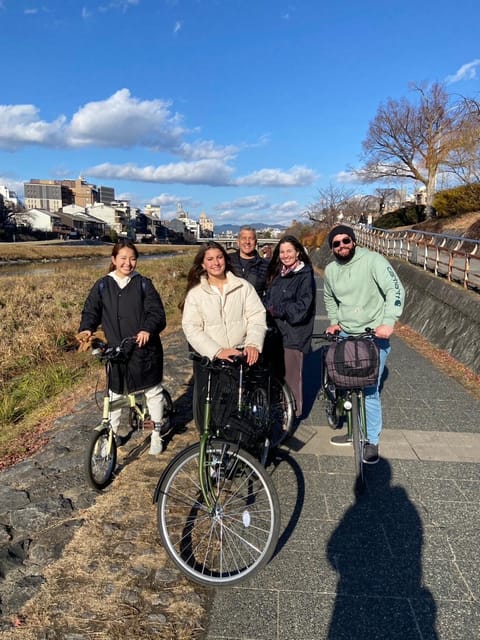
The first part of the ride heads toward Ginkaku-ji, with the Kamogawa River providing one of the most enjoyable sections. You may stop to cross the river on stepping stones, a small but memorable Kyoto moment that breaks up the cycling.
The river route gives you a welcome contrast to temple visits. Instead of moving from one historic entrance to the next, you get open views, water, bridges, and space to watch ordinary city life. The ride is also a good time to get to know your guide and ask about restaurants, later sightseeing, or Japanese customs.
The route is not traffic-free from start to finish. Some stretches are quiet, but you will also use moderately trafficked roads and encounter pedestrians. Keep a steady line, listen to the guide, and do not assume the electric motor makes you safer. If you wobble, dislike riding near cars, or have not cycled for years, this may not be the right Kyoto activity.
Ginkaku-ji and time for a small Kyoto break
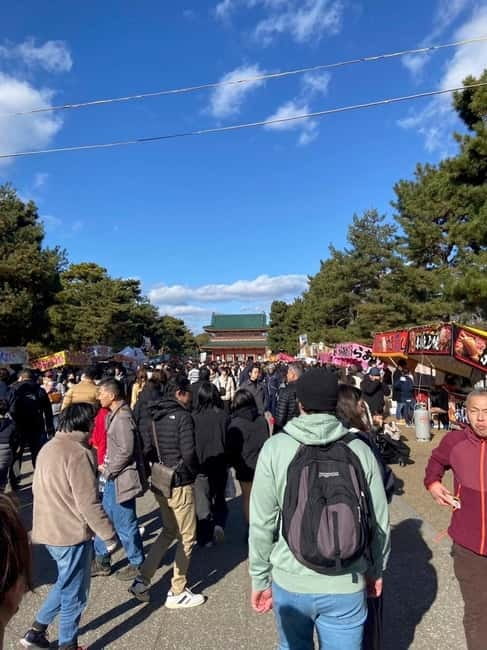
Ginkaku-ji, also called the Silver Pavilion, is the first major stop. The temple is known for its carefully arranged gardens and restrained design rather than flashy decoration. It gives you a quieter, more reflective introduction to Kyoto’s temple culture than some of the city’s most heavily visited sites.
The tour includes entry, so you do not need to purchase a separate admission ticket at this stop. Your guide can explain what you are seeing, answer questions, and help you focus on details that are easy to miss when moving through on your own.
Near the temple is a shopping street where you have free time. This is useful because it lets you set your own pace. You can browse souvenirs, stop for coffee, or try a matcha crepe rather than being marched immediately back to the bikes.
That free time also means the exact rhythm can vary. If you enjoy lingering in shops, you may have less time for an extended stop later. The guides are flexible, but this remains a timed group activity, not a private full-day tour. Tell the guide early if you have a particular interest in souvenirs, food, or photography.
More E-Bike Tours in Kyoto
- E-Bike Tours of the highlights of Kyoto!!!
★ 5.0 · 291 reviews - Kyoto: City Secrets eBike Tour
★ 4.9 · 196 reviews - Historical Kyoto E-Bike Tour
★ 5.0 · 181 reviews - Best of Kyoto: Ginkakuji & Path of Philosophy E-Bike Tour
★ 4.9 · 79 reviews
The Philosopher’s Path by bicycle
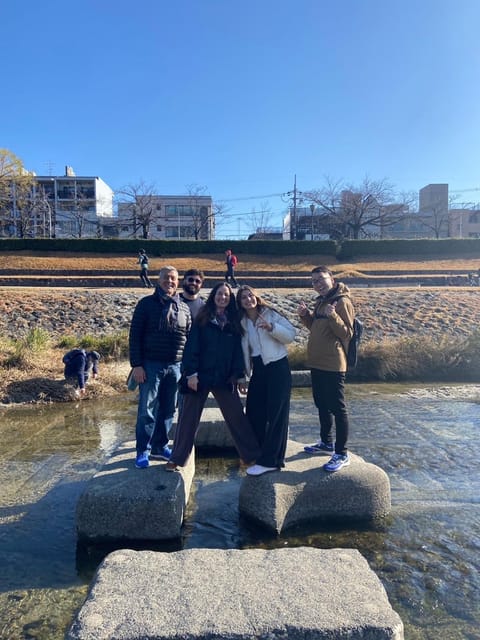
After Ginkaku-ji, the route follows the Philosopher’s Path toward Nanzen-ji. This canal-side walkway is associated with Kyoto’s seasonal beauty, and cycling gives you a way to cover it without spending the entire morning on foot.
The path can be busy. During peak autumn color, people may fill the walking areas, and you may need to slow down or dismount in crowded sections. The ride is pleasant, but do not expect an empty private lane. The guide’s job is partly to help the group move safely and courteously around pedestrians.
This is one of the best parts of the route for seeing how Kyoto changes from one neighborhood to the next. You get temple walls, water, trees, side streets, and small shops in a single stretch. It is also where the value of the e-bike becomes clear. You can save your legs for the stops instead of using all your energy simply to get there.
Nanzen-ji and the aqueduct
Nanzen-ji brings a larger sense of scale. The temple complex is known for its broad entrance and striking views, and the tour allows time to appreciate the setting rather than just pause for a quick photograph.
The route may also include the area’s famous aqueduct, a useful reminder that Kyoto’s historic sights are not limited to temples and shrines. The brick structure adds an industrial and practical note to a morning otherwise shaped by gardens, gates, and religious architecture.
Nanzen-ji can attract crowds, especially on weekends and during the fall leaves. You should be comfortable walking your bike through people or leaving it briefly in the designated area while you look around. The ride avoids Kyoto’s busiest core, but it does not promise solitude at every stop.
The guides receive especially strong praise for giving enough information without turning the outing into a lecture. That balance matters. You get historical, geographic, and cultural context, but there is still time to enjoy the place in front of you.
Heian Jingu closes the route
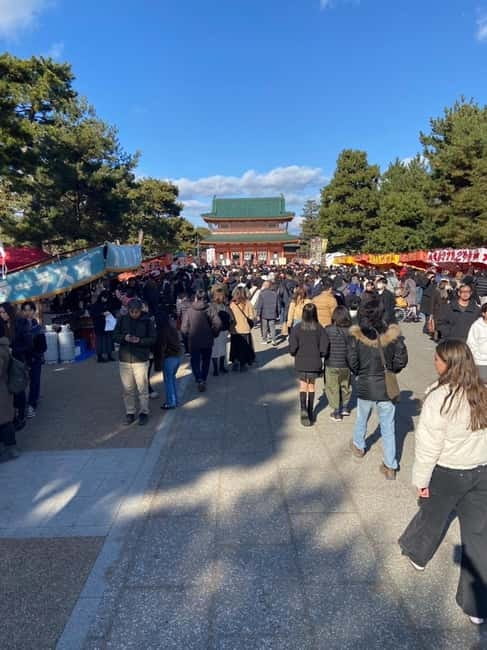
The final listed sight is Heian Jingu, one of Kyoto’s most recognizable shrines. Its spacious grounds and large-scale architecture provide a fitting finish after the more intimate riverside and canal sections.
By this point, you will have seen several different sides of Kyoto: a traditional temple garden at Ginkaku-ji, a leafy canal route, the monumental Nanzen-ji complex, and the open shrine grounds of Heian Jingu. The variety is a major strength of the itinerary. You are not repeating the same kind of stop four times.
The tour ends back at the rental bike shop. If you want to keep the bike for the rest of the day, the operator can arrange continued rental. That option is worth asking about if you still have energy and want to explore independently, though the additional cost is not specified here.
The guide makes the ride feel personal
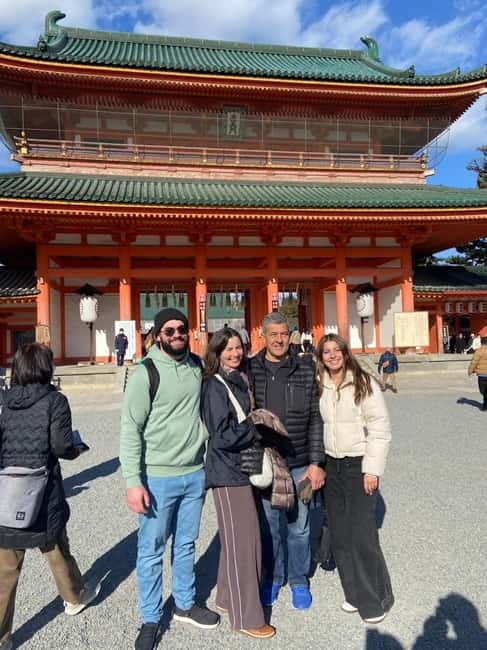
The tour’s best feature is not a particular temple. It is the chance to spend several hours with a local guide who treats the ride as a cultural exchange.
Aska speaks excellent English and has studied and lived outside Japan. That gives her an easy way to explain Japanese customs to an international audience, while also understanding the questions visitors are likely to have. She is described as patient, relaxed, and willing to spend a little extra time at a stop when the group needs it.
Other guides may lead your departure. Tai is described as energetic and fun, while Natsuki and Tatsuya have also received warm praise. You should not book this expecting one guaranteed guide unless the operator confirms it, but the common thread is an English-speaking Japanese guide with an international outlook.
The small group size helps. With a maximum of eight people, it is easier to ask about food, shopping, local etiquette, and the rest of your itinerary. The guide can also notice if someone is struggling with the bike or needs a slower pace.
How difficult is the cycling?
The tour is designed for people with basic cycling ability and a moderate level of fitness. The electric assistance makes the ride easier, and many riders find the pace comfortable. One older couple in their sixties considered the three-and-a-half-hour route manageable, while several people enjoyed it specifically as a break from long walking days.
That does not mean the ride is effortless. You will pedal, stop, start, steer, and deal with city conditions. You may encounter traffic, pedestrians, narrow areas, and crowds near popular sights. Confident cyclists should be fine, but beginners who are nervous in urban settings may prefer a walking tour.
The tour is not suitable for children under 12, pregnant women, wheelchair users, people who cannot ride a bike, or people with a low level of fitness. The supplied information also lists diabetes, altitude sickness, and an age above 95 among the restrictions. The operator accepts no responsibility for injuries or accidents, so take the cycling requirement seriously.
Rain does not automatically cancel the experience. You may ride in raincoats or reschedule, depending on the arrangement. Hot weather is a bigger practical concern in summer. Several people enjoyed the tour on very warm days, but you should bring water, wear suitable clothing, and consider an early departure if available.
Is $75 a fair price?
At $75 per person, this is not the cheapest way to see Kyoto, but it offers more than a basic bicycle rental. The fee includes the electric bike, helmet, guide, admission, and parking. You also get route planning, navigation, and local advice for roughly half a day.
The value is strongest if you want to cover several sights without spending the day on foot or working out Kyoto’s transport connections. It is also good value for solo visitors or couples who want company and conversation. A private guide would normally cost more, while a large group tour would offer less personal attention.
The price is less compelling if you already know Kyoto well, are happy cycling alone, or mainly want a long bike rental. In that case, you might prefer to rent a bicycle independently and set your own schedule. The guided route earns its price through convenience and context, not luxury.
Free cancellation up to 24 hours before the start and the option to reserve now and pay later make the booking less risky. Those policies are useful in Kyoto, where rain and intense summer heat can change your plans.
Who should book this Kyoto e-bike tour?
I would choose this tour for a first or second visit to Kyoto when you want to see several important sights but avoid spending every day on buses and crowded streets. It also suits solo visitors, couples, and small groups who enjoy asking questions and meeting people.
It is a particularly good fit if you:
- Like active sightseeing but do not want a demanding cycling workout
- Want a local Japanese guide who speaks English
- Prefer rivers, canals, side streets, and temple areas over Kyoto’s busiest attractions
- Need practical recommendations for food and later sightseeing
- Want a small group rather than a large coach tour
- Are comfortable riding near traffic and pedestrians
I would skip it if you cannot ride confidently, dislike urban cycling, need fully accessible transport, or want a slow temple visit with no fixed route. Families should also check the age rule carefully, since children under 12 are not accepted even though one past family group included an 11-year-old.
Should you book it?
Book it if you want Kyoto to feel like a city rather than a checklist of temple entrances. The route gives you four important sights, a pleasant river ride, time for a matcha crepe or coffee, and a guide who can help shape the rest of your visit.
The main decision is not the price. It is your comfort on a bicycle. If you can ride steadily in a city and handle some pedestrian traffic, the electric bike makes this a smart, social way to see northeast Kyoto. If you are uncertain on two wheels, choose a walking or vehicle-based tour instead.
FAQ
How long does the Kyoto e-bike tour last?
The tour lasts about 210 minutes, or roughly three to three and a half hours.
What places does the route visit?
The route includes the Kamogawa River, Ginkaku-ji, the Philosopher’s Path, Nanzen-ji, and Heian Jingu Shrine.
Where does the tour begin?
You meet the guide at a bicycle rental shop in the Gojo area. The meeting point is about six minutes from Kyoto Station by train or 20 minutes on foot.
Is the tour conducted in English?
Yes. The live tour guide language is English. Aska and the other Japanese guides may also have international living or study experience.
What is included in the $75 price?
The price includes the electric bicycle, helmet, tour guide, admission ticket, and parking fees. Water, food, hotel pickup, hotel drop-off, and tips are not included.
Do I need to be an experienced cyclist?
You do not need advanced cycling skills, but you must know how to ride a bicycle and feel comfortable around traffic and pedestrians. The tour is not suitable for people who cannot ride or have a low level of fitness.
Can I continue using the bicycle after the tour?
Yes. The operator can arrange continued bike rental after the tour if you would like to keep exploring Kyoto.
More Hidden Gems Bike Tours in Kyoto
- Small Group Guided Bike Tour of Amsterdam’s Hidden Gems
★ 5.0 · 3,936 reviews - Bangkok: Temples, Canals & Local Life Bike Tour
★ 4.9 · 3,511 reviews - Rome: Top Highlights & Hidden Gems Tour by Cannondale E-Bike
★ 4.9 · 1,760 reviews - Amsterdam: Off the Beaten Path Bike Tour in French
★ 4.9 · 1,632 reviews
More Hidden Gems Bike Tours in Japan
- Arashiyama Bamboo Forest & Hidden Gems Bike Tour (Early Bird)
★ 5.0 · 613 reviews - Kyoto: Hidden Gems E-Bike Tour Through Backstreets & Temples
★ 4.9 · 54 reviews - Kyoto: Tailored E-Bike Tour to Highlights & Hidden Gems
★ 4.9 · 32 reviews - Cycle Kyoto’s Hidden Gems & Gion Stroll
★ 5.0 · 29 reviews
Newest rides we have reviewed in Kyoto
- Best of Kyoto: Ginkakuji & Path of Philosophy E-Bike Tour★ 4.9 · 79 reviews
- Kyoto: Tailored E-Bike Tour to Highlights & Hidden Gems★ 4.9 · 32 reviews
- Kyoto: Full Day Bike Tour★ 4.9 · 39 reviews
- Kyoto: Half-day Guided Bike Tour with Fushimi Inari★ 4.9 · 21 reviews
- Kyoto: Early Bird E-Bike Tour with Lunch★ 5.0 · 14 reviews
- Kyoto: Full-Day City Highlights Bike Tour with Light Lunch★ 5.0 · 52 reviews
- Cycle Kyoto’s Hidden Gems & Gion Stroll★ 5.0 · 29 reviews
- Kyoto: Arashiyama Bamboo Forest Morning Tour by Bike★ 5.0 · 115 reviews
Hidden Gems Bike Tours, compared.
Small Group Guided Bike Tour of Amsterdam’s Hidden Gems
Read our review →

Top Highlights & Hidden Gems Tour by Cannondale E-Bike
Read our review →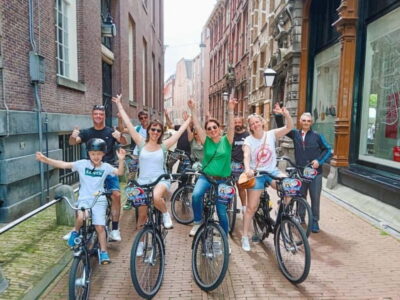
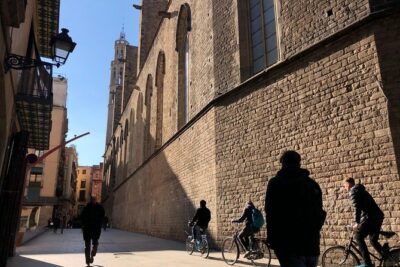
Barcelona 3-hour Bike or E-Bike Tour: Highlights and Hidden Gems
Read our review →