
REVIEW · HIDDEN GEMS BIKE TOURS IN KYOTO
Cycle Kyoto’s Hidden Gems & Gion Stroll
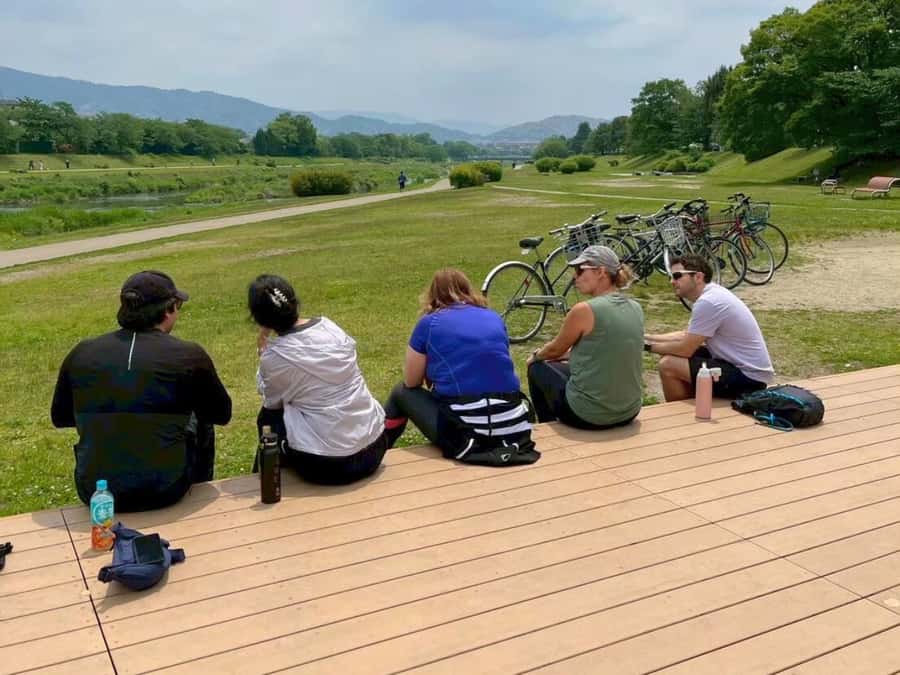
Kyoto is at its best when you leave the main temple route behind, and this tour gives you a practical way to do that. You pedal beside the river, pass quiet neighborhoods and university campuses, visit the Imperial Palace and Shimogamo Shrine, then finish with a Gion or Pontocho walk.
I like the mix of major sights and peaceful local corners. I also like the human touch: guides including Benjamin, Ko, Claire, and Mr. Go are praised for patient explanations and thoughtful pacing. The main drawback is simple: you need to be comfortable on a bicycle, and the tour is not suitable for children under nine.
Key points to know before you book
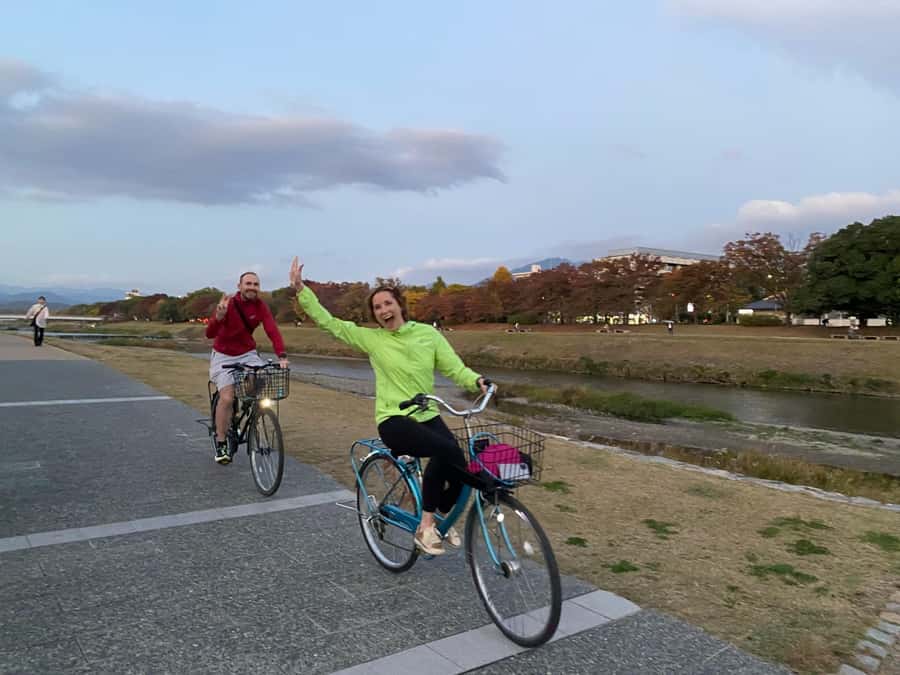
- Riverside riding comes first: Begin on a calm road beside the water, with open sky and a chance to feel Kyoto at street level.
- The route mixes famous and quiet places: See the Imperial Palace, a Zen temple, and Shimogamo Shrine without spending the whole morning in crowded sightseeing zones.
- Shimogamo Shrine offers a slower pause: Its old forest and traditional buildings give the ride a peaceful center.
- Tea and sweets are included: Stop at a traditional snack shop for Japanese tea and a sweet.
- Gion adds cultural context: The final walk explains Kyoto’s Flower Towns and geisha culture.
- Electric bikes cost extra: You can request one for 1,000 yen, paid locally.
Why cycling works so well in Kyoto
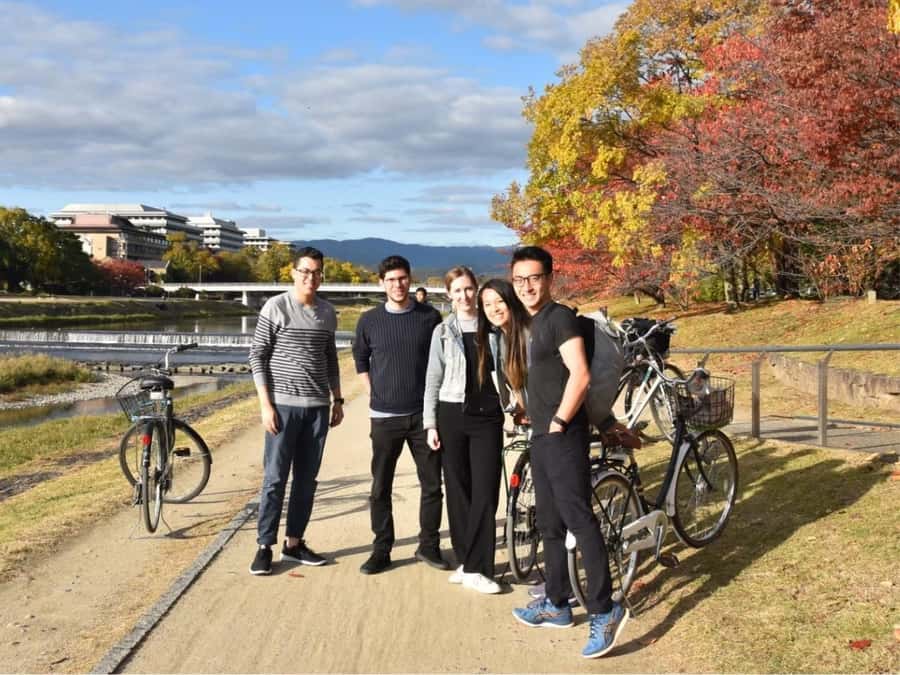
Kyoto is not a difficult city to appreciate, but its best places are spread out. Walking between them takes time, while public transport can leave you with a gap between the station and the quiet lane you actually want to see. A bicycle fills that gap nicely.
This route uses the bike for more than simple transport. You get fresh air, open views, and a sense of how the city fits together. The ride follows riverside paths, residential streets, and calmer stretches near university campuses. You see Kyoto as a living city rather than a chain of famous entrances.
The pace also allows for regular stops. That matters in warm or humid weather, when a long sightseeing walk can become tiring. One family with nine- and ten-year-old children found the guides patient and kind, and especially enjoyed riding beside the river on a hot day. Still, you should be honest about your cycling ability before booking. This is an active tour, not a sightseeing bus with a short optional ride.
The bikes are included, and an electric bike is available for an additional 1,000 yen. If hills or heat concern you, that extra charge may be sensible. The route is described as refreshing, but Kyoto summers can still feel heavy, so bring water and wear clothing suited to the forecast.
More Hidden Gems Bike Tours in Japan
- Arashiyama Bamboo Forest & Hidden Gems Bike Tour (Early Bird)
★ 5.0 · 613 reviews - Kyoto: City Secrets eBike Tour
★ 4.9 · 196 reviews - Kyoto: Hidden Gems E-Bike Tour with Local Japanese Guide
★ 4.9 · 189 reviews
Starting beside Sanjo Bridge
The meeting point is at the kneeling man statue on the southeast corner of the Sanjo Ohashi intersection. From the east end of Sanjo Ohashi Bridge, cross the street and look for the statue.
If you arrive by subway, the instructions advise reaching street level first, then finding the meeting point above ground. That is useful advice in Kyoto, where underground exits can put you on the wrong side of a large intersection. Give yourself enough time to orient yourself rather than racing in at the last minute.
The activity ends back at the same meeting point after the walk. Since there is no luggage storage listed, bring only what you need. Large bags, luggage, smoking, and pets are not allowed. A small day bag, water bottle, camera, and comfortable shoes are the sensible choices.
From the riverside to a quiet shrine
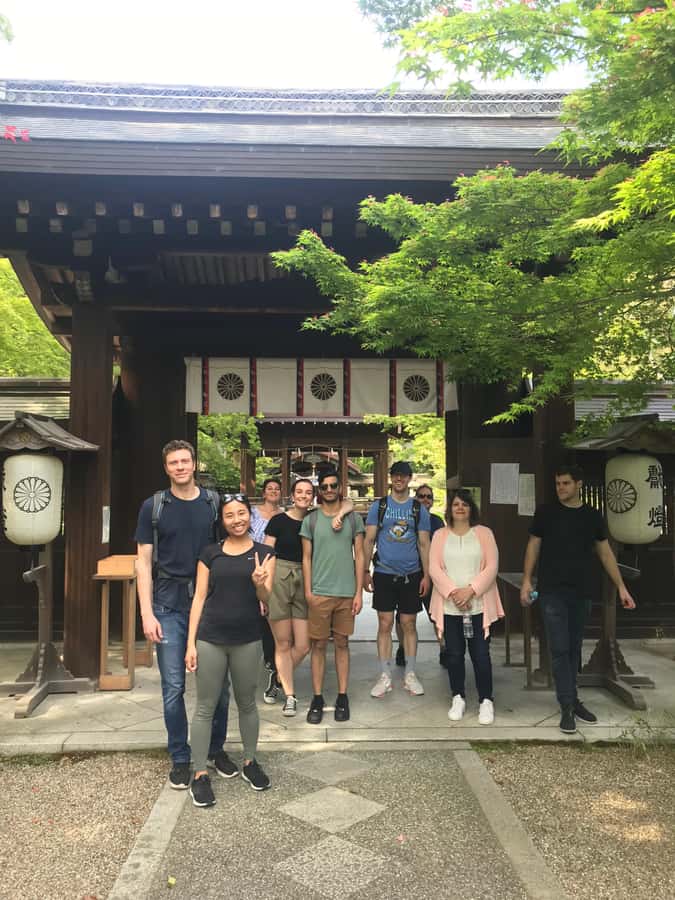
The ride begins along a peaceful riverside road. This is one of the strongest parts of the experience because it eases you into Kyoto without dropping you straight into traffic or a packed sightseeing district.
You will stop at a lesser-known shrine where you can try natural spring water. That small detail gives the ride a local feel. It is not just a photo stop. You get a short pause, a taste of place, and a reminder that Kyoto’s religious sites are often woven into ordinary neighborhoods.
The route then moves toward the Imperial Palace. Riding gives you a useful sense of scale here. The palace grounds are large, and their broad spaces feel quite different from Kyoto’s narrow lanes and crowded temple approaches. You will not simply be transferred from one gate to another. The bicycle connects the river, the central city, and the palace area in one continuous outing.
The exact stops can vary, particularly in rainy weather. The listed destinations are examples rather than an absolute promise, so you should think of the tour as a guided route through northern and central Kyoto, not a fixed checklist of every named location.
The Imperial Palace, a Zen temple, and local streets
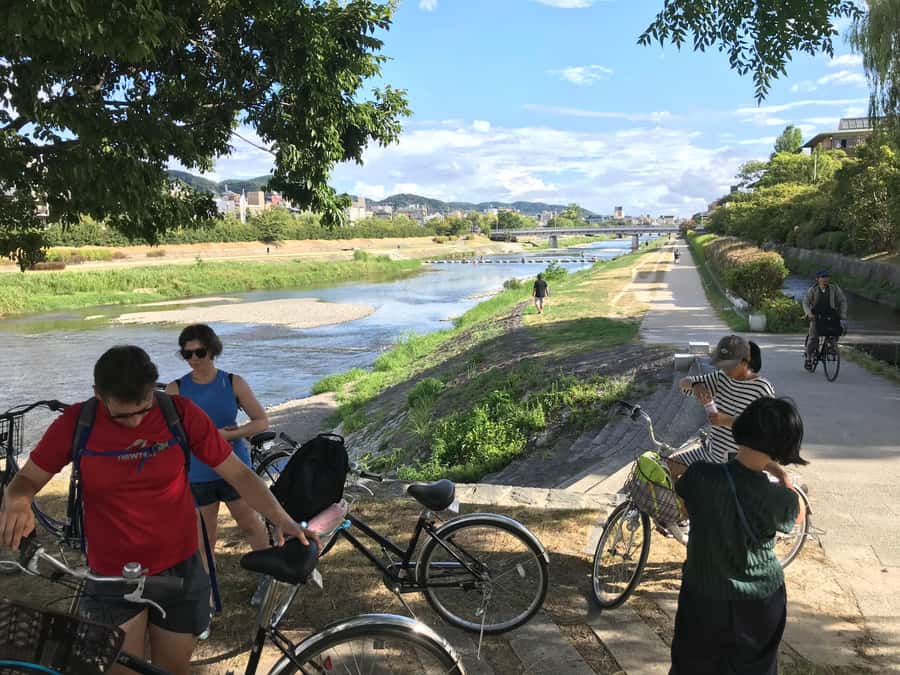
The Imperial Palace is one of the route’s major anchors. It gives you a chance to see a large ceremonial side of Kyoto, with space to breathe after the smaller streets. The visit is paired with a famous Zen temple, creating a useful contrast between imperial Kyoto and religious Kyoto.
The tour also passes through university campuses and quiet residential areas. These stretches may not appear on a first-time visitor’s must-see list, but they help explain the city’s daily rhythm. You see where people study, live, and move about between major sights.
That is also where a guide earns the fee. A map can show you the palace and a shrine, but it will not necessarily lead you through calm connecting streets or explain why one small stop is worth your time. Guides such as Benjamin, Ko, Claire, and Mr. Go are singled out for being friendly, informative, and attentive to the group.
The route is not designed for a rushed collector of famous sites. You will stop, listen, take photographs, and continue at a moderate pace. One rider particularly liked the frequency of the stops, saying the morning included major sights as well as quieter places that would be easy to miss alone.
More Hidden Gems Bike Tours in Kyoto
- Kyoto: Hidden Gems E-Bike Tour Through Backstreets & Temples
★ 4.9 · 54 reviews - Kyoto: Tailored E-Bike Tour to Highlights & Hidden Gems
★ 4.9 · 32 reviews
Shimogamo Shrine and its old forest
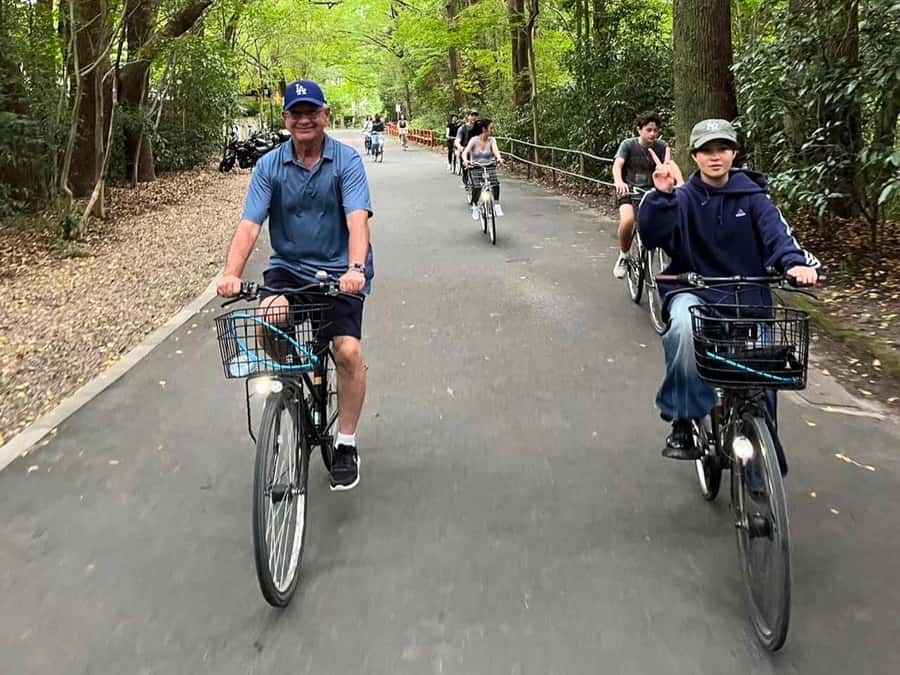
Shimogamo Shrine is a UNESCO World Heritage site and one of the most appealing stops on the ride. Its setting includes a primitive forest, which gives the shrine a cooler and more sheltered feel than an open urban plaza.
The combination of trees and traditional buildings makes this a strong place for photographs, but the stop is not only visual. The forest creates a sense of separation from the city, even though you remain within Kyoto. Several people who took the ride appreciated visiting local shrines and temples where the atmosphere felt calm and unhurried.
This stop also shows the value of the bicycle. You reach a major cultural site, but the route does not treat it as an isolated attraction. You arrive through quieter parts of the city, which makes the change in mood more noticeable.
As with the other stops, the visit may be adjusted if rain changes the plan. Entrance fees for a temple or shrine used as an alternative on a rainy day are included. That is a useful safeguard, since the tour runs rain or shine.
The river junction and the ride back
After Shimogamo Shrine, the route continues to a distinctive river junction. The exact character of the spot is part of the appeal: several waterways meet, giving you a different view of Kyoto’s relationship with its rivers.
The return follows a scenic riverside route with lighting along the way. This final section lets you settle into the ride instead of ending with a hard push through busy roads. You get another chance to enjoy the open air and reflect on the contrast between the palace grounds, wooded shrine, residential streets, and water.
I would consider this route especially well suited to a morning or early afternoon when you want a change from indoor sightseeing. You should still pack water and dress for the weather. The ride is described as refreshing, but that does not remove the effects of heat, humidity, or rain.
Tea, Japanese sweets, and a traditional shop
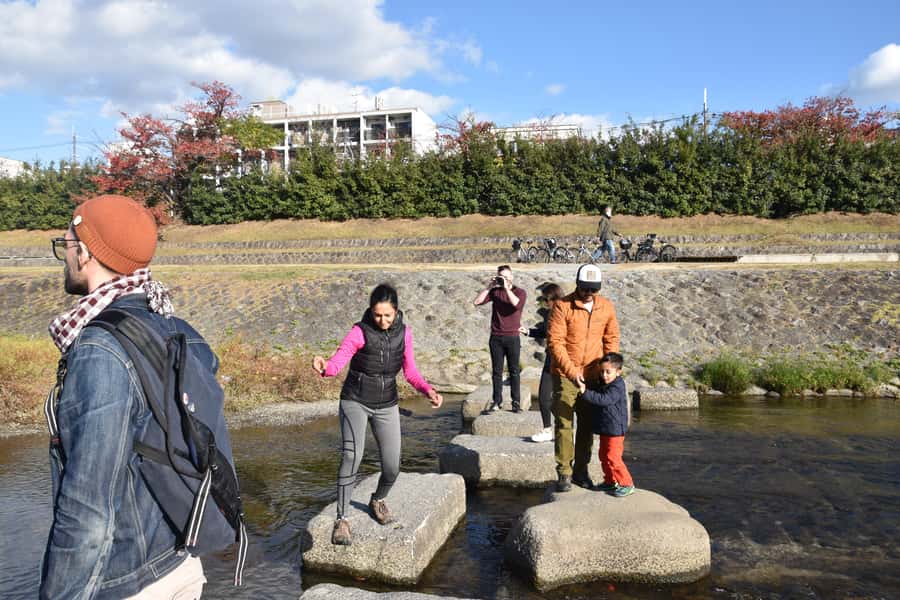
A Japanese sweet and tea stop is included at a traditional snack shop. This is a small but worthwhile part of the day. The snack gives you a taste of a traditional food culture without requiring a full restaurant meal, and the tea stop creates a natural break after the cycling.
Ko’s guidance was especially appreciated during this part of the experience. You may find that the snack becomes one of the more memorable moments because it slows the tour down and gives you time to ask questions.
Do not expect a large meal. The included item is a sweet and Japanese tea, so you should eat beforehand if you need substantial fuel for the bike ride. The tour can also help with restaurant and bar suggestions later in the walking portion, based on your requests.
Gion or Pontocho after the bikes
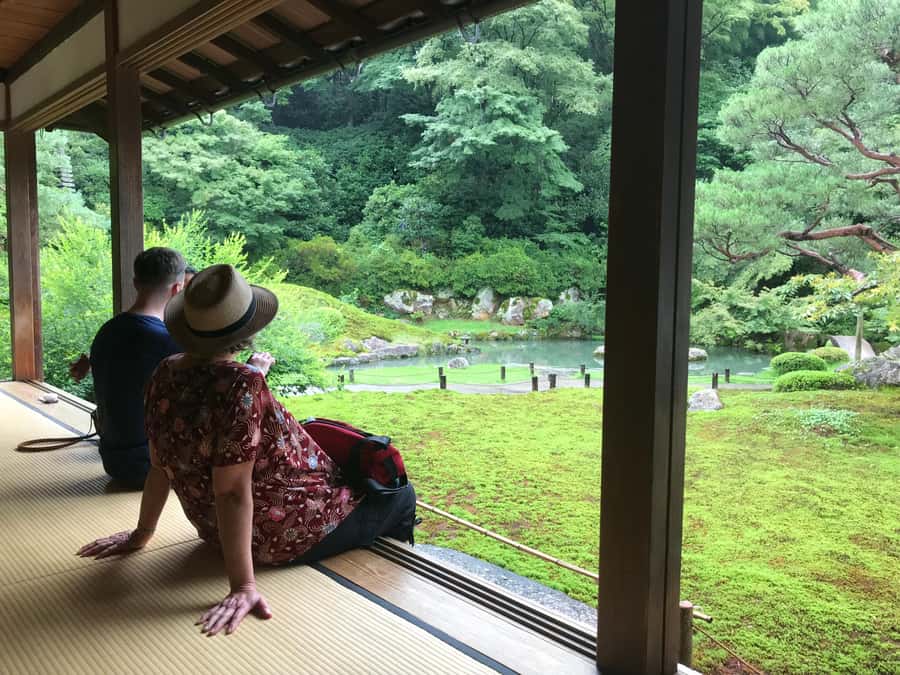
Once the bikes are returned, the experience shifts from cycling to a 30-minute town walk. Depending on the plan, this takes place in Gion or Pontocho, two of Kyoto’s best-known entertainment areas.
The walk focuses on the Flower Towns, the traditional districts associated with geisha. Your guide explains the culture and working system behind these areas, which is more useful than simply wandering through photogenic streets without context. You may also spot a geisha, though that is a possibility rather than a promise.
This short walk is a good finishing touch because it changes the pace. After several hours outside, you are no longer concentrating on the road or the next turn. You can look closely at the streets, listen to explanations, and take photographs.
Keep your expectations respectful. Gion is a working neighborhood, not a stage set. The value of the walk is learning how the district functions and seeing its traditional streets with some cultural background.
What the $73 price gets you
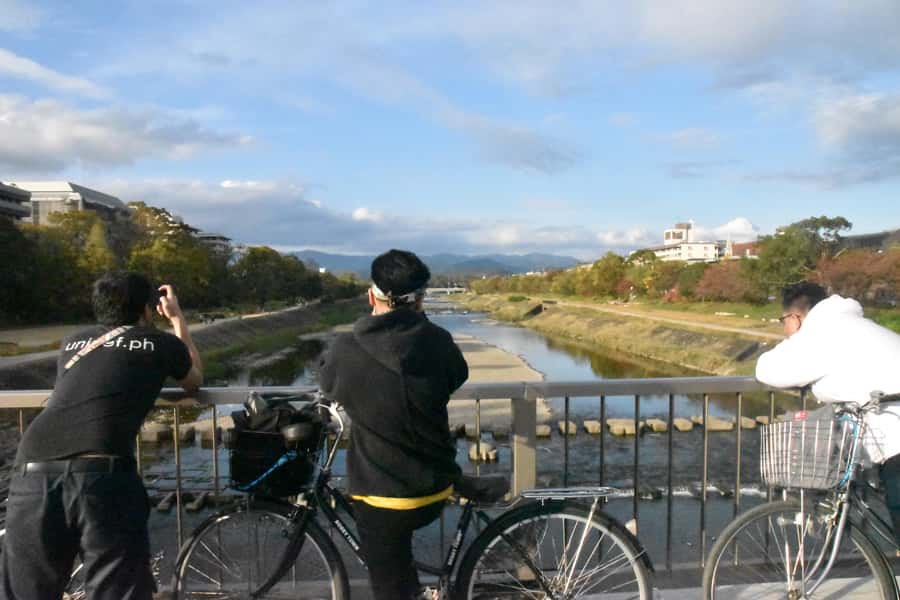
At $73 per person, the tour is not the cheapest way to see Kyoto’s major sights. You are paying for several hours of bike use, a guide, route planning, cultural explanations, the tea and sweet stop, and the added Gion or Pontocho walk.
The value is strongest if you want to visit several parts of Kyoto in one outing without working out the route yourself. You also gain access to quieter stops that can be awkward to connect by public transport. The price is less compelling if you only want to see the Imperial Palace or Shimogamo Shrine, since you could visit individual sites independently.
The included bike matters. So does the chance to request an electric model for 1,000 yen more. That extra fee is reasonable for anyone concerned about stamina, though the tour does not claim to be suitable for people who cannot ride.
The perfect score from 29 ratings reflects a consistent pattern in the feedback: people value the friendly guides, smooth organization, peaceful stops, and mix of major and lesser-known places. Benjamin is praised for restaurant suggestions, Ko for the tea and sweet stop, Claire for choosing a good pace, and Mr. Go for patience with children.
Who should choose this ride
I would recommend this experience to families with children aged nine and up who can already ride comfortably. It also suits couples, solo visitors, and first-time Kyoto visitors who want an active introduction to the city.
You should book it if you like:
- Seeing a city by bicycle rather than only by train
- Mixing famous sights with quiet local areas
- Having a guide explain shrine, temple, and geisha culture
- Taking regular stops for photographs and short breaks
- Getting restaurant ideas for later in your stay
You may want a different activity if cycling is uncomfortable, if you want a slow temple-focused day, or if you carry large bags. The tour runs in rain or shine, so flexible clothing and a willingness to accept route changes are important.
Comfortable shoes are required, and you should bring water, a camera, and weather-appropriate clothing. The experience is offered in English. You can reserve now and pay later, and cancellation is allowed up to 24 hours in advance for a full refund.
Should you book Cycle Kyoto’s Hidden Gems & Gion Stroll?
Book it if you want Kyoto to feel like a city you are moving through, not just a list of monuments. The route combines riverside riding, the Imperial Palace, a Zen temple, Shimogamo Shrine, a tea and sweet stop, and a short Gion or Pontocho walk in one well-filled outing.
The best reason to choose it is the balance. You get famous places, quiet streets, local refreshments, and useful cultural background without spending the entire day on a bicycle. Just check that everyone in your group can ride, leave the large bags behind, and consider the electric bike if heat or stamina may be an issue.
FAQ
How long does the experience last?
The bike portion lasts about 3.5 hours, followed by a 30-minute walk through Gion or Pontocho.
Where does the tour start?
It starts at the kneeling man statue on the southeast corner of the Sanjo Ohashi intersection. From the east end of Sanjo Ohashi Bridge, cross the street to find it.
Where does the tour end?
The activity ends back at the original meeting point.
What sights are included on the bicycle route?
The route may include a riverside road, a shrine with natural spring water, the Imperial Palace, a famous Zen temple, university campuses, residential streets, Shimogamo Shrine, and a river junction.
Is the Gion walk guaranteed?
The walking portion takes place in Gion or Pontocho. The exact destinations can vary, and the listed stops are examples.
Is tea included?
Yes. Japanese tea and a Japanese sweet at a traditional snack shop are included.
Can I use an electric bicycle?
Yes. An electric bike is available for an additional 1,000 yen, paid on the spot.
Is the tour suitable for children?
It is not suitable for children under nine. Children aged nine and ten have taken part, but everyone must be able to ride a bicycle.
What happens if it rains?
The experience runs rain or shine. The destinations may change, and entrance fees for a temple or shrine used as an alternative rainy-day plan are included.
Newest rides we have reviewed in Kyoto
- Best of Kyoto: Ginkakuji & Path of Philosophy E-Bike Tour★ 4.9 · 79 reviews
- Kyoto: Tailored E-Bike Tour to Highlights & Hidden Gems★ 4.9 · 32 reviews
- Kyoto: Half-day Guided Bike Tour with Fushimi Inari★ 4.9 · 21 reviews
- Kyoto: Full Day Bike Tour★ 4.9 · 39 reviews
- Kyoto: Early Bird E-Bike Tour with Lunch★ 5.0 · 14 reviews
- Kyoto: Full-Day City Highlights Bike Tour with Light Lunch★ 5.0 · 52 reviews
- Kyoto: Arashiyama Bamboo Forest Morning Tour by Bike★ 5.0 · 115 reviews
- Kyoto: Afternoon Bamboo Forest and Monkey Park Bike Tour★ 4.9 · 83 reviews
Hidden Gems Bike Tours, compared.
Small Group Guided Bike Tour of Amsterdam’s Hidden Gems
Read our review →

Top Highlights & Hidden Gems Tour by Cannondale E-Bike
Read our review →
Barcelona 3-hour Bike or E-Bike Tour: Highlights and Hidden Gems
Read our review →

Other lists this ride turns up in