REVIEW · CYCLING TOURS
Santiago: Highlights, Parks and Politics Bike Tour
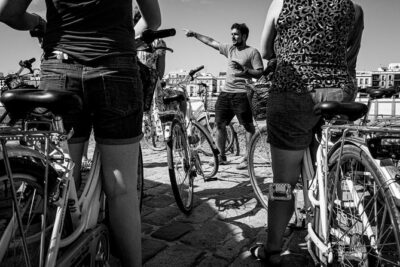
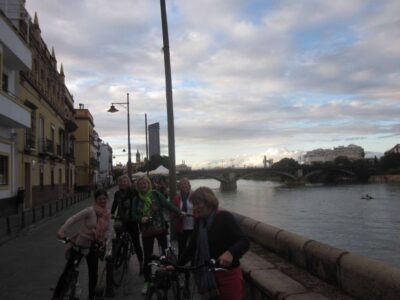
Santiago’s political story comes into sharper focus when you pedal from leafy parks to La Moneda, the presidential palace. This is less a workout than a moving city lesson, with local guides such as Isabella, Valentina, Juan Pablo, and Ales explaining the monuments, Chilean politics, and the events of October 2019. I like the relaxed cruiser bikes and the route’s mix of Forestal Park, Bustamante Park, and downtown streets. I also like the small group, capped at 10 people, which makes it easier to ask questions.
The main consideration is that politics is the heart of the tour, not a side note. If you want a fast sightseeing ride with little commentary, this may feel too talk-heavy. You should also be comfortable riding in city streets, although the route is described as flat and designed for people who are not serious cyclists.
Key points at a glance
- A three-hour ride through Santiago’s green spaces: Forestal and Bustamante Parks provide shade and a softer start before the route reaches the city center.
- Politics shapes the commentary: La Moneda, the Gabriela Mistral Cultural Center, monuments, and the events of October 2019 all help explain modern Chile.
- Easy cruiser bikes, not a race: The route is flat, and the tour is presented as suitable for all people who can ride, not only sporty cyclists.
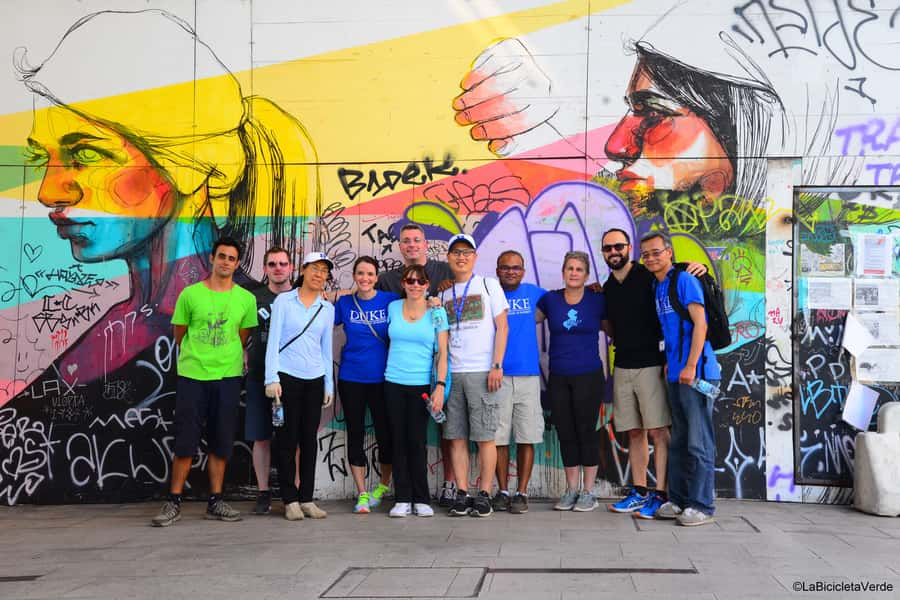
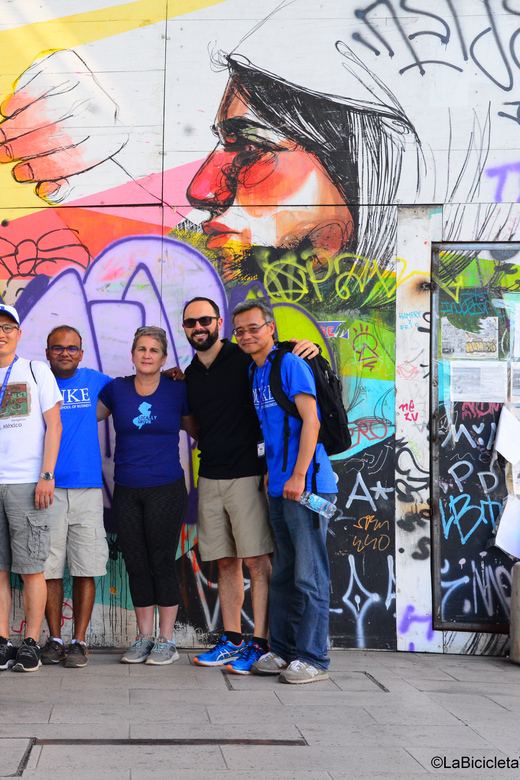
- A useful small-group setup: With no more than 10 participants, you get a better chance to hear the bilingual guide and ask about Chilean life.
- Thoughtful extras are included: You receive a helmet, water, sunscreen, and handcrafted ice cream, with coffee or espresso offered instead if you prefer.
- Good value at $45: For three hours of guiding, equipment, historical stops, and a snack, the price is fair, especially if you want an introduction to central Santiago.
Why this is more than a standard city bike ride
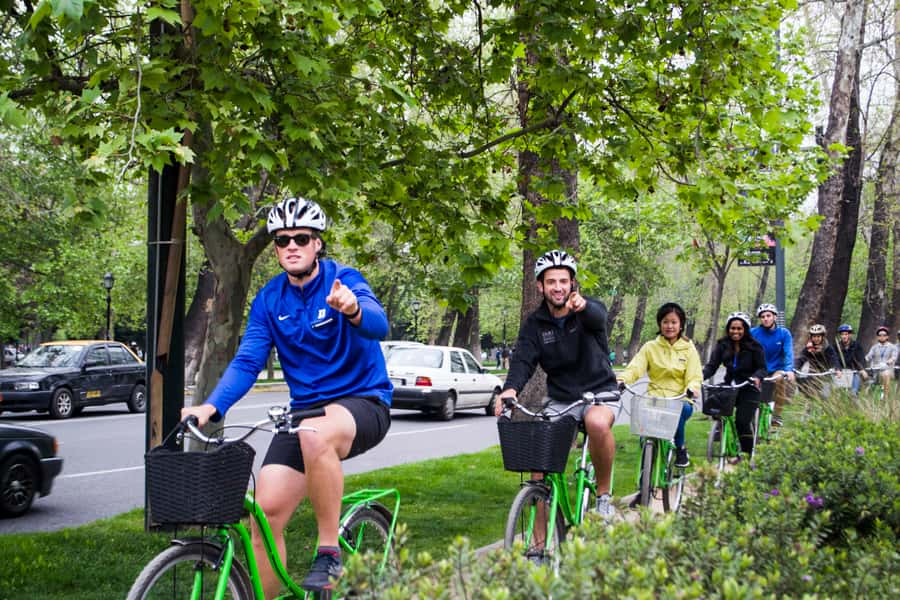
Many city bike tours are mainly about checking off buildings. This one uses the bicycle to connect Santiago’s public spaces with the country’s political story. You move from tree-lined parks to major civic sites, so the city changes around you as the guide explains what you are seeing.
I like that balance. You get a practical sense of central Santiago, but you are not left with a string of names and dates. The guide can explain why a monument matters, how politics affects daily life, and why October 2019 remains such an important reference point for Chileans.
The three-hour length works well. It gives you enough time to see several areas without turning the afternoon into a hard endurance session. You will spend time riding, stopping, listening, and asking questions. That rhythm is important because the political background needs a little time to make sense.
The tour is offered in English and Spanish. Past guides have included Isabella, Valentina, Juan Pablo, Camille, Ales, and others. Guide assignments can change, but the experience depends heavily on the person leading it. The strongest guides on this route have been praised for clear English, thoughtful answers, a fair presentation of political subjects, and good attention to safety.
More City Highlights Bike Tours in the world:
- 3-Hour Porto Highlights on a Electric Bike Guided Tour
★ 5.0 · 4,392 reviews - Porto: City Highlights 3-Hour Guided Electric Bike Tour
★ 4.8 · 3,092 reviews - Highlights & Hidden Spots of Barcelona Bike Tour w/ Local Guide
★ 4.5 · 3,009 reviews
Starting near Baquedano and Plaza Mori
You meet at Constitución 153, next to Plaza Mori and near Baquedano Metro Station. This is a useful location for a central Santiago outing, especially if you are already exploring the area around Baquedano.
At the start, expect to get fitted with a beach cruiser city bike and a helmet. The helmet is mandatory under Chilean law, and it is supplied as part of the tour. Bottled water and sunscreen are also included, which matters on a sunny afternoon when much of the route is outdoors.
The cruiser-style bicycle is a good match for the tour’s pace. It is intended for comfort rather than speed, and the route is described as flat. You do not need to be a sports person, but you do need to be able to ride a bicycle and manage a city route.
Bring a camera, some local currency, and clothes that work for changing between shade and sun. Local currency may be useful if the route includes a market or another stop where you want to buy something. The supplied information does not promise a full market visit on this particular route, so think of cash as a practical backup rather than a required expense.
Forestal Park: a calm start under the trees
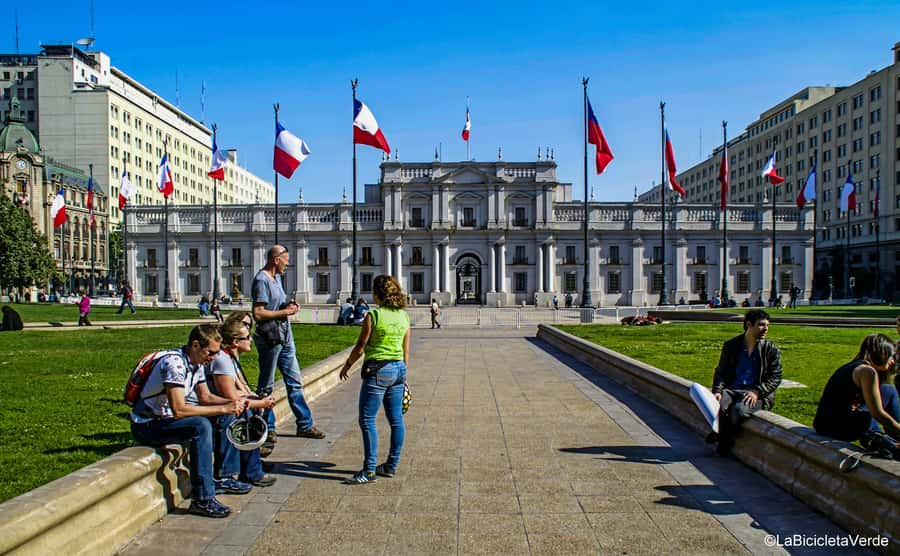
Forestal Park gives the tour a pleasant opening. Instead of beginning with dense traffic and major buildings, you start among large trees and open green areas. That makes it easier to settle into the bicycle and learn the group’s pace.
The park section also shows you a side of Santiago that can be missed when you move only between museums and plazas. Public parks are part of how city residents use central Santiago, and they offer a useful contrast to the surrounding buildings and streets.
You will have the chance to hear about Santiago’s local culture while riding. The tour also includes some Chilean slang, a small but useful touch. Learning a few everyday words can make later conversations, food orders, and casual encounters feel less formal.
The park riding is not presented as a technical cycling section. It is there to help you see the city at ground level. You can look up at trees, notice the transition from park to street, and begin to understand how the route links separate parts of central Santiago.
Bustamante Park and Santiago’s bike network
The ride continues through Bustamante Park, another green corridor in the city. Together, Forestal and Bustamante show why this tour is not simply a downtown architecture circuit. You get a look at Santiago’s efforts to make cycling part of city life.
The tour uses some of Santiago’s growing network of bike lanes. That is useful context in itself. You are not just being driven past the city’s transport changes. You are using part of that network, which gives you a better feel for how cycling fits into the urban environment.
A guide’s presence is especially helpful here. You can focus on the route while the guide handles the stops and gives context. The group is small, with a limit of 10 people, so the ride should feel more manageable than a large bicycle procession.
Still, this is a city ride. The tour description emphasizes safety and an inclusive pace, but it does not promise a completely car-free route. If riding near urban traffic makes you nervous, ask yourself if you will be comfortable on a bicycle in central Santiago before booking.
More Cycling Trips in the world:
- Lion City Bike Tour of Singapore
★ 5.0 · 6,211 reviews - Big Bike tour Amsterdam – See all in 3 unforgettable hours
★ 4.7 · 4,929 reviews - Ninh Binh Full-Day Tour from Hanoi to Hoa Lu, Tam Coc & Mua Cave Via Boat & Bike
★ 5.0 · 4,384 reviews - Small Group Guided Bike Tour of Amsterdam’s Hidden Gems
★ 5.0 · 3,936 reviews
Gabriela Mistral Cultural Center and modern Chile
The Gabriela Mistral Cultural Center, often called GAM, is one of the major cultural stops. The route takes you all the way there, and the guide talks through the building’s background and the wider history connected with the site.
GAM gives the political discussion a cultural setting. This is not only a stop for photographs. It helps show how Chile’s public life, art, architecture, and political changes overlap.
You should expect to stop and listen rather than simply cycle past. The guide may explain the background of monuments and figures you encounter along the way. That is where the tour’s value goes beyond transportation: the building becomes part of a larger conversation about Chilean society.
The exact amount of time at each stop can vary, since the tour is guided and group questions affect the pace. If you want a detailed visit inside the cultural center, this bicycle tour is not the same as a dedicated GAM admission tour. Its purpose is to place the center in the story of Santiago and Chile.
La Moneda and the political heart of Santiago
The stop at Palacio de La Moneda is the tour’s clearest political anchor. As Chile’s presidential palace, it gives the guide a natural place to explain the country’s political history and how that past continues to shape society.
This is where the tour is likely to feel most serious. You are not just looking at an impressive government building. You are hearing why the site matters and how monuments and public spaces carry political meaning.
The commentary includes recent history, with special attention to October 2019. That period remains important in Santiago’s public life, and understanding it can help you read the city with more care. The tour does not treat politics as a simple list of opposing opinions. The guide’s role is to provide context and answer questions, and the best experience will be one where you listen with an open mind.
Juan Pablo has been praised for offering historical detail without bias, while Isabella and Valentina have also been singled out for clear explanations of Chilean politics and history. That gives you a sense of the style to expect: serious subject matter, presented in an accessible way rather than as a lecture from a textbook.
If politics and recent history interest you, this stop may be the strongest reason to book. If your ideal bike tour is mostly parks, photos, and food, you may find the discussion more substantial than expected.
Monuments, architecture, and the ride between stops
The route is designed around the spaces between the headline stops as much as the stops themselves. You will see big trees, skyscrapers, distinctive architecture, and public monuments from the saddle. This helps you understand how the older civic core and newer city development sit beside one another.
Cycling also gives you a different scale than walking. You cover more ground than you would on foot, but you still move slowly enough to notice street-level details. A bus can carry you across the city, but it cannot give you the same sense of how one neighborhood leads into another.
The guide talks you through the background of the monuments and figures you encounter. That detail matters because public art and civic statues can be hard to interpret on your own. You may recognize the shape of a building without knowing why it matters. The commentary fills in that gap.
The route’s flat profile helps keep the focus on the city rather than on hills. The tour is still three hours outdoors, so pace yourself. The included water is welcome, and the guide’s attention to keeping the group together and safe is an important part of the experience.
The ice cream stop and the useful extras
A handcrafted ice cream is included, with several flavors available. You can choose coffee or espresso instead if that suits you better. It is a simple touch, but it fits the tour well: after riding and listening in the afternoon, a cold treat gives the group a natural pause.
The extras also improve the price calculation. At $45 per person, you are paying for a three-hour guided route, a city bike, a helmet, water, sunscreen, bilingual instruction, and the ice cream or coffee stop. Insurance is not included, and you handle your own transport to and from the meeting point.
I would call the price fair rather than cheap. A self-guided ride costs less, but it will not give you the political background, local slang, planned route, or answers to questions. A standard walking tour may offer more detail at certain buildings, but it will not cover as much ground or connect the parks and civic spaces by bicycle.
Who will enjoy this tour most
I would choose this tour if you want a first look at central Santiago that mixes outdoor time with serious context. It suits you especially well if you like history, politics, urban design, and local culture more than pure cycling.
It also works for people who want to cover ground without committing to a demanding ride. The cruiser bikes, flat route, and inclusive approach make it accessible to ordinary cyclists. You do not need to train for it, although you should be comfortable riding in an urban setting.
Families and mixed-ability groups may appreciate the relaxed pace, but wheelchair users cannot take this tour. The bicycle format also means you should consider your own balance, stamina, and comfort around city streets.
This is a good early-trip activity because it can help you understand Santiago before you explore more independently. Guides have also offered food and wine recommendations, so you may leave with ideas for the rest of your stay.
Practical details before you reserve
The tour lasts three hours and is available with a live guide in English or Spanish. The group is limited to 10 participants, which is small enough for a more personal feel without making the activity private.
The meeting point is Constitución 153, next to Plaza Mori and near Baquedano Metro Station. Hotel pickup and drop-off are not included, so plan your own way to the start and finish.
You can cancel up to 24 hours before the tour for a full refund, and you can reserve now and pay later. Check the available starting times because the precise schedule is not fixed in the supplied information.
Wear clothing suited to outdoor riding, bring your camera, and carry local currency if you want to purchase something at a market or another stop. Sunscreen and water are supplied, but you should still take the afternoon sun seriously.
Should you book the Santiago Highlights, Parks and Politics Bike Tour?
Book it if you want Santiago explained through its parks, streets, monuments, and political landmarks. The strongest features are the flat cruiser-bike route, the small group, the stop at La Moneda, and the attention to Chile’s recent political story, including October 2019.
Skip it if you want a quiet recreational ride with little talking, or if cycling in city streets is not for you. At $45, the value is strongest for anyone who would otherwise need separate activities for central Santiago’s parks, civic sites, and historical context. For an active introduction with real local perspective, it is a smart choice.
FAQ
How long does the Santiago bike tour last?
The tour lasts three hours.
How much does the tour cost?
The price is $45 per person.
Where does the tour meet?
You meet at Constitución 153, next to Plaza Mori and near Baquedano Metro Station.
Is the tour offered in English?
Yes. The tour has live guides in English and Spanish.
How large is the group?
The tour is limited to 10 participants.
What sights does the route include?
The route includes Forestal Park, Bustamante Park, the Gabriela Mistral Cultural Center, Palacio de La Moneda, monuments, architecture, skyscrapers, and parts of Santiago’s bike-lane network.
Is the tour difficult?
The route is described as flat, and the activity is intended for people who are not necessarily sports-oriented. You still need to be able to ride a bicycle in a city setting.
What is included in the price?
You receive a beach cruiser city bike, a helmet, bottled water, sunscreen, a professional bilingual guide, and handcrafted ice cream. You can choose coffee or espresso instead of ice cream.
Is hotel pickup included?
No. Hotel pickup and drop-off are not included.
Newest rides we have reviewed in the world
- 1 Day Bike Tour to Hell’s Gate And Lake Naivasha★ 5.0 · 14 reviews
- Afternoon Adventure: Okinawa Local Cycling with Spectacular Views★ 5.0 · 92 reviews
- Zodiac Shrines and Naha Backstreets Cycling Tour★ 5.0 · 29 reviews
- PANORAMA TOUR OF NANTES by electric bike★ 5.0 · 33 reviews
- Guided E-bike Tour★ 5.0 · 33 reviews
- Authentic Mykonos bike tour★ 5.0 · 23 reviews
- Private Munich Bike Tour: Flexible Times & Beer Garden Stop★ 5.0 · 15 reviews
- Mini Classic Bike Tour @ 4pm incl. Beer Garden & Surfers 2,5 hrs★ 5.0 · 251 reviews
City Highlights Bike Tours, compared.
3-Hour Porto Highlights on a Electric Bike Guided Tour
Read our review →
City Highlights 3-Hour Guided Electric Bike Tour
Read our review →
Highlights & Hidden Spots of Barcelona Bike Tour w/ Local Guide
Read our review →
Sights and Highlights Bike Tour with a Local Guide
Read our review →
Highlights 3 Hour Bike Tour with a Local Guide
Read our review →