REVIEW · HIDDEN GEMS BIKE TOURS IN KYOTO
KIYOTO’s Kyoto Private E-Cycling Tour: Highlights & Hidden Gems
Kyoto is spread out, and its best sights rarely sit next door to one another. This private e-bike tour gives you a practical way to connect Fushimi Inari, Gion, Nanzen-ji, and northern Kyoto in one outing, with less time spent walking between distant stops. The electric assist helps on longer stretches, while your guide handles the route and adds stories about local customs.
I like the private format, since guides such as Yonnie, Yuhey, Mana, Yuichi, Kento, and Polina can adjust the day around your interests and energy. I also like the mix of famous sights and quieter streets, especially the Shirakawa Canal, Honen-in, and the Kamogawa Delta. The main consideration is simple: this is still a cycling tour. Crowded streets, traffic, and a long list of stops may not suit you if you want a slow temple day.
Key points before you book
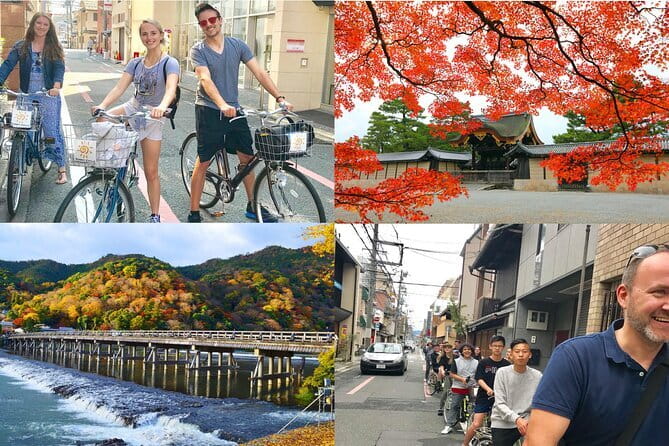
- Fushimi Inari and Gion in one ride: Connect two of Kyoto’s most photogenic areas without relying on several train and bus changes.
- A genuinely private route: Your guide can adjust the pace and visit places you have not already seen.
- Electric bikes included: A normal cycle is also available, and children’s bikes or seats can be requested in advance.
- A strong mix of major sights and quiet corners: The route can include Tofuku-ji, Philosopher’s Walk, Honen-in, river paths, and neighborhood streets.
- Best for active sightseers: You must be able to ride a bicycle and have a moderate level of fitness.
- Good value for small groups: At $198.15 per person, the price makes more sense when you value a private guide, bike rental, and several hours of city coverage.
Why an e-bike makes sense in Kyoto
Kyoto is not enormous on a map, but the sightseeing areas are scattered. Fushimi Inari is in the southeast, Gion and Yasaka Pagoda sit farther west, and Nanzen-ji, Philosopher’s Walk, and Shimogamo Shrine lead you north. Walking between all of them would take much of your day.
That is where this tour earns its keep. You can ride between sights instead of repeatedly waiting for a bus or figuring out which train connection works best. The electric assist is especially useful for a full outing, though it does not turn the experience into a passive sightseeing ride. You still pedal, steer, stop, and share Kyoto’s roads with cars, buses, and other cyclists.
The bikes are included, and normal bicycles are available as well. The equipment has received strong praise for comfort and condition. Families can request children’s bikes, though availability is limited. A child’s seat is also available for children who cannot ride independently, but you need to ask when booking.
The tour lasts approximately four to eight hours. That is a wide range, and it matters. A shorter version can focus on southeastern Kyoto and Gion. A longer day can reach the northern shrines, rivers, and shopping streets. Since this is private, you have a better chance of shaping the route than you would on a fixed group excursion.
More City Highlights Bike Tours in Japan
- 5 Top Highlights of Kyoto Full Day Bike Tour (E-bike option)
★ 5.0 · 511 reviews - E-Bike Tours of the highlights of Kyoto!!!
★ 5.0 · 291 reviews - Kyoto: Full-Day City Highlights Bike Tour with Light Lunch
★ 5.0 · 52 reviews
Starting at Sunny CycleJapan
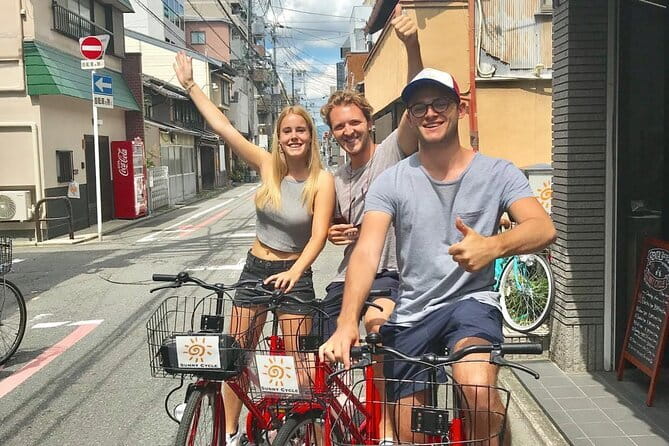
The meeting point is Sunny CycleJapan at 477 1F Ōhorichō, Shimogyo Ward, Kyoto 600-8419. The tour returns there at the end, so you do not need to arrange a second pickup point.
Your guide provides the bicycle and leads the route. The company places emphasis on friendly service and omotenashi, the Japanese idea of thoughtful hospitality. That seems to show in the practical help offered before and during the ride. Mana, for example, has helped with questions about Kyoto and Kobe, while other guides have been praised for keeping the day relaxed and family-friendly.
You should arrive ready to ride, not dressed for a formal temple visit. Comfortable clothing and shoes make sense, though the tour information does not specify a dress code. Bring water and plan for a day outdoors. Food and drinks are not included, so you will need to pay for those yourself during the outing if your guide builds in a stop.
Fushimi Inari and Tofuku-ji: a strong opening
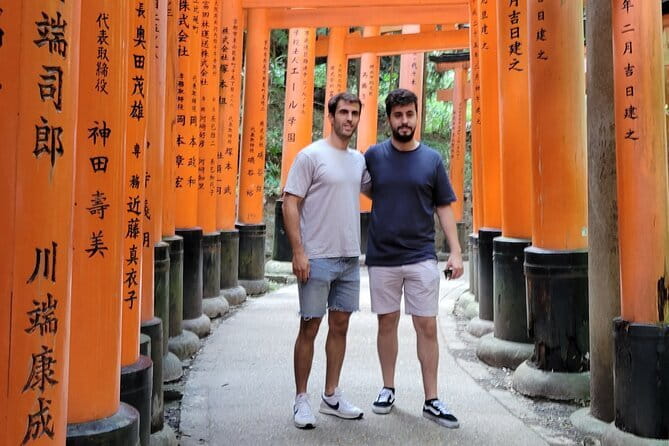
Fushimi Inari-taisha is one of Kyoto’s essential sights. It is the head shrine of more than 30,000 Inari shrines across Japan, and its orange torii gates climb into the wooded hills behind the main shrine grounds.
The scheduled visit is about 40 minutes, with no admission charge. That gives you time to see the main approach and walk beneath some of the gates, but not enough for a serious hike far up the mountain. This is an important expectation to set. The famous torii trail continues for hours, while the tour must keep moving to cover the rest of Kyoto.
The nearby Tofuku-ji area changes the mood. Komyo-in, a sub-temple of Tofuku-ji, is known for its quiet garden, moss, and especially strong autumn color. You have about 20 minutes there, and admission is not included. That short stop works best if you enjoy atmosphere more than a full temple visit.
Tofuku-ji itself receives about 10 minutes on the listed route. The temple is famous for the Tsutenkyo Bridge and its views across maple trees, particularly in autumn. Ten minutes is enough for a look and a photo, but not a detailed exploration of the grounds. If Tofuku-ji is a priority, ask your guide if the route can give it more time.
This opening section works well for first-time visitors because it pairs Kyoto’s most recognizable shrine imagery with a calmer temple setting. It can also be the busiest part of the day, so the private guide’s ability to manage timing is useful.
Yasaka Pagoda, Yasui-Konpiragu, and Gion
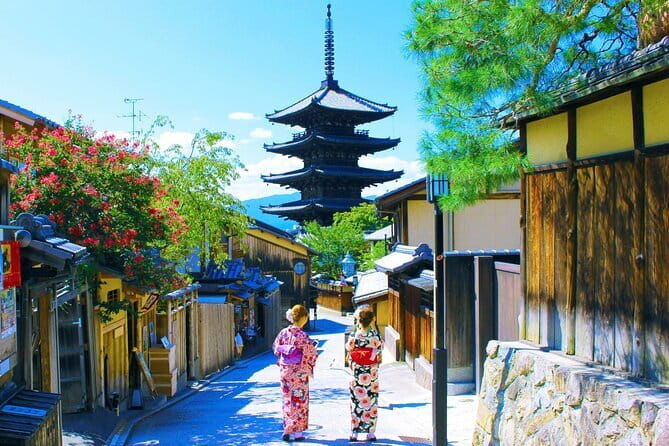
The ride then moves toward Higashiyama and the elegant Hōkan-ji Temple, better known for its Yasaka Pagoda. The pagoda’s silhouette is one of Kyoto’s classic views, framed by the old streets of the district. The scheduled stop is about 20 minutes, with no admission charge listed.
This area is picturesque but crowded, and the narrow streets require care. You will want to pause for photographs, but you should not expect to cycle freely through every lane. Your guide can help you stop without blocking pedestrians and can point out the best angles.
Yasui-Konpiragu offers a different kind of cultural detail. People visit this shrine to break unwanted relationships or strengthen good ones. A stone monument with a hole forms the center of the ritual, and the shrine has a more personal, everyday feel than a grand tourist monument. The stop lasts about 10 minutes.
Hanamikoji Street leads into Gion, Kyoto’s traditional entertainment district. Tea houses and restaurants line the street, and you may catch a glimpse of geisha or maiko, though no sighting is guaranteed. The tour allows about 10 minutes here. Treat the neighborhood with respect: move quietly, follow any posted restrictions, and do not assume every person in traditional dress wants a photograph.
Tatsumi Bridge and the Shirakawa Canal add a quieter Gion experience. Tatsumi is a small wooden bridge beside the Shirakawa River, while the canal is lined with traditional machiya houses and willow trees. Together, these stops show why Gion is more than Hanamikoji’s main street.
The route includes about 15 minutes along the river terrace, where you can listen to the water and pause on the stone paths. I like this part because it gives your eyes a rest after the bright shrine gates and dense streets. It is also one of the places where a guide can add useful context about daily life in Kyoto rather than only reciting dates.
More Hidden Gems Bike Tours in Japan
- Arashiyama Bamboo Forest & Hidden Gems Bike Tour (Early Bird)
★ 5.0 · 613 reviews - Kyoto: City Secrets eBike Tour
★ 4.9 · 196 reviews - Kyoto: Hidden Gems E-Bike Tour with Local Japanese Guide
★ 4.9 · 189 reviews - Kyoto: Hidden Gems E-Bike Tour Through Backstreets & Temples
★ 4.9 · 54 reviews
Heian Shrine and the Nanzen-ji aqueduct
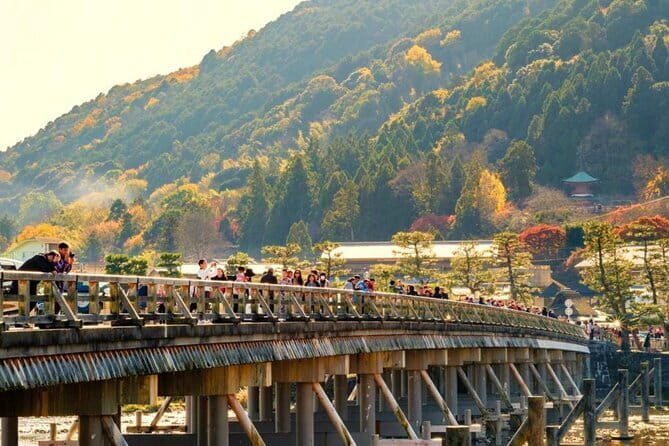
The Great Torii of Heian Jingu is hard to miss. At 24.2 meters tall, it crosses the road near the shrine and was built in 1929 to mark Emperor Showa’s enthronement. The tour allows about 15 minutes, which is enough to view the gate and understand its scale.
The route then reaches Nanzen-ji, one of Kyoto’s major Rinzai Zen temples. It was established in 1291 by Emperor Kameyama and is known for its temple grounds and gardens. Again, the listed time is short, about 15 minutes. You can get a taste of the setting, but a visitor who wants to study the gardens or enter paid areas should discuss that with the guide before setting out.
Nanzenji Suirokaku is one of the route’s more unusual sights. This brick aqueduct was completed in 1888 to carry water from Lake Biwa. Its arches look unexpectedly European beside the temple grounds, making it a memorable stop and a reminder that Kyoto’s story did not end in the age of wooden temples and samurai.
The aqueduct takes about 10 minutes. That is plenty for photographs and a quick explanation, and it helps break up the day with something different from another shrine or garden.
Philosopher’s Walk and Honen-in
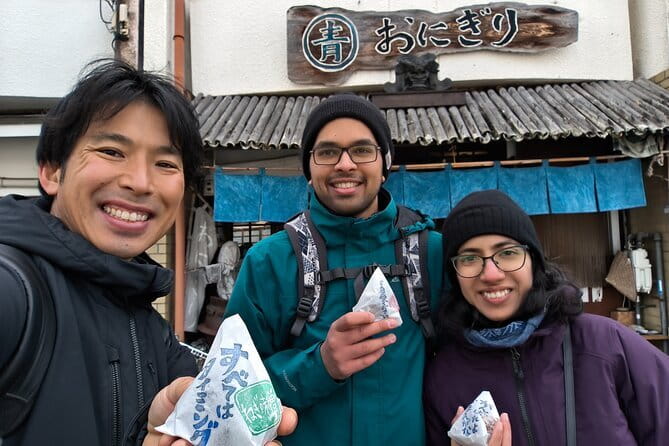
Philosopher’s Walk follows the Biwa Canal for roughly two kilometers. The scenic route connects the area near Wakayama Shrine with the northern temple district and is especially popular during cherry blossom season.
The listed visit lasts about 30 minutes. You will not walk the entire path at that pace, particularly while managing bicycles, but you can enjoy a representative section and the canal-side atmosphere. This part of the outing is better for slowing down than for collecting another landmark.
Honen-in is a peaceful Zen temple in a wooded setting, traditionally linked to the 13th-century teacher Honen Shonin. The grounds offer a welcome change from the more famous, heavily visited stops. You have about 15 minutes here, so think of it as a calm pause rather than a full temple tour.
These two stops are a good reason to choose a private tour instead of a rigid sightseeing bus. If your group prefers gardens, canals, and quiet temple grounds, you can ask for more time here. If you are focused on famous icons, your guide can keep the pace moving.
Shimogamo Shrine and the Kamogawa Delta
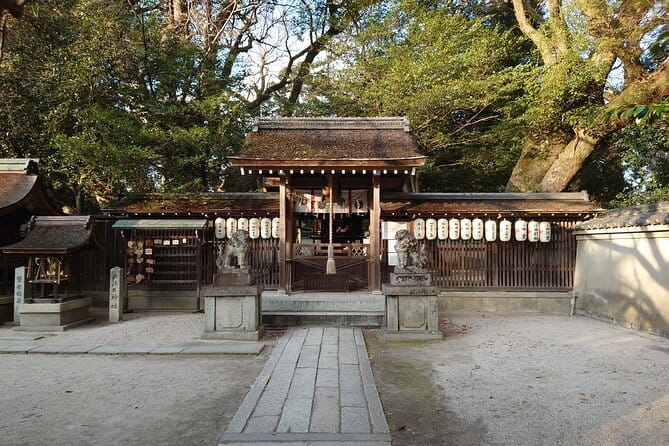
Shimogamo Jinja, formally Kamomioya Shrine, is one of Kyoto’s oldest Shinto shrines, with roots traditionally traced to around 90 BC. Its wooded setting and long religious history give the visit a different character from Fushimi Inari’s torii-lined mountain path.
The planned stop is about 30 minutes, with no admission charge. That is enough for a meaningful visit to the main approach and grounds, though the shrine has more to explore if you want to linger.
From there, the route reaches the Kamogawa Delta, where the Kamo and Takano Rivers meet. Turtles and birds are shaped into stepping stones across the water, and the spot is popular with local residents as well as sightseers. You can pause for 15 minutes and enjoy one of Kyoto’s most relaxed public spaces.
The delta is a particularly good stop for families. It gives children something active to do, though you should use care on the stepping stones. The route’s family appeal also comes from guides such as Yuhey, who has been praised for keeping children engaged while still sharing cultural information with adults.
Kyoto Gyoen, local streets, and the final stretch
The route can also include Kyoto Gyoen, the large park around the old Imperial Palace. It offers open space, seasonal nature, and historic buildings, making it a useful contrast to the tight lanes of Gion and Higashiyama.
The listed route includes the Ebisugawa stepping stones at Kojin, where people hop across a tributary of the Kamo River. Teramachi-dori follows, with shops selling traditional goods, cafes, and clothing. Sanjo Street provides a busier central finish, close to Kawaramachi and the Kamo River, with restaurants and cafes.
These final stops show everyday Kyoto rather than only formal monuments. I find that valuable because you get a sense of how the city functions between temple visits. The route can pass through narrow backstreets and neighborhood areas where you see ordinary homes, shops, and small shrines.
There is a practical catch: the complete list is ambitious. The stop times add up quickly before you even count riding time, traffic, photographs, and breaks. A four-hour outing cannot give equal attention to every location. Use the private format to tell your guide what matters most, and accept that some places will be brief photo stops.
What the $198.15 price gives you
The cost is $198.15 per person. That is not a budget bicycle rental, but it includes an electric bike, a private guide, route planning, and several hours of sightseeing. For a small group that wants help covering much of Kyoto in one day, the price can be reasonable.
You are paying for time and judgment as much as for the bicycle. A guide can adjust the pace, choose between crowded highlights and quieter stops, take photographs, explain local customs, and help your group avoid wasting time on poor connections. Guides including Yonnie, Yuichi, Takuma, and Polina have been praised for combining local stories with an easy manner.
The value drops if you want only a short, slow ride or plan to spend most of the day inside temples. Paid entrance fees are not included, and food and drinks are extra. Group discounts may be available, so check the final price for your party rather than assuming the per-person figure tells the whole story.
Free cancellation is available until 24 hours before the start time. Changes or cancellations inside that window are not accepted for a refund.
Who will enjoy this Kyoto ride most?
I would choose this tour if you are visiting Kyoto for the first time and want a broad orientation without spending the day on buses. It also suits returning visitors who have already seen the obvious sights and want a guide to connect local streets, smaller temples, and riverside areas.
Families can do well here, especially with a guide who enjoys working with children. Request a child’s bike or seat early because supplies are limited. The tour is also a good match for couples and small groups who want to set their own rhythm.
I would think twice if you dislike cycling in city traffic, have limited fitness, or want long, unhurried visits inside each temple. The route includes many stops, so the day favors variety and movement over detailed study of one or two sites.
Should you book KIYOTO’s private e-cycling tour?
Book it if your priority is seeing a lot of Kyoto in one active day, with a guide who can mix famous sights and quieter corners. The electric bikes, private format, family options, and wide route make this more useful than a basic rental for many first-time visitors.
Before confirming, decide which three or four places matter most. Tell your guide if you care more about Fushimi Inari, autumn views at Tofuku-ji, Gion, quiet temples, or local neighborhoods. That small bit of planning will help turn an ambitious sightseeing list into a day that feels personal rather than rushed.
FAQ
How long does the private Kyoto e-cycling tour last?
The tour lasts approximately four to eight hours. The exact length and route can be adjusted because it is a private activity.
Are electric bikes included?
Yes. An electric bike is included, and a normal bicycle is also available. Children’s bikes and seats can be requested, but availability is limited.
Can children join the tour?
Yes. Kids’ bikes are available on request, and children who cannot ride independently may use a child’s seat. Ask when booking because supplies are limited.
Do I need to be able to ride a bicycle?
Yes. Participants must be able to ride a bicycle and should have a moderate level of physical fitness.
Are temple and shrine admission fees included?
No. Paid entrance fees are not included. Food and drinks are also not included. Many listed outdoor viewing stops have no admission charge.
Where does the tour begin and end?
The tour begins at Sunny CycleJapan, 477 1F Ōhorichō, Shimogyo Ward, Kyoto 600-8419. It ends back at the same meeting point.
More Private Cycling Tours in Japan
- The Beauty of Kyoto by Bike: Private Tour
★ 5.0 · 47 reviews - Private eBike Tour Exploring Fushimi with Torii Red Gate Ride
★ 5.0 · 13 reviews - 1-Day Private Rural E-Bike Tour in Hida
★ 5.0 · 188 reviews - 3-Hour Tokyo Private E-Bike Tour Starting from Your Hotel
★ 5.0 · 117 reviews
More Hidden Gems Bike Tours in Kyoto
- Secret Eastern Kyoto Biking Adventure
★ 5.0 · 44 reviews - Kyoto E-Bike Tour of Hidden Gems, Backstreets and Temples
★ 5.0 · 43 reviews - Kyoto: Tailored E-Bike Tour to Highlights & Hidden Gems
★ 4.9 · 32 reviews - Cycle Kyoto’s Hidden Gems & Gion Stroll
★ 5.0 · 29 reviews
Newest rides we have reviewed in Kyoto
- ONLY YOU in the Bamboo Forest! 4 hours E-bike tour with a local★ 5.0 · 45 reviews
- South Kyoto in a Nutshell: Gentle Backstreet Bike Tour!★ 5.0 · 225 reviews
- Pedal Adventure Kyoto’s iconic landmarks on an e-bike tour★ 5.0 · 189 reviews
- The Beauty of Kyoto by Bike: Private Tour★ 5.0 · 47 reviews
- Kyoto Bamboo Forest & Golden Pavilion E-Bike Tour★ 5.0 · 50 reviews
- Kyoto Shogun Cycling Tour★ 5.0 · 13 reviews
- Secret Eastern Kyoto Biking Adventure★ 5.0 · 44 reviews
- Arashiyama Bamboo Forest E-Biking Tour★ 5.0 · 183 reviews
Hidden Gems Bike Tours, compared.
Small Group Guided Bike Tour of Amsterdam’s Hidden Gems
Read our review →

Top Highlights & Hidden Gems Tour by Cannondale E-Bike
Read our review →
Barcelona 3-hour Bike or E-Bike Tour: Highlights and Hidden Gems
Read our review →