
REVIEW · E-BIKE TOURS IN KYOTO
Kyoto: Memory Kyoto E-Bike Tour
Kyoto’s best sights are spread across the city, and this tour links four major stops without trapping you on buses or in taxis. You pedal through quiet residential lanes, then park and explore each temple or shrine on foot. The e-bikes make the distance manageable, especially in warm weather.
I like the mix of famous sights and ordinary Kyoto streets. I also like the small group size, which makes it easier to ask questions and follow a guide such as Pohan, Jody, Benjamin, Diego, or Jorge. The main consideration is stamina: six hours of cycling and walking requires a reasonable level of fitness and attention in city traffic.
Key points at a glance
- Four major Kyoto sights in one day: Kitano Tenmangu, Kinkakuji, Tenryuji, and the Arashiyama Bamboo Forest.
- Quiet routes matter: The ride uses residential streets and less crowded paths where possible, giving you a look at everyday Kyoto.
- E-bikes reduce the strain: You still pedal, but the electric assistance helps with distance, heat, and city riding.
- Small groups keep it personal: The group is limited to eight people, with an English-speaking guide leading the way.
- The price covers the essentials: At $91 per person, your bike, helmet, water bottle, entry fees, taxes, and guide are included.
Why an e-bike is a smart way to see western Kyoto
Kyoto’s major sights are not clustered around one central square. Kinkakuji sits in the northwestern part of the city, while Arashiyama and Tenryuji are farther west. That makes this route useful: you get from one area to another under your own power and see more than you would on a walking tour.
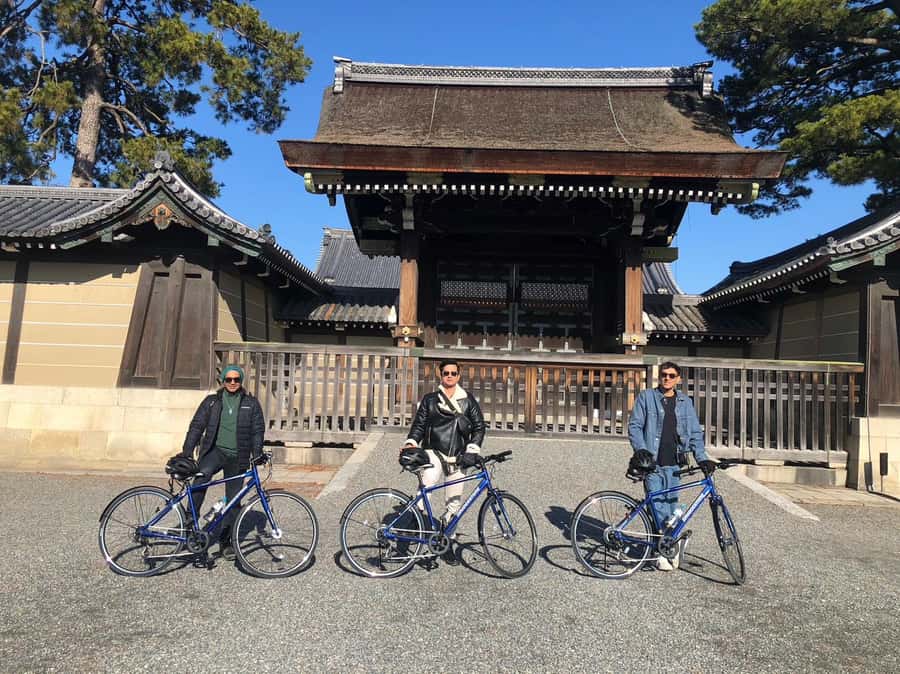
The electric assistance is the key. You are not sitting passively in a vehicle, but you also do not need to push a standard bicycle across the whole route. Several people on the tour had never used an e-bike before and found it easy to handle. The bikes were also described as high quality and well maintained.
You still need to ride safely. One review specifically pointed out the need for fitness and awareness, and that is fair advice. Kyoto’s quieter streets are pleasant, but you are sharing space with local traffic, pedestrians, and other cyclists. Your guide leads the group and sets the pace, yet you remain responsible for steering and braking.
The tour lasts six hours, including cycling, walking, sightseeing, and photo stops. That is a full morning and afternoon, not a quick orientation ride. The payoff is a better sense of how Kyoto fits together, from temple grounds to back lanes where daily life carries on.
More E-Bike Tours in Japan
- Hidden Kyoto E-Biking tour
★ 5.0 · 1,843 reviews - 5 Top Highlights of Kyoto Full Day Bike Tour (E-bike option)
★ 5.0 · 511 reviews - E-Bike Tours of the highlights of Kyoto!!!
★ 5.0 · 291 reviews
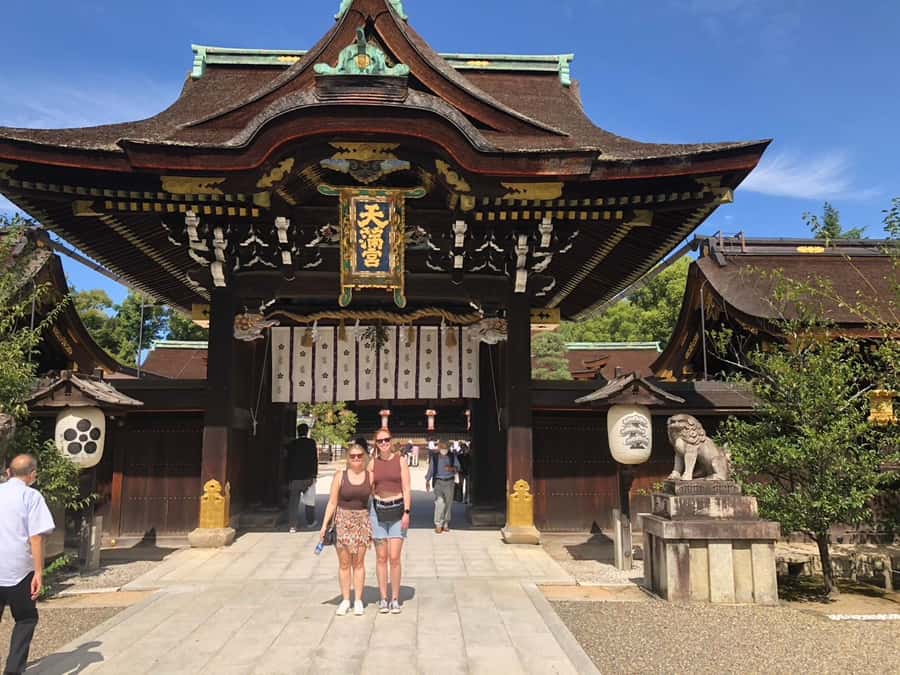
Kitano Tenmangu and the story of Sugawara no Michizane
The route begins at the Memory Kyoto bike tour meeting point, opposite the Kirindo drug store. From there, the first major stop is Kitano Tenmangu Shrine, one of Kyoto’s important Shinto sites.
The guide explains the shrine’s connection to Sugawara no Michizane, a scholar and political figure whose memory became closely tied to Tenmangu shrines. This gives the visit more shape than simply taking photos at the entrance. You learn why the shrine exists, what traditions surround it, and how Shinto practice differs from the Buddhist settings later in the day.
The listed visit lasts about 30 minutes, including the guided tour and cycling portion. That is enough for an introduction, though not enough for every corner of the grounds. If you want a slow, highly detailed shrine visit, you may find this stop brisk. The strength is the contrast it creates with Kinkakuji and Tenryuji.
Kitano Tenmangu also helps you begin with a cultural framework. The day is not just a parade of attractive buildings. It moves between Shinto and Zen Buddhist sites, and the guide provides the background needed to understand that difference.
Kinkakuji, Kyoto’s gold-leaf showpiece
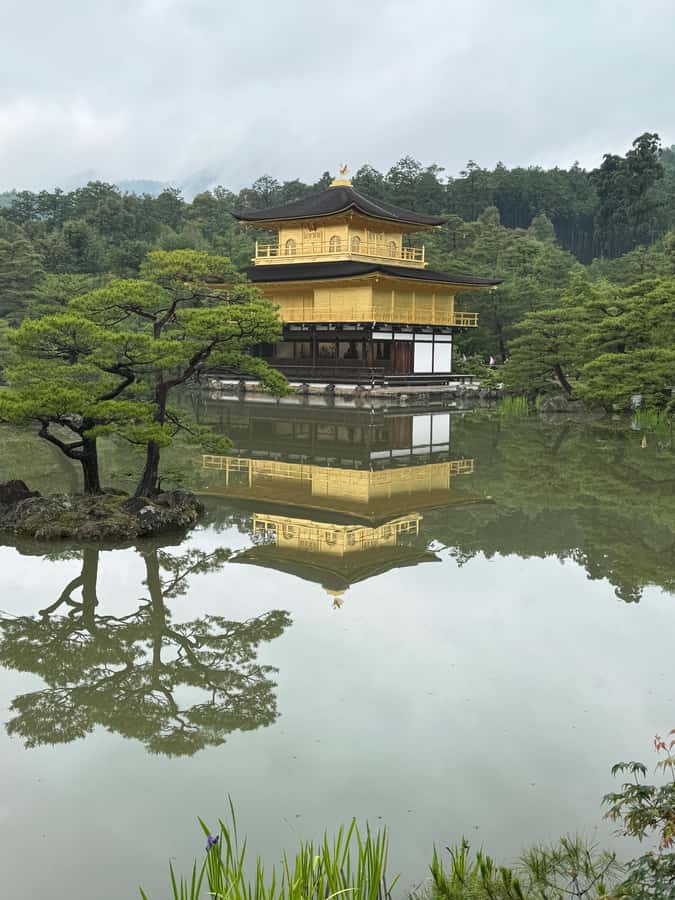
From the shrine, you ride through Kyoto neighborhoods toward Kinkakuji, commonly called the Golden Pavilion. The temple’s upper floors are covered in gold leaf, and the building is set beside a pond that gives you the classic reflective view.
This is one of Kyoto’s most photographed sights, so it can feel familiar before you arrive. Seeing it in person still has an effect, especially when the gold catches the light over the water. The guided stop lasts about 45 minutes, allowing time for the main view, a walk through the grounds, and historical explanation.
The practical drawback is crowding. Kinkakuji is famous for good reason, and it can be busy, particularly during cherry blossom season or other popular travel periods. You should not expect a private temple visit. The bike route helps you avoid spending the whole day in crowded transport, but it cannot make the pavilion itself quiet.
I find this stop works best when you give yourself time to listen rather than rushing straight to the photo. The guide can explain the temple’s Zen setting and its place in Kyoto’s religious architecture. You also get a useful break from the bike before continuing west.
Cycling through backstreets instead of main roads
The connections between the sights are a major part of the experience. You ride through residential areas, side streets, and quieter routes instead of seeing Kyoto only through the window of a bus. This is where the tour feels different from a standard temple checklist.
You may pass ordinary homes, small shops, and local streets where people are going about their day. The route gives you a sense of scale. Kyoto is not just a collection of grand temples. It is also a functioning city with narrow lanes, neighborhood routines, and plenty of space between the headline sights.
Guides have received especially high marks for keeping the group safe and making the ride feel comfortable. Pohan, Benjamin, Jody, Diego, Jorge, and others are praised for clear directions, patience, and useful explanations. Because the group is capped at eight, the guide can usually keep an eye on the riders and respond to questions without turning the day into a large procession.
The ride can also be a relief in hot weather. One person specifically noted that cycling felt better than walking in Kyoto’s heat and humidity. You get moving air on the bike, though you should still expect to sweat and bring a sensible attitude toward the weather.
More E-Bike Tours in Kyoto
- Kyoto: City Secrets eBike Tour
★ 4.9 · 196 reviews - Kyoto: Hidden Gems E-Bike Tour with Local Japanese Guide
★ 4.9 · 189 reviews - Historical Kyoto E-Bike Tour
★ 5.0 · 181 reviews - Best of Kyoto: Ginkakuji & Path of Philosophy E-Bike Tour
★ 4.9 · 79 reviews
Tenryuji Temple and one of Kyoto’s finest gardens
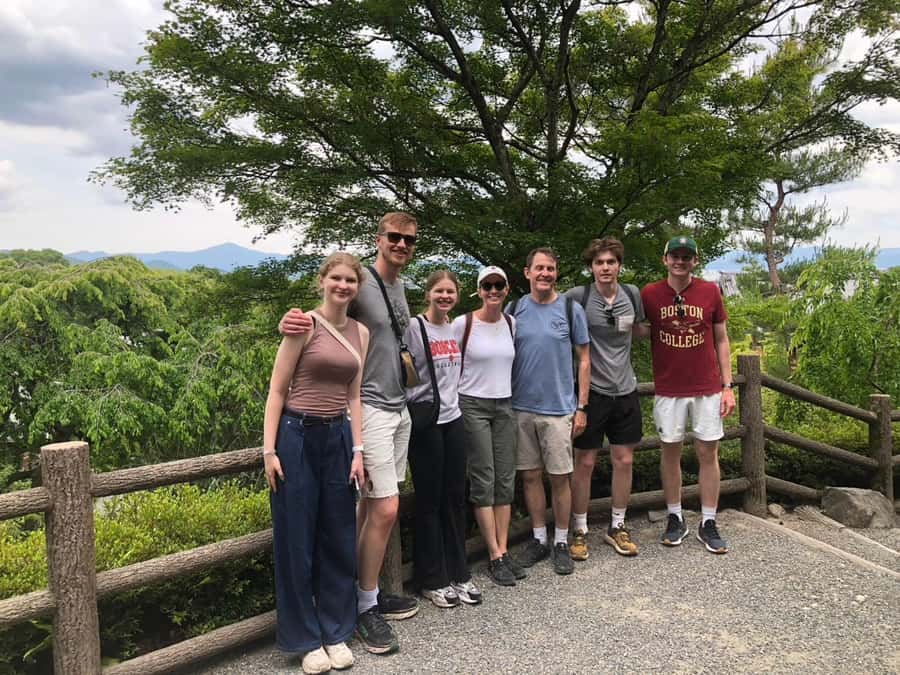
Tenryuji is a UNESCO World Heritage Site in the Arashiyama district. The temple is important in its own right, but the garden is the main reason to slow down here.
The garden uses ponds, rocks, trees, and borrowed views of the surrounding hills to create a carefully balanced Zen setting. You are not simply looking at flowers or greenery. The arrangement is designed to guide your attention across the grounds, with open views and quiet corners working together.
The scheduled stop lasts about 45 minutes and includes walking, sightseeing, photos, and a guided explanation. That is a good amount of time for a first visit, although you could easily spend longer if you were exploring independently. Since the tour must also reach the bamboo grove and return to the starting point, you should expect an introduction rather than an unhurried garden study.
This is one of the strongest stops for people who want more than architecture. Kinkakuji gives you an unforgettable exterior, while Tenryuji asks you to notice space, proportion, water, and planting. The change of pace is welcome after the ride.
The Arashiyama Bamboo Forest beyond the famous path
The Arashiyama Bamboo Forest is one of Kyoto’s signature sights. Tall bamboo rises on both sides of the path, creating a narrow green corridor that feels unlike most city walks.
The listed visit takes about 45 minutes, with time for cycling, walking, photos, and a guided explanation. You should be prepared for other people in the grove. This is not a private woodland, and the most famous path can be crowded.
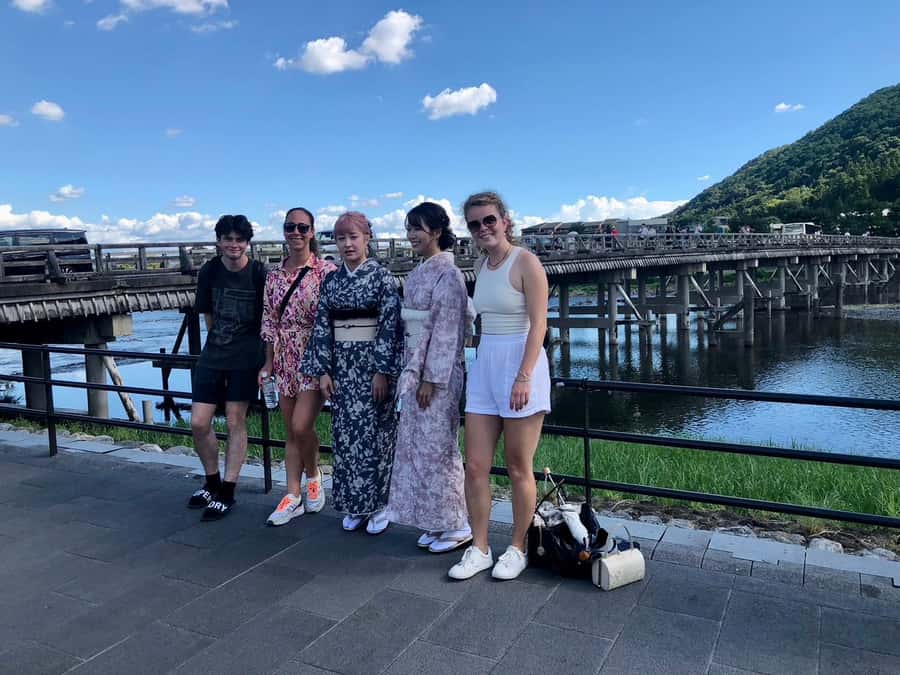
The benefit of arriving by bike is that the grove is part of a larger route rather than your only destination. You see Arashiyama alongside Tenryuji and the quieter streets leading into the district. One guide also took the group to a lake near the bamboo forest, an extra scenic stop that would be easy to miss without local route knowledge. Since exact stops can vary with conditions and timing, treat that as a possible bonus rather than a guaranteed part of the program.
The bamboo is impressive, but it is worth keeping expectations realistic. The grove is fairly focused: a memorable path, some good photographs, and a short walk. Tenryuji provides the deeper garden experience. Together, the two stops make a better visit than either one alone.
A six-hour balance of riding, walking, and stories
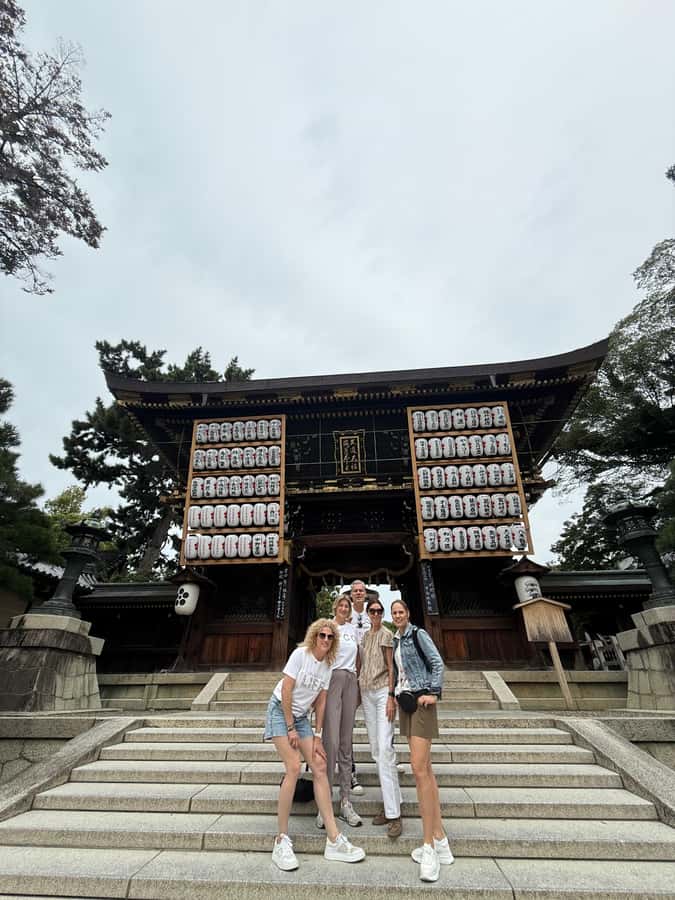
The schedule is well judged for a full day. You ride between the major sites, then leave the bike to walk through temple and shrine grounds. This prevents the tour from becoming either a hard cycling workout or a string of rushed photo stops.
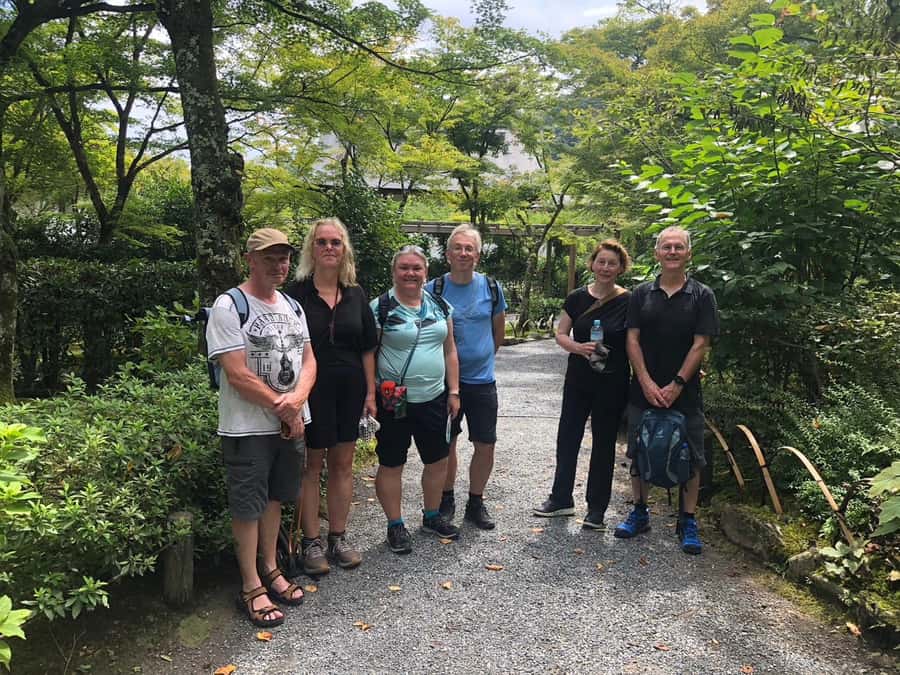
Several guides have been praised for keeping an easy pace. That matters because the group may include first-time e-bike users, people in their 50s and 60s, and families with teenagers. Children aged 10 and 13 completed the route with their family, while a guide was also praised for patience with younger children. Children under two are not suitable for the activity.
The guide is central to the experience. You are not only being led from point A to point B. The guide explains religious traditions, local history, and the meaning of the places you see. Guides including Jody, Pohan, Benjamin, Diego, Jorge, and Bo have been singled out for humor, patience, safe riding, and clear answers.
English is the listed tour language. If you want context about Zen Buddhism, Shinto, Sugawara no Michizane, and Kyoto’s customs, the live guide adds real value. Without that layer, the day would still contain beautiful sights, but much of the meaning would be left to you.
What $91 includes, and what it does not
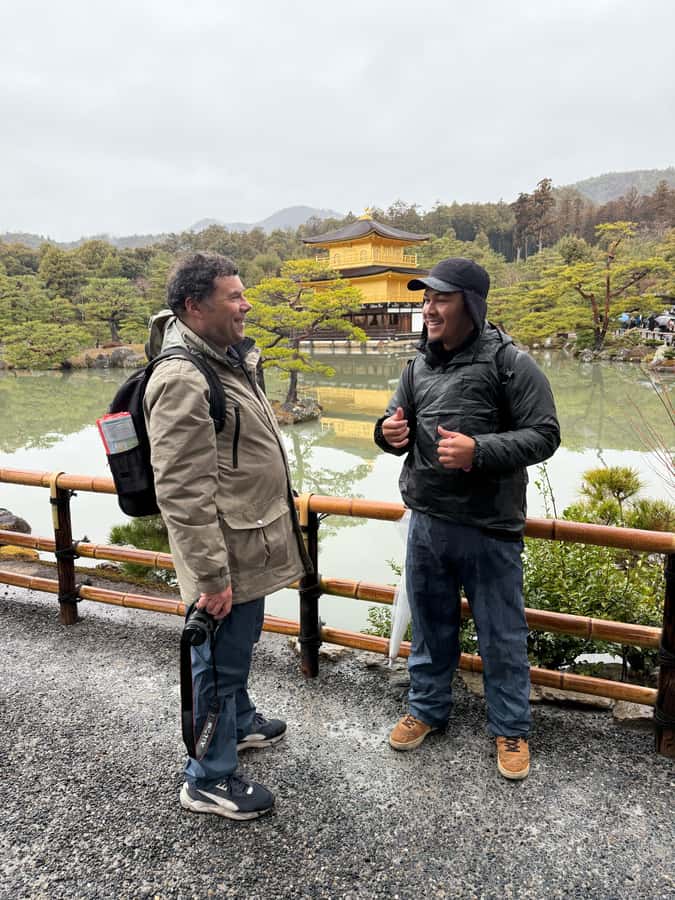
The price is $91 per person. Included are the bike, helmet, water bottle, all fees and taxes, entrance costs, and an English-speaking guide. For a six-hour outing covering four major sights, that is a reasonable price, especially if you value someone else handling the route and providing cultural context.
The entry fees matter because you are not paying separately at each listed site. The bike and helmet also remove the need to arrange rental equipment on your own. A small group of no more than eight adds value compared with a large bus tour, where questions and route adjustments are harder.
Lunch is not listed among the included items. One tour experience included a stop at a local diner, with food paid for separately, but you should budget for your own meal rather than assume lunch is covered. A coffee stop was also the one weak point mentioned in an otherwise very positive day, so keep your expectations modest about food and focus on the temples and cycling.
The booking terms are flexible: you can cancel up to 24 hours ahead for a full refund, and you can reserve now and pay later. Starting times vary, so you need to check availability for your date.
Who will get the most from this Kyoto ride
I would choose this tour if you want to see major western Kyoto sights while also getting a feel for local streets. It is especially useful early in a Kyoto stay, when you want to understand the city’s layout and decide where you might return for a slower visit.
It suits adults, older teenagers, and active families who are comfortable on a bike. First-time e-bike users can manage it, but you should still be able to balance, steer, brake, and pay attention around traffic. The six-hour duration makes it less suitable for anyone who wants a relaxed, mostly seated sightseeing day.
You may prefer separate temple visits if you want hours at each site, need a very slow pace, or dislike cycling. You may also find the most popular locations crowded regardless of how the tour is arranged. The advantage here is coverage and variety, not solitude.
Should you book the Memory Kyoto E-Bike Tour?
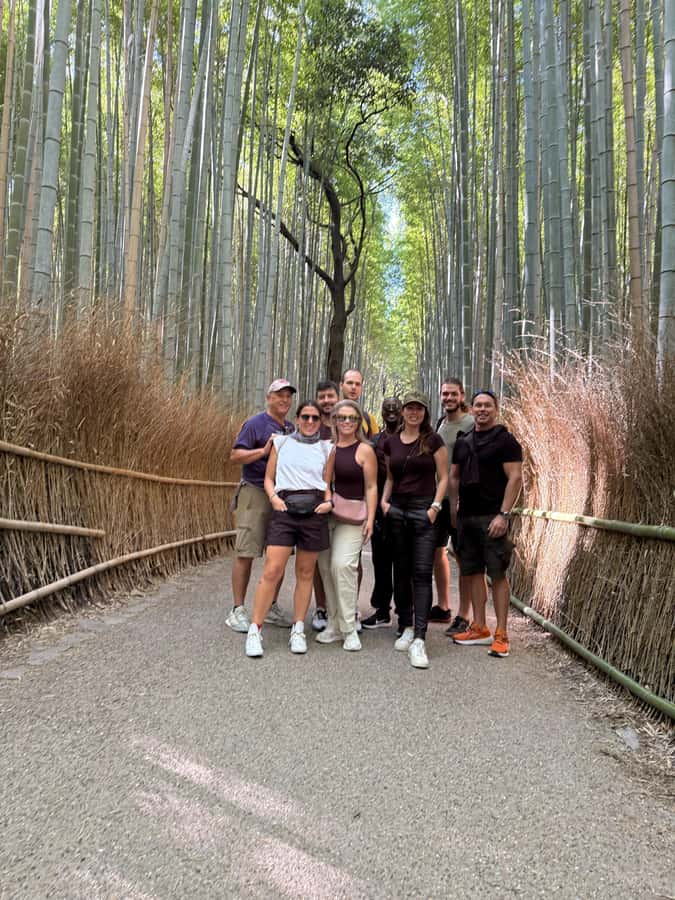
Book it if you want an active day that combines Kyoto’s headline sights with ordinary neighborhoods between them. The strongest reasons are the e-bike assistance, small group, careful guides, and smart mix of Shinto shrine, gold-covered Zen temple, bamboo grove, and formal garden.
Skip it if you are uncomfortable riding in a city or want to linger at one temple for half a day. For most active visitors, $91 is fair value for six hours, included admissions and equipment, and the chance to see four major sites without spending the day changing buses.
FAQ
How long is the Memory Kyoto E-Bike Tour?
The tour lasts six hours, including cycling, walking, sightseeing, and photo stops.
What sights are included?
The route includes Kitano Tenmangu Shrine, Kinkakuji, the Arashiyama Bamboo Forest, and Tenryuji Temple.
Where does the tour start?
It starts at the Memory Kyoto bike tour location, opposite the Kirindo drug store.
What language is the tour conducted in?
The live tour guide speaks English.
How many people are in the group?
The group is limited to eight participants.
Are bikes and helmets provided?
Yes. The bike and helmet are included in the price.
Is a water bottle included?
Yes, a water bottle is provided.
Are entrance fees and taxes included?
Yes. All fees and taxes are included, along with the listed site admissions.
Is lunch included?
Lunch is not listed as an included item. A local diner stop may be offered, but you should pay separately for food.
Can I cancel for a refund?
Yes. You can cancel up to 24 hours in advance for a full refund. You can also reserve now and pay later.
Newest rides we have reviewed in Kyoto
- Best of Kyoto: Ginkakuji & Path of Philosophy E-Bike Tour★ 4.9 · 79 reviews
- Kyoto: Tailored E-Bike Tour to Highlights & Hidden Gems★ 4.9 · 32 reviews
- Kyoto: Full Day Bike Tour★ 4.9 · 39 reviews
- Kyoto: Half-day Guided Bike Tour with Fushimi Inari★ 4.9 · 21 reviews
- Kyoto: Early Bird E-Bike Tour with Lunch★ 5.0 · 14 reviews
- Kyoto: Full-Day City Highlights Bike Tour with Light Lunch★ 5.0 · 52 reviews
- Cycle Kyoto’s Hidden Gems & Gion Stroll★ 5.0 · 29 reviews
- Kyoto: Arashiyama Bamboo Forest Morning Tour by Bike★ 5.0 · 115 reviews
E-Bike Tours, compared.
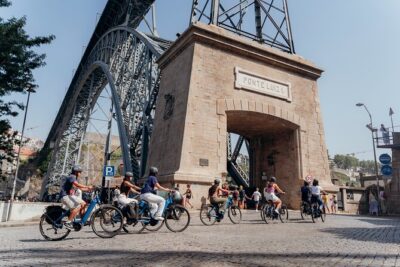
3-Hour Porto Highlights on a Electric Bike Guided Tour
Read our review →
Hills, Alfama, and Mouraria Tour by Electric Bike
Read our review →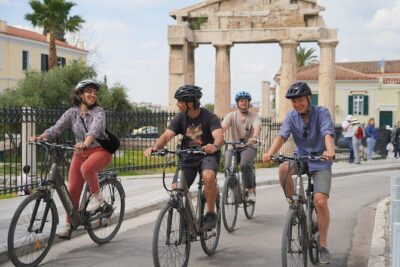
Athens Scenic Electric Bike Tour with optional Acropolis visit
Read our review →
City Highlights 3-Hour Guided Electric Bike Tour
Read our review →
Rome EBike Tour: Appian Way, Catacombs & Roman Aqueducts
Read our review →
Top Highlights & Hidden Gems Tour by Cannondale E-Bike
Read our review →Other lists this ride turns up in