
REVIEW · KYOTO
Kyoto: Full Day Bike Tour
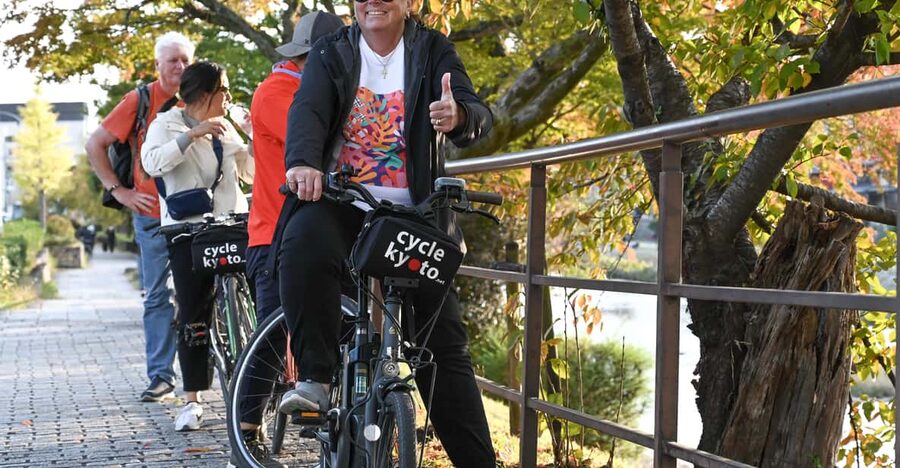
Kyoto is much easier to understand from a bicycle than from a crowded bus. This full-day ride links major temples with quiet neighborhood lanes, the Kamo River, Gion, and the torii gates of Fushimi Inari. It is a big day, but it gives you a useful sense of how Kyoto’s separate districts fit together.
I like the mix of famous sights and ordinary streets, and I like that the tour includes both a traditional Japanese lunch and the entrance fee to Kinkaku-ji. Guides such as Jay, Karl, Juan, and Shawn bring different personalities to the day, but the common thread is clear English and plenty of local context.
The main catch is the pace and distance. This is not a gentle spin around one neighborhood. The route can cover more than 18 miles, with regular stops and walking inside temple grounds, so you should be comfortable riding for most of a day.
Key Points Before You Book
- One ambitious route: See Toji, Nishi Honganji, Kitano Tenmangu, Kinkaku-ji, the Imperial Palace, Gion, Tofukuji, and Fushimi Inari in one day.
- A useful mix of Kyoto: The ride combines major landmarks with shopping arcades, back streets, local shrines, and river paths.
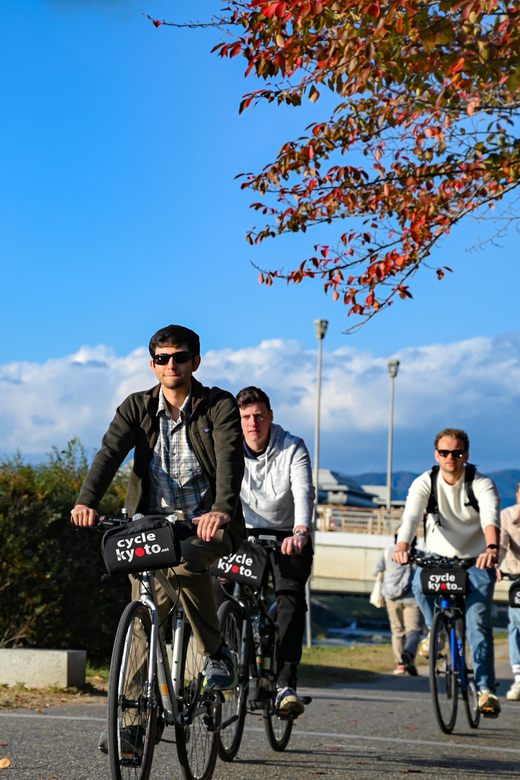
- Well-equipped bikes: You ride a maintained Giant or Trek cross bike, with e-bikes available on request.
- Small English-speaking group: The group is limited to nine people, which makes roadside explanations and questions easier.
- Lunch is included: A traditional Japanese meal is part of the day, with the restaurant chosen according to availability.
- Plan for a full physical day: Comfortable clothing, water, sunscreen, and shoes suitable for walking and cycling are essential.
Why a Bicycle Makes Kyoto Easier to Read
Kyoto’s sights are spread across a broad city grid. Trains and buses work well for some journeys, but they do not always help you see the short connections between temples, shopping streets, riverside paths, and residential areas.
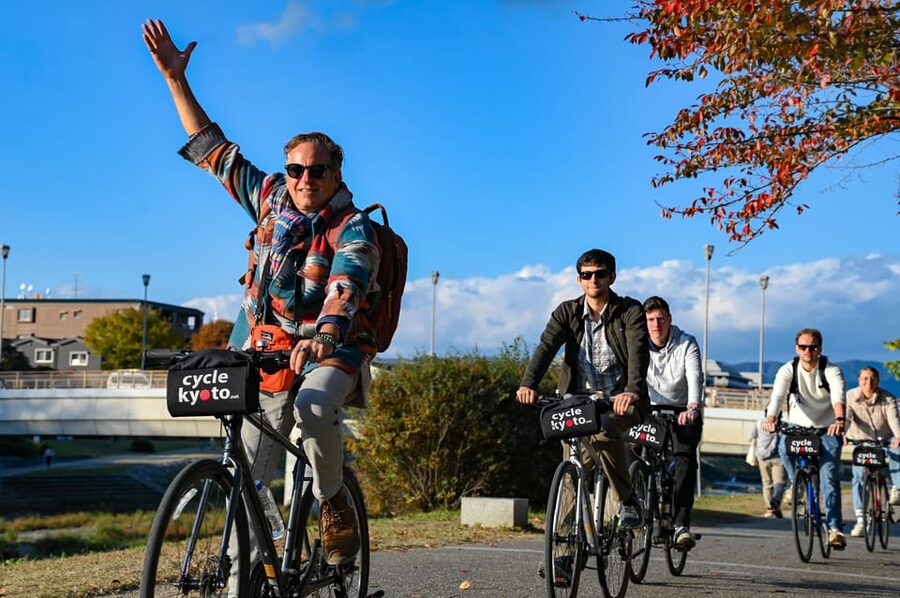
A bicycle fills that gap. You can move through Sanjo Shopping Arcade, cut through smaller streets, pause at the Kamo River, and reach Gion without spending the day waiting for transport. The route also gives you a look at the spaces between the postcard sights, which is where Kyoto often feels most like a lived-in city.
The tour begins at Cycle Kyoto with a bike fitting and a 25-minute safety briefing at Toji. That is useful even if you ride regularly. You need to get comfortable with the bike, understand how the group moves through the city, and know what to expect before the longer stretches begin.
The standard bikes are cross bikes from Giant and Trek. These are a sensible choice for a city route with a mixture of paved roads, neighborhood streets, and longer stretches beside the river. You can request an e-bike, but do so when booking or as early as possible because availability may be limited.
More Full-Day Rides in Kyoto:
- 5 Top Highlights of Kyoto Full Day Bike Tour (E-bike option)
★ 5.0 · 511 reviews - Full Day Biking Tour Exploring the Best of Kyoto
★ 5.0 · 498 reviews - Kyoto: Full-Day City Highlights Bike Tour with Light Lunch
★ 5.0 · 52 reviews
Toji and Nishi Honganji Start the Morning
Toji is the first real stop, and it gives the morning a strong beginning. It is one of Kyoto’s oldest temples and is known for its large pagoda and spacious grounds. After the safety talk, you get about 30 minutes to look around before riding onward.
The short ride to Nishi Honganji changes the mood. This major Buddhist temple has broad wooden halls and an impressive sense of scale. The planned guided visit lasts about 50 minutes, giving you time to look beyond the exterior and hear how the temple fits into Japanese religious life.
These first stops are useful because they are close to the starting point but feel distinct. Toji gives you an early landmark and open temple grounds. Nishi Honganji lets you slow down and pay attention to architecture, ritual space, and the details that are easy to miss when you rush from one famous site to another.
You should expect to remove your cycling mindset once you enter temple grounds. The tour combines riding with walking, so wear shoes that can handle both. High heels are not suitable, and comfortable clothing will make the whole day easier.
Sanjo Shopping Arcade and Shinsen-en Gardens
After Nishi Honganji, the route heads north through Sanjo Shopping Arcade. This is one of the more enjoyable transitions of the day because it shows Kyoto as a working city rather than a string of monuments.
The arcade offers a look at everyday shopping and local commerce. You will not spend hours browsing, but riding through this part of the city helps break up the temple visits. It also gives you a feel for the scale of Kyoto’s neighborhoods.
A quick stop at Shinsen-en gardens follows. This smaller, picturesque place provides a change from the larger temple compounds. It is a good reminder that Kyoto’s visual appeal is not limited to its most famous attractions.
The route then continues toward Kitano Tenmangu Shrine. You will want to conserve some energy here. The day is still young, but the number of stops can make the schedule feel full before lunch.
Kitano Tenmangu and the Golden Pavilion
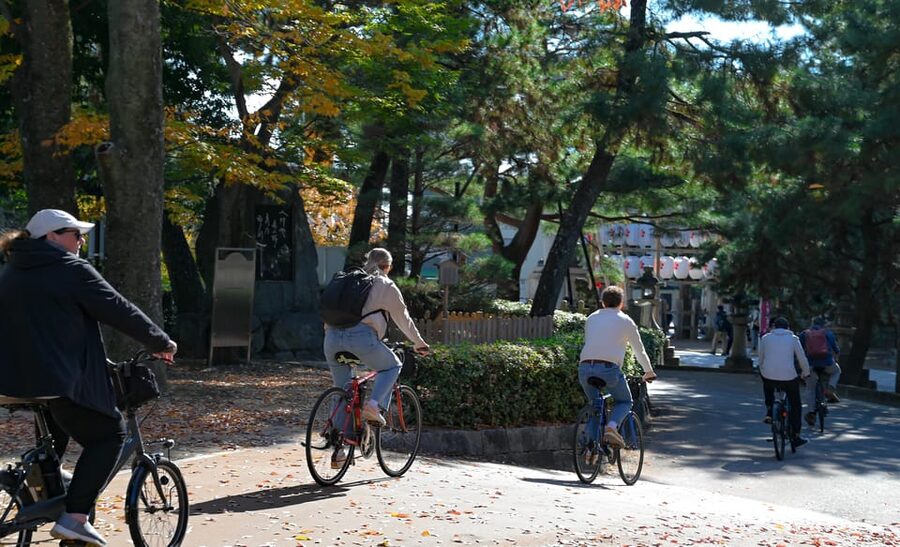
Kitano Tenmangu receives about an hour of guided attention. The shrine is associated with Tenjin, a deity connected with scholarship, and its grounds offer a different style of sacred architecture from the Buddhist temples earlier in the morning.
This is one of the places where an English-speaking guide adds real value. A good explanation can help you distinguish a Shinto shrine from a Buddhist temple, notice the purpose of different structures, and understand why the site matters beyond its appearance.
From Kitano Tenmangu, you ride to Kinkaku-ji, Kyoto’s Golden Pavilion. The entrance fee is included, and you spend about an hour at the site, with roughly 25 minutes set aside to explore the pavilion area.
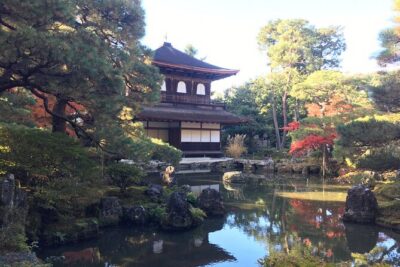
Kinkaku-ji is one of Kyoto’s most photographed sights for a reason. The gold-covered pavilion reflects in the pond, and the surrounding garden frames it from several angles. The drawback is that it can feel crowded, and the visit follows a set path. Your guide can explain what you are seeing, but you should not expect a quiet, private garden walk.
Still, including the entrance fee is helpful. You do not need to arrange a separate visit, and the timing keeps the day moving. Take your photos early, then pay attention to the garden and the changing views rather than stopping only at the first pond overlook.
More Cycling Trips in Kyoto:
- Hidden Kyoto E-Biking tour
★ 5.0 · 1,843 reviews - Bike Tour Exploring North Kyoto plus Lunch
★ 5.0 · 1,087 reviews - Arashiyama Bamboo Forest & Hidden Gems Bike Tour (Early Bird)
★ 5.0 · 613 reviews - Kyoto: Memory Kyoto E-Bike Tour
★ 4.8 · 297 reviews
A Traditional Lunch and the Imperial Palace
Lunch is included and lasts about an hour. The restaurant can vary, so you should not book this tour expecting one fixed menu or one particular dish. The meal is traditional Japanese food, and examples from the tour include ramen with a special duck broth.
This is one of the better practical features of the outing. You do not have to lose time searching for food in an unfamiliar part of the city, and a local guide can take you somewhere you might not choose on your own. If you have dietary restrictions, the provided details do not promise specific accommodations, so ask before booking.
After lunch, the route continues to Kyoto Imperial Palace. The palace grounds offer a broad contrast to the tighter temple and shrine compounds. You can expect a substantial visit of about an hour, with the guide explaining the setting and its importance in the former imperial capital.
The Imperial Palace stop also gives you a chance to walk and reset your legs. By this point, you will have been cycling and stopping repeatedly since the morning. That break matters, even for fit riders.
Along the Kamo River and Into Gion
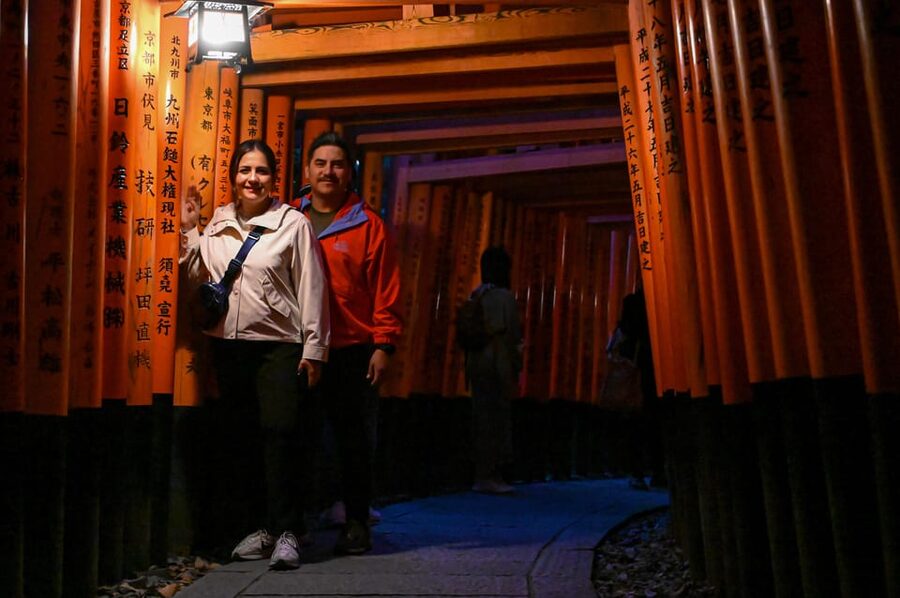
The Kamo River is one of the most pleasant cycling sections. The tour uses the river area for a photo stop of about 40 minutes, giving you a chance to take pictures and enjoy a more open view after the enclosed temple grounds.
The river route is also a useful change of pace. You are no longer focused on a gate, hall, or garden pond. Instead, you get a broader look at Kyoto’s daily rhythm and the way the river cuts through the city.
From there, the route enters Gion, Kyoto’s famous geisha district. The guided visit lasts about an hour and takes you through back streets rather than limiting the experience to the main tourist roads.
You might see a geisha or maiko, as one rider did, but that should not be treated as a promise. Gion is a working neighborhood, not a stage set. Keep your camera respectful, follow the guide’s advice, and remember that people who live and work there are going about their business.
This section is especially valuable by bicycle because you can approach Gion from the river and move through its lanes without making the district the only focus of your day. You get the atmosphere, but also the context of how it connects to the rest of Kyoto.
Tofukuji and the Torii Gates of Fushimi Inari
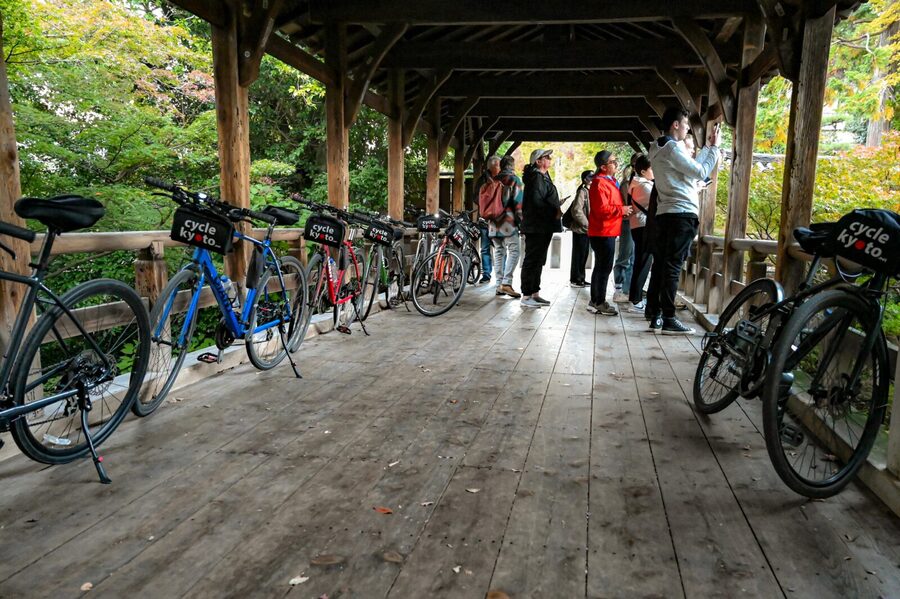
The final stretch heads south to Tofukuji Temple. This is a shorter photo stop of about 30 minutes, but it adds another important temple setting before the day’s last major sight.
Tofukuji is also a useful pause before Fushimi Inari. You will have been cycling for hours, and the temple grounds give you another chance to stretch your legs and prepare for a walking visit.
The tour ends its sightseeing route at Fushimi Inari Taisha, specifically the Senbontorii area. The shrine is famous for its long rows of orange torii gates, which climb into the wooded hillside behind the main shrine complex.
The planned guided visit lasts about an hour. You will walk beneath the gates rather than simply stopping for a roadside photograph. The full mountain trail extends much farther, but the supplied schedule does not promise a complete hike to the summit, so do not book this tour expecting an all-day Fushimi Inari trek.
Fushimi Inari is a fitting final stop because it feels different from nearly everything earlier in the day. The bright gates form a long corridor, and the route turns a standard shrine visit into a short walk through one of Kyoto’s most memorable spaces.
Afterward, you cycle back to Cycle Kyoto. You will likely be ready for a shower and a quiet dinner.
Is the 450-Minute Price Good Value?
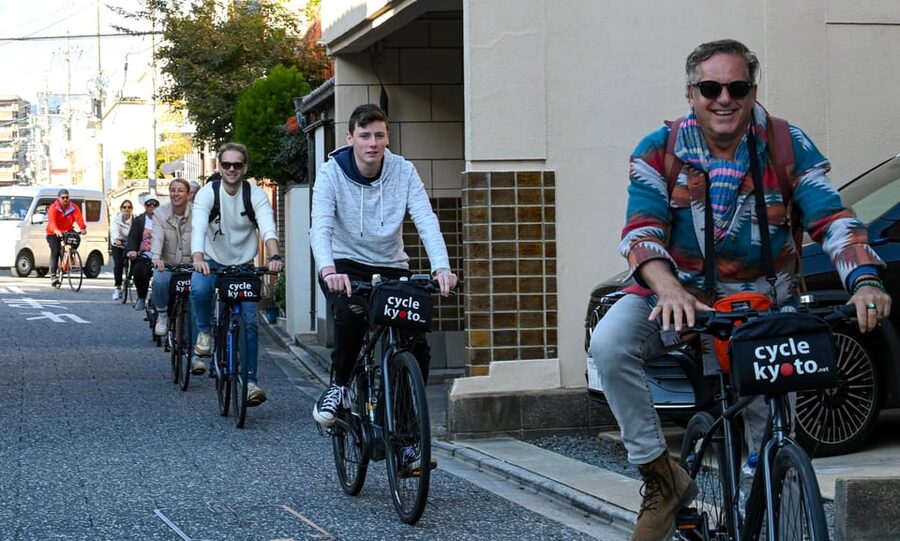
The price is $116 per person. For a full-day experience that includes the bicycle, helmet, Kinkaku-ji admission, traditional lunch, a small group, and an English-speaking guide, that is a reasonable package for someone who wants structure and broad coverage.
You are not paying only for bike hire. You are also paying for route planning, temple and shrine explanations, local food arrangements, and the ability to cover several districts without working out every connection yourself.
Value depends on how you like to visit cities. If you prefer to spend half a day in one temple garden, this tour will feel rushed. If you want to see many sides of Kyoto in one day and are happy with focused stops, the price makes more sense.
The small group limit of nine helps. It should make it easier to hear the guide and keep the group together than on a large coach outing. The English-speaking guides have lived in Japan for a considerable time, and guides named in the tour feedback include Shawn, Juan, Karl, and Jay.
The strongest praise centers on the guides, comfortable bikes, organized route, lunch, and the chance to use low-traffic back streets. That combination is the real product. The individual sights are available on many Kyoto itineraries, but the cycling connection between them is what makes this day different.
Fitness, Weather, and What to Bring
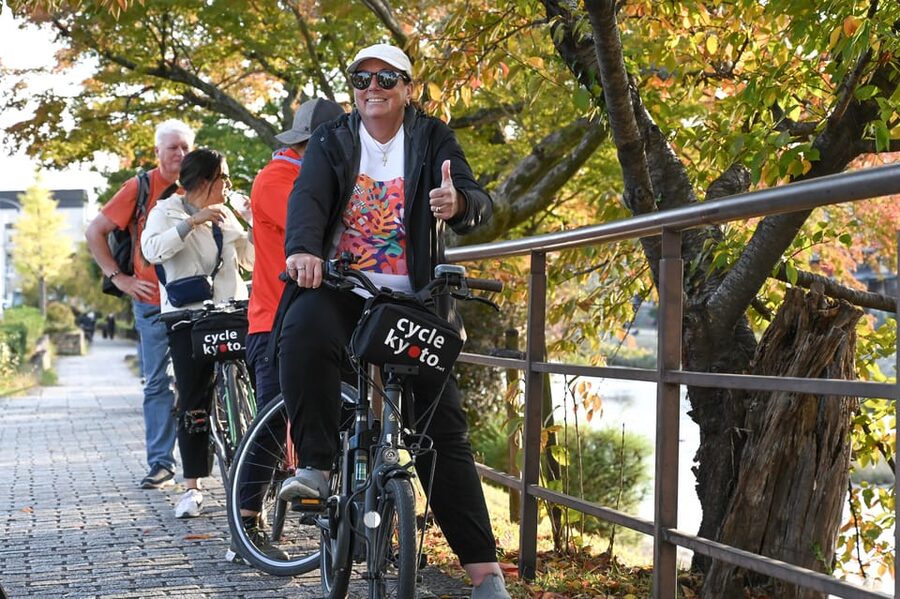
You need to be able to ride a bicycle confidently. The tour is not suitable for children under 12, pregnant women, or anyone who cannot ride. The route is described as generally flat and manageable on a regular bike, but the distance still adds up.
Bring:
- Comfortable cycling and walking shoes
- A hat
- Sunscreen
- Water
- A camera
- Comfortable clothing suitable for biking
Keep your personal belongings light. Storage space on the bikes is limited, although larger luggage can be left in the secure shop space.
The tour begins at 9:30 AM sharp. Arrive 15 minutes early for fitting and the safety briefing. Weather can affect the outing. The tour does not operate in all conditions, and heavy rain leads to cancellation with a refund.
You also have some booking flexibility. Cancellation up to 24 hours before the start qualifies for a full refund, and you can reserve now and pay later.
Who Should Choose This Kyoto Ride?
I would choose this tour if I had one open day in Kyoto and wanted a strong first look at the city. It is particularly good for active adults, couples, families with older children, and anyone who finds long bus days tiring.
It also suits you if you want help with the city’s layout. By the end, you will have seen southern, northern, eastern, and central parts of Kyoto, along with several types of religious sites and ordinary residential areas.
I would skip it if you want a slow, contemplative temple day, dislike cycling in a city, or have limited stamina. Even though the city is fairly flat, more than 18 miles of riding plus walking is a serious commitment.
Should You Book the Full Day Bike Tour?
Book it if you want maximum Kyoto coverage in one active day, with lunch and admissions handled for you. The mix of Toji, Nishi Honganji, Kitano Tenmangu, Kinkaku-ji, the Imperial Palace, Gion, Tofukuji, and Fushimi Inari gives you a broad introduction without reducing the day to a bus window.
Choose an e-bike if you are uncertain about the distance, and arrive early for the fitting. If you can ride comfortably, pack light, and accept that some famous sites will be busy, this is a smart way to see both Kyoto’s headline sights and its quieter connecting streets.
FAQ
What time does the tour start?
The tour starts at 9:30 AM. You should arrive 15 minutes early for the bike fitting and safety briefing.
How long does the tour last?
The advertised duration is 450 minutes, or seven and a half hours.
What is included in the price?
The price includes bike rental, a helmet, admission to Kinkaku-ji, and a traditional Japanese lunch.
Are e-bikes available?
E-bikes are available upon request. Ask for one when arranging your tour.
How large is the group?
The tour is limited to nine participants.
What language is the tour conducted in?
The tour is conducted in English by a live English-speaking guide.
Is the tour suitable for children?
The tour is not suitable for children under 12 years old.
What happens if it rains heavily?
The tour may be canceled in heavy rain, and refunds will be provided. The tour does not operate in all weather conditions.
Newest rides we have reviewed in Kyoto
- Best of Kyoto: Ginkakuji & Path of Philosophy E-Bike Tour★ 4.9 · 79 reviews
- Kyoto: Tailored E-Bike Tour to Highlights & Hidden Gems★ 4.9 · 32 reviews
- Kyoto: Half-day Guided Bike Tour with Fushimi Inari★ 4.9 · 21 reviews
- Kyoto: Early Bird E-Bike Tour with Lunch★ 5.0 · 14 reviews
- Kyoto: Full-Day City Highlights Bike Tour with Light Lunch★ 5.0 · 52 reviews
- Cycle Kyoto’s Hidden Gems & Gion Stroll★ 5.0 · 29 reviews
- Kyoto: Arashiyama Bamboo Forest Morning Tour by Bike★ 5.0 · 115 reviews
- Kyoto: Afternoon Bamboo Forest and Monkey Park Bike Tour★ 4.9 · 83 reviews
Kyoto Cycling Tours, compared.
Arashiyama Bamboo Forest & Hidden Gems Bike Tour (Early Bird)
Read our review →
5 Top Highlights of Kyoto Full Day Bike Tour (E-bike option)
Read our review →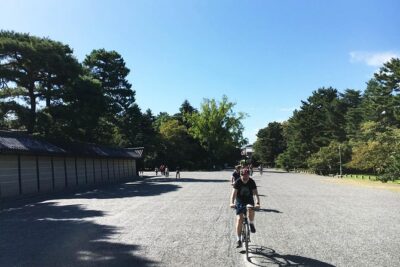
Full Day Biking Tour Exploring the Best of Kyoto
Read our review →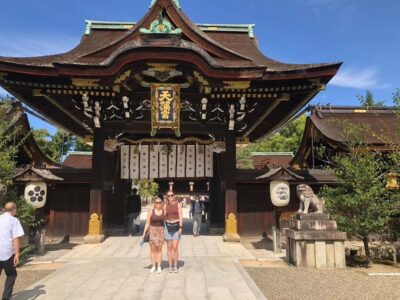
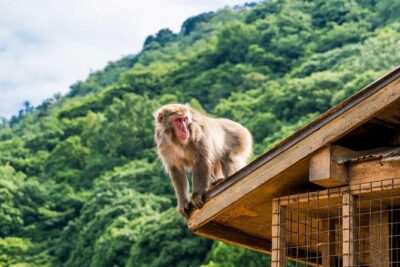
Afternoon Kyoto Bike Tour: Bamboo Forest, Monkeys & Hidden Spots
Read our review →Other lists this ride turns up in