
REVIEW · KYOTO
Full Day Biking Tour Exploring the Best of Kyoto
Kyoto is spread out, and this full-day bike tour solves a real sightseeing problem: how to see the major temples, shrines, palace grounds, and old neighborhoods without spending the whole day waiting for buses. You ride through smaller streets, cover roughly 18 to 20 miles, and still stop often enough to look around.
I like the mix of famous sights and quieter corners. I also like the small-group format, with the booking information listing a maximum of eight people, though the main tour description says up to nine. The main catch is simple: this is a serious day of exercise, not a gentle pedal between two nearby temples.
Key points to know before booking
- Expect a long ride: The route is generally flat, but roughly 18 to 20 miles of cycling plus extensive walking can leave you tired.
- See Kyoto from street level: Small roads, traditional homes, river views, and local neighborhoods fill the spaces between headline attractions.
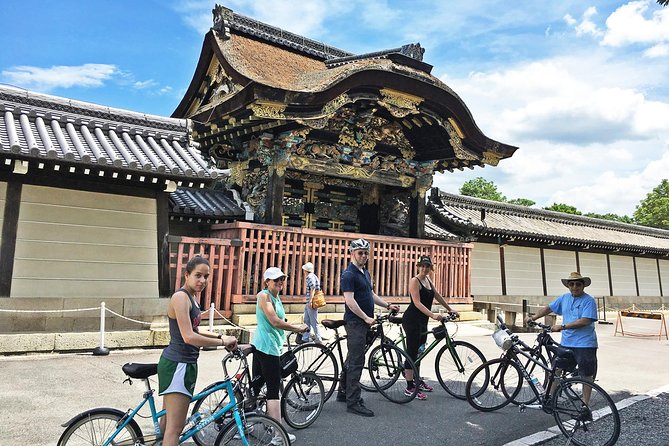
- Major sights are included: Kinkaku-ji, Gion, Fushimi Inari-taisha, the Imperial Palace grounds, Nishi Honganji, Kitano Tenmangu, and Tofuku-ji all feature.
- Lunch is part of the value: A hearty Japanese meal and bottled water are included, with the meal often served at a local-style noodle or family restaurant.
- The guide shapes the day: Guides including Jay, Karl, Juan, Paul, Indra, Quinn, and Jamie have led this route, and each brings a different mix of history, humor, and practical help.
- You need basic riding ability: You must be at least 13, comfortable on a bike, and fit enough for an active day outdoors.
Why a bicycle works so well in Kyoto
Kyoto is not a compact old town where every major sight sits around one pleasant square. The Imperial Palace is well north of Kyoto Station. Kinkaku-ji is farther northwest. Gion lies east of the center, while Fushimi Inari is south of the station. Add Nishi Honganji, Kitano Tenmangu, and Tofuku-ji, and a walking plan becomes awkward.
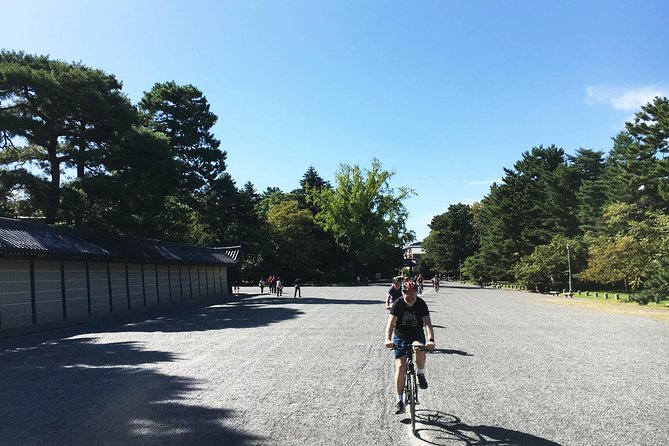
A bicycle lets you connect these places without treating the city as a series of train stations and bus stops. You see ordinary streets between the temples, and the route can use smaller roads instead of forcing you onto the busiest avenues. That street-level view is one of the strongest reasons to choose this experience.
The ride is described as mostly flat and manageable, but do not confuse flat with effortless. The day can run from morning into late afternoon, and one group covered about 20 miles plus 14,000 steps. Your exact total can vary, yet the pattern is clear: you will pedal a lot, walk through temple and shrine grounds, and likely work up a sweat in warm weather.
More Full-Day Rides in Kyoto:
- 5 Top Highlights of Kyoto Full Day Bike Tour (E-bike option)
★ 5.0 · 511 reviews - Kyoto: Full-Day City Highlights Bike Tour with Light Lunch
★ 5.0 · 52 reviews - Kyoto: Full Day Bike Tour
★ 4.9 · 39 reviews
Starting near Kyoto Station with a Cannondale bike
You begin at Cycle Kyoto, at 7 Higashikujō Nishisannōchō in Minami Ward. The shop is about one block south of Kyoto Station, which makes the start fairly convenient if you are staying near the station or arriving by train.
The staff fit you with a Cannondale bike and provide a helmet. The standard bicycle has a small front pouch for a phone or wallet, so pack carefully. If you bring a backpack, you should expect to carry it throughout the day. One rider noted that an electric bike upgrade may be available, but it is not part of the listed inclusions, so ask the operator about cost and availability before counting on it.
Take a moment at the start to adjust the saddle and check your riding position. A bike that feels fine for ten minutes can feel very different several hours later. Wear comfortable clothing, bring sun protection, and use shoes suitable for both pedaling and walking around temple grounds.
Nishi Honganji, a powerful first temple stop
Nishi Honganji gives the morning an impressive start. It is one of Kyoto’s less visited major religious sites and includes one of the world’s largest wooden buildings. The scale is the point here. You get a sense of the size and presence of Japanese Buddhist architecture without the same level of crowd pressure found at Kinkaku-ji or Fushimi Inari.
The stop is scheduled for about 15 minutes, so this is an introduction rather than a long, quiet temple visit. Your guide can add context about the site, but you should not expect a full worship or museum visit. It works well early in the day because it shows you a substantial piece of Kyoto that many visitors miss while chasing the most famous names.
Kitano Tenmangu and a calmer shrine pause
Kitano Tenmangu is a good counterpoint to the enormous wooden halls at Nishi Honganji. It remains an active shrine used by local worshippers, and the planned 20-minute visit gives you time to take in the setting and hear about its past.
This is one of the stops where the bike tour feels more personal than a bus circuit. You arrive as part of a small group, pause in a quieter atmosphere, and then continue through the city rather than spending the whole morning inside a single attraction.
The schedule is brisk. If you like lingering over every detail, you may find the time short. If your goal is to build a useful first picture of Kyoto, the quick pace helps you see more in one day.
More Cycling Trips in Kyoto:
- Hidden Kyoto E-Biking tour
★ 5.0 · 1,843 reviews - Bike Tour Exploring North Kyoto plus Lunch
★ 5.0 · 1,087 reviews - Arashiyama Bamboo Forest & Hidden Gems Bike Tour (Early Bird)
★ 5.0 · 613 reviews - Kyoto: Memory Kyoto E-Bike Tour
★ 4.8 · 297 reviews
Kinkaku-ji, Kyoto’s famous Golden Pavilion
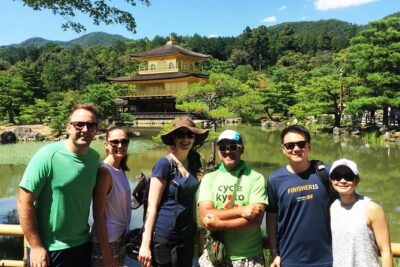
Kinkaku-ji is the visual centerpiece of the morning. The Golden Pavilion is one of Japan’s most photographed sights, and the tour allows around 30 minutes for the visit. Your guide provides commentary, and there is time to enjoy the grounds and stop for an ice cream.
The pavilion itself is not a quiet, obscure discovery. It is one of Kyoto’s busiest attractions, and the experience is shaped by crowds and a set viewing route. That is not a reason to skip it, but it is worth adjusting your expectations. You come for the striking gold structure reflected in the pond, not for an empty garden stroll.
A guide is useful here because the building’s appearance can overshadow the larger story. You get more from the stop when someone explains why the site matters and points out details you might otherwise pass without noticing.
The Imperial Palace grounds by bicycle
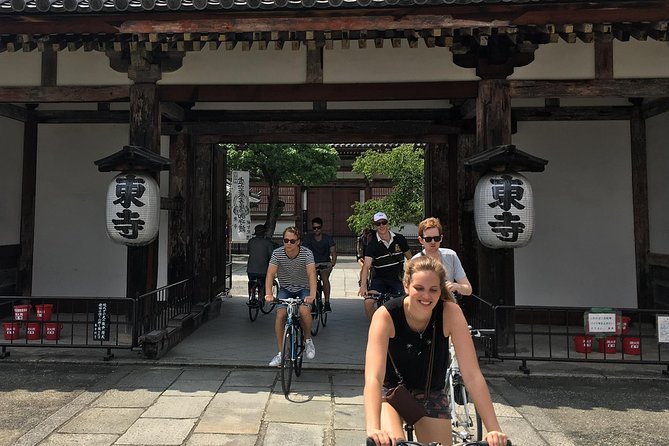
The route also passes through the grounds of the former seat of Japan’s imperial family. The supplied schedule does not give this stop a number or a fixed time, but it is part of the day’s sequence after Kinkaku-ji and before Gion.
This section adds historical scale to the tour. Kyoto served as Japan’s imperial capital for centuries, and riding through the palace grounds helps connect the temples and shrines to the city’s political past. It is also a change of pace after the popular Golden Pavilion.
Because the stop is described as a ride through the grounds, do not assume that a full interior palace tour is included. The value here is the setting, the guide’s explanation, and the chance to experience a broad historic area on two wheels.
Gion, geisha culture, and respectful sightseeing
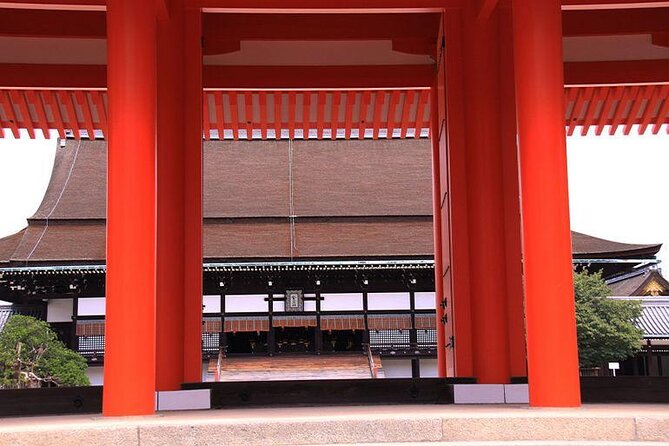
Gion is Kyoto’s best-known geisha district, with traditional streets and buildings tied to the city’s entertainment culture. The planned stop is about 15 minutes, so the visit is a short orientation rather than an evening performance or a detailed district walk.
Your guide can explain how the district works and help you distinguish fact from the romantic ideas often attached to geisha culture. You might catch sight of an entertainer moving between appointments, but that is never something to expect or pursue. Treat the area as a living neighborhood, not a stage set.
One strong feature of the route is that lunch takes place in the Gion area. The meal is included, and the day’s guides have taken groups to local noodle houses or family restaurants away from the most obvious tourist spots. Dietary requirements need to be shared ahead of time, which is especially important if you have allergies or follow a strict diet.
Tofuku-ji and the view from its bridge
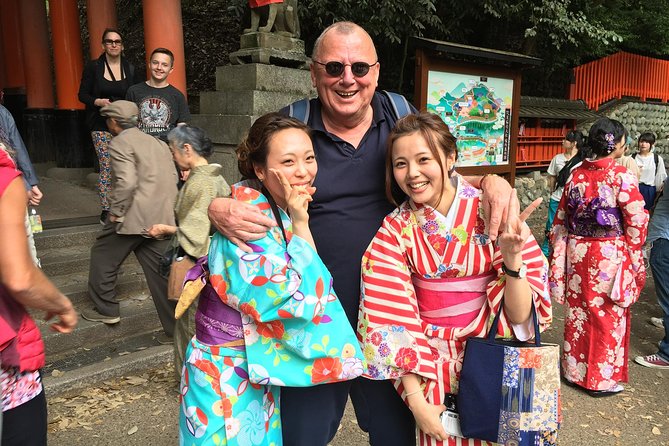
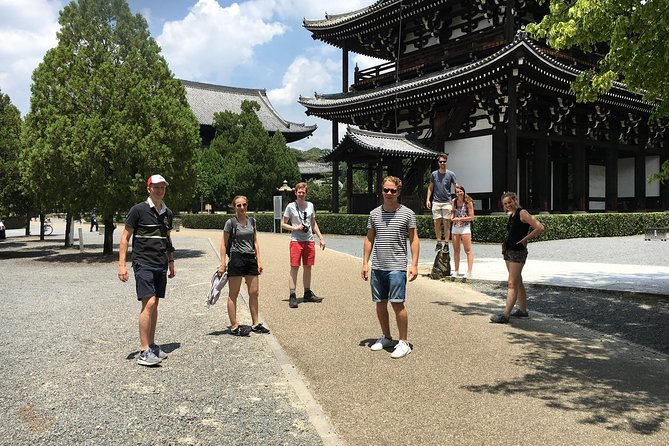
Tofuku-ji receives only about five minutes on the published schedule, making it more of a brief look than a full temple visit. The stop focuses on the view from the bridge and the spacious grounds of one of Japan’s oldest and largest Zen temples.
That short timing may disappoint you if Tofuku-ji is high on your personal list. Still, it makes sense in a day that already includes several major sites. You get a glimpse, hear why the temple matters, and keep moving toward Fushimi Inari.
The contrast is useful. After the tight streets of Gion, Tofuku-ji gives you room and a different architectural mood. The tour is not trying to replace a dedicated visit to every temple. It is giving you a broad first look, with ideas for places to revisit later.
Fushimi Inari and the right way to approach it
Fushimi Inari-taisha is the final major sight and one of Kyoto’s most demanding places to navigate. Its long corridors of orange torii gates climb into the wooded hills, and the lower section can be crowded. The tour allows about 20 minutes and uses the guide to pick a practical path through the busiest areas.
You should understand the tradeoff. Twenty minutes is enough to experience the famous gate-lined approach and hear the basic story, but not enough for a serious hike up the mountain. If you want to reach the higher viewpoints, plan a separate visit on another day.
Ending here works well because Fushimi Inari leaves a strong final impression. You see the relationship between Shinto worship, donated torii gates, and the shrine’s long approach. Then you return by bicycle to the meeting point near Kyoto Station.
What the guides add to the day
The experience depends heavily on who leads your group. Guides named in the supplied material include Jay, Karl, Juan, Paul, Indra, Quinn, Jamie, and Jaimie. The individual style varies, but the strongest pattern is clear: the guide is not just there to point out buildings.
Karl has been praised for detailed Japanese history and for safely threading through Kyoto’s back streets. Juan has been described as engaging and helpful, with a good lunch stop. Jay is known for adding humor, taking group photos, and explaining temples, shrines, geisha culture, and everyday Japan. Paul’s approach includes small stories at each stop and careful organization.
Indra brings an outsider’s perspective along with strong cultural background. Quinn has lived in Japan for more than 20 years and is also useful for local recommendations. Jamie and Jaimie have used simple Japanese phrases, numbers, and months to make the day more interactive.
You cannot choose a particular guide from the information provided, so treat the names as examples of the team rather than a promise. The only clear caution is that one rider found the guide’s explanations unclear and felt the value was weaker than similar bike tours. That experience appears to be the exception, but it is a fair reminder that guiding quality can affect the day.
Lunch, water, and the real value of the $119 price
The price is $119.38 per person. That includes the Cannondale bike, helmet, bottled water, and lunch, along with the guide and the full day of sightseeing. For a seven to eight-hour active tour that links distant parts of Kyoto, the package can be good value if you would otherwise pay separately for bike rental, food, and transport.
The value is less convincing if you only want a relaxed two-hour ride or already know Kyoto well. You are paying for the route planning, safe navigation through city streets, site explanations, and the ability to see a broad sweep of Kyoto in one day. The meal helps, especially when it is served at a small local-style restaurant rather than treated as a quick convenience stop.
The included water matters more than it sounds. On a warm day, you will need it, and carrying your own supply can be awkward on a standard bicycle. Still, bring extra water if the weather is hot, since the listed inclusion is one bottle rather than unlimited refills.
Who should book this Kyoto bike tour
I would choose this for an active first visit to Kyoto, especially if you want a city overview before deciding where to return on foot. It suits couples, friends, and families with older children who can ride comfortably for most of a day. The minimum age is 13.
It is also a good fit if you dislike large bus groups. The listed maximum is eight people in the additional information, while the overview says nine, so confirm the final group size if that matters to you. Either way, this is a small-group outing rather than a coach tour.
I would hesitate if you have knee, back, or balance problems, dislike riding in city traffic, or want long, unhurried visits inside each temple. The route uses mainly smaller roads and is described as safe and easy to follow, but you are still cycling through an urban area. You need a moderate level of fitness and confidence on a bike.
Free cancellation is available up to 24 hours before the start time. The activity depends on good weather and a minimum number of participants, so a weather cancellation can lead to a different date or a full refund.
Should you book it?
Book this tour if your priority is seeing a lot of Kyoto in one energetic day. The route covers the Golden Pavilion, Gion, Fushimi Inari, the Imperial Palace grounds, and several important temples and shrines, while the back streets give you a look at the city between the headline stops.
Skip it if you want a slow cultural day or if 18 to 20 miles sounds exhausting. The clearest practical advice is to treat the tour as a full day of exercise with sightseeing attached, not sightseeing with a little cycling. If that sounds appealing, the included lunch, small group, capable route leaders, and broad coverage make the $119.38 price reasonable.
FAQ
How long does the Kyoto bike tour last?
The tour lasts approximately seven to eight hours and ends back at the Cycle Kyoto meeting point.
Where does the tour start and finish?
It starts and finishes at Cycle Kyoto, located at 7 Higashikujō Nishisannōchō, Minami Ward, Kyoto, 601-8003, Japan.
What sights are included?
The route includes Nishi Honganji, Kitano Tenmangu Shrine, Kinkaku-ji, the former Imperial Palace grounds, Gion, Tofuku-ji Temple, and Fushimi Inari-taisha Shrine.
Is lunch included?
Yes. Lunch and bottled water are included in the tour price. Dietary requirements should be provided in advance.
Are bicycles and helmets provided?
Yes. The tour includes use of a Cannondale bicycle and a helmet.
How fit do I need to be?
You should have a moderate level of physical fitness and feel comfortable riding a bicycle. The route is generally flat but can cover roughly 18 to 20 miles, with additional walking at the sights.
What is the minimum age?
Riders must be at least 13 years old and comfortable riding a bike.
How large is the group?
The additional information lists a maximum of eight participants. The main tour description says a maximum of nine, so confirm the expected group size when booking if this is important to you.
Can I cancel for a refund?
You can cancel up to 24 hours before the experience starts for a full refund. Changes or cancellations made less than 24 hours before the start time are not accepted for a refund. If poor weather or insufficient participation causes the operator to cancel, you will be offered another date or a full refund.
Newest rides we have reviewed in Kyoto
- Best of Kyoto: Ginkakuji & Path of Philosophy E-Bike Tour★ 4.9 · 79 reviews
- Kyoto: Tailored E-Bike Tour to Highlights & Hidden Gems★ 4.9 · 32 reviews
- Kyoto: Half-day Guided Bike Tour with Fushimi Inari★ 4.9 · 21 reviews
- Kyoto: Full Day Bike Tour★ 4.9 · 39 reviews
- Kyoto: Early Bird E-Bike Tour with Lunch★ 5.0 · 14 reviews
- Kyoto: Full-Day City Highlights Bike Tour with Light Lunch★ 5.0 · 52 reviews
- Cycle Kyoto’s Hidden Gems & Gion Stroll★ 5.0 · 29 reviews
- Kyoto: Arashiyama Bamboo Forest Morning Tour by Bike★ 5.0 · 115 reviews
Kyoto Cycling Tours, compared.
Arashiyama Bamboo Forest & Hidden Gems Bike Tour (Early Bird)
Read our review →
5 Top Highlights of Kyoto Full Day Bike Tour (E-bike option)
Read our review →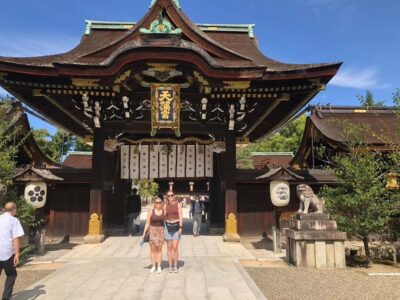
Afternoon Kyoto Bike Tour: Bamboo Forest, Monkeys & Hidden Spots
Read our review →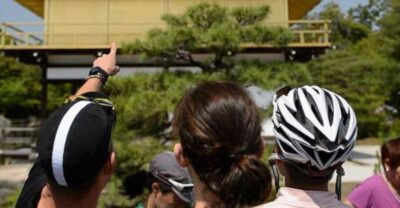
Other lists this ride turns up in