
REVIEW · CAMBODIA
Local Livelihood Half Day Bike Tour in Battambang
The best part of this Battambang bike tour is not the cycling itself. It is the chance to stop at small family workshops and see how rice paper, dried bananas, bamboo sticky rice, and rice wine are made. You ride beyond the city with a local guide, meet Khmer families, and taste what is being made that day.
I like the small maximum group of 10 and the fact that your fee includes compensation for the families you visit. I also like the practical extras: mountain bike, helmet, water, snacks, and a morning departure that avoids the worst heat. The main caution is the roughly 22-kilometer distance, plus a possible saddle that may become uncomfortable before the ride ends.
Key points to know before you book
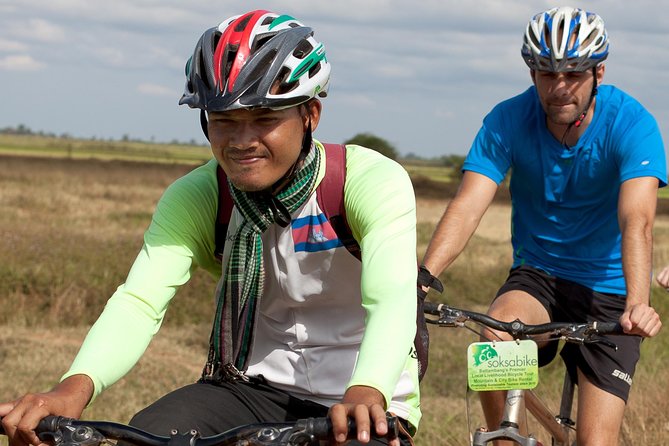
- A 22-kilometer countryside ride: The route leaves Battambang behind and runs through rural communities by bicycle.
- Real family-run production: You visit homes making rice paper, dried bananas, bamboo sticky rice, and other traditional products.
- Savith may be your guide: The experience includes local student guides, with Savith praised for being warm and helpful.
- Food is part of the lesson: Expect seasonal fruit, coconut water, local treats, and a rice wine tasting.
- Early start, small group: Meet near Psar Nath at 7:30am, with no more than 10 people.
- Check the transport details: Pickup is listed as included, but the meeting point is also specified as the start and end, and hotel drop-off is listed as excluded in one section.
Leaving Battambang by bicycle at 7:30am
This is a morning ride designed to show you the countryside around Battambang, not a city sightseeing circuit. You meet near Psar Nath, the central market, on Street 1.5, then set out with a local student guide from Soksabike.
The early start makes sense. Cambodia’s heat can make a long bike ride harder than the distance suggests, so leaving at 7:30am gives you a better chance of enjoying the road before the day gets too hot. The tour returns around noon, placing most of the ride in the cooler part of the morning.
You cover about 22 kilometers. That is a serious ride for someone who rarely cycles, but the tour is described as suitable for all fitness levels. You should still think honestly about your comfort on a bicycle. The route is not a short pedal between nearby sights, and one person specifically found the saddle painful. A padded seat or cycling shorts could make a real difference.
The bikes are mountain bikes, and a safety helmet is included. That is useful on a rural route, where the appeal lies in getting away from traffic and busy streets rather than racing through town. Riding also removes the usual problem of finding a parking place or sitting in a vehicle when roads slow down.
The published duration needs a little care. The general information gives an approximate range of two to four hours, while the detailed schedule says the ride leaves at 7:30am and returns around noon. Plan your morning around the longer schedule, especially if you have an afternoon bus, train, or other booking.
More Cycling Trips in Cambodia:
- Siem Reap Countryside Bike Tour / E-Bike or Tuk Tuk
★ 5.0 · 935 reviews - Angkor Sunrise Bike Tour / E-Bike or Tuk Tuk
★ 5.0 · 615 reviews - Phnom Penh Silk Island Bike Tour/ E-Bike or Tuk Tuk
★ 5.0 · 495 reviews
Meeting Khmer families instead of just viewing the countryside
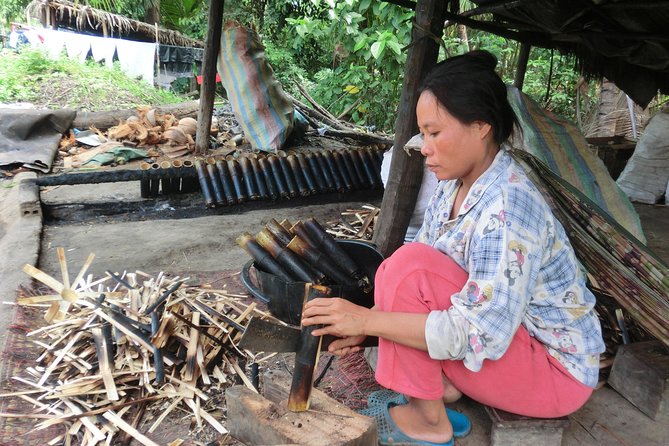
The stops are what give this tour its purpose. You do not simply pedal past fields and houses while a guide points out distant sights. You stop with Cambodian families who make traditional foods and household products using methods passed down through generations.
That direct contact matters. Rural communities make up more than 70 percent of Cambodia’s population, yet a short city visit can leave you with little sense of how people outside the main tourist areas work and live. Here, everyday production becomes the focus of the morning.
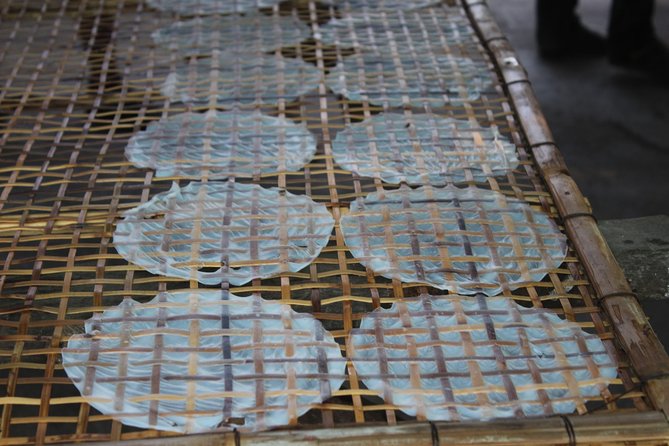
At one family stop, you might see rice paper being prepared. At another, the subject may be dried bananas or bamboo sticky rice. The activities are small in scale, but they explain more about local routines than a polished cultural display would. You get to ask questions through your guide and see the work close up.
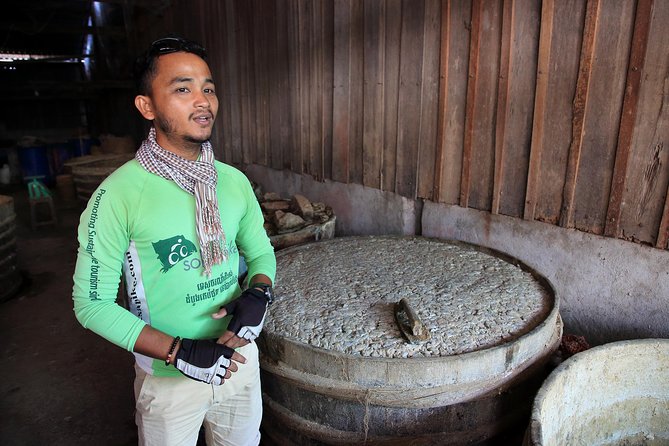
The tour also visits a family making rice wine. Tasting is part of the experience, along with other local treats. One useful detail for cautious eaters is that the food is not limited to a single snack. Seasonal fruit and coconut water are included, giving you a mix of sweet, fresh, and more unusual tastes along the route.
I would treat these visits as cultural encounters, not formal demonstrations with a fixed show schedule. The point is to meet people and understand their work. The exact order of stops and the products available may vary with the day and season.
Rice paper, dried bananas, and bamboo sticky rice
Each food stop gives the ride a different rhythm. You cycle for a while, arrive at a family home or small production site, listen to an explanation, and try something connected to the work. That pattern keeps the morning from becoming one long physical effort.
Rice paper offers a useful look at a familiar Cambodian ingredient in its working form. You can connect the finished food on a restaurant plate with the home-based process behind it. The value is in seeing the care and repetition involved, rather than simply taking a photograph of the final product.
Dried bananas show another side of rural food production. They are simple, portable, and tied to the local harvest. Because the tour includes tastings, you are not only watching. You get a chance to try the foods as part of the visit.
Bamboo sticky rice adds a distinctly local detail to the route. The product is made in bamboo and is one of the traditional items families have continued to prepare. Sampling it turns an explanation into something you can remember through taste and texture.
The rice wine stop may not suit everyone, but it adds range to the experience. The inclusion of an alcoholic sample is specifically noted, so you can skip it if you do not drink. Water, coconut water, fruit, and other snacks are also part of the morning.
What the guide adds to the ride
A guide is important here because the value of the tour lies in context. Without one, you could cycle past a family workshop without knowing what is being made or why it matters. A local student guide can explain the daily routine and help bridge the gap between a visitor and the families being visited.
The tour uses local student guides, and Savith is one guide associated with the experience. Savith is described as kind and helpful, with a strong role in making the food stops enjoyable. The guide is not there only to lead the route. You also rely on that person to introduce you to families and explain the work in clear terms.
That personal link is one reason I prefer this kind of outing to a standard countryside drive. A vehicle can cover more ground, but a bicycle gives you time to notice the small changes between town and village. You are also moving at a pace that makes stopping natural.
The maximum group size is 10. That is small enough to keep the group together without turning every family visit into a crowd. It should also make it easier to hear the guide and ask questions, though the exact feel depends on how many people book for your date.
Same roads, a different saddle:
- Siem Reap: Bike the Angkor Temples – Full-Day 30km Tour
★ 5.0 · 463 reviews - Siem Reap: Angkor Wat Sunrise Bike Tour & Jungle Breakfast
★ 5.0 · 415 reviews - Phnom Penh: Silk Islands Half-Day Bike Tour
★ 4.9 · 315 reviews - Siem Reap: Guided Countryside Bike Tour
★ 4.9 · 294 reviews
The ride itself: a gentle pace with one practical warning
The route is described as suitable for all fitness levels, but that should not be read as meaning effortless. Twenty-two kilometers takes time, and sitting on a bike for several hours can be tiring even when the route is not difficult.
You should wear practical clothing and be ready for a full morning outdoors. The tour asks you to cover your knees and shoulders out of respect for local culture. That is especially relevant because you are visiting family homes and rural communities, not only riding along a public road.
The saddle is worth mentioning again. One person found the bike comfortable overall but complained about saddle pain. This is a small issue, yet it can shape your whole morning. If you are sensitive to bike seats, ask about the available bicycles when you arrive and consider bringing your own padding if that is practical.
The helmet is included, and it is sensible to use it. Water is also included, which helps, but you should still dress for a warm morning and avoid treating the snack stops as a substitute for planning your own comfort.
The reward for the distance is access. Cycling lets you move between communities without the barriers of a vehicle, and you do not need to worry about traffic jams or parking. The road becomes part of the experience rather than dead time between attractions.
What is included, and what needs checking
At $30 per person, the tour offers good value if you want a guided cultural outing rather than only a bike rental. The price covers the guide, mountain bike, safety helmet, water, snacks, family compensation, and the stated hotel pickup and drop-off service.
The family compensation matters. It means the households you visit are not treated as free attractions. Your payment contributes directly to the people who open their work and daily routines to the group, which gives the stops a fairer structure.
Transport details require a quick check before you go. The inclusions mention hotel pickup and drop-off, but another section says hotel drop-off is not included. The meeting information says the activity starts and ends at the Soksabike meeting point near Psar Nath. Confirm whether your hotel is covered for pickup and whether you need to return to the central meeting point after the ride.
Insurance is not included. You should account for that if you want cover for cycling or other parts of the outing.
The tour is booked an average of 21 days ahead, which suggests that early planning is sensible, especially if your Battambang visit is short. Confirmation is provided when you book, and mobile ticketing keeps the practical side simple.
Who will enjoy this Battambang experience most
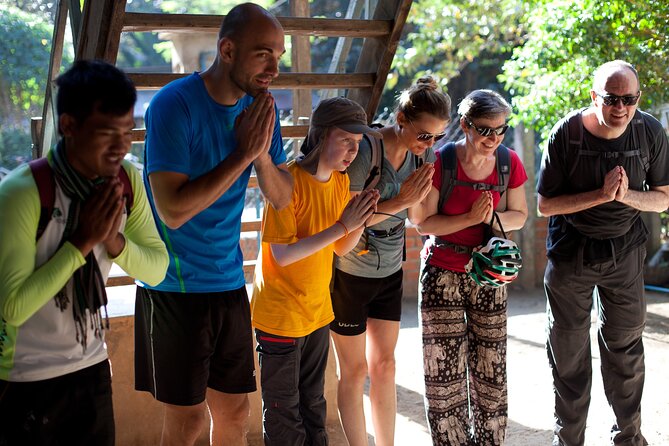
I would choose this tour if you want to understand how people live and work outside Battambang’s center. It suits curious eaters, active visitors, and anyone who would rather meet working families than spend a morning looking at landmarks from a vehicle.
It is also a good choice if you like small-group activities. A maximum of 10 people keeps the experience more personal than a large coach outing, and the family visits make more sense when the group is compact.
The ride may suit you less if you dislike cycling, have trouble with long periods in the saddle, or need a tightly timed morning. The stated schedule runs from 7:30am to around noon, so leave room for delays and confirm your return transport.
Families and mixed-ability groups may find the all-fitness-level description reassuring, but each person still needs to judge the 22-kilometer distance for themselves. The route is active even if the pace is manageable.
You should also be comfortable with food sampling that may include rice wine. There are other snacks and drinks, so tasting alcohol is not essential, but it is part of the range of local products presented.
Practical details before you reserve
The meeting point is Soksabike near Psar Nath, Battambang’s central market, on Street 1.5. The listed start time is 7:30am, and the activity ends back at the meeting point according to the meeting details.
Dress with knees and shoulders covered. This is both a practical cultural gesture and the right approach when entering family homes or visiting community work areas.
The tour is near public transportation, though the supplied details do not specify routes or fares. Most people can participate, but insurance is not included, so review your own coverage if that matters to you.
Free cancellation is available if you cancel at least 24 hours before the start time. Cancellations inside that window are not refunded, and changes made within 24 hours are not accepted. The cut-off follows local time.
Should you book the Local Livelihood Half Day Bike Tour?
Book it if you want a hands-on morning that connects cycling with Cambodian food, family businesses, and rural routines. The strongest parts are the small group, the family compensation, the variety of tastings, and the chance to see products such as rice paper and bamboo sticky rice being made where they originate.
Think twice if 22 kilometers sounds excessive, if a bike saddle quickly causes discomfort, or if you need a guaranteed hotel drop-off. At $30, the tour offers solid value for an active cultural experience, but confirm the transport arrangement and prepare for a full morning on two wheels before you commit.
FAQ
Where does the bike tour start?
The tour starts at Soksabike near Psar Nath, the central market, on Street 1.5 in Battambang.
What time does the tour begin?
The listed start time is 7:30am.
How long does the bike tour last?
The detailed schedule says it departs at 7:30am and returns around 12pm. General information gives an approximate duration of two to four hours, so plan for the longer morning schedule.
How far do you cycle?
The ride is about 22 kilometers.
Is the tour suitable for all fitness levels?
The activity is described as suitable for all fitness levels. You should still consider whether you are comfortable cycling about 22 kilometers and sitting on a bicycle for several hours.
What local products will you see?
The tour visits Cambodian families who make traditional products such as rice paper, dried bananas, bamboo sticky rice, and rice wine.
Is food included?
Yes. Snacks, seasonal fruit, and coconut water are included. The visits also include opportunities to sample local treats.
Is a bicycle and helmet provided?
Yes. A mountain bike and safety helmet are included.
Is hotel pickup and drop-off included?
Hotel pickup and drop-off are listed among the inclusions, but another section says hotel drop-off is not included. The meeting details say the activity starts and ends at Soksabike, so confirm the exact arrangement before booking.
What is the cancellation policy?
You can cancel for a full refund up to 24 hours before the start time. Cancellations or changes made within 24 hours are not accepted, and the amount paid is not refunded.
Newest rides we have reviewed in Cambodia
- Cycle Angkor Backroad Bike Tour / E-Bike or Tuk Tuk★ 4.9 · 16 reviews
- Ho Chi Minh City: 2-Day Bike & Kayak Mekong Delta Tour★ 4.9 · 64 reviews
- From Siem Reap: Angkor Wat Sunrise and Temples E-Bike Tour★ 5.0 · 52 reviews
- Explore the Village &Countryside By Bicycle-Half Day Morning★ 4.8 · 13 reviews
- Small Group Countryside Sunset Bike Tours★ 5.0 · 39 reviews
- Angkor Wat: Guided Sunrise Bike Tour w/ Breakfast and Lunch★ 4.8 · 48 reviews
- Siem Reap: Angkor Wat Sunrise Bike Tour & Jungle Breakfast★ 4.9 · 141 reviews
- Cycle the Angkor Backroads with lunch / E-Bike or Tuk Tuk★ 5.0 · 124 reviews
Cambodia Cycling Tours, compared.
Siem Reap Countryside Bike Tour / E-Bike or Tuk Tuk
Read our review →
Phnom Penh Silk Island Bike Tour/ E-Bike or Tuk Tuk
Read our review →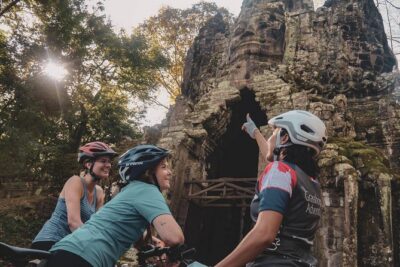

Angkor Wat Sunrise Bike Tour & Jungle Breakfast
Read our review →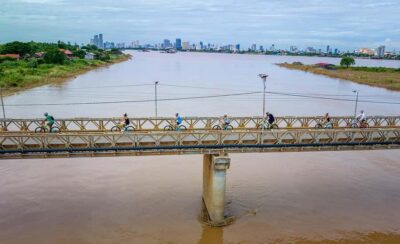
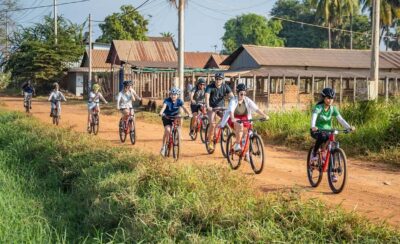
Angkor Wat Sunrise Bike Tour & Jungle Breakfast
Read our review →Other lists this ride turns up in