
REVIEW · CAMBODIA
Customs and Culture Half Day Walk and Bike Tour in Battambang
Battambang’s most revealing sights are often found beyond its colonial streets. On this small-group bike tour, you ride through rice country, visit a mostly Muslim fishing village, see how families weave nets and prepare food, then compare that life with Theravada Buddhist practice at a temple. The stops feel personal because local families explain their work rather than simply posing beside it.
I like the mix of active cycling and direct cultural contact. I also like the care built into the experience: imported Giant, Trek, or GT mountain bikes, helmets, water, a first-aid-certified guide, and compensation for the families you visit. The main consideration is the early 7:30 am start, plus the fact that hotel drop-off after the tour is not included.
Key points to know
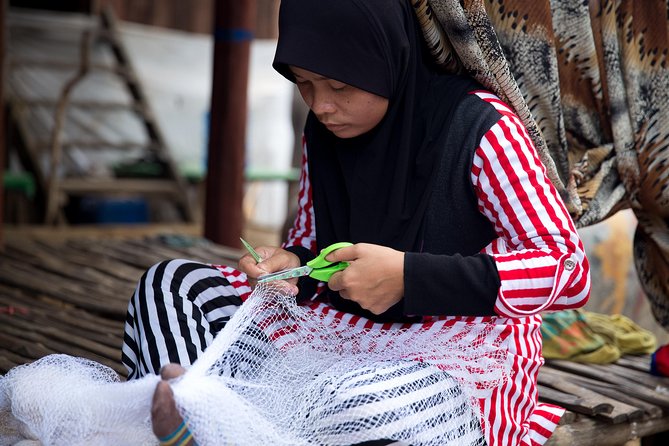
- Visit a Muslim fishing village: See net weaving, fishing work, fish drying, and the role of dried fish in Cambodian cooking.
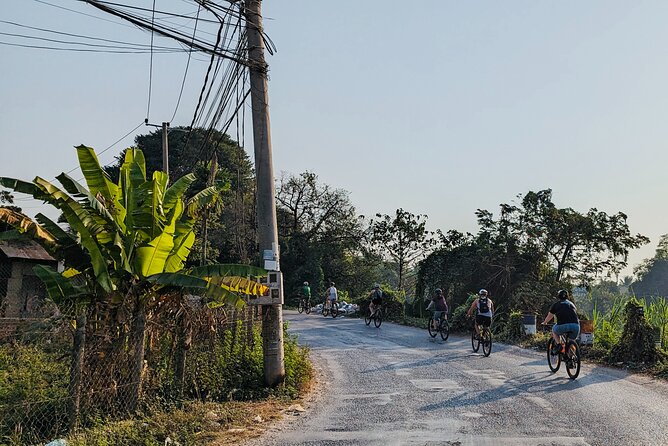
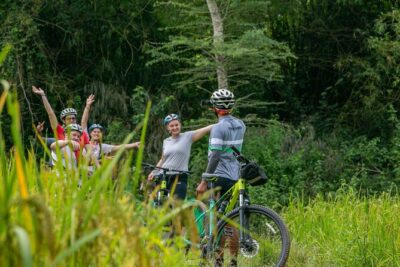
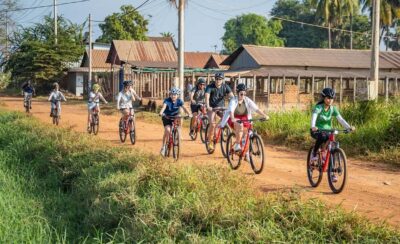
- Ride beyond central Battambang: The route follows rice fields and quiet rural roads at a pace described as comfortable rather than rushed.
- Talk with a young Buddhist monk: Use the temple stop to ask about Buddhist culture and daily practice.
- Meet local craftspeople: Depending on the route, you may see rice paper, rice wine, sticky rice cooked in bamboo, or other household work.
- Learn useful Khmer: Your guide teaches simple greetings so you can address people politely.
- Keep the group small: A maximum of eight people makes conversation and questions easier.
Why this ride shows you more than Battambang’s center
At $37 per person, this is not simply a bicycle rental with a guide attached. The price covers transport to the starting point, a quality bike, helmet, water, a snack, an English-speaking local guide, and payments to the families who open their homes and workplaces to you.
The real value comes from the access. You are not just looking at a fishing village from a road. You stop to learn how people earn a living, how food is prepared, and how religious customs shape everyday life. That makes the experience useful early in a Battambang stay, when you want a better sense of the place before exploring more independently.
The maximum group size is eight. That matters here. Small family visits can feel awkward if a large crowd arrives, while a compact group gives you room to ask questions and listen. The guides are local young people, and named guides connected with this experience include Phalla, Pich, Peak, Pek, Savith, and Savit. English ability varies by person, but the strongest feedback centers on clear explanations, translation, safety, and personal stories about growing up in Cambodia.
More Cycling Trips in Cambodia:
- Siem Reap Countryside Bike Tour / E-Bike or Tuk Tuk
★ 5.0 · 935 reviews - Angkor Sunrise Bike Tour / E-Bike or Tuk Tuk
★ 5.0 · 615 reviews - Phnom Penh Silk Island Bike Tour/ E-Bike or Tuk Tuk
★ 5.0 · 495 reviews
The 7:30 am pickup and the first miles
The morning begins with tuk-tuk pickup from your hotel. The exact cycling route can vary, but the experience is organized around a half-day ride lasting about three to four hours. Starting at 7:30 am is practical in Battambang: the roads and paths are generally more pleasant before the strongest heat of the day.
You receive a mountain bike from brands such as Giant, Trek, or GT, along with a helmet. These are imported bikes rather than basic city rentals, which is helpful when the route leaves paved streets. You should still wear comfortable clothes and shoes suitable for several hours of cycling.
There are no baskets on the bikes, so carry a small backpack for your phone, camera, sunscreen, and other essentials. Water is provided, and a snack is included along the way. Apply sunscreen before pickup, and bring clothing that covers your shoulders. That is both useful in the sun and respectful when visiting rural homes and a Buddhist temple.
The ride is intended to be accessible to most people, but it is still an active outing. You should be comfortable cycling for part of a morning. The available information does not give a precise distance or promise a particular road surface, so do not book this expecting a fully paved urban cycle. The attraction is the rural setting, and rural routes can be less even than central streets.
In the Muslim fishing village, work becomes the lesson
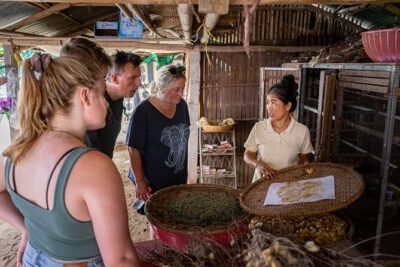
The village visit is the heart of the tour. You learn how fishing supports households and how different family members may take part in related work. One practical example is net weaving, which shows the skill and patience required before a fishing trip even begins.
Fish drying is another key stop. Dried fish is important in Cambodian cuisine, and seeing it prepared gives you a clearer sense of how local food connects to the river and lake economy. This is more useful than tasting an unfamiliar snack without context. You see the work behind the ingredient.
The tour also presents the customs of a mostly Muslim village alongside the Theravada Buddhist traditions common across Cambodia. That comparison is one of the experience’s strongest features. It does not reduce Cambodian culture to a single set of customs. Instead, you see how religion and family life can look different from one community to another.
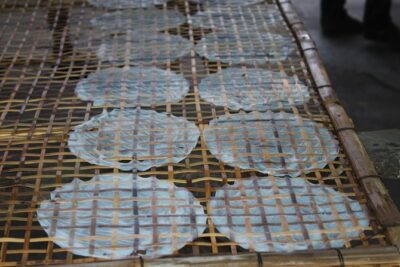
You may meet other local producers during the route. Experiences described from this tour include seeing rice paper made, sampling sticky rice, learning about rice wine, and watching sticky rice cooked in bamboo. A fermented fish snack and other local specialties may also appear. These details can vary, so treat them as possible parts of the route rather than a fixed tasting menu.
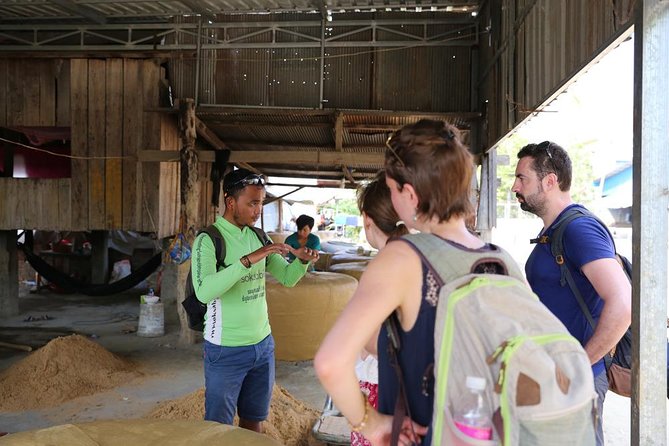
Your guide acts as translator and interpreter. This is important because the best questions are often simple ones: Who does this work? How long does it take? What happens next? Without language help, a household visit can stay at the level of a quick photograph. With a guide, it can become a real exchange.
Rice fields and the farming that feeds Cambodia
After the village visits, the bike route continues through rice fields. The scenery is open and green during the growing season, though the appearance will change with the agricultural calendar. The point is not a grand viewpoint. It is the chance to see the farmland surrounding Battambang and learn why rice remains central to Cambodian life.
Your guide explains rice cultivation and the work connected to it. You may find this part quieter than the village stops, but that is its strength. The ride gives you time to process what you have seen, and the slower pace lets you notice homes, fields, and ordinary movement along the route.
Several people praised the ride for being relaxed and not too fast. That is reassuring if you are concerned about keeping up. Guides such as Phalla have been singled out for setting a comfortable pace and paying attention to safety. Still, the tour is not designed as a high-speed cycling challenge. If you want a long-distance ride or a demanding workout, this is probably too gentle.
The countryside also gives you a better sense of Battambang’s scale. You are not confined to the city’s best-known sights. You are moving through the working area around town, where farming, fishing, food production, religion, and family businesses overlap.
Same roads, a different saddle:
- Siem Reap: Bike the Angkor Temples – Full-Day 30km Tour
★ 5.0 · 463 reviews - Siem Reap: Angkor Wat Sunrise Bike Tour & Jungle Breakfast
★ 5.0 · 415 reviews - Phnom Penh: Silk Islands Half-Day Bike Tour
★ 4.9 · 315 reviews - Siem Reap: Guided Countryside Bike Tour
★ 4.9 · 294 reviews
A local Muslim café and a short Khmer lesson
A stop at a local Muslim café provides a break during the ride. This is a small but useful part of the schedule. You can rest, take a drink, and observe a local setting without the formal feeling of a museum or major attraction.
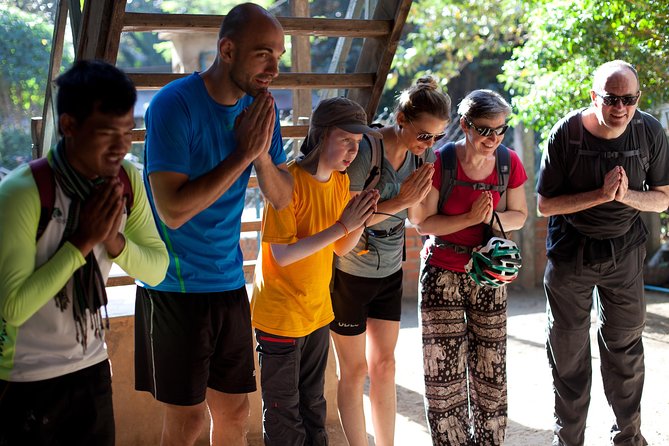
Your guide also gives you a crash course in basic Khmer. Expect simple words and greetings rather than a full language class. Even a few phrases help you show respect when meeting families, and the effort can make conversations feel less one-sided.
The language lesson fits the spirit of the tour. You are not only being shown local life. You are given a small tool for participating in it. Do not worry about perfect pronunciation. The useful goal is to greet people politely and make a friendly attempt.
At the Buddhist temple, ask questions directly
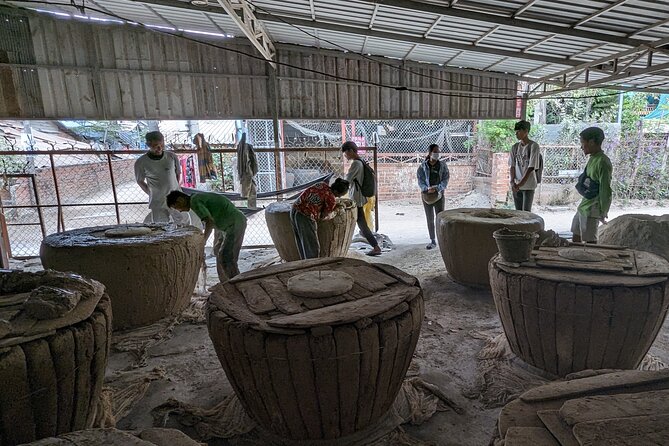
The temple visit provides a clear contrast with the Muslim village. Here you learn about Theravada Buddhist culture and speak with a newly trained monk. The conversation gives you a chance to ask about religious practice, the role of monks, and how Buddhism fits into everyday life.
This is also where respectful clothing matters most. Cover your shoulders, follow your guide’s instructions, and keep your behavior quiet and considerate. The tour description does not promise a long temple sightseeing session, so think of this stop as a conversation and cultural exchange rather than a detailed architectural tour.
The young monk is an especially valuable part of the itinerary because you can ask questions in a natural setting. A guide such as Pich or Phalla can help explain the answers in English and provide context from local history and family life. Several guides have been praised for telling personal stories about growing up in Cambodia, which can make the discussion easier to understand.
You should not expect a formal religious lesson or access to every part of the temple. The value is the chance to compare two living traditions during one morning, not to collect another landmark photograph.
Lunch with a local family
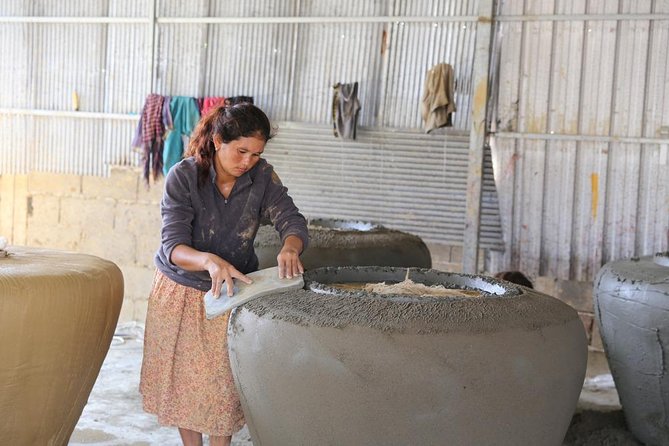
The experience includes time with a local family and a home-cooked Cambodian lunch before returning to town. Food is not treated as a separate restaurant stop. It is part of the visit, connected to the household and the work you have seen during the morning.
A typical meal described in the experience includes fish and vegetables, though the exact dishes can vary. Earlier tastings may include sticky rice or a fermented fish snack. This gives you several ways to understand local food, from ingredients and preservation to the meal served at home.
I like this approach because the meal creates a natural pause. After cycling and standing at several stops, you can sit down, eat, and continue talking without rushing. You may also have questions that only occur to you after seeing how fishing, farming, and food preparation fit together.
Keep an open mind about strong flavors and unfamiliar textures. The available details do not specify a separate vegetarian menu or dietary arrangements, so contact the operator before booking if you have food allergies or strict dietary needs. Do not assume that a home-cooked Cambodian meal will match the options at a hotel or Western café.
Guides, group size, and how the experience feels
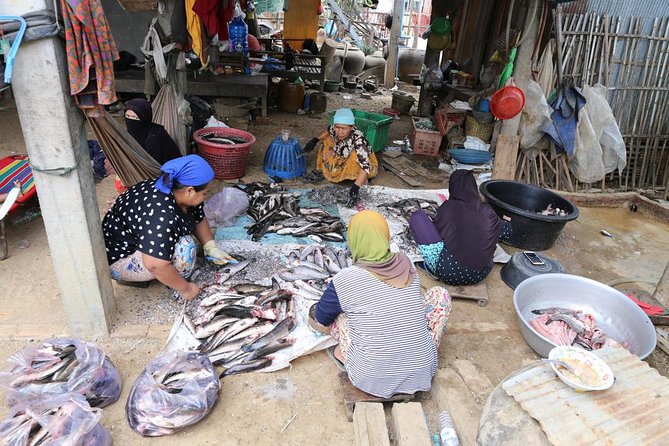
The guide can make or break a tour like this. The strongest praise goes to guides who explain Cambodian history and culture clearly, translate questions, keep a safe pace, and allow enough time at each stop. Phalla has been noted for exceptional English and personal stories. Pich has been praised for clear explanations, while Savith and Savit have been valued for friendly interpretation. Peak and Pek have also been described as kind, patient, and helpful.
Because the group is capped at eight, you can ask questions without turning the tour into a lecture. A small group also helps during family visits, where quiet attention is more appropriate than a crowd moving through quickly.
The guides are young local staff, which gives the experience a direct connection to Battambang. Their role is not just to lead the bikes. They introduce you to families, explain customs, help with language, and watch the practical details of the ride.
The experience has been offered in more than one form over time, and routes can be adjusted in some circumstances. That means you should listen to your guide’s instructions rather than expecting every stop to occur in exactly the same order. The central idea remains consistent: cycle through the countryside, meet local families, compare religious traditions, and eat together.
What the $37 price really covers
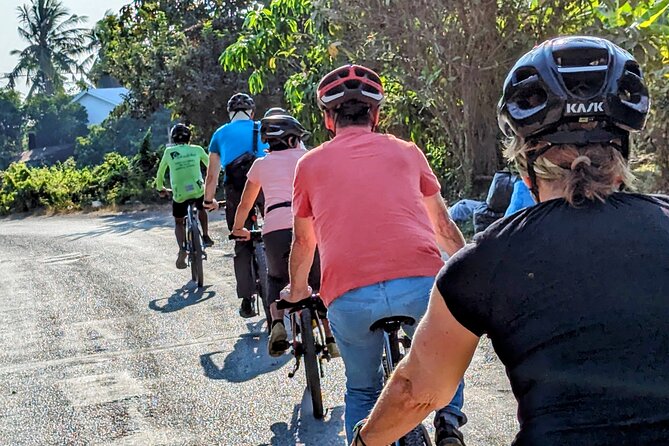
The $37 fee is fair if you value cultural access and a supported ride rather than simply transport. You receive hotel pickup by tuk-tuk, a quality mountain bike, helmet, water, snack, local English-speaking guide, and first-aid support. You also contribute indirectly to the families visited, since compensation for those visits is included in the operation.
The value is lower if you already have a bike, prefer to explore alone, or mainly want to see Battambang’s city center. This tour spends its time outside the standard sightseeing circuit. It is best for someone who wants explanation and conversation, not just a route through attractive scenery.
Hotel drop-off after the tour is not included. Plan for that small extra step and keep some flexibility at the end of the morning. The tour returns toward town, but you should not assume that the tuk-tuk will take you back to your hotel.
Free cancellation is available if you cancel at least 24 hours before the local start time. Changes or cancellations inside that window are not accepted for a refund, so check your plans before booking.
Who should book this Battambang bike tour
I would choose this tour if you want a gentle introduction to rural Battambang, enjoy meeting people through their work, and like asking questions. It is also a good fit if you want a meaningful half-day activity before spending the afternoon in town.
It suits couples, solo visitors, and small groups who are comfortable cycling for several hours. The 7:30 am start works well if you like cooler morning conditions and want to keep the rest of the day free.
I would think twice if you dislike early starts, have difficulty cycling, want a tightly fixed timetable, or expect a polished attraction with full visitor facilities. This is a working countryside experience. You may encounter heat, uneven surfaces, strong food flavors, and simple homes rather than staged displays.
The cultural comparison is the main reason to choose it. You see Muslim village life, Buddhist practice, rice farming, fishing, household production, and Cambodian food within one compact morning. That is a lot of context for $37, especially with transport and equipment included.
FAQ
What time does the tour start?
The tour starts at 7:30 am.
How long does the experience last?
It lasts approximately three to four hours.
Is hotel pickup included?
Yes. Tuk-tuk pickup from your hotel is included.
Is hotel drop-off included afterward?
No. Drop-off at your hotel after the tour is not included.
What equipment is provided?
You receive an imported mountain bike from brands such as Giant, Trek, or GT, along with a helmet. Water and a snack are also provided.
How large is the group?
The tour has a maximum of eight participants.
Should I wear specific clothing?
Wear clothing that covers your shoulders out of respect for rural culture, particularly when visiting the temple and local families. Sunscreen is recommended, and a small backpack is useful because the bikes do not have baskets.
Can I cancel for a refund?
You can cancel for a full refund up to 24 hours before the experience starts. Cancellations or changes made less than 24 hours before the local start time are not accepted for a refund.
Should you book it?
Book this tour if you want Battambang explained through ordinary work and local customs rather than only through major sights. The combination of a relaxed bike ride, Muslim fishing village, Buddhist temple, Khmer phrases, family lunch, and careful local guiding makes the morning feel personal and useful.
Skip it if you want a fast ride, a city-only tour, or complete control over your own schedule. For most visitors who are ready to start early and cycle at an easy pace, this is one of the better ways to understand the people and countryside around Battambang.
Newest rides we have reviewed in Cambodia
- Phnom Penh: Cycling Adventure on Islands of the Mekong★ 5.0 · 225 reviews
- Local Livelihood Full Day Bike Tour in Battambang★ 5.0 · 37 reviews
- Explore local livelihood & countryside (Half-Day Cycling Tour)★ 5.0 · 19 reviews
- Cultural Cycling Tour – half day (8:00-11:30)★ 5.0 · 26 reviews
- Full day tour by bicycle & tuk tuk,bamboo train,bat cave,villages★ 5.0 · 27 reviews
- Siem Reap: Countryside Cycle and Local Village Life Tour★ 4.7 · 32 reviews
- Siem Reap: Countryside Sunset Bike Tour / E-Bike or Tuk Tuk★ 4.7 · 13 reviews
- Siem Reap: Angkor Sunset Bike & Boat Tour /E-Bike Available★ 4.9 · 23 reviews
Cambodia Cycling Tours, compared.
Siem Reap Countryside Bike Tour / E-Bike or Tuk Tuk
Read our review →
Phnom Penh Silk Island Bike Tour/ E-Bike or Tuk Tuk
Read our review →
Angkor Wat Sunrise Bike Tour & Jungle Breakfast
Read our review →
Local Livelihood Half Day Bike Tour in Battambang
Read our review →Other lists this ride turns up in