REVIEW · CYCLING TOURS
From La Paz: The World’s Most Dangerous Road Biking Tour
Bolivia’s Death Road is a full-day switch from snowy high-altitude peaks to hot jungle, all from the seat of a mountain bike. I like the dramatic 3,700-meter descent and the way the guides keep checking bikes, giving clear instructions, and allowing capable riders to set their own pace. I also like the finish: a buffet lunch, hot-weather rest, shower, and swimming pool instead of a dusty ride straight back to La Paz.
The main consideration is that this is still a serious physical adventure on rough ground, not a gentle sightseeing cycle. The return drive takes about three hours, the van has drawn a minor complaint, and the route can be wet, muddy, and tiring. You should also be at least 155 cm tall and comfortable riding a bike.
What makes this Death Road day special
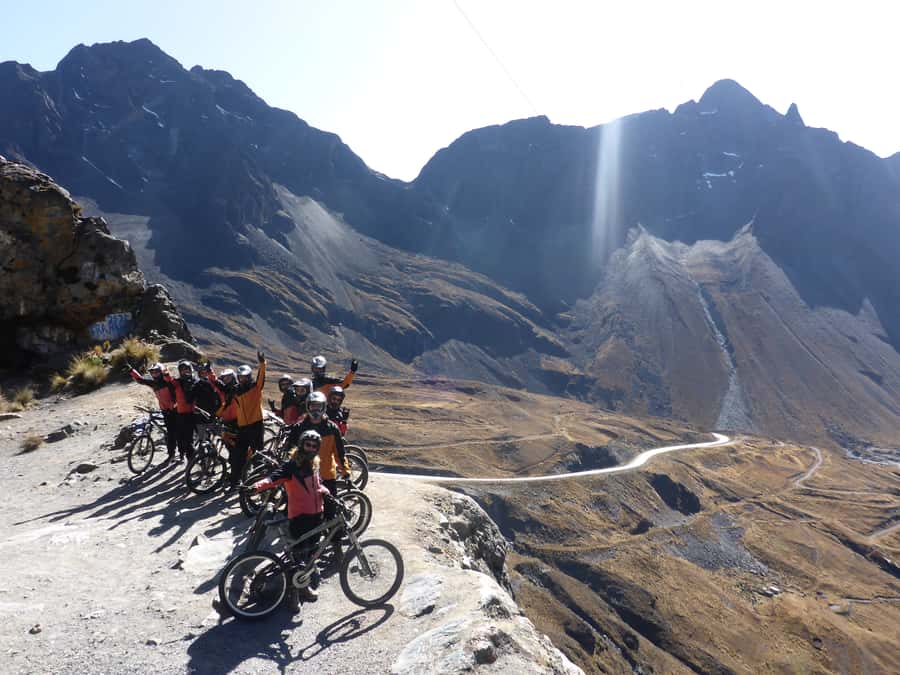
- 64 kilometers of descending: Start among snow-covered peaks at 4,700 meters and finish near Yolosita at 1,200 meters.
- Two very different rides: A paved opening section helps you get used to the bike before the rougher Death Road begins at Chuspipata.
- Good safety setup: You get a full-face helmet, jacket, trousers, gloves, elbow and knee pads, plus a full-suspension downhill bike with hydraulic disc brakes.
- Guides who stay involved: English and Spanish-speaking guides check equipment, explain each section, take photographs, and support riders who need extra encouragement.
- A useful end to a messy ride: Buffet lunch, showers, a swimming pool, and time to relax are included at the finish.
- Small extra costs to remember: The Death Road tax is 50 bolivianos, and a zipline is available for an additional payment.
Starting high above La Paz at 4,700 meters
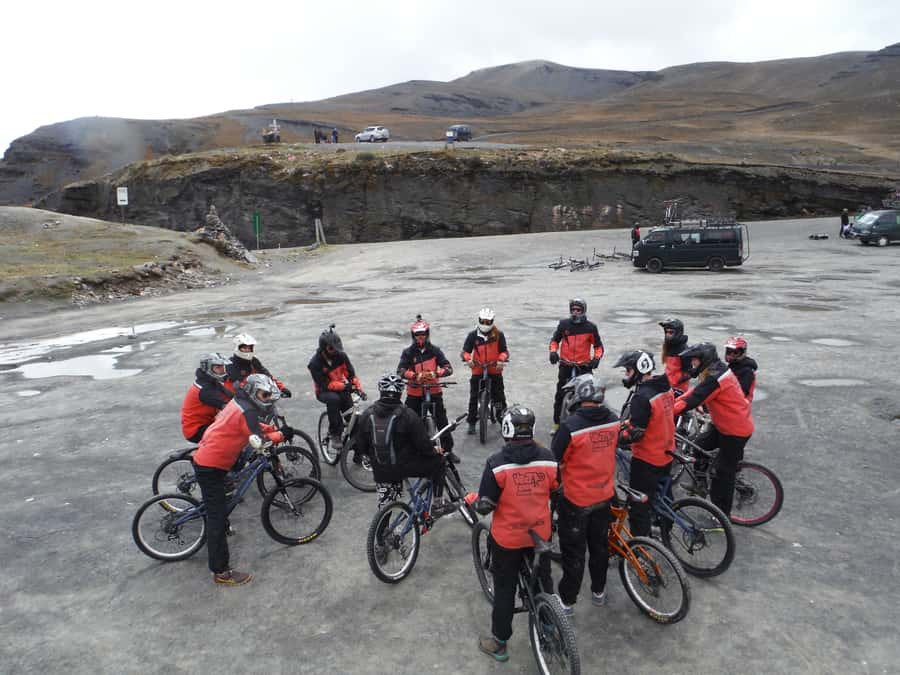
Your day begins at the Vertigo Biking office, where the tour vehicle should be parked outside. The first bus ride takes roughly 45 minutes and brings you to Cristo de la Cumbre, usually called La Cumbre, at about 4,700 meters.
This first stop is more than a launch point. You get views of snow-covered Andean peaks, a safety briefing of about 30 minutes, and time to prepare for a long descent. The cold at this altitude can be sharp, so bring warm clothing even if you expect a hot afternoon.
The guides check the bicycles and explain braking, cornering, and general road safety. That matters here. A downhill route can look easy on paper, but fatigue, loose surfaces, rain, and changing visibility all call for sensible riding.
The equipment supplied is suited to the job. You use a full-suspension downhill mountain bike with hydraulic disc brakes, along with a full-face helmet, gloves, trousers, jacket, and elbow and knee protection. The bicycles may not look brand new or high-tech, but the important points are that the suspension and brakes work properly and the bike fits you.
You should tell the guides if anything feels wrong before setting off. It is much easier to adjust a bike at the top than to manage discomfort several hours later.
More Cycling Trips in the world:
- Lion City Bike Tour of Singapore
★ 5.0 · 6,211 reviews - Big Bike tour Amsterdam – See all in 3 unforgettable hours
★ 4.7 · 4,929 reviews - 3-Hour Porto Highlights on a Electric Bike Guided Tour
★ 5.0 · 4,392 reviews
The paved opening gives you time to settle in
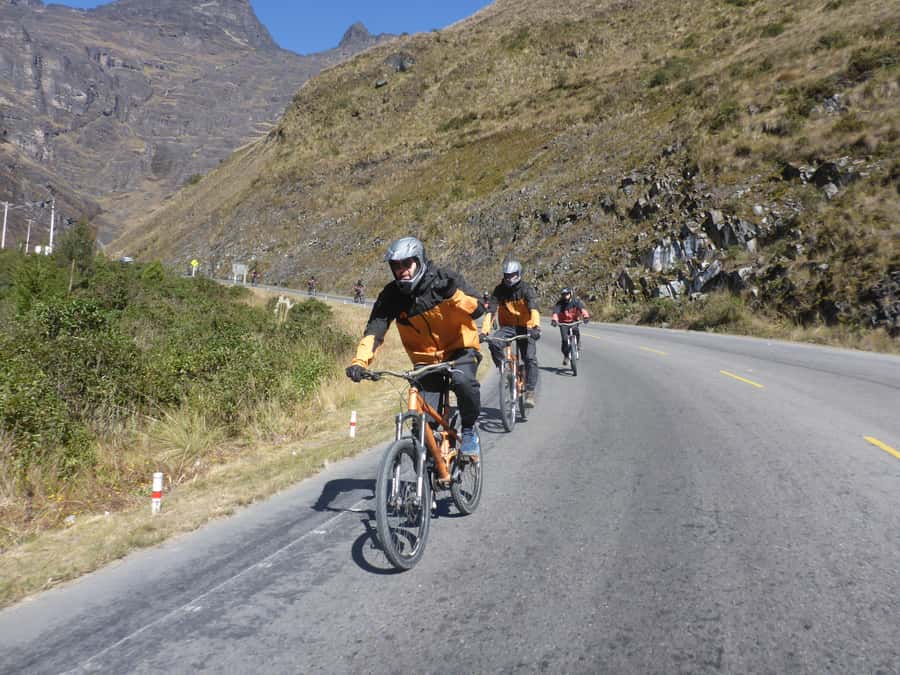
The first riding section follows a paved road for about an hour. You pass small villages and get a chance to become comfortable with the bike before the more demanding surface begins.
This part is not the main reason people book the tour, but it plays an important role. You can test the brakes, learn how the bike handles, and understand how the guides organize the group. There are several pauses for photographs, bike checks, and further instructions.
The altitude remains a factor here. Even though you are riding downhill, you are beginning at a height far above La Paz. Keep your pace controlled and drink regularly. Water is available without limit, and snacks are provided along the route.
The paved section also gives you a useful choice. If you find the riding more tiring than expected, you have already learned something before reaching the rough road. The vehicle support means the guides can help with problems, but this is not a sit-back sightseeing trip. You need to pedal, steer, brake, and stay alert.
Chuspipata marks the real start of Death Road
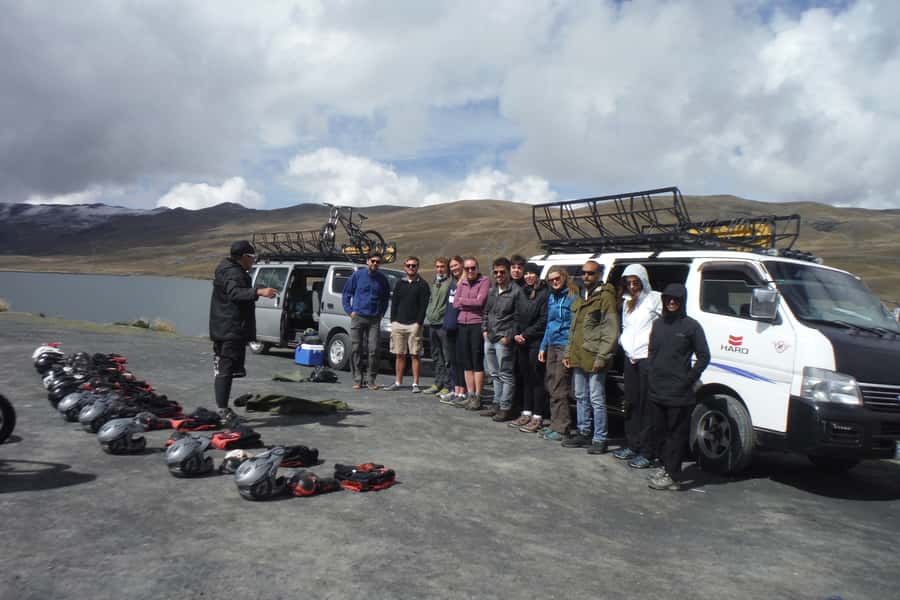
After the opening ride, a short bus transfer of about 15 minutes brings you to Chuspipata. This is where the scenery changes and the road earns its reputation.
The route becomes dirt, with thicker vegetation, low cloud, and mist. The cold, open highlands give way to warmer conditions as you lose altitude. Small waterfalls and narrow streams cross or run beside parts of the road, so getting wet is part of the day rather than a rare mishap.
You will also get dirty. Mud, spray, dust, and wet clothing are normal here. Pack a change of clothes and swimwear, not just as a precaution but because the finish is built around cleaning up and cooling off.
The main riding section lasts about four hours, including stops for photographs, safety talks, and rest. The guides remain active throughout. They check bikes, explain what lies ahead, and watch the group rather than simply leading from the front.
Several people have singled out guides including Victor, Freddy, Chris, Maury, Javier, and Eddy for calm support, clear English, and friendly help. That personal attention is especially useful when the route feels intimidating. One guide may encourage a nervous rider through a difficult section, while another can let a confident rider move ahead when conditions allow.
That does not mean you should treat the road as a race. The sensible approach is to ride at a speed you can control, especially around corners and on wet ground. The tour is designed to be exciting, but your main job is to finish safely.
The scenery changes faster than the road
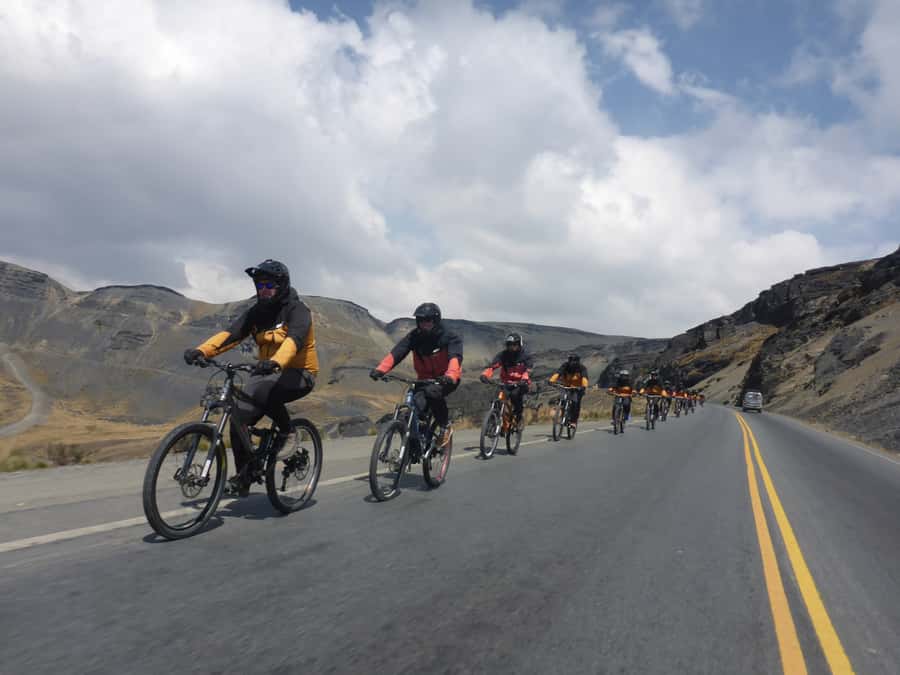
The appeal of Death Road is the sudden shift in climate. You start among high Andean peaks and finish in warm, humid country at around 1,200 meters, near the entrance to Bolivia’s Amazon region.
Along the way, you pass through misty sections, thick trees, waterfalls, and narrow rivers. The changing weather gives the day a clear rhythm. At the top, you need layers and gloves. Later, you may be hot, wet, muddy, and ready for a cold drink.
A viewpoint stop of about 15 minutes gives you time to look around and take photographs without trying to steer at the same time. Another stop at a traditional village lasts around 30 minutes and includes a guided visit and more photographs.
These pauses are welcome because the main ride is demanding. They also allow the guides to keep the group together and check that everyone is managing well. If you want photographs of yourself on the road, this is one of the tour’s useful strengths. Photos and short videos are taken during the day and uploaded to Dropbox afterward.
The scenery is the reward, but the road surface remains the central challenge. You should expect rough dirt rather than a smooth mountain cycleway. Conditions can change after rain or landslides, and one rider noted that the route had a few landslides from the previous day. The guides and driver managed the situation, but this is another reason to listen closely to instructions.
Same roads, a different saddle:
- Ninh Binh Full-Day Tour from Hanoi to Hoa Lu, Tam Coc & Mua Cave Via Boat & Bike
★ 5.0 · 4,384 reviews - Small Group Guided Bike Tour of Amsterdam’s Hidden Gems
★ 5.0 · 3,936 reviews - 3-hour Complete Prague Bike Tour
★ 5.0 · 3,674 reviews - Bangkok: Temples, Canals & Local Life Bike Tour
★ 4.9 · 3,511 reviews
A hot finish at Yolosita
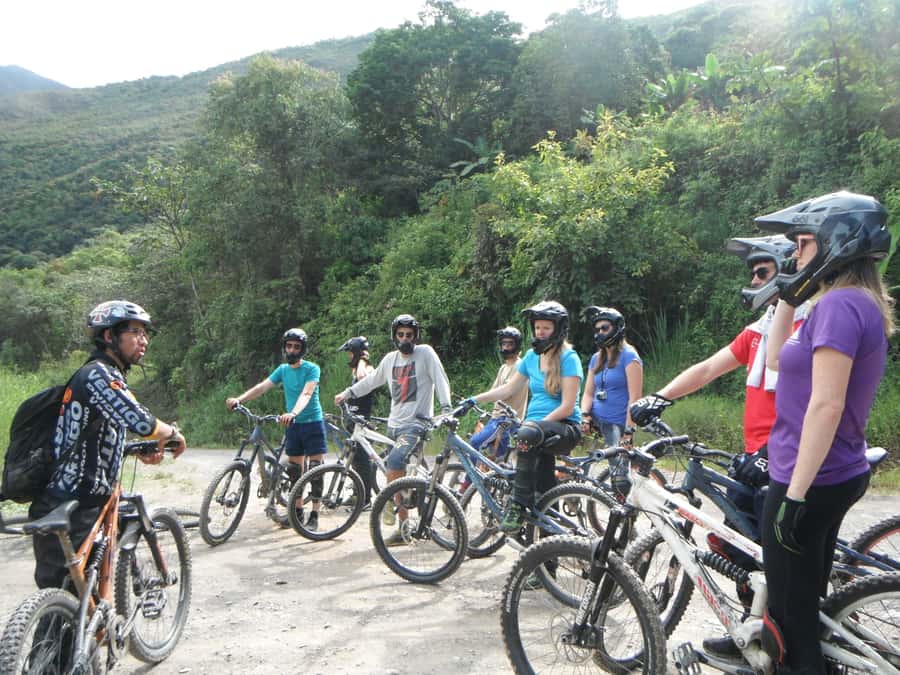
By the time you reach Yolosita, you will have descended from the cold highlands to hot low country. The final riding section ends with many people feeling dusty, sweaty, and ready to stop.
A short bus transfer of about 20 minutes brings you to the lunch and rest stop. The final visit lasts roughly 105 minutes, giving you time for a buffet meal, a shower, and use of the swimming pool.
I consider this finish a major part of the tour’s value. After four hours on a wet dirt road, a good meal and a proper shower make the day feel complete. The pool gives you a way to cool down before the long journey back to La Paz.
The lunch is included, as are snacks during the ride and unlimited water. That means you do not need to spend the day searching for food or carrying a large supply. You should still bring cash for the 50-boliviano Death Road tax and any optional zipline ride.
The zipline is not included, and the supplied information does not give its price or exact timing. Treat it as an optional extra rather than part of the core biking experience.
The long return drive needs realistic expectations
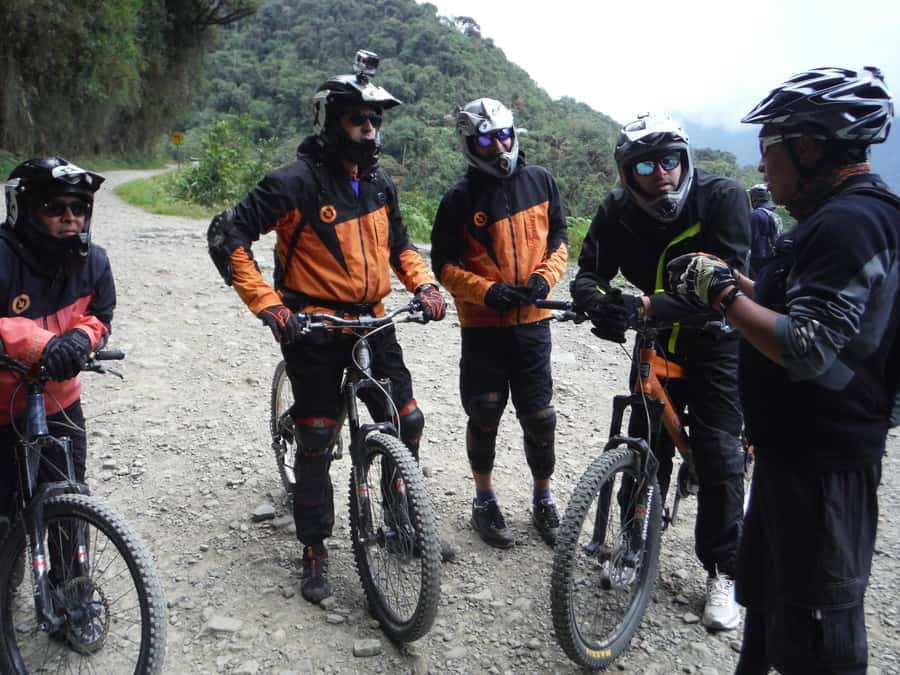
After lunch and the pool, the vehicle ride back to Vertigo Biking takes around three hours. This is the least exciting part of the day, and you should plan for it.
The driving time matters when you decide how to fit this tour into your Bolivia plans. It is a full-day commitment, not a short activity that leaves your afternoon free. Avoid pairing it with another demanding excursion on the same day.
The support vehicle is important during the ride, but one person found the van or bus less impressive than the cycling itself. That is a fair trade-off to consider. The road experience, equipment, guides, food, and pool receive the strongest praise, while transport comfort may be more basic.
The driver’s work still matters. Freddy, in particular, has been praised for careful driving and a strong focus on safety. On a route with mountain roads and a long return, that can make a real difference to your peace of mind.
What the $129 price includes
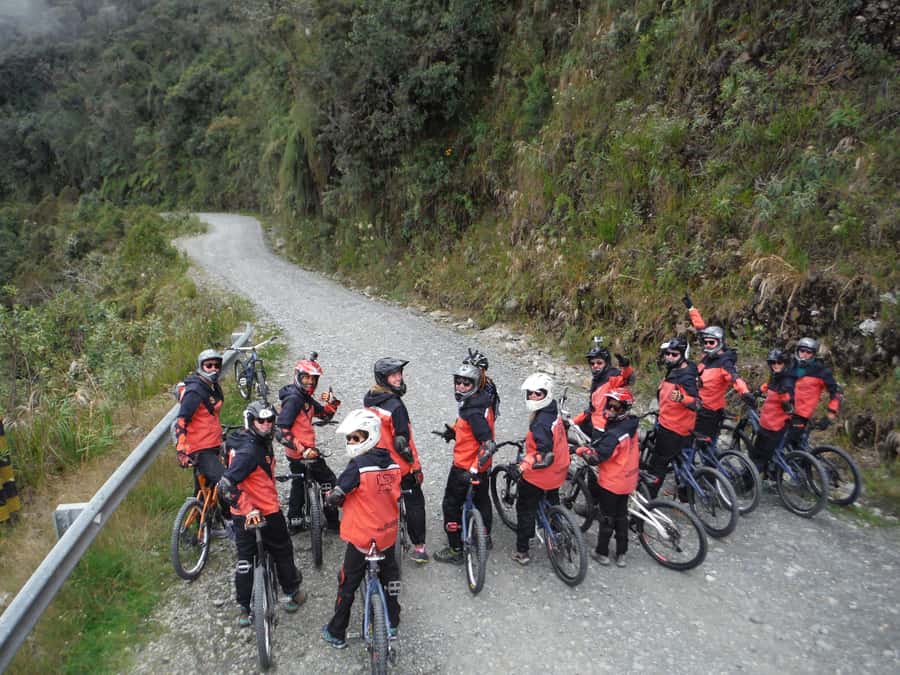
At $129 per person, the tour is not the cheapest way to see the area, but the price covers a substantial package:
- Pickup from the meeting point
- Private transportation
- English and Spanish-speaking guides
- Full-suspension downhill bike
- Hydraulic disc brakes
- Full-face helmet
- Jacket and trousers
- Gloves
- Elbow and knee pads
- Snacks
- Unlimited water
- Buffet lunch
- Shower and pool access at the finish
- Photos and short videos uploaded to Dropbox
The value comes from the support system. You are not simply renting a bicycle and finding your own way down a dangerous road. You get transport to and from the route, mechanical checks, safety talks, protective equipment, food, water, and guides who stay with you.
The Death Road tax costs an additional 50 bolivianos. A zipline is also extra. Add those costs to your budget before booking, especially if you want to try every activity at the finish.
The reserve-now-and-pay-later option can help if your La Paz plans are still moving around. Free cancellation is available up to 24 hours before departure for a full refund. The group needs at least two people to operate, so check that your chosen date has a confirmed departure.
Who should book this ride
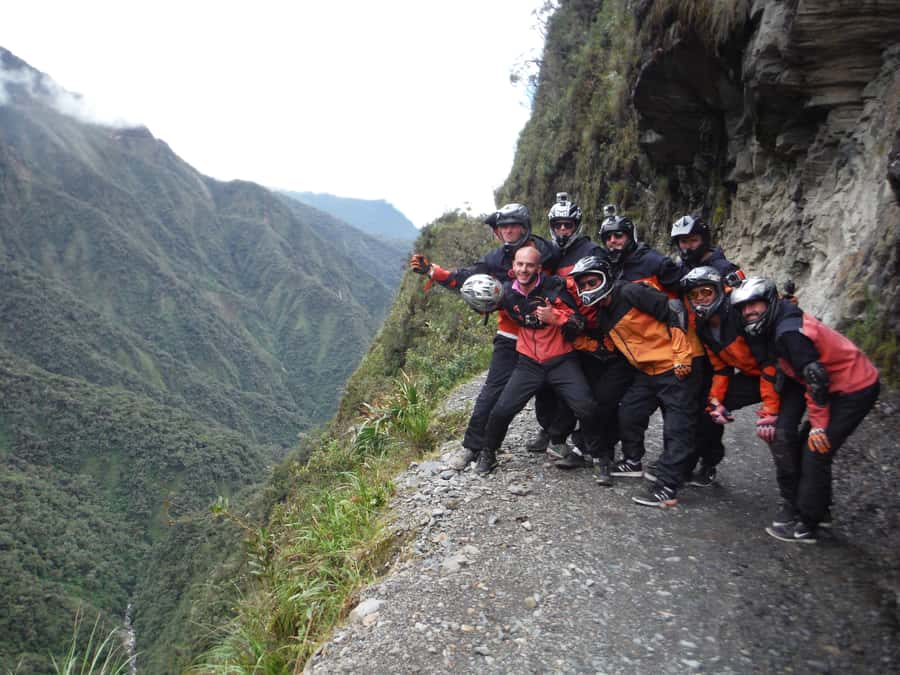
This tour suits you if you want an active day with a strong sense of place. You do not need to be an elite cyclist, but you must be able to ride a bike and manage a long downhill route on dirt.
It is particularly good for:
- Riders who enjoy scenery with a physical challenge
- People who want a memorable day trip from La Paz
- Anyone interested in the sharp change from high Andes to warm lowlands
- Confident beginners who listen well and accept a measured pace
- Riders who value guides, equipment, food, and support rather than a bare-bones outing
It is not suitable for pregnant women, wheelchair users, people with mobility impairments, people who cannot ride a bike, or anyone under 155 cm tall. If you dislike steep roads, rough surfaces, mud, or long vehicle rides, you may prefer a quieter activity.
The route can be mentally challenging as well as physical. The guides are there to help, and several have shown patience with nervous riders, but protective equipment does not remove the need for care. You should be honest about your comfort level and use the stops to rest.
What to pack for the changing weather
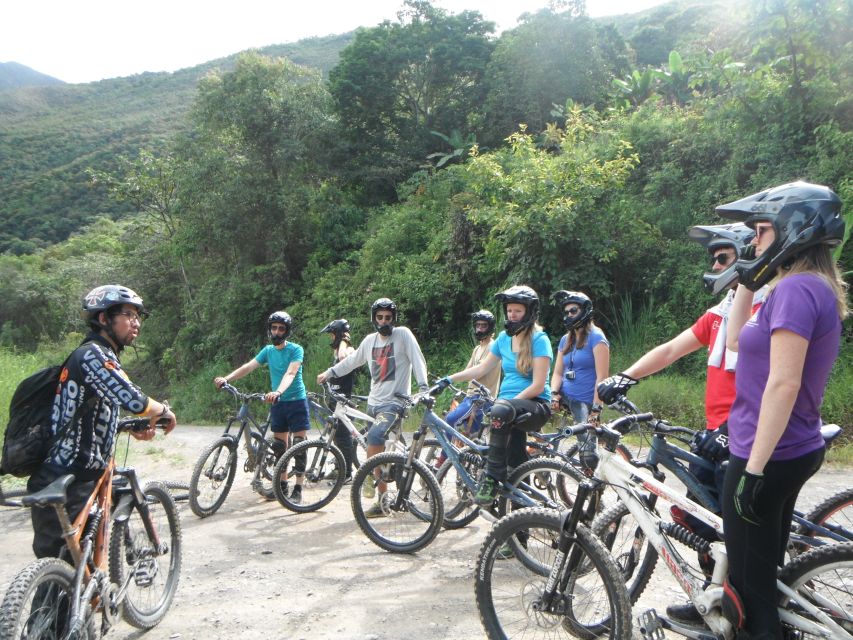
The clothing list is simple but important. Bring warm clothing for La Cumbre, sunglasses, sunscreen, insect repellent, swimwear, and a complete change of clothes.
A small daypack is useful for these items, but keep it manageable on a bike. You will also need cash for the road tax and optional extras, plus a passport or identity card. A copy is accepted.
I would place the change of clothes near the top of the list. The waterfalls, streams, mist, and mud can leave you damp long before the hot finish. Dry clothes will make the lunch and bus ride much more comfortable.
Should you book Vertigo Biking’s Death Road tour?
Book it if you want one of Bolivia’s most memorable active days and you are ready for a real ride, not a passive excursion. The strongest reasons are the dramatic altitude change, the 64-kilometer route, the well-equipped downhill bikes, and the guides’ steady support.
The package also earns its price through the practical extras. Water, snacks, lunch, protective gear, photos, showers, and pool time remove much of the hassle from a demanding day.
Skip it if you cannot ride confidently, dislike rough roads, or have no patience for a three-hour return drive. For everyone else, this is a strong choice from La Paz, provided you bring the right clothes, budget for the road tax, and treat the famous road with respect.
FAQ
How long does the Death Road biking tour last?
It is a one-day experience. The cycling includes an opening paved section of about one hour and roughly four hours on Death Road, followed by lunch, a shower, pool time, and about three hours of travel back to La Paz.
How far do you ride?
The tour covers approximately 64 kilometers of riding.
What altitude do you start at?
You begin at La Cumbre, also called Cristo de la Cumbre, at about 4,700 meters above sea level.
Where does the ride finish?
The ride finishes in Yolosita, at about 1,200 meters, near the entrance to Bolivia’s Amazon region.
Are bikes and safety equipment included?
Yes. The tour includes a full-suspension downhill mountain bike with hydraulic disc brakes, a full-face helmet, jacket, trousers, gloves, elbow pads, and knee pads.
Is food and water included?
Yes. You receive snacks during the ride, unlimited water, and a buffet lunch at the finish. Shower and swimming pool access are also included.
Is the Death Road tax included?
No. The Death Road tax costs 50 bolivianos and is paid separately. A zipline is also available for an additional payment.
What languages do the guides speak?
The live guides speak English and Spanish.
What should I bring?
Bring warm clothing, sunglasses, swimwear, a change of clothes, sunscreen, insect repellent, cash, a daypack, and a passport or identity card. A copy of your passport or ID is accepted.
Newest rides we have reviewed in the world
- Ljubljana by E-Bike: Guided City Highlights Tour★ 4.8 · 28 reviews
- London Christmas Lights Bike Tour★ 4.5 · 70 reviews
- Lisbon: Portuguese Petiscos Tasting Tour by E-Bike★ 5.0 · 16 reviews
- Liverpool: The Beatles Tour on Electric Pedal-Assist Ebikes★ 5.0 · 17 reviews
- Lisbon Bike Tour: Langs de rivier van Belém naar Lissabon★ 4.7 · 59 reviews
- Lisbon: E-Bike Adventure Through the City of Seven Hills★ 5.0 · 28 reviews
- Lisbon: 7 Hills Panoramic Guided Tour by E-Bike★ 4.8 · 50 reviews
- Lisbon: Guided E-Bike Tour to Belém★ 4.8 · 115 reviews
Tours, compared.
Big Bike tour Amsterdam – See all in 3 unforgettable hours
Read our review →
3-Hour Porto Highlights on a Electric Bike Guided Tour
Read our review →
Small Group Guided Bike Tour of Amsterdam’s Hidden Gems
Read our review →
Hills, Alfama, and Mouraria Tour by Electric Bike
Read our review →