
REVIEW · CYCLING TOURS
07 Day: Inca Jungle Adventure with Mountain Bike, Rafting, Zipline & Trek
The best thing about this seven-day Inca Jungle adventure is the variety. You do not simply walk to Machu Picchu. You pedal downhill from high-altitude Malaga Pass, raft Class II and III rapids, hike old Inca routes, ride a zipline, and finish at the famous citadel. It gives you a lively look at Peru, from thin mountain air to warm jungle valleys.
I like the careful handling of logistics, especially the airport pickup, private transport, train connection, and included entrance fees. I also like the guide-centered format. Guides named Jonathan, Wilbert, Percy, and Freddy have been praised for keeping groups safe, explaining Andean culture, and adjusting the pace when needed.
The main drawback is the physical workload and changing accommodation. You begin at 3,400 meters in Cusco, then move through long drives, early starts, steep walking, and basic hostel nights. The schedule also packs a lot into one week, so you should arrive ready to be active rather than rested.
Key points to know before booking
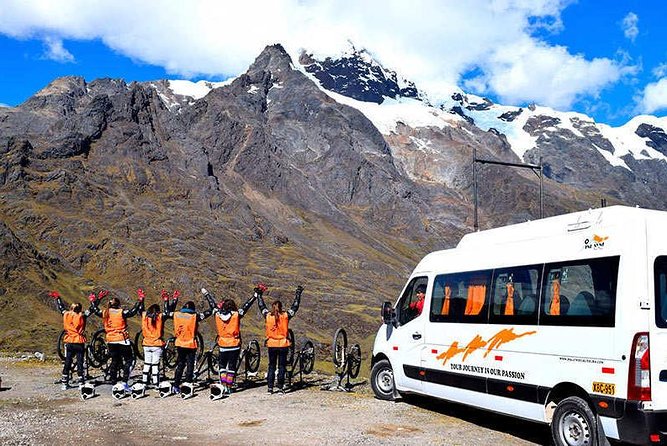
- Malaga Pass to the jungle: Ride a full-suspension mountain bike downhill from 4,350 meters through villages, orchards, and river valleys.
- Four kinds of adventure: The week combines biking, rafting, ziplining, and trekking instead of relying on one activity.
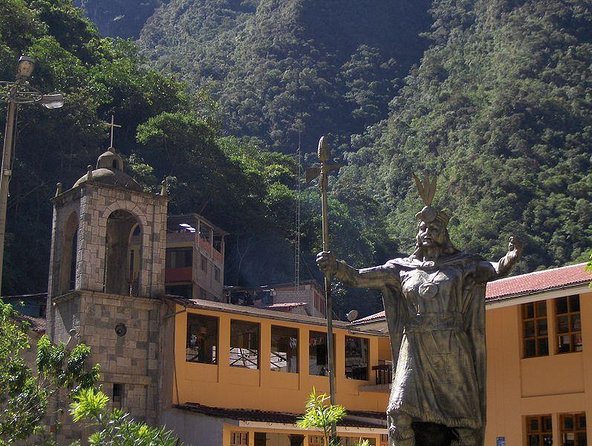
- A gradual route to Machu Picchu: You move from Cusco and the Sacred Valley into warmer valleys before reaching Aguas Calientes.
- Strong guide support: Jonathan, Wilbert, Percy, and Freddy are among the guides praised for safety, local knowledge, and personal attention.
- Mostly handled for you: Transport, entrances, airport transfers, bikes, rafting gear, breakfasts, and selected meals are included.
- Bring stamina: You need a moderate fitness level, and the early mornings, altitude, heat, and uphill hiking can be demanding.
From high Cusco to warm jungle valleys
This trip works because the scenery and climate change quickly. Cusco sits at about 3,400 meters, where the air can feel thin even when you are doing very little. By the time you reach Santa María at about 1,200 meters, you are in a warmer, greener world with rivers, tropical fruit, and humid trail sections.
That change is not just pretty. It affects how your body feels. The first day is deliberately quiet, giving you time to rest and adjust before the active portion begins. I would treat that arrival day as part of the trip, not as wasted time. A slow walk around Cusco is fine, but save your energy for the days ahead.
The tour is private, so only your own group takes part. That can make a big difference on a strenuous route. You can ask the guide to clarify the pace, understand the day’s plan, or stop briefly without trying to keep up with a large busload of people.
More Mountain Bike Tours in the world:
- From Ubud: Downhill Bike Tour with Rice Terraces and Meal
★ 4.9 · 664 reviews - Waimea Canyon Downhill Bike Ride
★ 5.0 · 650 reviews - La Paz: Mountain Bike Down the World’s Most Dangerous Road
★ 4.9 · 386 reviews
Day 1: A soft landing in Cusco at 3,400 meters
An Inkayni Peru Tours representative meets you at Alejandro Velasco Astete Airport and takes you to your hotel. The transfer removes one common travel headache: arriving in an unfamiliar city at altitude and having to arrange a taxi while carrying bags.
The rest of the day is for rest and easy sightseeing. In the evening, you meet the expedition group and go over the plan. Pay close attention here. This is the time to confirm pickup times, clothing needs, activity arrangements, and any questions about the upcoming bike, rafting, zipline, and hiking sections.
You should not judge the trip by this first day. It is intentionally light. The value is in giving your body a chance to handle Cusco before the early starts begin.
Day 2: Moray, Maras, and Chinchero in the Sacred Valley
Pickup is scheduled for about 8:00 AM, followed by a drive of roughly one hour and 20 minutes through the Sacred Valley. The views include snow-capped peaks, wheat fields, and Andean villages. The drive itself helps you understand how quickly Peru shifts between high open country and cultivated valleys.
Moray is the first major stop. At around 3,500 meters, its broad circular terraces drop into the earth like a giant set of stone steps. The Inca likely used the site for agricultural experiments, though the exact purpose remains debated. You get more here than a photo stop because the shape of the terraces gives you a clear sense of Inca engineering and farming skill.
A short drive of about 3 kilometers brings you to the Maras Salt Mines. More than 3,000 salt pools spread across the slope, and many are still used. The pools are fed by a natural saltwater spring, with each shallow basin collecting deposits as water evaporates. It is a working site, not only an archaeological attraction.
The final stop is Chinchero, at about 3,762 meters. This is another high point, so move slowly and keep water close. The day lasts around eight hours and includes entrance fees, but you should expect a full sightseeing day before the sports begin.
This is a smart opening to the trip. You see important Inca sites without spending the day on a hard trail. The tradeoff is altitude. Moray and Chinchero are higher than Cusco, so the rest day before this outing matters.
Day 3: A mountain-bike descent and Class II and III rafting
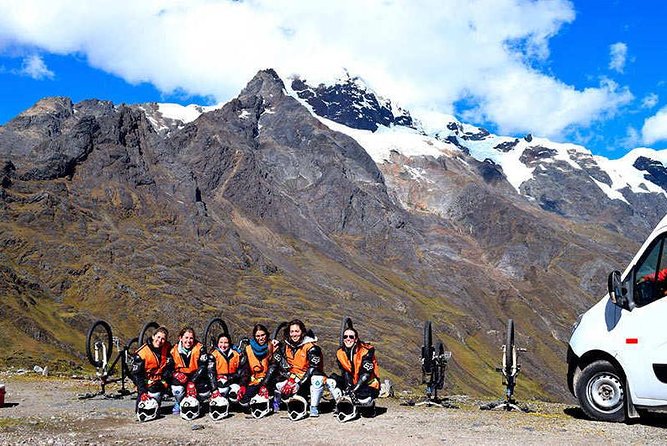
The active section begins early, with pickup around 6:00 AM. A three-hour drive takes you to Malaga Pass, at about 4,350 meters. That is the high point of the route and the starting place for a roughly three-hour bike descent.
The ride is supplied with a full-suspension bike, helmet, and gloves. You pedal past small villages, orchards, and rushing rivers before reaching Huamanmarca at about 1,800 meters around 1:30 PM. The appeal is the steady change in climate and scenery as you lose altitude.
This is described as a downhill ride, but do not confuse downhill with effortless. You still need control, balance, and enough confidence to ride for several hours. The tour requires a moderate fitness level, and you should be comfortable spending a long morning on a bike. If you are unsure about your cycling ability, ask the operator before booking how much riding is on paved or rough road, since the supplied information does not spell that out.
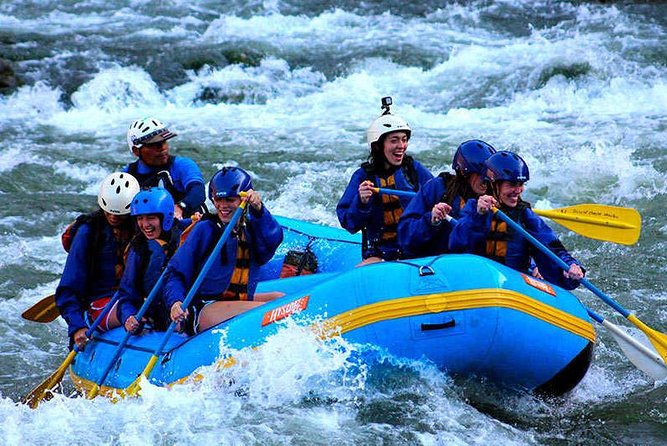
From Huamanmarca, a private bus takes you to Santa María. After lunch and a short break, you spend about two hours on the river. The rafting section uses Class II and III rapids and is supervised by a professional safety kayaker. That is a good level for an active introduction to rafting, but it is still moving water, not a calm float.
You return to Santa María for dinner and a hostel night. This is one of the more basic accommodation points, so pack a small overnight bag with dry clothes and essentials. The main luggage arrangements are not specified, so confirm how larger bags are handled before departure.
More Bike and Hike Tours in the world:
- Ketchikan Electric Bike and Rain Forest Hike Ecotour
★ 5.0 · 562 reviews - Palm Springs Indian Canyons Bike and Hike
★ 5.0 · 212 reviews - TRIPLE ACTIVITY TOUR, Bike Kayak Hike, ANTIGUA
★ 5.0 · 211 reviews - Chiang mai Hike & Downhill Bike Adventure –Suthep National Park
★ 4.5 · 204 reviews
Day 4: Inca paths, tropical fruit, and the route to Santa Teresa
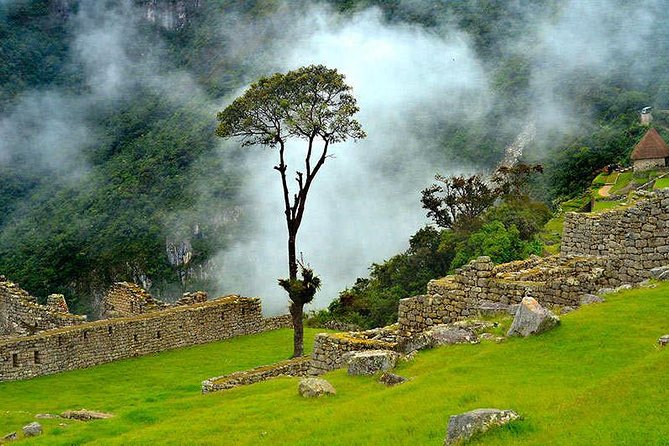
Breakfast comes early, followed by a 6:00 AM start for the trek toward Santa Teresa. The first two hours climb uphill. That opening matters because the day follows a strenuous biking and rafting day, and the warm jungle climate can make even a moderate climb feel harder.
Along the way, you stop to look at local plants and wildlife. A local family provides a rest point where you can eat fresh tropical fruit and refill your water. This is one of the more personal parts of the route. Instead of rushing from one attraction to the next, you get a brief connection with daily life in the valley.
The trail then follows a historic section of the Inca road that once linked Machu Picchu and Vilcabamba. Your guide explains how the Incas used roads and communication routes, while you look toward Huancarccasa Canyon. The value here is the combination of walking and context. The stones and route make more sense when you understand their role in a wider network.
You descend toward Quellomayo for lunch and time in hammocks. That rest is welcome after the early climb. The supplied schedule describes a six-hour day, but the detailed outline is cut short, so confirm the exact afternoon plan and the timing of the zipline. Ziplining is included in the package, yet its precise place in the day-by-day description is not clearly stated.
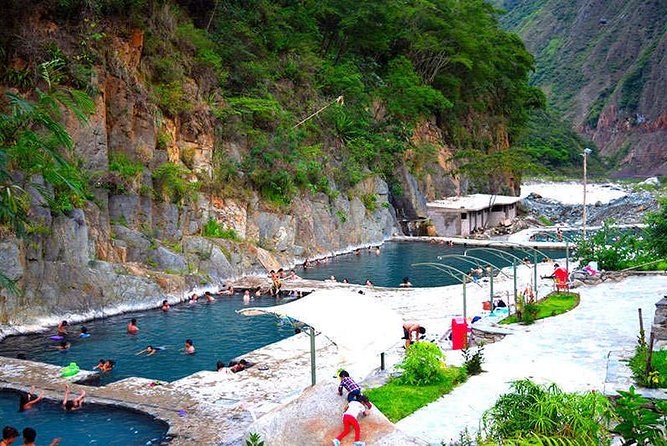
You spend the night in Santa Teresa, again in hostel accommodation. Santa Teresa is also the place where you can choose to visit the hot springs for an extra US$5. That fee is not included, so decide in advance if a soak sounds worthwhile after the hike.
Day 5: The Aobamba Valley and arrival in Aguas Calientes
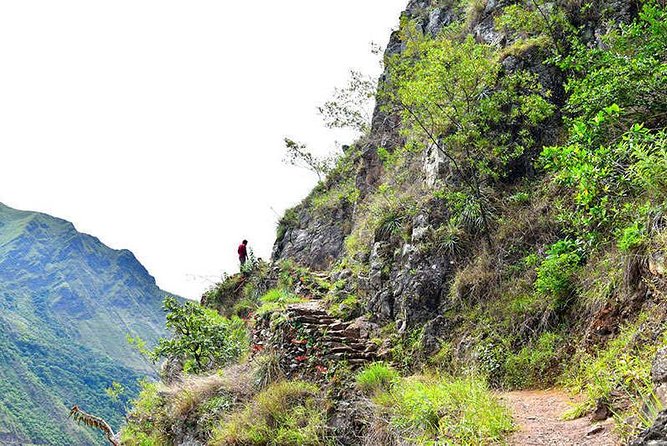
The next morning starts around 6:00 AM. The walk to Aguas Calientes takes you through the Aobamba Valley for about three hours, with thick plant growth and mountain views along the route. Compared with the higher Sacred Valley stops, this section feels warmer and more enclosed.
The route passes through the Intihuatana sector and a government control post. You also have the chance to see an ancient Inca astronomical sundial and other structures near the Machu Picchu area. These smaller sites help connect the approach trail with the main citadel you will visit the following day.
Lunch is provided along the way. That is useful because the schedule is built around walking rather than a long restaurant stop. Still, carry water and a few personal snacks if you like to eat between scheduled meals. The supplied plan includes three lunches overall, but not every meal on the trip is covered.
Day 5 is listed at about four hours, making it shorter than the previous trekking day. You finish in Aguas Calientes, the town below Machu Picchu, and stay in a three-star hotel. This is a comfort upgrade after the two hostel nights and gives you a better chance to wash, rest, and prepare for the early citadel visit.
Day 6: Machu Picchu with a guided morning visit
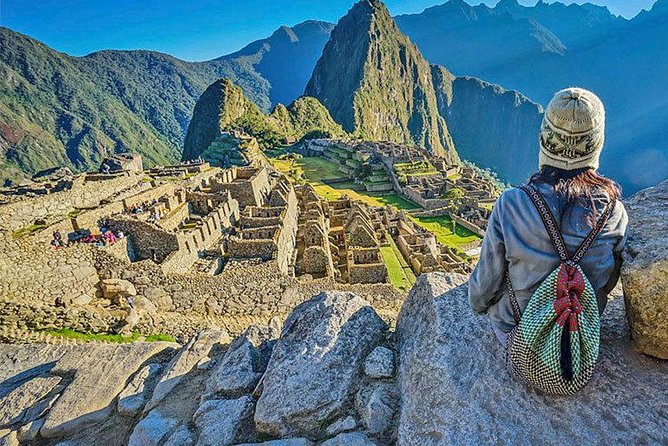
After breakfast, you take one of the morning buses up to Machu Picchu. The entrance and one-way bus to the site are included. Your guide leads the visit through temples, ceremonial areas, terraces, and storage structures, explaining how the complex was organized and used.
This guided portion is important. Machu Picchu is visually powerful, but the site is easier to understand when someone points out the purpose of its spaces and the relationship between the buildings and surrounding mountains. Guides such as Jonathan and Wilbert have been praised for explaining Inca culture clearly, while Percy and Freddy have also received strong marks for kindness and attention to group needs.
If you arrange an additional ticket in advance, you can climb either Huayna Picchu or Machu Picchu Mountain. The Huayna Picchu entrance costs US$85 according to the supplied details. That ticket is separate, and you should not assume it can be added at the last minute.
After the guided visit, you return to Aguas Calientes for lunch and a short rest. Lunch is not included on this day. In the afternoon, you take the train toward Ollantaytambo, then continue by bus to Cusco. The train and onward transportation are included, which saves you from coordinating one of the more complicated parts of a Machu Picchu visit.
The day is listed at about seven hours, but the total can feel longer because of the early bus, site visit, town transfer, train, and road connection. Keep your schedule flexible if you plan a flight soon after the trip ends.
What the $1,129 price covers
At $1,129 per person, the price is not low, but it includes more than a single Machu Picchu hike. You are paying for seven days of transport, a private guide, six breakfasts, three dinners, three lunches, six nights of accommodation, entrance fees, mountain-bike equipment, rafting equipment, ziplining, the Machu Picchu bus, the return train, and the final bus connection to Cusco.
The airport pickup and departure transfer also have real value. You do not need to solve every movement between Cusco, the Sacred Valley, Santa María, Santa Teresa, Aguas Calientes, Ollantaytambo, and Cusco on your own.
The accommodation mix keeps the price from being a luxury package. Three nights are in three-star hotels, two are in hostels in Santa María and Santa Teresa, and one is in a three-star hotel in Aguas Calientes. Solo visitors pay a US$270 supplement, bringing the total to about $1,399 before optional extras.
You still need to budget for travel insurance, flights, unspecified meals, the Santa Teresa hot springs, and Huayna Picchu or Machu Picchu Mountain if desired. The trip is non-refundable and cannot be changed after booking, so check your flight dates and physical readiness carefully before paying.
Who will get the most from this trip
I would choose this route if you want Machu Picchu to be part of a broader active holiday. It suits you if you like switching activities, do not mind early starts, and prefer a guide to handle transport and tickets.
It is also a good fit for families or mixed groups if the guide can adjust the pace. Past departures have included families and people with different ability levels, and the guide service has been praised for modifying the trip when needed. Still, every participant should be prepared for uphill hiking, long transfers, altitude, and warm-weather activity.
I would not choose it if your main goal is a slow cultural tour, a comfortable hotel every night, or a relaxed route to Machu Picchu. The schedule is full, the accommodation changes, and the activity days can be tiring.
Should you book this Inca Jungle adventure?
Book it if you want a high-energy route to Machu Picchu and value having one company arrange the moving parts. The strongest reasons are the variety of activities, the included equipment and entrances, the private format, and the guides’ repeated record of careful support.
Before booking, confirm three points: the exact zipline schedule, how your luggage is transported between hostels and hotels, and the detailed train and bus times on Day 6. If those details suit you, this is a practical way to combine Andean sites, jungle scenery, local stops, and Machu Picchu in one tightly planned week.
FAQ
Is airport pickup in Cusco included?
Yes. A representative meets you at Alejandro Velasco Astete Airport and transfers you to your hotel on arrival. A transfer to Cusco Airport is also arranged on Day 7.
How long does the tour last?
The experience lasts approximately seven days, from arrival and hotel transfer in Cusco through departure on the final day.
Is the tour private?
Yes. Only your group participates in the activity.
What fitness level is required?
A moderate physical fitness level is required. The trip includes a mountain-bike descent, rafting, uphill hiking, several trekking days, early starts, and time at high altitude.
What mountain-bike equipment is provided?
A full-suspension mountain bike, helmet, and gloves are included.
Are rafting and ziplining included?
Yes. Rafting equipment, safety equipment, and the zipline are included in the tour price. The detailed schedule does not clearly state the exact time or day for the zipline, so confirm that before departure.
Are meals included?
Six breakfasts, three dinners, and three lunches are included. Other meals are not included unless specifically stated.
Is Huayna Picchu included?
No. Huayna Picchu or Machu Picchu Mountain requires an additional ticket arranged in advance. The supplied price for the Huayna Picchu entrance is US$85.
Can I visit the hot springs in Santa Teresa?
Yes, but the entrance costs an additional US$5 per person. The hot springs fee is not included.
More Zip Line Trips in the world
- 4-Day Inca Jungle Adventure, Mountain Biking, Rafting and Zipline
★ 5.0 · 60 reviews - Ubud: Zipline, Bali Swing, and Sky Bike in a Private Rice Terrace
★ 4.5 · 60 reviews - Rio Secreto Nature Reserve: Bicycle, Rappel & Ziplines Tour
★ 4.3 · 46 reviews
Newest rides we have reviewed in the world
- 1 Day Bike Tour to Hell’s Gate And Lake Naivasha★ 5.0 · 14 reviews
- Afternoon Adventure: Okinawa Local Cycling with Spectacular Views★ 5.0 · 92 reviews
- Zodiac Shrines and Naha Backstreets Cycling Tour★ 5.0 · 29 reviews
- PANORAMA TOUR OF NANTES by electric bike★ 5.0 · 33 reviews
- Guided E-bike Tour★ 5.0 · 33 reviews
- Authentic Mykonos bike tour★ 5.0 · 23 reviews
- Private Munich Bike Tour: Flexible Times & Beer Garden Stop★ 5.0 · 15 reviews
- Mini Classic Bike Tour @ 4pm incl. Beer Garden & Surfers 2,5 hrs★ 5.0 · 251 reviews
Mountain Bike Tours, compared.
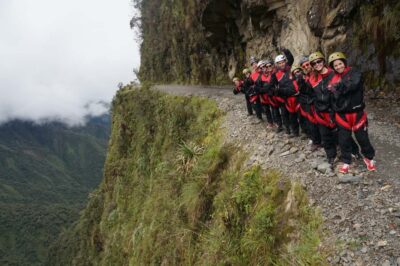
La Paz: Mountain Bike Down the World’s Most Dangerous Road
Read our review →
Maui Haleakala Sunrise Downhill Bike Tour with Mountain Riders Rated #1
Read our review →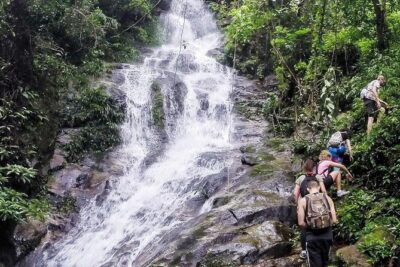
Chiang mai Hike & Downhill Bike Adventure –Suthep National Park
Read our review →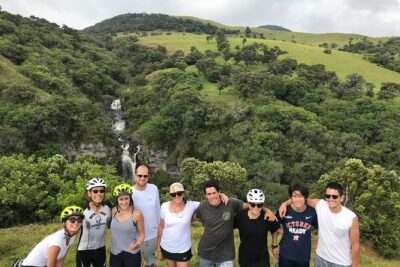
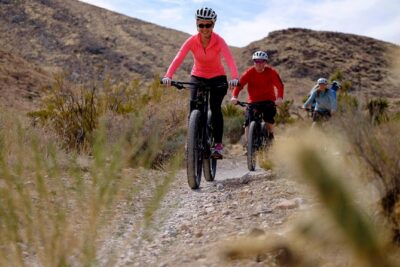
Guided Mountain Bike Tour of Mustang Trail in Red Rock Canyon
Read our review →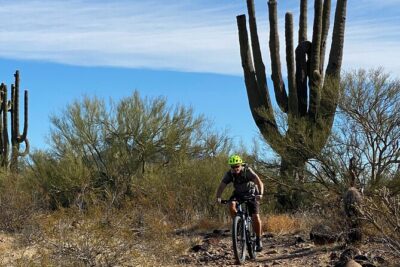
3 Hour Sonoran Desert Private Guided Mountain Bike Tour
Read our review →Other lists this ride turns up in