
REVIEW · CITY HIGHLIGHTS BIKE TOURS IN MEXICO
Mexico City: 19 City Highlights Bicycle Tour
Mexico City is so large that a car window can turn it into a blur. This four-hour bicycle tour gives you a useful first look, linking Chapultepec, the historic center, Juárez, Condesa, and Roma Norte with stops at 19 major places.
I like the easy pace and the care given to street safety. I also like the personal touch from guides Yibran and Daniella, who take photos and videos, share restaurant tips, and help you get oriented for the rest of your stay. The main consideration is traffic, although Sunday is a much better choice because many central roads close to cars.
Key points
- Sunday is the smartest day: Main roads close to motor traffic for cyclists, runners, and walkers.
- You cover serious ground: The route links 19 sights across five neighborhoods in about four hours.
- The pace stays manageable: The ride is designed for ordinary cyclists, not racers.
- Yibran and Daniella add personal help: Expect English explanations, safety support, photos, videos, and food recommendations.
- The equipment matters: Bikes and helmets are supplied, and the equipment has earned strong praise for comfort and condition.
- The route is an orientation tool: Use the tour to decide which museums, plazas, and neighborhoods deserve a longer visit.
Why this bike ride works so well on a first day
I like city bike tours when they help me understand how the pieces fit together, rather than simply ticking off monuments. This route does that well. You begin at Jalapa 272 and finish near Cerrada Orizaba and Coahuila in Roma Norte, so the ride connects several districts instead of circling one central square.
The route includes parks, monuments, museums, grand civic buildings, and everyday streets. You see the polished side of Mexico City around Reforma and Chapultepec, then move into the historic center before ending in Roma Norte. That change of setting is part of the value.
At $70 per person, this is not the cheapest way to see Mexico City. It is a fair price if you want a guide, a bicycle, a helmet, four hours of sightseeing, and practical advice in one package. The extra photos and videos are a useful bonus, especially for solo visitors or couples who usually have to ask strangers to take pictures.
The group is limited to 10 people. That matters in a city where a large group could become awkward at crossings or crowded plazas. Yibran and Daniella work together, with one guide helping keep the group together and the other taking photos or watching the rear.
More City Highlights Bike Tours in Mexico
- Mexico City: 19 City Highlights Bicycle Tour
★ 5.0 · 425 reviews - Mexico City Highlights E-Bike Tour With Foodie Stops
★ 5.0 · 226 reviews - E-Bike City Tour though Cozumel & Taco Tasting Tour
★ 4.5 · 155 reviews
Starting at Jalapa 272 in Roma Norte
Arrive early, ideally at least 20 minutes before the stated start time. One rider who arrived 10 minutes early found that the bicycle suited to their height had already been taken, which made the ride less comfortable. That is a small but practical reason not to cut it close.
You receive a bicycle and helmet at the meeting point. Wear clothes that let you move freely, shoes you can pedal in, and sunscreen. Bring a passport or identification card, or a copy, as requested for the activity.
The starting point places you near the Roma and Condesa area, one of the city’s most pleasant parts for walking and eating. You do not begin with a long lecture. You get moving, which helps the tour feel like an outing rather than a classroom.
Mexico Park and the first taste of city riding
The first listed stop is Mexico Park, with about 10 minutes for a guided look. This is a good opening because the park gives you a softer introduction to the city. You can settle onto the bike, learn the group’s rhythm, and begin to understand how the guides handle stops and crossings.
The early portion also lets you see how different Mexico City feels at street level. From a car, parks and broad avenues pass quickly. On a bicycle, you notice the change from a tree-lined public space to busy urban streets.
The ride is described as easy, but it is still a four-hour outing. You should be comfortable sitting on a bicycle for that length of time. Children under 10 are not permitted.
Chapultepec, Estela de Luz, and the Altar a la Patria
The route then moves toward Estela de Luz, a modern tower near Chapultepec, followed by Altar a la Patria. Each stop receives a short guided explanation, generally around 10 minutes. These are not full museum visits. Think of them as visual anchors that help you place Mexico City’s modern civic story on the map.
Chapultepec Park receives about 15 minutes. That is one of the longer stops, and rightly so. The park is one of the key open spaces in the capital, and the bicycle makes sense here because you can cover more ground than on foot without rushing from one sight to another.
The tour continues to Chapultepec Castle. You should understand the timing before booking: the visit is an exterior and orientation stop within a larger route, not a dedicated castle tour. If you want to explore the castle rooms and museum displays in detail, plan a separate visit.
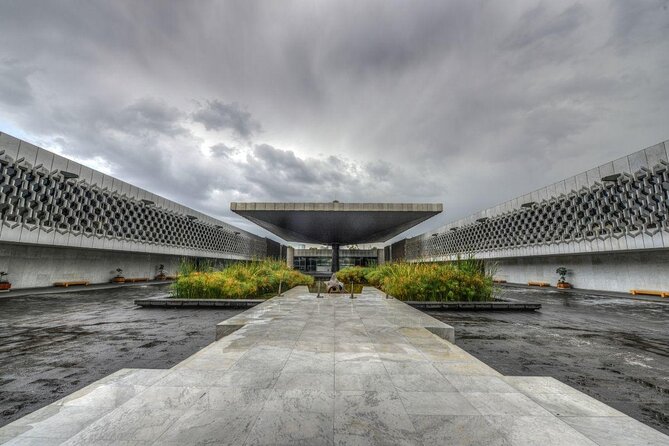
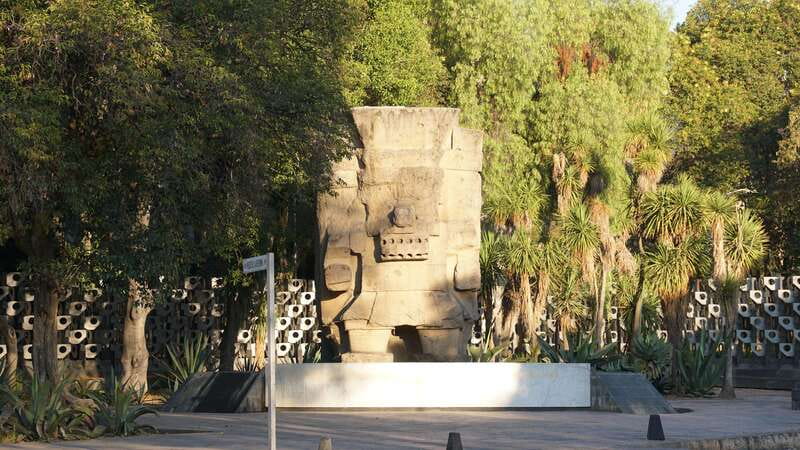
The same applies to the National Museum of Anthropology. You stop there for about 10 minutes, enough to learn why it matters and decide if you want to return for a longer visit. The museum is too important to experience properly in a quick glance, but its inclusion helps you place Mexico City’s cultural institutions within the wider city.
This is one of the route’s strengths. You get a list of places to revisit instead of spending an entire morning inside one attraction before you know what else is nearby.
Same roads, a different saddle:
- Electric Bike Beach Adventure with Tequila Tasting and Lunch
★ 5.0 · 1,162 reviews - Frida Kahlo VIP [Museum Tickets Included] Bike, Markets & Churros
★ 5.0 · 1,072 reviews - Mexico bike tour
★ 5.0 · 407 reviews - Bikes and Bites: Taco Bicycle Tour in Puerto Vallarta
★ 5.0 · 341 reviews
Reforma and the Angel of Independence
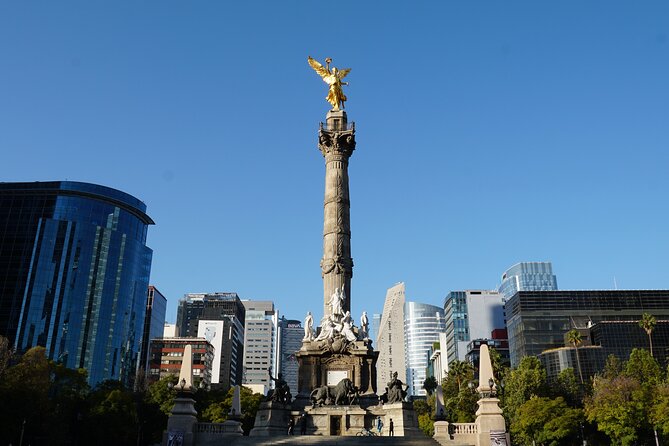
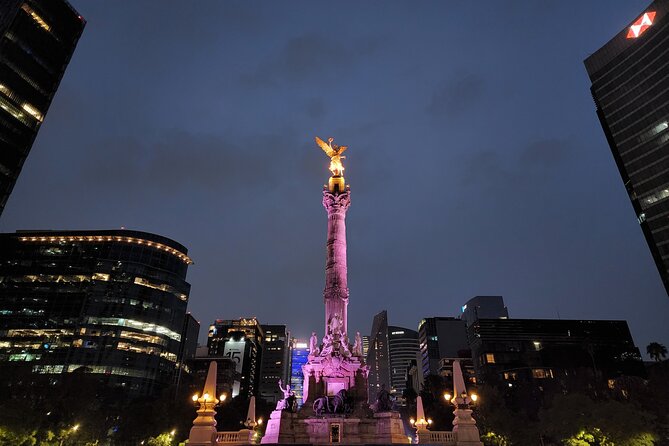
The Angel of Independence is another short stop, with about 10 minutes of guided commentary and cycling. This is one of the city’s clearest symbols, and the broad avenue around it gives you a sense of Mexico City’s scale.
Traffic is the main issue in this part of the ride. Guides take responsibility for helping the group cross streets and stay together, but you still need to remain alert. Sunday is especially appealing because major roads close to vehicles for cycling, running, and walking. The city feels calmer then, and the route becomes more comfortable for riders who are not used to urban traffic.
If you can choose your date, I would pick Sunday morning. This is not just a minor convenience. It changes the feel of the ride and gives you more room to look up at the monuments instead of concentrating only on cars.
Alameda Central, the Hemiciclo a Juárez, and Torre Latinoamericana
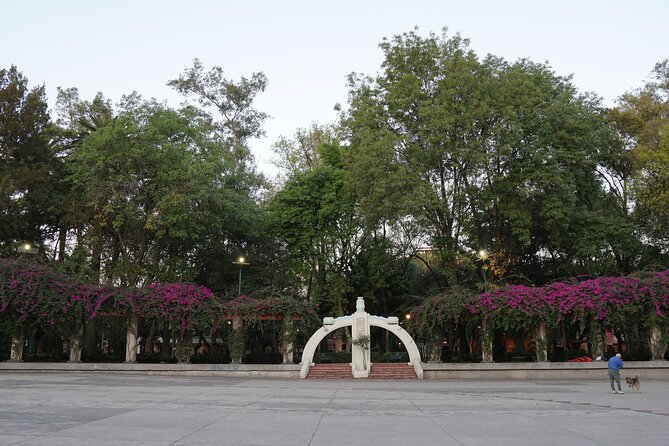
The route heads into the historic center for stops at Alameda Central, the Hemiciclo a Juárez, and Torre Latinoamericana. Each receives roughly 10 minutes.
Alameda Central is a good place to understand the city’s grand public spaces. The Hemiciclo a Juárez adds another major civic monument nearby. Torre Latinoamericana gives you a modern landmark amid the older streets and buildings of central Mexico City.
This section packs in a lot. You are not getting long architectural lectures, and that is probably wise. After several hours on a bicycle, short explanations followed by movement keep the day lively.
Torre Latinoamericana can be visited separately if you want a high view over the city. The bicycle tour itself does not include a visit to an observation deck. That distinction matters when you compare this activity with a dedicated downtown sightseeing tour.
Fine Arts and the Zócalo
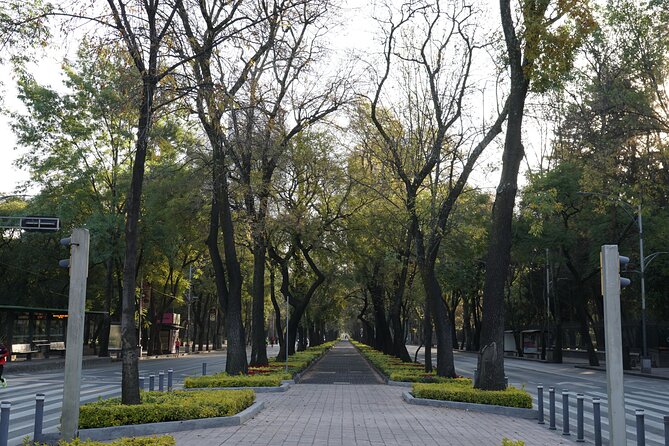
Palace of Fine Arts is one of the route’s major visual stops. You have time to see the building, hear its place in Mexico City’s cultural life, and take souvenir photos. The stop is brief, so you should not expect to see the interior murals or attend a performance as part of the ride.
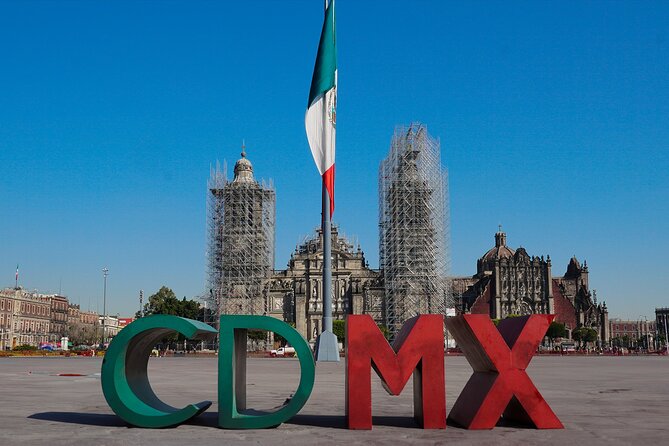
Next comes the Zócalo, the capital’s vast central square. This is where the scale of Mexico City becomes especially clear. The square connects political, religious, and cultural landmarks, and a guide can give you a useful framework before you return on foot.
I like having the Zócalo included because it is easy to visit without context and simply see a large plaza. A short explanation helps you recognize why the area matters. You can then return later when you have time to walk through the surrounding streets at your own pace.
Templo Mayor Museum and the historic center
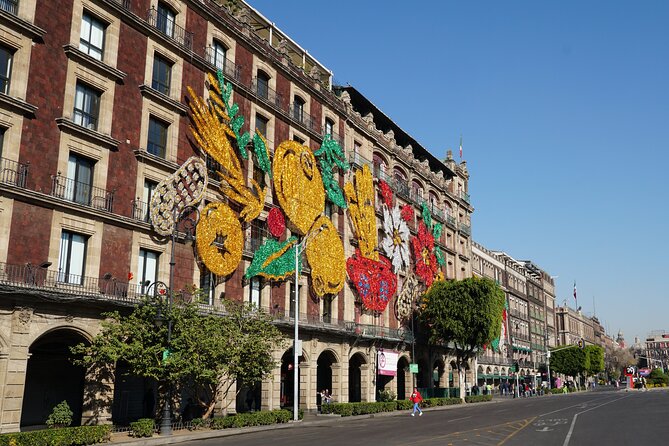
The Templo Mayor Museum receives about 15 minutes, another longer stop. The site is important for understanding the city before and after Spanish conquest, but this tour gives you only an introduction. You will not have time for a full museum visit.
That is not a flaw, as long as you book with the right expectations. The bicycle tour is a sampler and orientation, not a substitute for Mexico City’s major museums. I would use the guide’s explanation to decide if the museum deserves a return visit, then come back when you can read the displays without watching the clock.
The historic center can be busy and uneven for cycling. The safety work of the guides matters here. They help with crossings and keep the group from spreading out, while the small group size makes it easier to stay in contact.
Monumento a la Revolución and Plaza Río de Janeiro
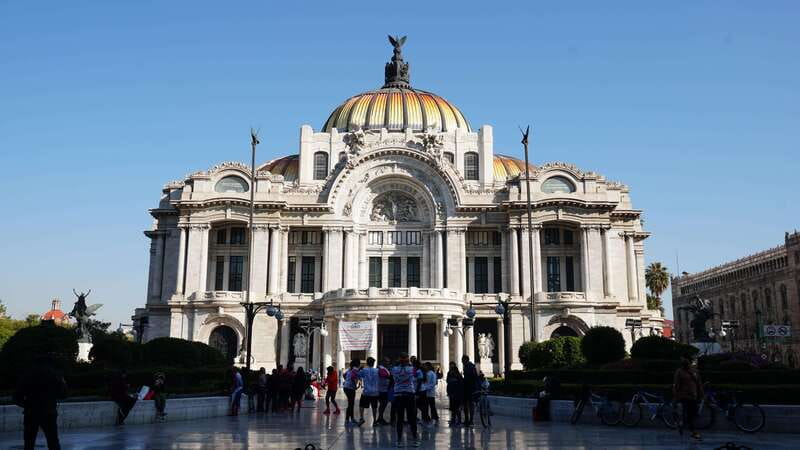
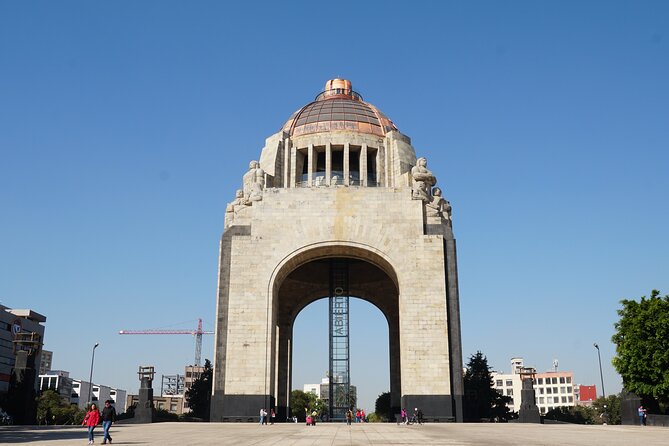
Monumento a la Revolución is the next major stop. Like the other landmarks, it receives about 10 minutes. The route continues to Plaza Río de Janeiro before finishing in Roma Norte.
This last stretch shifts the mood again. You leave the formal civic center and return toward a neighborhood known for streets, plazas, cafes, and restaurants. Plaza Río de Janeiro is a useful closing point because it brings you back to the kind of area you may want to explore on foot later.
The ending near Cerrada Orizaba and Coahuila is practical for anyone staying in Roma Norte or Condesa. It also sets you up well for lunch or an afternoon walk, although food and drinks are not included.
What the guides add to the ride
The human side of this activity is a major part of its appeal. Yibran leads the explanations in English, and Daniella helps keep the group together, watches for anyone falling behind, and takes photos and videos along the way.
You can expect a mix of history, jokes, and practical city advice rather than a nonstop lecture. The guides have also helped visitors with small details, such as locating public restrooms and offering restaurant recommendations based on personal food preferences.
That kind of advice is especially useful after a broad overview tour. You can ask where to eat near your hotel, which neighborhoods to revisit, or which attractions deserve more time. The tour ends with more than a collection of monument photos. It gives you a rough plan for the next few days.
The guide’s English is described as clear, and the use of visual material at some stops can help bring explanations to life. Still, the amount of detail will depend on the group’s pace and questions. If you want a specialist-level lecture on one building, book a focused museum or architecture tour instead.
Bikes, safety, and physical demands
The bikes and helmets are included. The equipment has been praised for being newer, comfortable, and in good condition, which is not a small matter on a long city ride. A poorly fitted bicycle can turn an easy tour into a tiring one, so arrive early and tell the guide if the seat or frame does not feel right.
The ride is described as easy enough for a normal cyclist, with a pace that lets you see the sights without racing. You still need basic confidence on a bicycle and enough stamina for four hours. The route takes place rain or shine, so check the weather and dress accordingly.
Sunscreen is essential. One account estimated that about 30 percent of the ride was in full sun, with leafy and shaded stretches elsewhere. Comfortable clothes, comfortable shoes, and water are sensible choices, although food and drinks are not part of the package.
The greatest safety advantage is choosing Sunday. Mexico City traffic can be unpredictable, and getting to the meeting point may take longer than expected. Leave extra time for your taxi or rideshare, especially if you are crossing the city.
Is $70 a good value?
At $70, this tour makes sense if you value breadth and guidance. In four hours, you see major sights that could take several separate walks to connect. You also receive the bicycle, helmet, English-speaking guide, safety support, photos, videos, and restaurant suggestions.
The tradeoff is depth. You will spend about 10 to 15 minutes at most stops, so museums and interiors remain introductory. If you already know Mexico City well, or prefer a slow day centered on one district, the route may feel too broad.
For a first or second day, I think the price is easier to justify. You cover five neighborhoods, learn the city’s basic shape, and identify places to revisit. The tour can save you from wasting half a day trying to work out the transport links between Chapultepec, the historic center, and Roma Norte.
Who should book this experience?
I would recommend it to adults and families with children 10 or older who are comfortable riding in a city. It suits solo visitors, couples, and small groups who want an active introduction rather than a bus ride.
It is also a good fit if you like taking photos but do not want to spend the day asking strangers to take them. The guide team creates photos and videos during the ride and shares them afterward.
I would be more cautious if you dislike traffic, struggle with four hours of cycling, or want long visits inside museums. In that case, use this as a city overview only if you are comfortable treating the interior attractions as future stops.
Should you book the Mexico City 19 City Highlights Bicycle Tour?
Book it if you want to get your bearings fast, see a wide range of Mexico City landmarks, and add some exercise to your sightseeing. Choose Sunday if possible, arrive 20 minutes early for the best bike fit, and keep the afternoon free for returning to the places that catch your interest.
Skip it if your priority is a slow, detailed museum day or if you are not comfortable riding in urban traffic. For most first-time visitors who can handle an easy four-hour ride, this is a smart way to begin exploring CDMX.
FAQ
How long does the bicycle tour last?
The tour lasts four hours.
How much does the tour cost?
The price is $70 per person.
Which languages are available?
The tour is conducted in English.
Are bicycles and helmets included?
Yes. Bicycles, helmets, and a guide are included.
Is the tour suitable for children?
Children under 10 are not permitted on the tour.
What should I bring?
Bring a passport or identification card, or a copy, along with comfortable clothing, comfortable shoes, and sunscreen. The tour runs rain or shine.
Newest rides we have reviewed in Mexico
- From Mexico City: Teotihuacan Pyramids and Bike Tour★ 4.7 · 20 reviews
- Tulum: Cenote Trail Bike Tour★ 4.8 · 142 reviews
- Private Tour in El Malecon Boardwalk Bike Ride★ 5.0 · 69 reviews
- Private Historical Tour in the Sierra Santa Rosa by Bicycle★ 5.0 · 28 reviews
- Neon Bike Party – Private Bike Tour★ 4.5 · 34 reviews
- Private Tour: Coba Ruins by Bike, Tulum Ruins by Boat and Swim in a Cenote★ 5.0 · 85 reviews
- Electric Bike and Beach Camel Ride with Mexican Buffet Lunch★ 5.0 · 92 reviews
- Beach Camel Ride and Sky Bike in Cabo★ 4.5 · 143 reviews
City Highlights Bike Tours, compared.
3-Hour Porto Highlights on a Electric Bike Guided Tour
Read our review →
City Highlights 3-Hour Guided Electric Bike Tour
Read our review →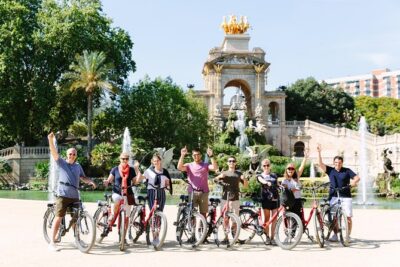
Highlights & Hidden Spots of Barcelona Bike Tour w/ Local Guide
Read our review →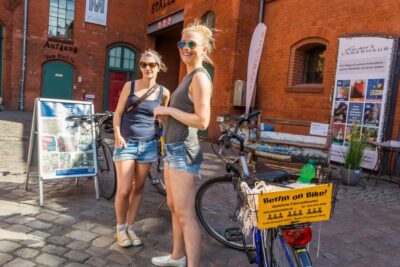
Sights and Highlights Bike Tour with a Local Guide
Read our review →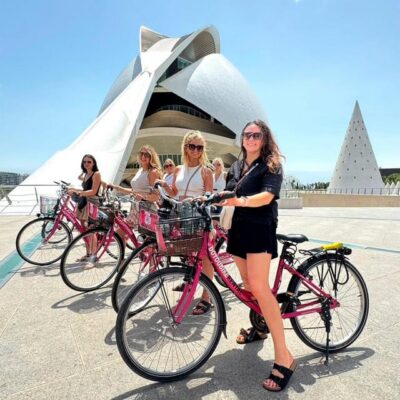
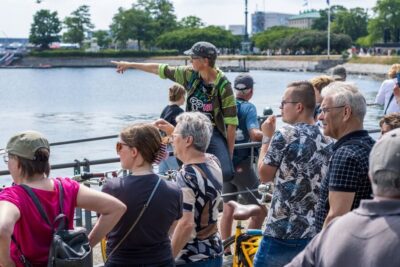
Highlights 3 Hour Bike Tour with a Local Guide
Read our review →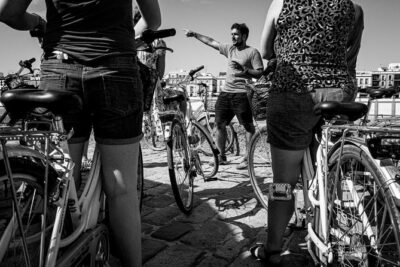
Other lists this ride turns up in