
REVIEW · BERLIN
Berlin: Experience the Alternative Kreuzberg on a Bike Tour
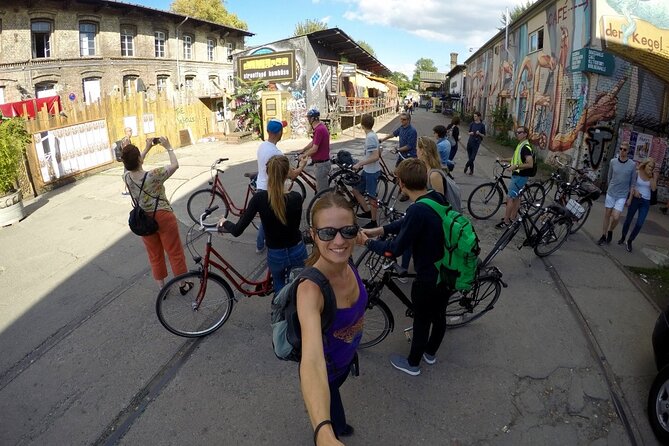
Berlin’s most interesting stories often sit away from Museum Island and the Brandenburg Gate. This 17-kilometer ride through Kreuzberg, Friedrichshain, Neukölln, and Treptow shows you Berlin’s alternative side, from former squats and canal bars to glossy new buildings and places shaped by the Berlin Wall.
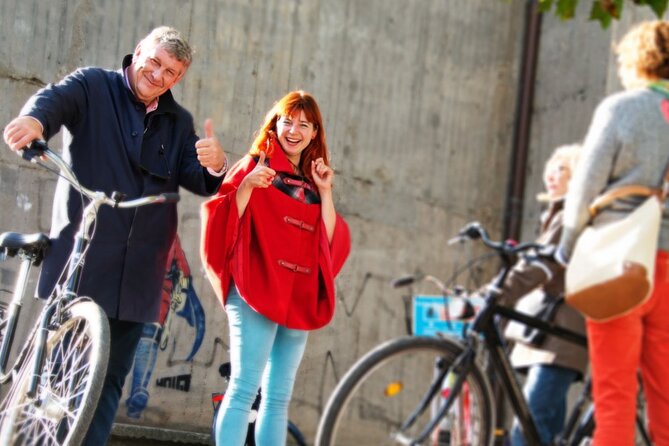
I like the relaxed pace and the regular stops, which give you time to listen rather than pedal hard for three hours. I also like the local approach: guides such as Vincent, Carl, Jake, and Fiona have brought personal stories and sharp neighborhood knowledge to the route. The main consideration is that the exact ride can change, so you may not see every listed stop on every departure.
Key points
- About 17 kilometers on quiet streets and bike paths: This is a proper city ride, but frequent stops keep it manageable.
- A close look at Berlin after the Wall: You see how former border districts changed through art, nightlife, new construction, and social pressure.
- Stops every five to ten minutes: Guides keep the story moving without leaving you standing through long lectures.
- A small group of up to 15 people: That makes it easier to ask questions and keep a comfortable pace.
- Bikes, baskets, and rain ponchos are included: Helmets are available if you request one.
- A flexible route shaped by the guide and the day: This creates a more personal outing, but makes the experience less predictable.
Why this bike ride shows a different Berlin
At $41 per person, this is a reasonably priced three-hour introduction to the parts of Berlin that are harder to understand from a sightseeing bus. You are not simply passing landmarks and taking photos. You are moving through districts where political change, nightlife, art, housing pressure, and daily life sit close together.
The route is especially useful if you have already seen Berlin’s central monuments. It adds context to the city you see beyond the postcard views. You might pass a renovated building beside a rougher old structure, or cycle from a famous club area to a quiet residential street within minutes.
The tour begins in Nikolaiviertel, in the courtyard entrance at Poststraße 11. Look for the FREE BERLIN sign. The meeting point is about five minutes from the TV Tower, making it easy to reach from central Berlin.
The company describes each tour as unique. Guides can adjust the route to the group, current events, and what is happening in the city. That is a real strength for repeat visitors, but it also means the advertised sequence is best understood as a sample of the places you may visit, not a rigid promise.
More Cycling Trips in Berlin:
- Berlin: Sights and Highlights Bike Tour with a Local Guide
★ 4.8 · 2,698 reviews - Berlin Highlights 3-Hour Bike Tour
★ 5.0 · 948 reviews - Berlin City Bike Tour with Beer Garden Stop
★ 5.0 · 917 reviews
Nikolaiviertel to the Treehouse
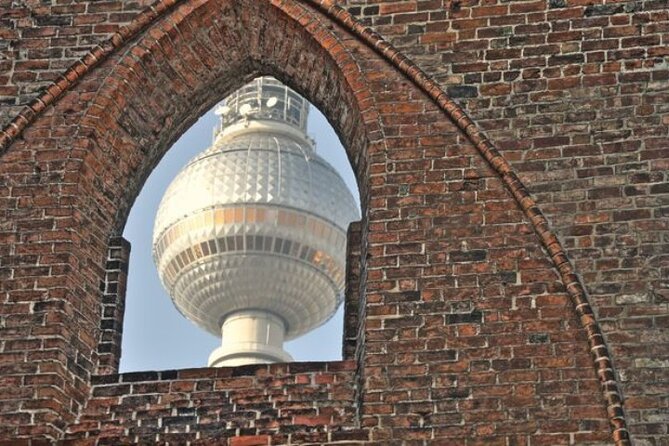
Nikolaiviertel is a curious place to begin. It is one of Berlin’s oldest quarters, but much of what you see today has been reconstructed. From here, the tour quickly moves away from the familiar central sights and toward the city’s alternative districts.
One early stop is the Treehouse in Berlin, a small and unusual project that reflects the city’s taste for improvised urban spaces. Your guide uses places like this to explain how residents have found ways to claim space and express ideas outside conventional development.
These first stops help set the tone. You are not being shown only grand monuments. You are being shown the arguments Berlin has had with itself over land, buildings, identity, and change.
Berghain and the East Side Gallery
The ride continues toward the Berghain Panorama Bar, one of Berlin’s best-known club addresses. You should not expect entry into the club as part of the tour. The value here is the explanation of Berlin’s club culture and why former industrial buildings became so important to the city’s modern identity.
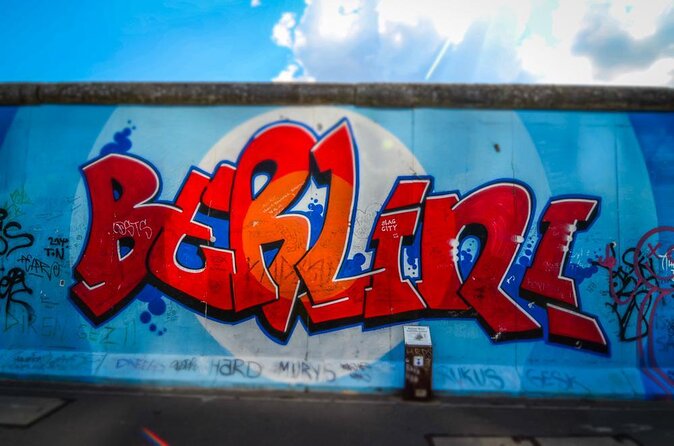
Next comes the East Side Gallery, where a remaining section of the Berlin Wall is covered with large murals. This is one of the more obvious tourist stops, but it still works well within this tour because your guide connects the art to the wider changes in Friedrichshain and Kreuzberg.
The stop is also a photo opportunity. Be prepared for a more open, public setting here than at the smaller neighborhood locations. The guide’s short talk, usually around five minutes at each point, keeps the visit focused.
RAW-Gelände and Oberbaumbrücke
RAW-Gelände offers a look at another side of Berlin’s creative scene. The former industrial site has become associated with art, nightlife, and informal cultural projects. It helps explain why rough-looking spaces can become valuable cultural territory, and why that value can later attract investment and redevelopment.
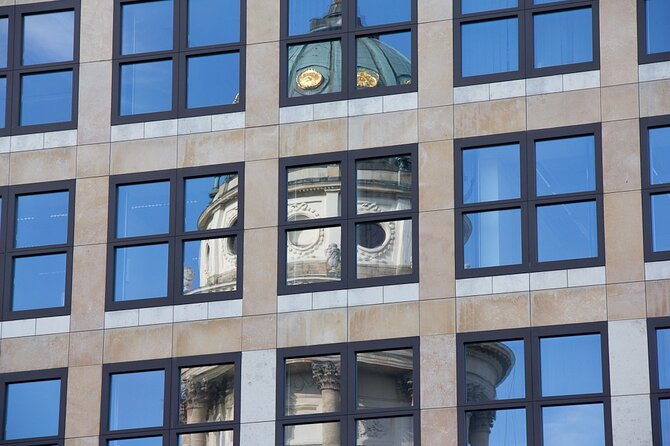
From there, you ride to Oberbaumbrücke. This striking bridge links Friedrichshain and Kreuzberg and once crossed the border between East and West Berlin. It is one of the most useful places on the route for understanding how a divided city has become physically connected again.
The bridge is a natural photo stop, but it can also be busy. Keep your attention on the group and other road users rather than treating it like a long pause. The tour generally uses quiet streets and bike paths, yet this is still an urban ride, not a car-free park circuit.
Same roads, a different saddle:
- Berlin Highlights: 3-Hour Bike Tour
★ 4.9 · 809 reviews - Berlin Highlights Sightseeing Bike Tour in Small Groups
★ 5.0 · 652 reviews - Berlin: The Wall and Third Reich Guided Bike Tour
★ 4.8 · 578 reviews - Berlin: Alternative Bike Tour of Kreuzberg & Friedrichshain
★ 4.7 · 548 reviews
The Spree, Molecule Man, and a houseboat
The ride follows the Spree River and reaches the Berlin Tag und Nacht houseboat. The stop offers a different view of the city’s informal culture and its relationship with the water. Berlin’s riverfront is not just a polished promenade. It includes working spaces, leisure spots, housing projects, clubs, and contested development areas.
Molecule Man, the tall metal sculpture in the Spree, is another photo stop. Its three figures rise from the water where several parts of the city meet. It is a memorable sight, but the more useful part is the setting around it: you can see how open river space and new construction exist side by side.
The river sections give you a breather from dense streets. They also make the social story easier to grasp. Open land near the water can look relaxed and public, but it is often among the most sought-after property in the city.
Club der Visionäre and Wrangelkiez
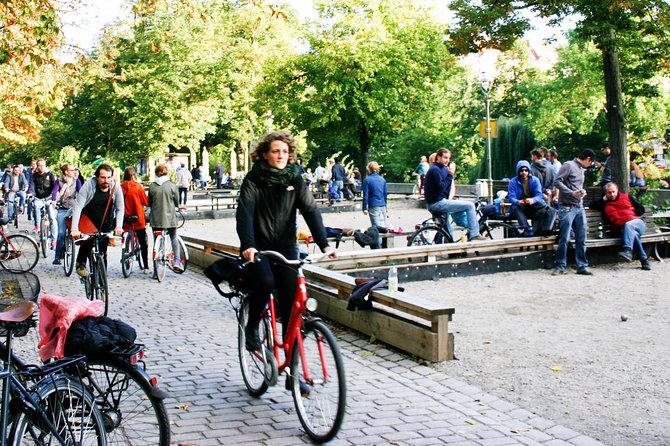
Club der Visionäre brings the ride back to Berlin’s outdoor nightlife culture. It is associated with a relaxed waterside setting and the city’s long-running club scene. Your guide can place it within the wider story of music, temporary venues, and the use of old industrial or waterfront areas.
Wrangelkiez then gives you a closer look at daily neighborhood life in Kreuzberg. This is less about one famous sight and more about the texture of the district: local streets, creative projects, nightlife, and signs of social change.
I particularly like this part of the route because it shows why a bike tour works better than a standard coach excursion here. You can move between small streets and major landmarks without losing the connection between them.
Görlitzer Park and the changing city
Görlitzer Park is one of Kreuzberg’s best-known green spaces. It has a complicated public image and sits at the center of many conversations about safety, poverty, drug use, public space, and city policy. The tour does not present Berlin as a perfect creative playground. It includes the harder parts of urban life.
That balance matters. A guided ride through alternative Berlin should not turn every rough edge into a charming story. The value is in seeing the city as it is, with social problems and redevelopment pressures alongside art, nightlife, and community life.
The route also passes CarLoft Modul GmbH, a more modern architectural project. The contrast with older buildings and informal spaces is exactly the point. Berlin’s identity is not frozen in its counterculture past. New building methods, private investment, and changing tastes are reshaping the same districts.
Maybachufer, Admiralbrücke, and Kottbusser Tor
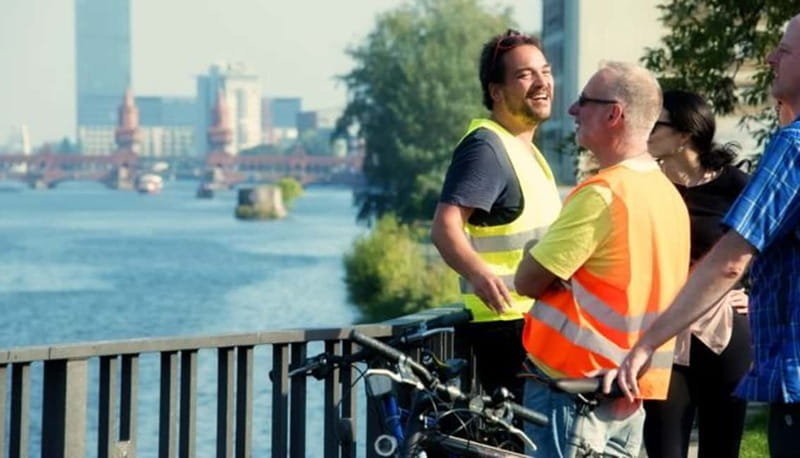
Maybachufer is one of the most scenic portions of the ride. The canal gives you water, open views, and a calmer pace after the denser streets of Kreuzberg. It is a good place to see why canal-side areas have become so attractive, both for residents and for businesses.
Admiralbrücke is another photo stop and a familiar Kreuzberg meeting place. The bridge is small, but it carries a lot of local character. Your guide may use it to explain how public spaces become social gathering points and why the area feels different from Berlin’s grand central boulevards.
Kottbusser Tor brings you back into a busier urban setting. It is not polished, and that is part of its importance. The area shows the pressure points of a changing city, where transport, housing, nightlife, shops, and competing social needs crowd together.
You should be ready for a few less scenic moments. This is not a tour designed to make every street look pretty. It is designed to help you read Berlin’s contrasts.
Rio-Reiser-Platz and Künstlerhaus Bethanien
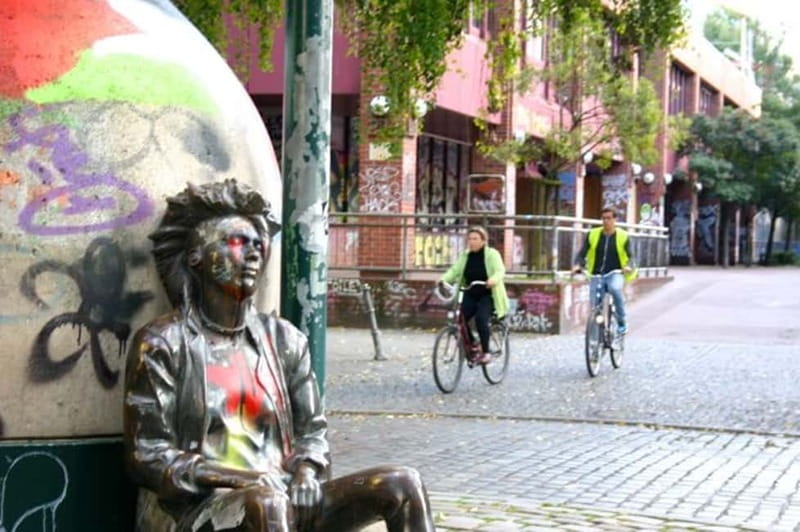
Rio-Reiser-Platz honors the German musician associated with Ton Steine Scherben and the political music culture of West Berlin. The square gives the guide a chance to connect neighborhood identity with music, protest, and cultural movements.
The final major stop is Künstlerhaus Bethanien, a former hospital that became an important center for artists. It represents the kind of transformation seen throughout Kreuzberg: an old building receives a new purpose, and culture becomes part of the area’s identity.
From there, you return to the starting point at FREE BERLIN Bike Tours and Rental. The full ride takes about three hours, but it is broken into short talks and riding sections. You are not expected to pedal continuously for the entire time.
What the riding is really like
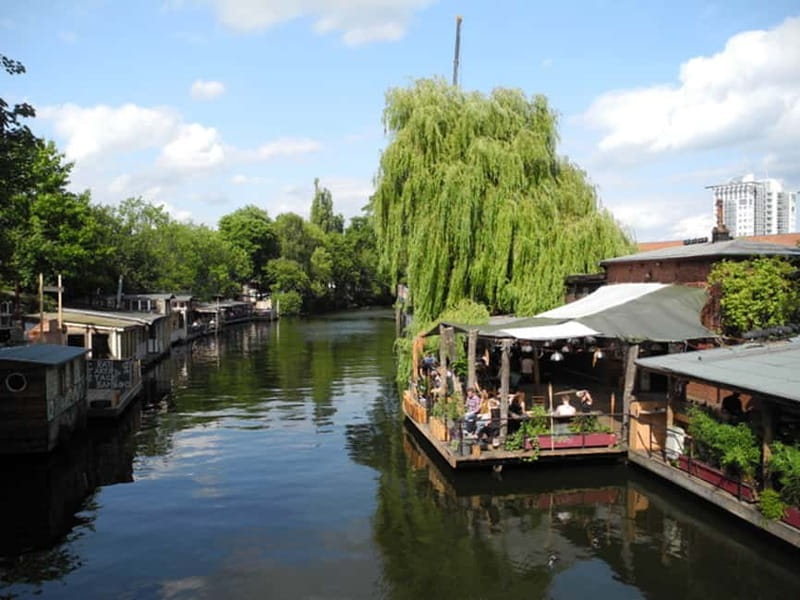
The route covers about 17 kilometers, mainly on quiet side streets and scenic bike paths. That distance is manageable for most people who are comfortable on a bicycle, but it is still worth treating this as an active outing rather than a passive sightseeing trip.
The stops come roughly every five to ten minutes. That rhythm makes the tour accessible to families and people who do not usually take long bike rides. One earlier participant described the bikes as sturdy and the ride as safe, with many stops rather than three hours of constant cycling.
Berlin weather can affect the experience. On a hot day, you may find the distance tiring, especially on exposed sections or if you are not used to city cycling. Bring water and dress for the forecast. Waterproof ponchos are available if rain arrives, and helmets can be requested.
The rental bikes have baskets and are regularly serviced by certified mechanics. Large bags can be left with the operator during the ride. Infant seats are available on request, and children are welcome, so this can work for families who are comfortable managing a three-hour urban ride.
The guide makes the difference
The best part of this experience is the guide’s ability to connect places that might otherwise seem random. A wall fragment, a club, a canal, and a housing project become part of one story about Berlin’s changing identity.
Several guides have received especially warm praise over the years. Vincent is known for personal stories, humor, and an easy way of explaining the city. Carl has been appreciated for his enthusiasm and historical explanations. Jake has brought energy and a strong interest in Berlin’s culture, while Fiona has made the ride interactive and local in feel.
Those names are useful when considering the style of the company, but you should not assume a specific guide will lead your departure. The tour is offered in English, German, and French.
A small group can include up to 15 people. That is large enough for a lively atmosphere but small enough for questions. If you prefer total control, a private version lets you choose the starting time and request a route tailored to your interests.
Who gets the most from this tour
I would choose this ride if you want to understand Berlin beyond its major monuments. It suits first-time visitors who want a broad introduction to alternative districts, as well as repeat visitors who have already seen the central sights.
It is a good match for you if you enjoy:
- Urban history connected to present-day life
- Street art, creative projects, and unusual architecture
- Berlin’s club and music culture
- Cycling at a relaxed pace
- Small groups and informal guiding
- Seeing both attractive and difficult sides of a city
It may be less suitable if you want a strict historical tour focused on the Third Reich, the Cold War, or museum collections. It also may not fit if you dislike cycling, hot weather, uneven city conditions, or a route that can change from one departure to another.
Is $41 a fair price?
At $41, the tour offers reasonable value. The price includes the bike, a basket, a helmet if requested, and a poncho if needed. You also get three hours of guiding across several districts, rather than a short loop around one central area.
The strongest value comes from the interpretation. You could cycle through Kreuzberg or Friedrichshain alone, but you would miss much of the connection between the Wall, squatted buildings, nightlife, canals, creative spaces, and gentrification.
The price is less attractive if you only want a quick orientation or if you plan to rent a bicycle independently and explore at your own pace. The organized ride is paying for the route, the guide, the equipment, and the stories.
Free cancellation up to 24 hours before the start and the option to reserve now and pay later make it easier to fit into a changing Berlin schedule.
Should you book it?
Book this tour if you want a friendly, active look at Berlin’s alternative neighborhoods and prefer local stories to a checklist of famous monuments. The combination of Wall history, club culture, canals, street art, housing change, and everyday streets gives you a more honest picture of the city.
I would be cautious only if you need a fixed itinerary or want a quiet, purely scenic ride. The flexible route is part of the appeal, but it also means the exact experience depends on the guide, group, weather, and what is happening in Berlin that day.
For most visitors, the best time to take it is early in a Berlin stay. You will get your bearings, learn which districts interest you, and have plenty of time afterward to return to places such as the East Side Gallery, Maybachufer, or Kreuzberg on your own.
FAQ
Where does the Berlin alternative bike tour begin?
Meet at FREE BERLIN Bike Tours & Rental in the courtyard entrance of the building at Poststraße 11. Look for the FREE BERLIN sign. The office is in Nikolaiviertel, about five minutes from the TV Tower.
How long is the tour?
The tour lasts three hours and covers approximately 17 kilometers.
Which Berlin districts does the ride visit?
The route explores Kreuzberg, Friedrichshain, Neukölln, and Treptow. The exact route can change because guides adapt the ride to the group, current events, and the city’s changing conditions.
Which languages are available?
Live guiding is available in English, German, and French.
Is a bicycle included in the price?
Yes. You receive a rental bicycle of your choice. The bikes have baskets and are regularly serviced by certified mechanics.
Are helmets and rain protection available?
Helmets are available if requested. Waterproof ponchos are provided in case of rain.
Can children join the tour?
Yes. Children are welcome, and infant seats can be provided on request.
Can I book a private version?
Yes. A private tour is available. You can discuss a personal starting time and customize the route according to your interests.
Newest rides we have reviewed in Berlin
- From Berlin: Gardens & Palaces of Potsdam Bike Tour★ 5.0 · 61 reviews
- Berlin: Small Group Bike Tour Through City Center★ 4.9 · 64 reviews
- Berlin: Illuminated Berlin by Bike Taxi★ 4.8 · 162 reviews
- Berlin: Green City Guided Bike Tour★ 4.6 · 29 reviews
- Berlin: 48-Hour or 72-Hour Bike Rental★ 5.0 · 14 reviews
- Berlin (E)Bike Tour Historical Highlights in Small groups★ 4.5 · 24 reviews
- Berlin: From East to West & Wall Tour by Bike with a Guide★ 4.8 · 171 reviews
- Berlin: 3-hour bike tour – A journey through time in the capital★ 4.8 · 24 reviews
Berlin Cycling Tours, compared.
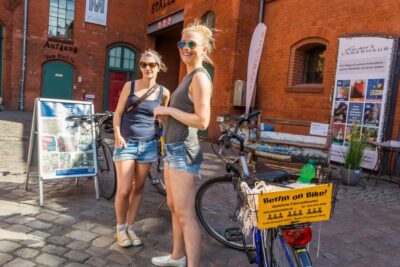
Sights and Highlights Bike Tour with a Local Guide
Read our review →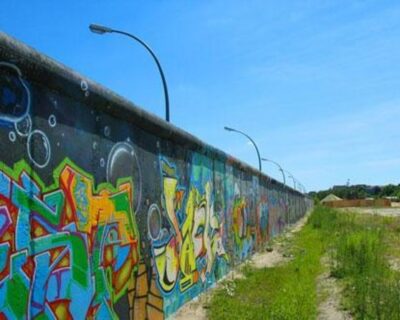
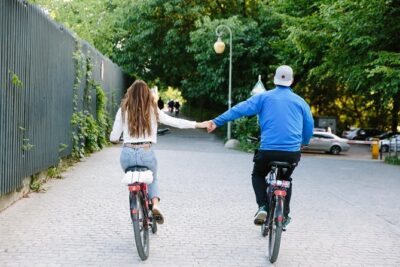
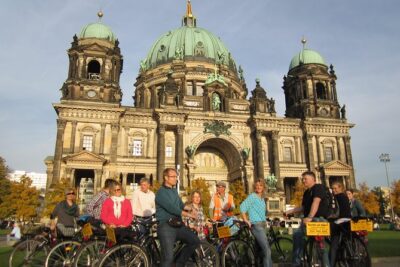
Berlin Highlights Sightseeing Bike Tour in Small Groups
Read our review →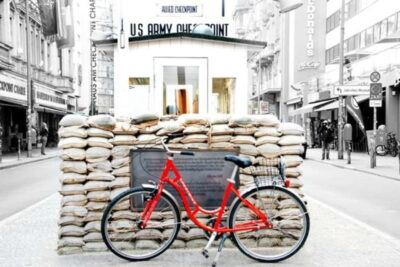
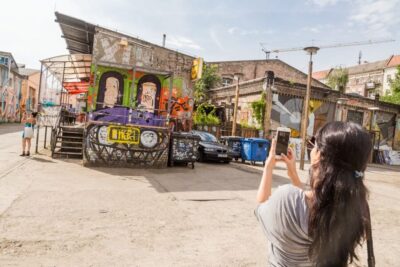
Alternative Bike Tour of Kreuzberg & Friedrichshain
Read our review →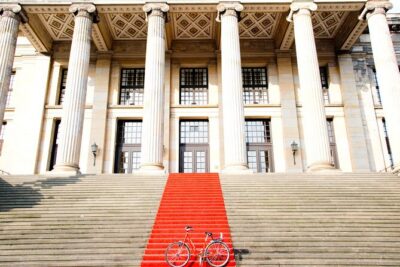
Other lists this ride turns up in