
REVIEW · BERLIN
Berlin: Cold War & Berlin Wall History Guided Bike Tour
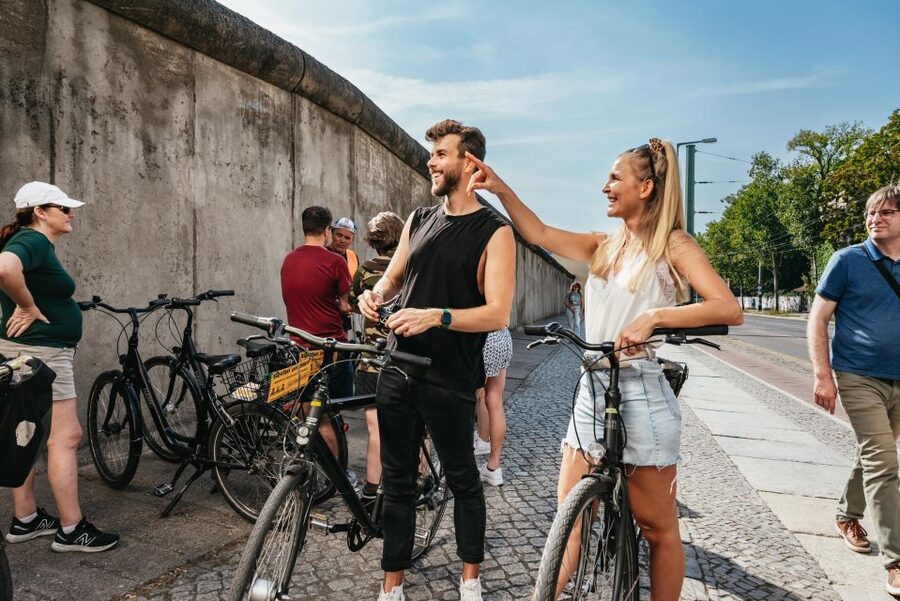
Berlin’s Cold War story makes the most sense when you follow the old border on two wheels. This 210-minute ride links Mauerpark, Bernauerstraße, Checkpoint Charlie, and Brandenburg Gate, while your guide explains how one city was split and how the Wall finally fell.
I like the relaxed pace and the chance to reach Wall sites that are spread across the city. I also like the personal stories, including escape attempts and the sudden events of November 1989. The main consideration is weather: you will be outside for nearly four hours, and a major city event, such as the Berlin Half Marathon, can force route changes.
Key points to know before you book

- Follow the former border for about 15 kilometers: The route connects several important Wall sites rather than stopping at only one memorial.
- See Berlin by bike at an easy pace: The ride is designed for sightseeing, with time to stop, listen, ask questions, and catch your breath.
- Hear stories behind the concrete: Guides explain escape attempts, border crossings, daily life, and the Wall’s effect on Berliners.
- Start at the Kulturbrauerei: This former 19th-century brewery in Prenzlauer Berg gives you an interesting starting point away from central Berlin’s busiest streets.
- Choose from a large bicycle fleet: Bikes are selected at the depot, with helmets, gloves, sunscreen, trouser clips, and rain ponchos available.
- Book with flexibility: The price is $41 per person, and you can cancel up to 24 hours before departure for a full refund.
Why a bicycle works so well for Berlin Wall history
The Berlin Wall was not one neat attraction. It stretched through neighborhoods, parks, railway lines, streets, and industrial areas. That makes a bicycle useful. You can cover ground between the major memorials without spending the day on public transport, and you see how the old border cut through ordinary parts of the city.
The route covers about 15 kilometers, but the pace is relaxed. This is not a race or a fitness challenge. You stop often for explanations, photos, and questions. Previous tour guides have also adjusted routes when road closures or large events got in the way.
You still need to be comfortable on a bicycle. The tour lasts three and a half hours, so comfortable clothes and shoes matter. Berlin is generally easy to cycle around on this route, but you are riding in a city, not on a closed track. Keep your attention on the guide, traffic, and the people around you.
More Guided Rides in Berlin:
- Berlin: Sights and Highlights Bike Tour with a Local Guide
★ 4.8 · 2,698 reviews - Berlin: The Wall and Third Reich Guided Bike Tour
★ 4.8 · 578 reviews - Berlin: Guided Bike Tour to Explore the Highlights
★ 4.8 · 506 reviews
Beginning at the Kulturbrauerei in Prenzlauer Berg
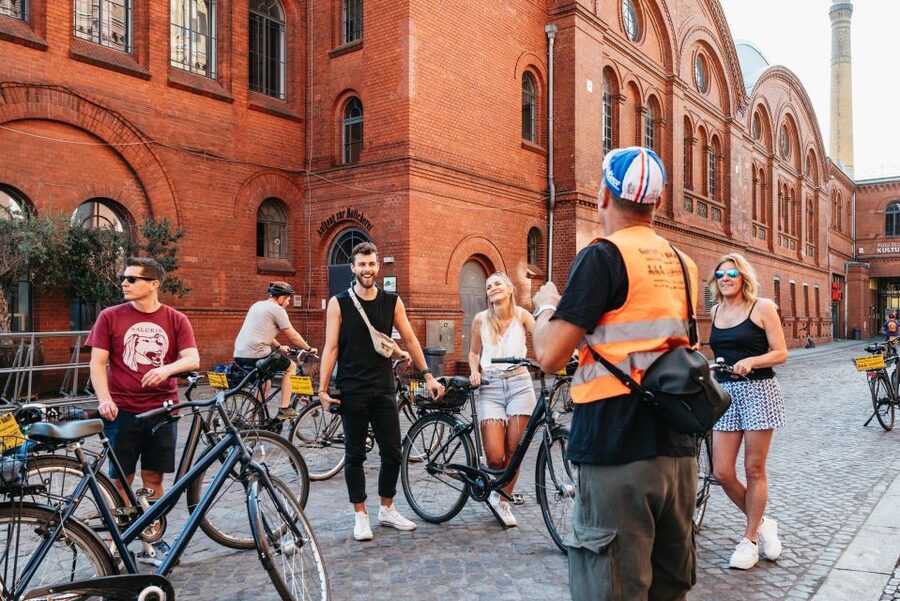
The meeting point is the Berlin on Bike depot inside the Kulturbrauerei complex. This former brewery, built in the 19th century, is more than a practical address. Its brick buildings, courtyards, and industrial character give you a quick sense of Prenzlauer Berg before the history lesson begins.
From Alexanderplatz, take the red U2 line toward Pankow for three stops to Eberswalder Straße. Leave through the exit marked for Kulturbrauerei, walk along Danziger Straße for about 150 meters, then turn onto Knaackstraße. Enter through the large doorway and follow the yellow signs to the bicycle depot.
Allow time to find the depot, especially if you are unfamiliar with Berlin’s public transport. At the shop, you can choose from a large fleet of bicycles. This is useful because one bike does not suit every rider. Staff can help you find a comfortable option, and a helmet and gloves are available if requested.
One small practical tip comes from an earlier ride: if you are not used to a coaster brake, choose a bicycle with hand brakes instead. A coaster brake stops the bike when you pedal backward, which can feel unfamiliar at first.
Mauerpark and Bornholmerstraße: where a border became a public space
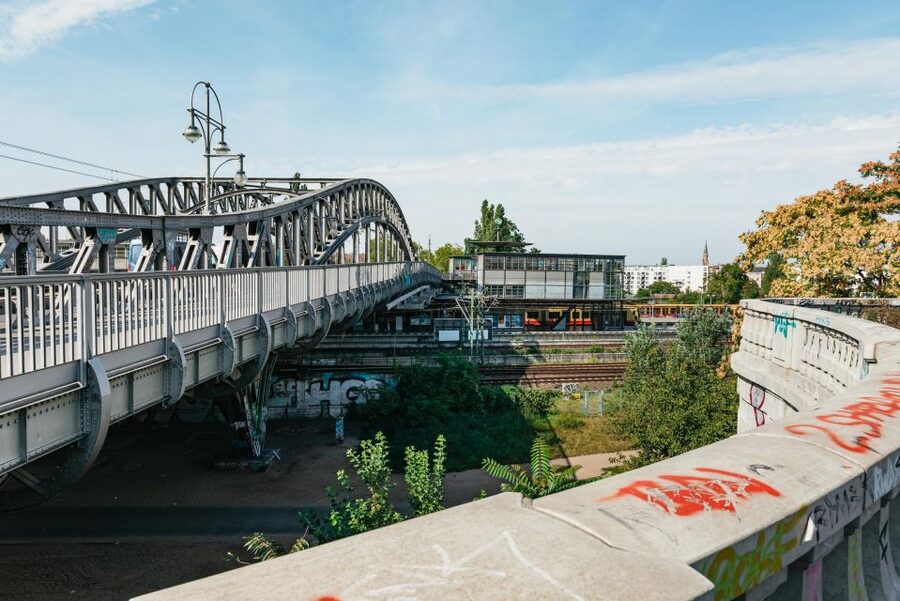
The early part of the route takes you toward Mauerpark and the former border crossing at Bornholmerstraße. Mauerpark is a lively public park today, but its name points to its past. It occupies part of the former border strip, where walls, fences, patrol roads, and controlled passages once shaped everyday movement.
Bornholmerstraße is especially important because it was the first border crossing to open on the night of November 9, 1989. The Wall did not fall in one tidy ceremony. Confusion, pressure from crowds, and a mistaken announcement helped produce an astonishing moment when guards finally let people cross.
This is the kind of place that benefits from a guide. A strip of road or a changed junction can look ordinary until you understand what happened there. Your guide connects the physical setting to the decisions and misunderstandings that brought the Wall down after almost 30 years.
At this point, you also begin to see why the tour is more than a list of famous sights. It explains the Wall as a working border system, not simply a concrete barrier. That means learning about gates, watch posts, restricted zones, and the serious risks faced by anyone trying to cross.
Bernauerstraße and the human cost of the Wall
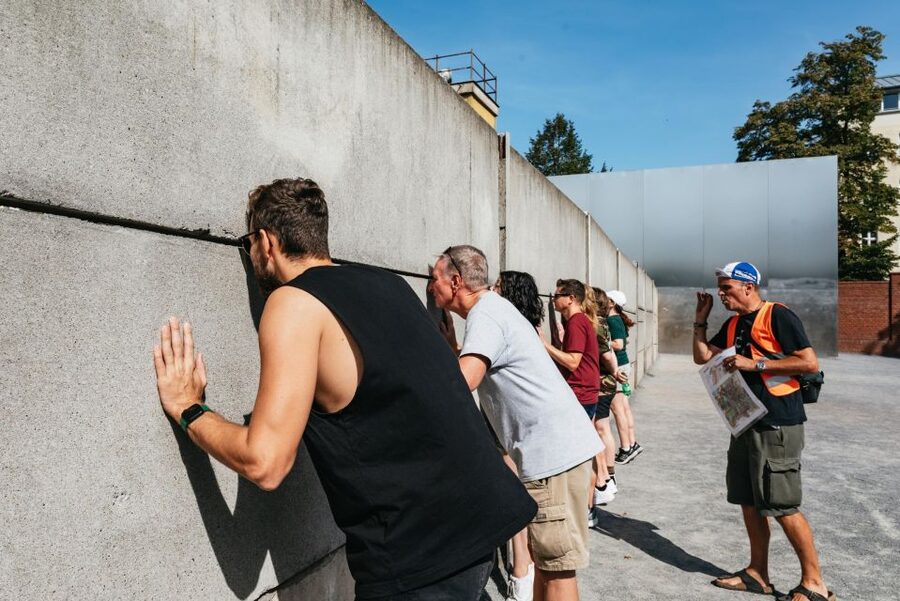
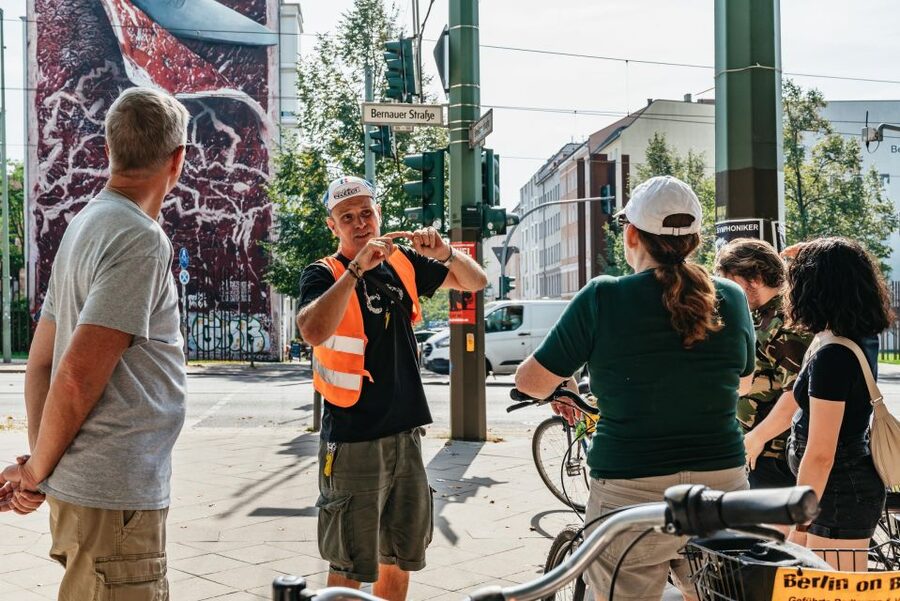
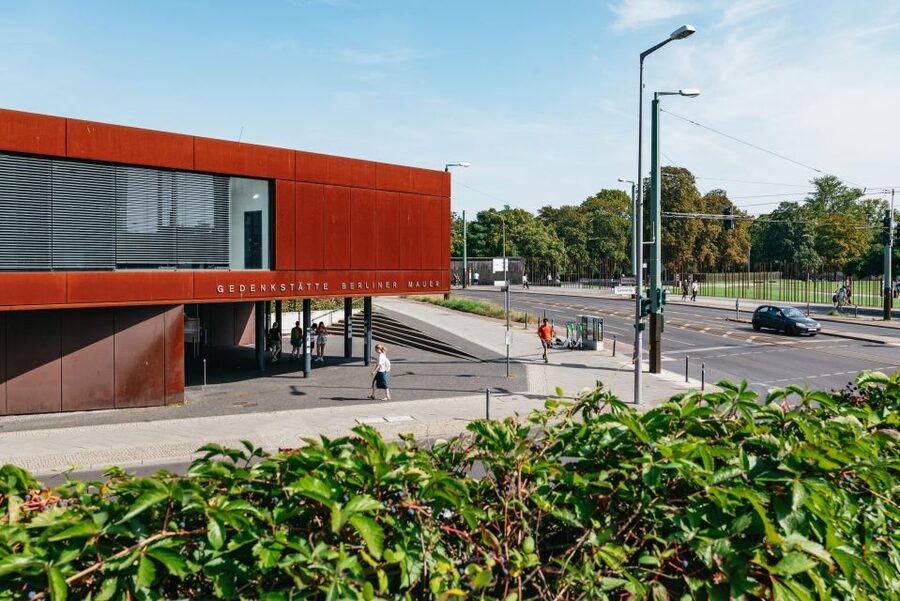
Bernauerstraße is one of the most powerful sections of the route. The street became famous because the border ran directly through the neighborhood, splitting buildings, sidewalks, and families. Some apartment blocks stood in East Berlin while their entrances opened toward West Berlin.
The area preserves several kinds of evidence from that period. You might see sections of the Wall, traces of the border strip, memorial material, and places connected with escape attempts. Your guide explains how people tried to get out and why some attempts ended in tragedy.
The strength of this stop is its human scale. Political speeches and dates can feel distant. A blocked doorway, a sealed window, or a route beneath the street makes the division easier to understand. You are not only hearing that Berlin was split. You are seeing how the split reached into homes and daily routines.
This is also where a good guide matters most. Past guides including Paul, Anna, Lauren, and Almar have been praised for combining clear facts with humor and strong storytelling. Humor is used lightly here, which helps keep a long history lesson approachable without making light of the subject.
More Cycling Trips in Berlin:
- Berlin Highlights 3-Hour Bike Tour
★ 5.0 · 948 reviews - Berlin City Bike Tour with Beer Garden Stop
★ 5.0 · 917 reviews - Berlin Highlights: 3-Hour Bike Tour
★ 4.9 · 809 reviews - Berlin Highlights Sightseeing Bike Tour in Small Groups
★ 5.0 · 652 reviews
Watchtowers, escape attempts, and the border system
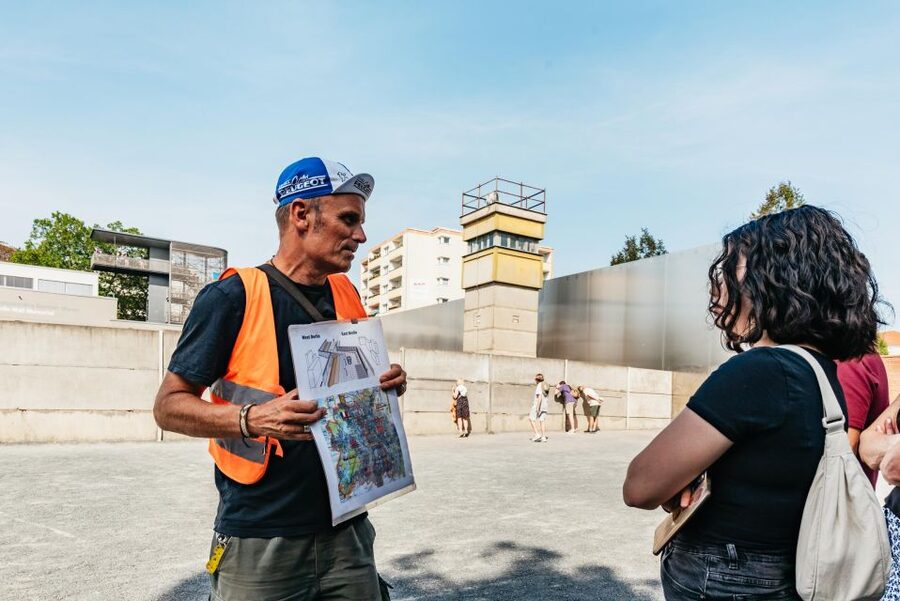
Along the route, you stop at one of the last surviving watchtowers. It is a direct reminder that the Wall was heavily guarded and that crossing it was dangerous. The tower helps you picture the old border from the point of view of the guards, while the nearby stories explain what escape meant for ordinary people.
Your guide may discuss both successful and failed attempts. The subject is serious, but the tour does not treat history as a collection of grim statistics. It focuses on choices, risks, and the different ways people tried to reach the West.
This section is particularly useful if your understanding of the Wall comes mostly from photographs of painted concrete. The famous outer wall was only one part of the system. The wider border included open ground, patrol routes, fences, lighting, and surveillance. Seeing the remaining pieces in different parts of Berlin helps you understand that scale.
The route also lets you compare preserved sections with places where almost nothing remains. That contrast is important. Berlin did not keep the whole border as one continuous monument, so the story is scattered. A guide helps connect the fragments.
Checkpoint Charlie and the symbols of the Cold War
Checkpoint Charlie is one of Berlin’s best-known Cold War sights. It was a crossing used by Allied forces, diplomats, and foreign visitors moving between East and West Berlin. Today, it sits in a busy central area and is surrounded by modern city life.
The guardhouse and checkpoint setting make for a quick photo stop, but the real value comes from the explanation. Your guide puts the crossing into the wider system of divided Berlin and explains why this location became such a powerful symbol of the Cold War.
You should keep your expectations sensible. Checkpoint Charlie is not a preserved border zone in the same way as some sections near Bernauerstraße. It is a famous landmark in a heavily developed part of town. The bicycle tour improves the visit by placing it between less obvious Wall sites, rather than presenting it as the entire story.
The ride between stops also matters. You are not simply being driven from monument to monument. You pass through several districts and see how the former border now fits into a living city. That movement is one of the tour’s best features.
Brandenburg Gate and the wider story of Berlin
The route continues toward Brandenburg Gate, one of Berlin’s great symbols. The gate began as an 18th-century city entrance and later became closely linked with the division of Berlin. During the Cold War, it stood near the Wall and was inaccessible to ordinary residents on both sides.
Today, you can admire its columns and the Quadriga sculpture while hearing how its meaning changed across different periods. It has served as a royal entrance, a political backdrop, a Cold War symbol, and a sign of reunified Berlin.
Brandenburg Gate is a fitting point on the route because it connects the Wall story with the city’s longer history. You are not looking at an isolated Cold War relic. You are seeing a landmark whose meaning changed as Berlin changed.
After this stop, the group rides back to the depot to return the bicycles. The full route is long enough to give you a solid introduction without taking an entire day. A previous rider noted that a rest stop can be included, with time for coffee, food, and restrooms. Still, it is smart to bring water and avoid scheduling another tight activity immediately afterward.
Guides and the quality of the storytelling
The guide can make or break a history tour, and this experience has a strong record in that area. Guides named in past bookings include Paul, Oleg, Anna, Lauren, Almar, James, George, Isabelle, Jacob, Guv, and Alex. The languages offered are English, French, Dutch, and German.
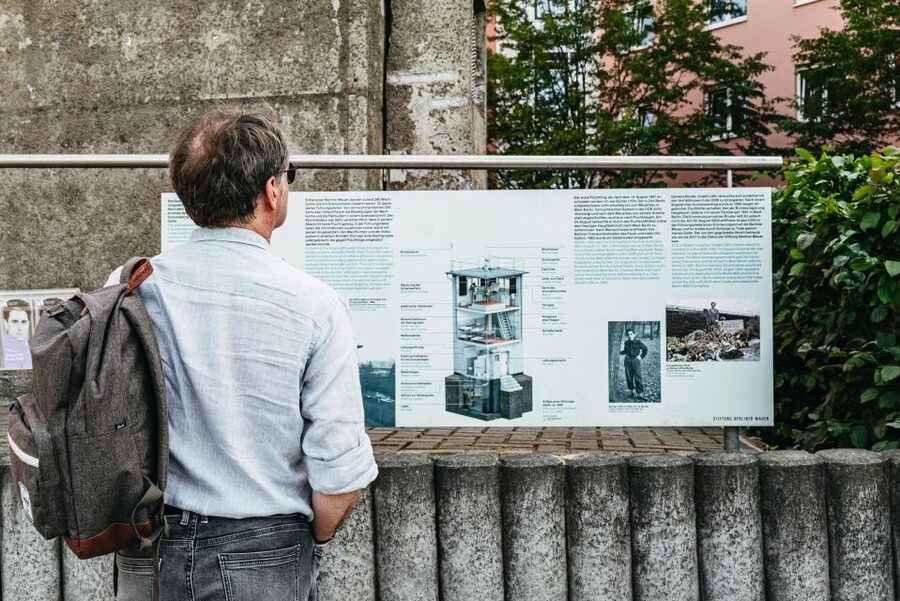
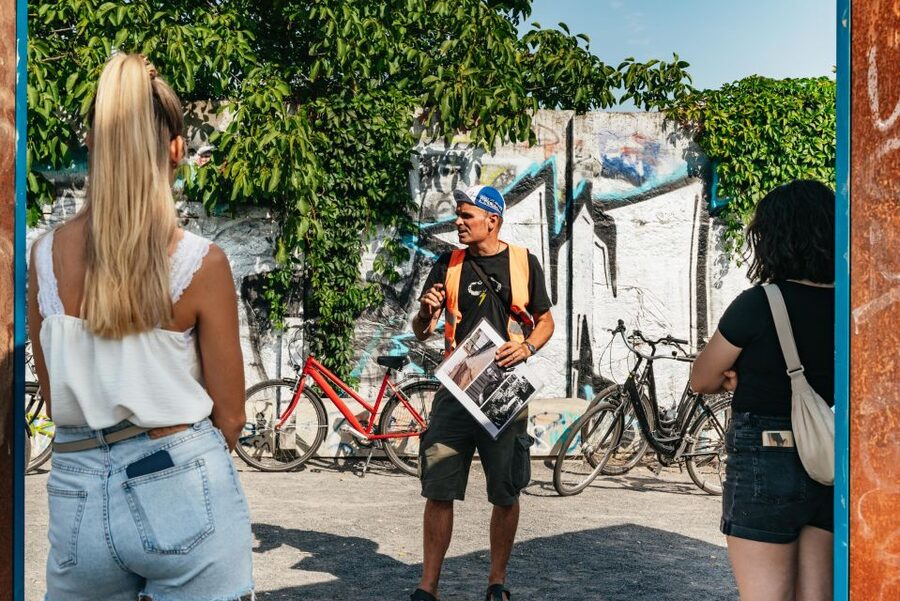
The most praised traits are clear explanations, enthusiasm, patience, humor, and the ability to answer questions. Several guides have used photographs, diagrams, and visual aids to explain how the border looked before and after 1989. That is helpful because much of the physical Wall has disappeared.
The tone also appears adaptable. One guide changed the route to make up for a late start, while another adjusted the program around the group’s interests. You should not assume every guide will follow the exact same script, but that flexibility is useful on a historical tour.
If you have a private group, a private version is available. That may suit families or friends who want more time for questions, a slower pace, or a particular focus on escape stories and daily life. Children under eight are not allowed, and the subject matter is best suited to older children and adults who can manage the cycling distance.
Is $41 a fair price?
At $41 per person, the tour offers good value if you want both transportation and interpretation. You receive a bicycle, a guide, and a route covering several parts of Berlin. Visiting the same sites alone would cost less in direct admission fees because many are outdoors, but you would need to plan the route, find the Wall remains, and research what each place means.
The guide is the main reason to pay for the tour. The Wall sites are spread out, and some of the most important evidence is easy to miss. A three-and-a-half-hour ride also covers more ground than a short walking tour, while keeping the pace manageable.
The trade-off is time and weather. You are committing most of a morning or afternoon to cycling, and rain can affect comfort even though ponchos are available. Sunscreen and trouser clips are provided, and gloves and helmets can be requested, but you should still dress for the forecast.
Free cancellation up to 24 hours before departure and the option to reserve now and pay later make the booking less risky. Starting times vary, so check availability before building the rest of your day around it.
Who should take this bike tour?
I would choose this tour if you want a clear introduction to Berlin’s divided past and prefer seeing several locations in one outing. It suits visitors who like learning through places rather than sitting in a museum for hours.
It is also a good choice if you want to see parts of Berlin beyond the central landmarks. The route reaches Prenzlauer Berg, Mauerpark, Bernauerstraße, Bornholmerstraße, Checkpoint Charlie, and Brandenburg Gate. You get both major symbols and less obvious pieces of the former border.
You may want a different option if cycling for 15 kilometers sounds tiring, if you dislike outdoor activities in uncertain weather, or if you need a fully private and flexible schedule. The pace is relaxed, but the tour is still a bike ride lasting 210 minutes.
Should you book it?
Book this tour if you want the Berlin Wall explained as a connected story rather than a series of photo stops. The route, relaxed pace, and strong guide-led storytelling give you useful context at places such as Bernauerstraße, Bornholmerstraße, and Checkpoint Charlie.
The best reason to go is the combination of distance and detail. You cover a wide slice of Berlin, hear about successful and tragic escape attempts, and finish at Brandenburg Gate with a better sense of how the city’s symbols changed over time.
Skip it if you want a short activity or do not feel comfortable cycling in a city. For most visitors who can handle an easy 15-kilometer ride, $41 is a fair price for a well-organized way to understand one of Berlin’s defining stories.
FAQ
How long is the Berlin Cold War and Berlin Wall bike tour?
The tour lasts 210 minutes, or three and a half hours.
How far will the tour travel?
You will cycle approximately 15 kilometers at a relaxed pace.
What sights are included?
The route includes the Kulturbrauerei, Mauerpark, Bernauerstraße, former border crossings including Bornholmerstraße and Checkpoint Charlie, a surviving watchtower, and Brandenburg Gate.
Where does the tour meet?
You meet at the Berlin on Bike Depot inside the Kulturbrauerei complex in Prenzlauer Berg.
How do I reach the meeting point from Alexanderplatz?
Take the red U2 line toward Pankow and get off at Eberswalder Straße after three stops. Use the exit marked Kulturbrauerei, walk along Danziger Straße, turn onto Knaackstraße, enter the complex, and follow the yellow signs to the bicycle depot.
What languages are available?
Tours are available in English, French, Dutch, and German.
Is a bicycle provided?
Yes. A bicycle is included, and you can choose from a large fleet. Helmets and gloves are available upon request.
What should I bring?
Bring comfortable shoes and comfortable clothing. Sunscreen, trouser clips, and rain ponchos are available as part of the activity.
Can children join the tour?
Children under eight are not permitted to take part.
Can I cancel or pay later?
You can cancel up to 24 hours before departure for a full refund. You can also reserve your place and pay later.
Newest rides we have reviewed in Berlin
- From Berlin: Gardens & Palaces of Potsdam Bike Tour★ 5.0 · 61 reviews
- Berlin: Illuminated Berlin by Bike Taxi★ 4.8 · 162 reviews
- Berlin: Green City Guided Bike Tour★ 4.6 · 29 reviews
- Berlin: Small Group Bike Tour Through City Center★ 4.9 · 64 reviews
- Berlin (E)Bike Tour Historical Highlights in Small groups★ 4.5 · 24 reviews
- Berlin: From East to West & Wall Tour by Bike with a Guide★ 4.8 · 171 reviews
- Berlin: 48-Hour or 72-Hour Bike Rental★ 5.0 · 14 reviews
- Berlin: 3-hour bike tour – A journey through time in the capital★ 4.8 · 24 reviews
Berlin Cycling Tours, compared.
Sights and Highlights Bike Tour with a Local Guide
Read our review →
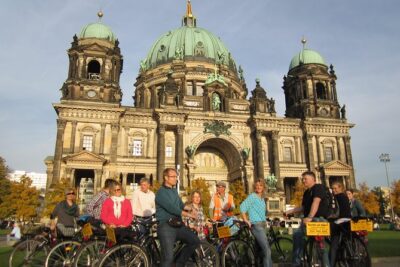
Berlin Highlights Sightseeing Bike Tour in Small Groups
Read our review →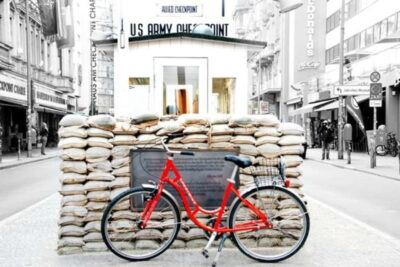
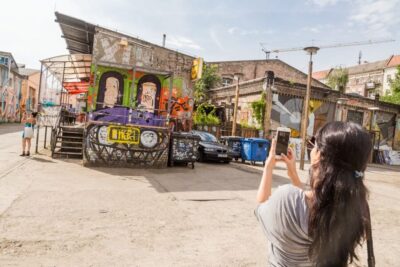
Alternative Bike Tour of Kreuzberg & Friedrichshain
Read our review →
Other lists this ride turns up in