
REVIEW · CITY HIGHLIGHTS BIKE TOURS IN CANADA
Montreal: Downtown and Old Montreal Highlights Bike Tour
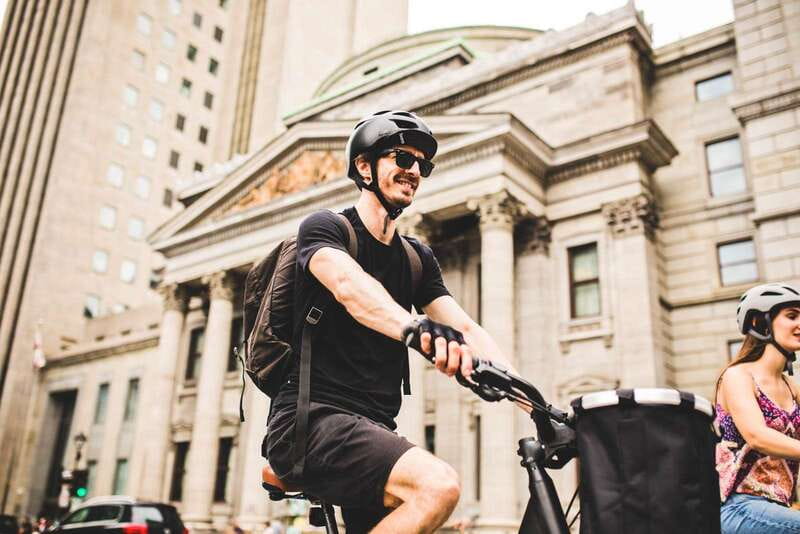
Montreal makes sense from a bicycle. This tour links Old Montreal and the Old Port with quieter streets, parks, laneways, and neighborhoods you could easily miss on foot. I like the relaxed pace and the regular stops, which give you time to hear about First Nations heritage, French and British architecture, and the city’s changing economy.
I also like that the ride covers roughly 15 kilometers without turning into a race. The small group, capped at 10 people, keeps things personal, while guides such as Darren, JF, Rod, and Rene have been praised for making the history lively and helping with later plans. The main consideration is stamina: you will ride for about two hours, and sandals or flip flops are not allowed.
Key points at a glance
- Old Montreal starting point: Meet at 87 Rue de la Commune Est, close to the Old Port and historic core.
- About 15 kilometers by bike: Expect around two hours of riding, mostly on flat bicycle paths.
- A wide city sampler: See Notre Dame Basilica, Place d’Armes, Habitat 67, the Lachine Canal, the Farine Five Roses sign, and the Gay Village.
- Story stops every 15 minutes: Short breaks keep the history from becoming a lecture on wheels.
- Small groups up to 10: You get a more manageable ride and a better chance to ask questions.
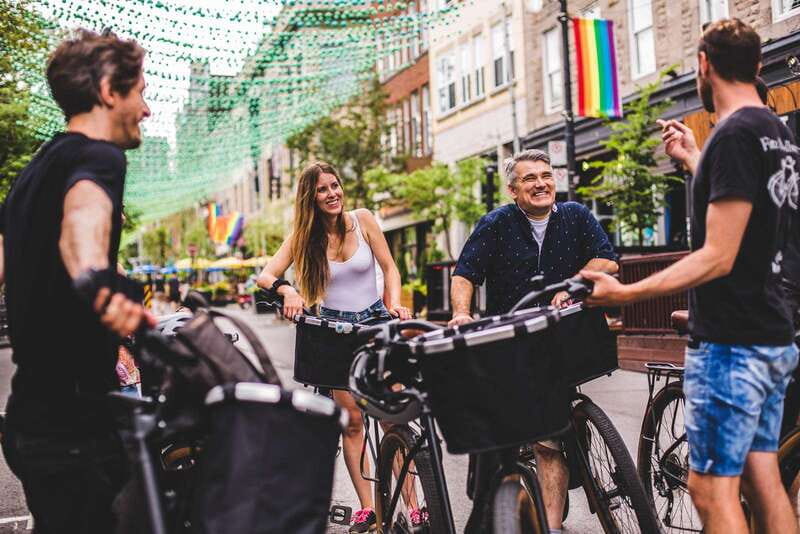
- Useful equipment included: A city bike, helmet, and basket are provided. Bring your own water.
Why a bicycle is the smart way to meet Montreal
Montreal is spread out enough that walking tours often stay in one district. This ride gives you a broader first look without sending you underground or onto a sightseeing bus. You can cover Old Montreal, the waterfront, central public spaces, canals, and several neighborhoods in one three-hour outing.
The bicycle also changes the feel of the city. You move through parks and quiet streets rather than simply crossing major roads between landmarks. You get a sense of how the districts connect, where people spend time, and how old stone buildings sit beside newer urban projects.
The route is designed for an active but manageable afternoon. Most of the riding takes place on bicycle paths that are mostly flat, and the pace is relaxed. You should still be comfortable sitting on a bicycle for about two hours. The tour is intended for participants older than 13, so it is not a fit for younger children.
More City Highlights Bike Tours in Canada
- Montreal eBike Sightseeing Tour
★ 5.0 · 573 reviews - Montreal: E-Bike Sightseeing Tour
★ 4.8 · 365 reviews - Victoria City Highlights Pedal or E-Bike Tour – Hoods & Legends
★ 5.0 · 258 reviews
Starting at 87 Rue de la Commune Est
The meeting point is at 87 Rue de la Commune Est in the heart of Old Montreal. You arrive there, get fitted with a city bike, collect a helmet and basket, and meet the English-speaking guide before setting off.
A basket is a small but useful touch. It gives you somewhere to put a water bottle or a light layer without filling your pockets. Bring water, comfortable riding clothes, and shoes that stay securely on your feet. Sandals and flip flops are not permitted, and a jacket is sensible since weather can change during a three-hour ride.
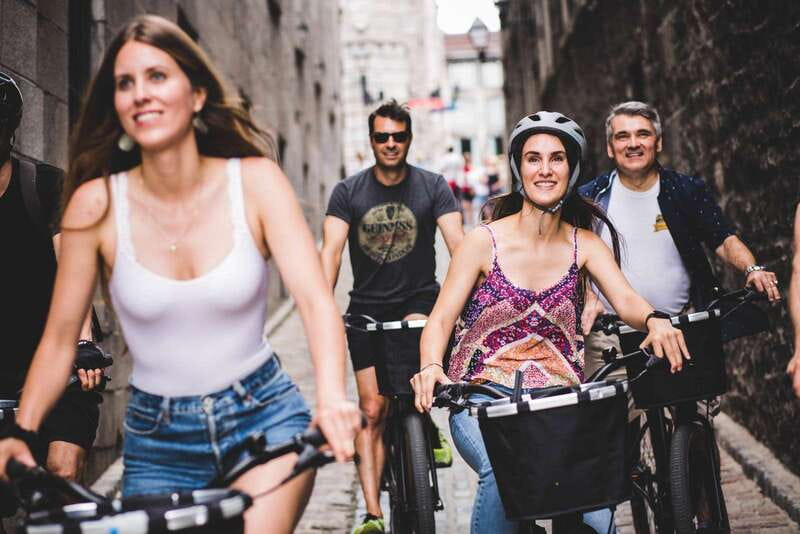
The group limit of 10 matters here. A guide can keep an eye on the whole group more easily, and you are less likely to lose the thread of the commentary at a busy crossing. The exact guide may vary, but the experience has included guides such as Rod, JF, Rene, Darren, Martin, Jeff, Mahar, and Catherine. The strongest pattern is clear: the guide’s personality is a major part of the outing.
Old Montreal and the waterfront first
The historic center gives you the visual opening you expect from Montreal: old streets, stone buildings, major squares, and the waterfront. You will visit Place d’Armes, one of the city’s key historic spaces, and see Notre Dame Basilica.
The value here is not just checking off famous buildings. Your guide explains how Montreal was founded, how First Nations heritage fits into the city’s story, and how French and British architectural influences exist side by side. Those details help you read the streets instead of seeing them as a row of attractive facades.
The Old Port adds another layer. It is not simply a scenic place for photographs. The guide discusses its economic impact and how the waterfront has shaped Montreal’s growth. That context makes the area more useful as an introduction to the city’s past and present.
You will stop often, roughly every 15 minutes, for stories and explanations. That rhythm suits a bicycle tour. You are not expected to pedal while trying to remember dates, and the short pauses break up the physical effort.
Place des Festivals and Montreal’s public life

The route also reaches Place des Festivals, an important downtown gathering space associated with the city’s cultural life. This is one of the stops that shows why Montreal is known for creativity, food, and public events.
A city square can seem empty of meaning if you visit without context. The guide helps connect the open space to Montreal’s identity as a cultural center. You get a better sense of how public areas are used, not just how they look in a photograph.
The tour’s mix of major sights and ordinary streets is useful here. You are not spending three hours at the most polished points only. You keep moving between well-known places and quieter sections, which gives you a more grounded look at daily life.
Same roads, a different saddle:
- The Grand Bicycle Tour by Cycle City Tours
★ 5.0 · 1,827 reviews - Epic Electric Bike Tour by Cycle City Tours
★ 5.0 · 848 reviews - The Stanley Park Bicycle Tour by Cycle City Tours
★ 5.0 · 785 reviews - Vancouver: Guided Bike Tour
★ 4.9 · 435 reviews
Habitat 67 and the city’s modern side
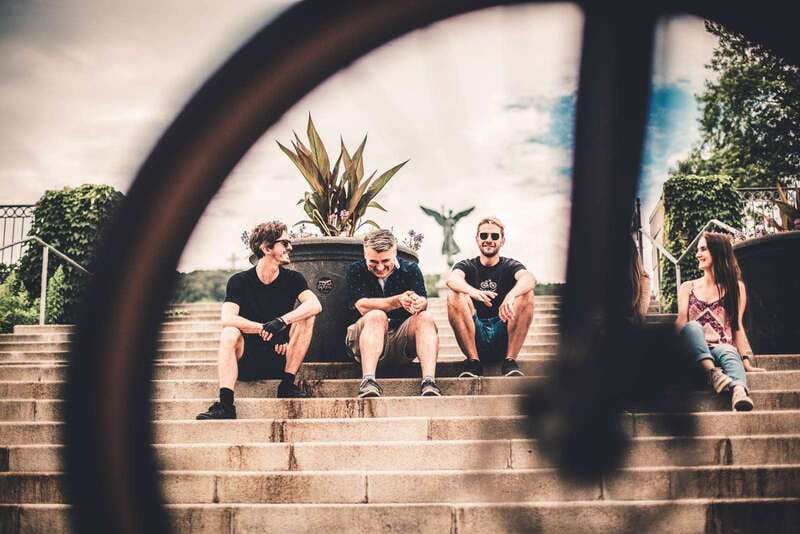
Habitat 67 brings a sharp change from the old stone streets. The landmark is one of Montreal’s best-known examples of modern architecture, and it helps show that the city’s story did not stop with its colonial buildings.
This contrast is one of the tour’s strengths. You see the city as a place where old and new sit close together, rather than as a historic district with a modern downtown attached. The guide places the architecture in a wider story about Montreal’s development and future.
The stop also makes the route feel broader than a standard Old Montreal outing. If you only want historic churches and squares, this tour may cover more ground than you need. If you want to understand how Montreal keeps changing, Habitat 67 earns its place.
The Lachine Canal and the Farine Five Roses sign

The Lachine Canal gives the ride a different mood. Its paths are part of the city’s cycling network and help explain how former industrial areas have become part of Montreal’s modern urban life.
The canal is especially welcome because it offers a change from dense streets and formal squares. You get a more open ride and a chance to settle into the bicycle. Since much of the route uses flat paths, this section should feel accessible to most riders who are comfortable with the distance.
The Farine Five Roses sign adds an industrial detail with a strong visual identity. It is the sort of landmark you might notice from a distance without knowing why it matters. Including it helps connect the city’s food culture and working past with the polished historic center.
Food is part of the commentary throughout the outing, though this is not a food tour. You will not be given a meal as part of the price. The benefit is local guidance: guides can point you toward places to eat after the ride, and one guide recommended a nearby lunch spot close to the starting point.
The Gay Village and quieter Montreal
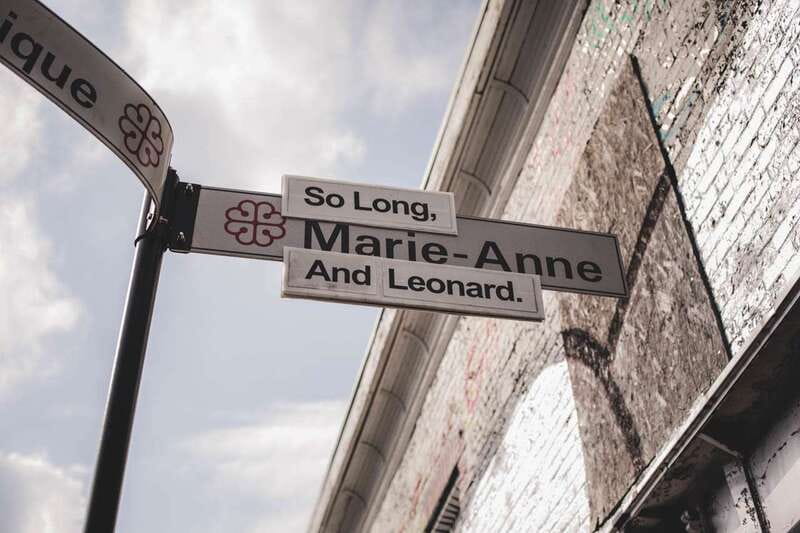
The route includes the Gay Village, along with parks, quiet streets, and laneways. This is where the tour moves beyond the postcard version of Montreal.
You get a look at a neighborhood with its own identity, rather than seeing only the city’s oldest buildings and biggest attractions. The guide’s stories and anecdotes help explain local culture in a way a map cannot. Several guides have been praised for sharing places that participants would not have found alone.
The quieter streets are also a practical part of the ride. Cycling them lets you see how Montreal feels away from the central sights. You may find that these sections are more memorable than the formal stops because they show the scale and rhythm of the city.
The route does not promise a completely traffic-free ride. Any urban bicycle tour requires attention, and you should follow your guide’s direction. Still, the available information points to a route designed around bicycle paths and manageable streets, and safety has been a repeated strength of the experience.
Two hours of riding, with breaks that matter
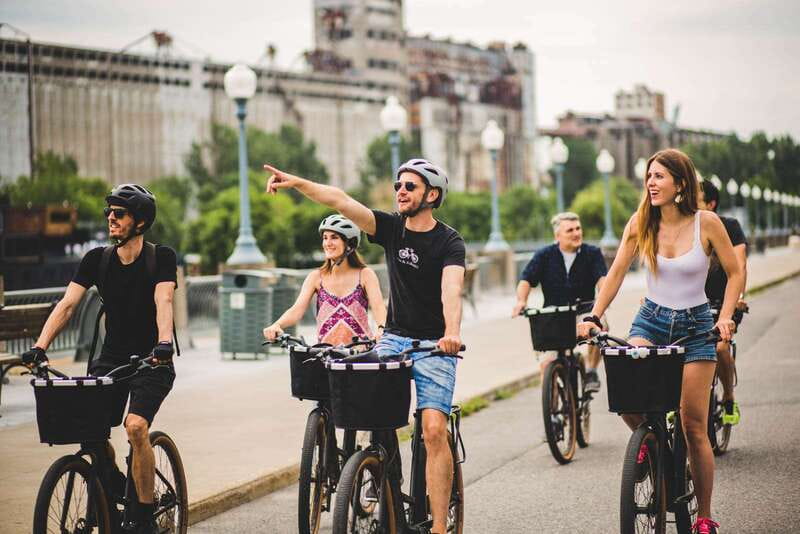
The three-hour duration includes about two hours on the bicycle, four or five short information breaks, and one longer break of about 30 minutes. This is an important distinction when deciding if the tour suits you.
You are not pedaling continuously for three hours. The short stops give you time to listen, take photographs, and catch your breath. The longer break makes the outing less demanding than the distance might first suggest.
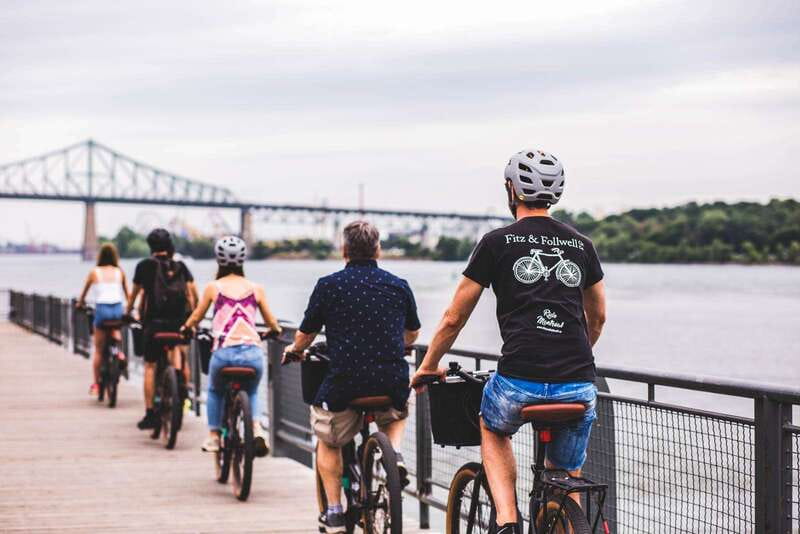
Even so, the ride is not a token bicycle loop. Ten miles, or about 15 kilometers, is a real city ride. Wear comfortable clothes and proper shoes, and bring water. A jacket is useful, especially if you are riding near the water or joining in cooler weather.
The flat route helps, but fitness still matters more than hill climbing. If you cycle occasionally and can manage a relaxed two-hour ride with pauses, this should be a reasonable introduction. If you rarely ride a bike, the distance may feel tiring by the final section.
The guides make the history stick
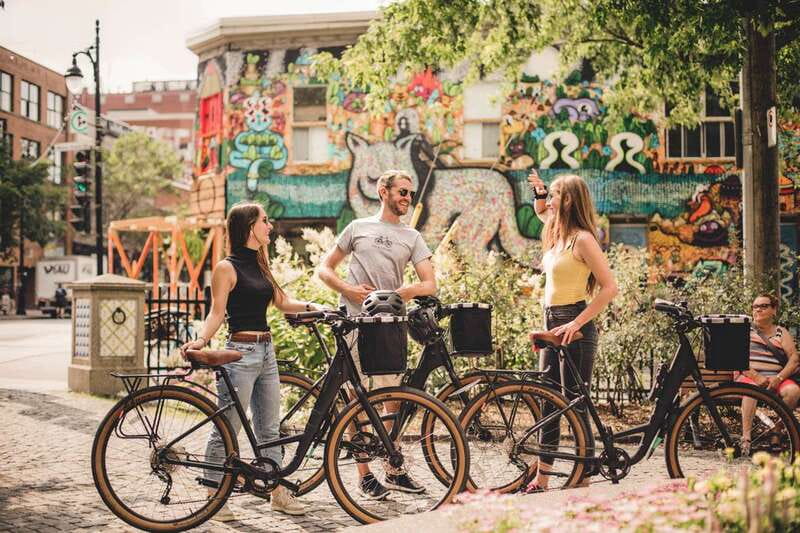
The guide is not just there to lead the route. Stories are shared throughout the ride, with attention to Montreal’s founding, First Nations heritage, architecture, economics, public life, and food culture.
Darren was praised for making Montreal’s culture, history, and economy interesting while helping a family group feel safe. JF was described as passionate about the city, while Rod offered ideas for later sightseeing and places to eat. Rene was noted for being informative and helpful.
Martin, Jeff, Mahar, and Catherine have also led the experience, with Catherine remembered for making the ride fun and offering strong support alongside a mechanic. These names do not guarantee who will guide your departure, but they show the range of personalities involved.
I would book this early in your stay if you can. The practical payoff is high: you get an overview of the city, then receive suggestions for what to explore on foot or where to eat over the next few days. It is a good way to get your bearings fast without flattening Montreal into a list of attractions.
What the $87 price gets you
At $87 per person, the tour is not the cheapest way to see Montreal. You could rent a bicycle separately and follow a route on your own for less, depending on rental rates. The difference is that this price includes the bike, helmet, basket, guide, route planning, safety leadership, and three hours of interpretation.
The value is strongest if you want context. A self-guided ride can show you the Old Port, canal, and major districts, but it will not explain the city’s founding, its French and British influences, the role of the waterfront, or the meaning behind less obvious landmarks.
The small group improves the value too. With up to 10 participants, the guide can keep the pace steady and answer questions without managing a large crowd. You are paying for access to a person who can adapt the experience and offer useful ideas for the rest of your visit.
The price is less compelling if you already know Montreal well, have your own bicycle, or prefer to stop for long periods at each sight. This is a moving overview, not a slow architectural study.
Who should book this bike tour?
I would choose this for a first or second day in Montreal, especially if you like seeing a city actively rather than from a vehicle. It suits adults and participants over 13 who are comfortable with a 15-kilometer ride and want a broad introduction.
It is also a good match for families with older teenagers, couples, and small groups of friends. The relaxed pace and regular breaks keep it social, and the guides appear comfortable making the ride entertaining as well as informative.
You may want a different activity if you need a fully accessible option, dislike cycling, or want a tour conducted in a language other than English. The supplied details specify an English-speaking guide, and the ride requires participants to use bicycles for much of the three-hour period.
Free cancellation is available up to 24 hours before the tour for a full refund, and you can reserve now and pay later. Those policies are useful if your Montreal plans are still shifting, but the more important decision is physical: make sure a two-hour ride suits you.
Should you book the Downtown and Old Montreal Highlights Bike Tour?
Book it if you want a lively city orientation, a manageable ride, and more than the standard Old Montreal circuit. The route covers historic landmarks, modern architecture, waterfront paths, public spaces, local neighborhoods, and quiet lanes in one outing.
The best reasons to choose it are the small group, the flat bicycle paths, the regular story stops, and the chance to ask for practical advice about the rest of your visit. The main caution is the distance. This is relaxed, but it is still a substantial ride.
Bring water, wear proper shoes, and schedule it early in your stay. If you do, the tour can give you both a useful map of Montreal and a clearer idea of where you want to return on foot.
FAQ
Where does the bike tour meet?
The meeting point is 87 Rue de la Commune Est in the heart of Old Montreal.
How long does the tour last?
The tour lasts three hours. About two hours are spent riding, with four or five short information stops and one longer break of about 30 minutes.
How far will I ride?
The approximate riding distance is 10 miles, or 15 kilometers.
Is the route difficult?
Most of the ride uses bicycle paths that are mostly flat and suitable for all riders. You should still be comfortable cycling for about two hours.
What is included in the price?
The tour includes a local guide, bicycle, helmet, and basket. Hotel pickup is not included.
What should I bring and wear?
Bring water and wear comfortable clothing and proper riding shoes. Sandals and flip flops are not allowed, and a jacket can be useful.
Is the tour available in languages other than English?
The tour is conducted in English. It is for participants over the age of 13, and the group is limited to 10 people.
Newest rides we have reviewed in Canada
- Kelowna: Wine Tasting by E-bike, Smartphone Guide & Lunch★ 4.8 · 30 reviews
- Kelowna: E-Bike Guided Wine Tour with Lunch & Tastings★ 4.9 · 15 reviews
- Kelowna: E-Bike Rental with In-App Navigation Guide★ 5.0 · 22 reviews
- Quebec City – Tandem Bike Rental on Ile d’Orléans★ 4.8 · 13 reviews
- E-bike through Toronto’s Dynamic Neighbourhoods★ 4.6 · 12 reviews
- Calgary: City Bike Tour, Highlights and Bow River★ 4.8 · 94 reviews
- Bike/E-bike tour Plateau,MileEnd, Jean-Talon Market by Fitz★ 4.5 · 33 reviews
- Quebec City – Regular Bike Rental on Ile d’Orléans★ 4.6 · 52 reviews
City Highlights Bike Tours, compared.
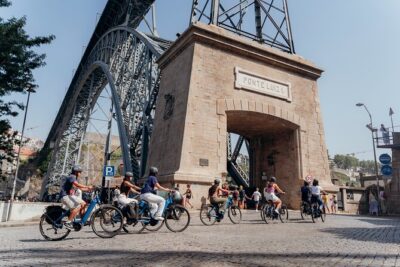
3-Hour Porto Highlights on a Electric Bike Guided Tour
Read our review →
City Highlights 3-Hour Guided Electric Bike Tour
Read our review →
Highlights & Hidden Spots of Barcelona Bike Tour w/ Local Guide
Read our review →
Sights and Highlights Bike Tour with a Local Guide
Read our review →
Highlights 3 Hour Bike Tour with a Local Guide
Read our review →
Other lists this ride turns up in