
REVIEW · SOUTH AFRICA
Soweto: Bike Tour with a Local Tour Guide
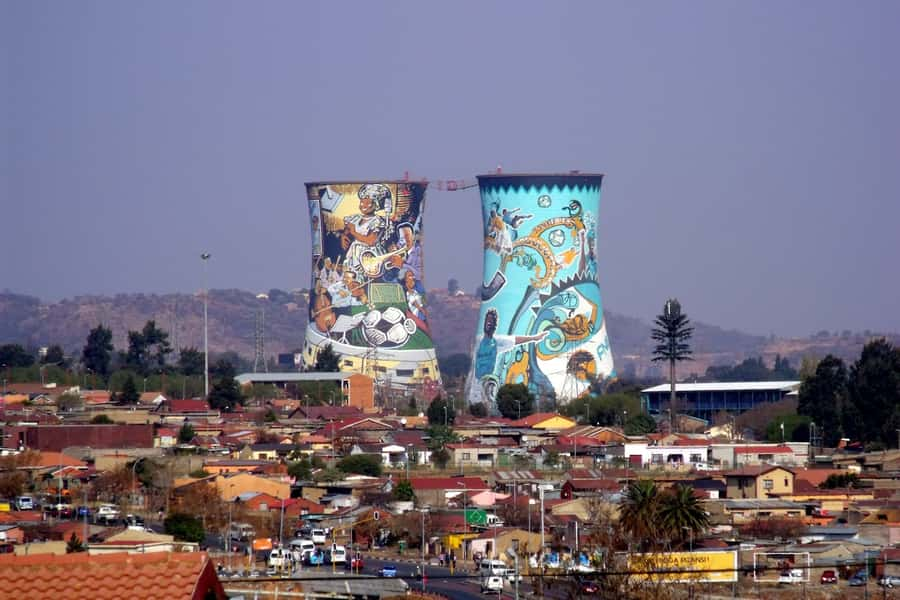
Soweto’s story comes into sharp focus on two wheels. This two-hour bike tour takes you through Orlando West, past the homes of Nelson Mandela and Archbishop Desmond Tutu, and to the Hector Pieterson Memorial, where you learn what happened during the student uprising of June 16, 1976.
I like the direct contact with daily life, especially the chance to speak with locals and support small businesses along the way. I also like the small-group format, limited to 10 people, and guides such as Pule, who are praised for clear explanations and well-planned rides.
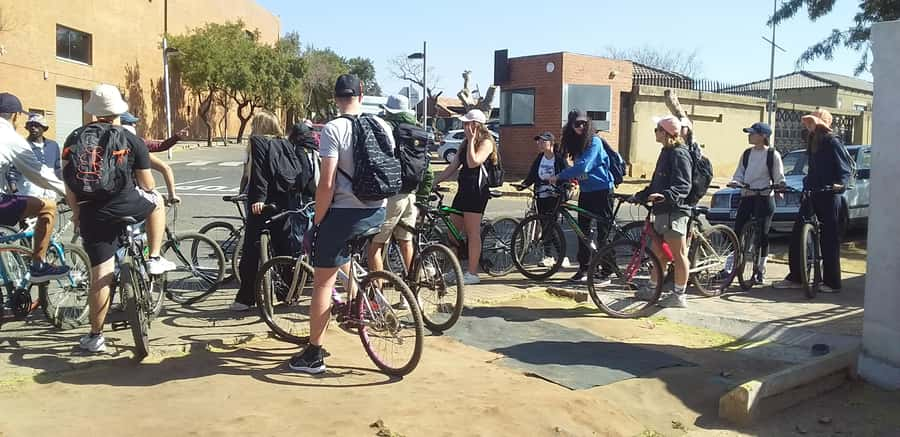
The main drawback is the bikes. Some riders found them in less-than-perfect condition, so this is not a polished cycling excursion with high-end equipment. You must already be able to ride a bicycle, and comfortable clothes, sunscreen, and a hat will make the outing easier.
Key points to know before you ride
- The Hector Pieterson Memorial anchors the tour: You learn about the 1976 student uprising and Hector Pieterson, whose death became a symbol of the struggle against apartheid.
- Vilakazi Street brings several major stories together: You cycle along the famous street associated with Nelson Mandela and Archbishop Desmond Tutu.
- Pule is a guide name worth noting: He is praised for detailed explanations, careful planning, and a friendly approach.
- The ride stays small: Groups are limited to 10 people, making local conversation easier than on a large bus tour.
- You pay $34 per person: That covers the bicycle, helmet, and English-speaking guide, but not museum entry, food, drinks, or the Orlando Towers bungee jump.
- The bikes may be basic: The ride is about access and local contact, not premium cycling gear.
Why a bike is a good way to see Soweto
Soweto is too important to reduce to a quick photo stop. A bike gives you a slower view of the township and lets you move between well-known places without sitting behind a vehicle window.
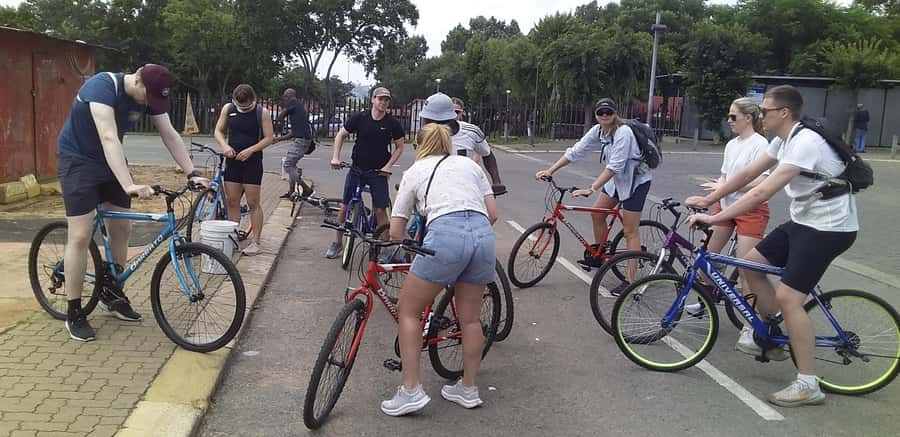
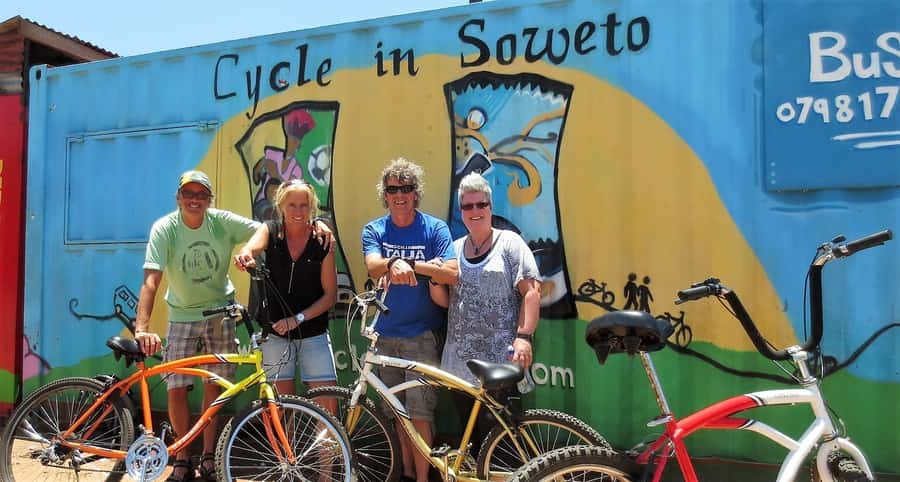
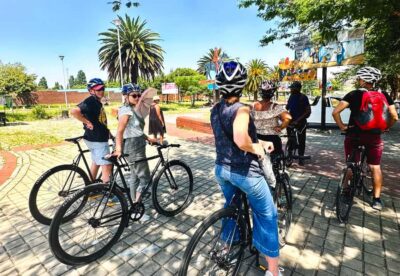
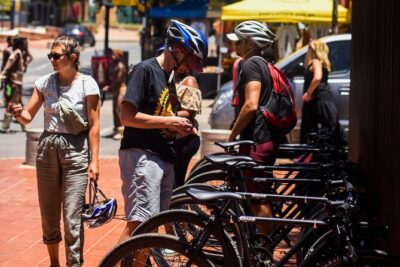
The route begins at the Cycle in Soweto shop, located behind the Hector Pieterson Museum and next to the bus parking area. You meet the guide there, collect a bicycle and helmet, and set off through Orlando West. The ride includes a little exercise, but the stated duration is only two hours, so it is manageable for most people who are comfortable on a bike.
I like the scale of this outing. A group of up to 10 people is large enough to feel social but small enough for the guide to explain what you are seeing. One especially useful detail from the feedback is that a second guide sometimes rides at the back of the group. That extra person can help keep the group together, although the arrangement may depend on the day.
You should not expect a long-distance cycling workout. The point is to connect places, stories, and people. The bicycle is simply the tool that gets you closer to the township than a fast drive-by tour would.
More Guided Rides in South Africa:
- Soweto: Guided Bicycle Tour with Lunch
★ 4.9 · 292 reviews - Cape Town: Guided Bike Tour
★ 4.9 · 193 reviews - Guided Bicycle Tour of Soweto with Lunch
★ 5.0 · 180 reviews
Orlando West and the first look at daily life
The ride takes place in Orlando West, one of the best-known parts of Soweto. Here, the focus is not only on famous names. You also get a chance to see how ordinary life continues around the historic sites.
That balance matters. A tour built only around political landmarks can feel like a history lesson with a few photographs attached. This ride adds local contact, so you can see the area as a lived-in community rather than a row of memorials.
Your guide may point out features that are easy to miss when you are on your own. The supplied information does not promise a fixed list of local interactions, so keep your expectations sensible. You will have the opportunity to meet locals and support small businesses, but the exact conversations and stops can vary.
You can bring small change or items you would like to donate. That is best treated as an option, not an obligation. If you want to contribute, ask the guide what is useful and appropriate rather than handing out random items.
Hector Pieterson and June 16, 1976
The Hector Pieterson Memorial is the emotional center of the ride. This is where the guide explains the events of June 16, 1976, when students protested and police shot Hector Pieterson.
The story is not presented as a distant date in a textbook. The memorial gives the event a human focus. You learn about Hector’s death and the student uprising that followed, helping you understand why this location carries such weight in South Africa.
The tour includes a visit to the memorial, but museum entrance fees are not included. That distinction matters. Your cycling tour fee covers the guide, bicycle, and helmet, while any separate museum admission must be paid on site. If you want to spend extra time inside a museum, check the available time with the guide because the tour itself lasts two hours.
I appreciate that the ride places this history within the neighborhood where the events unfolded. You are not simply handed a short explanation and sent back to a coach. You travel through the area and connect the memorial to the surrounding streets.
This can be a serious stop, and rightly so. The experience is not designed as light entertainment from beginning to end. You should come ready to listen, ask respectful questions, and allow the subject matter to set the tone.
Vilakazi Street and two famous homes
The route includes Vilakazi Street, described as the most famous street on the African continent. Its importance comes from the people connected to it, including Nelson Mandela and Archbishop Desmond Tutu.
You see the homes associated with both men. These stops help show how one street became linked with two major figures in South African public life. The value is not only in taking a photograph. Your guide can connect the street to the wider story of Soweto and explain why these homes matter.
Do not assume that the tour price includes entry to every museum or house. The inclusions list covers the bicycle, helmet, and English-speaking guide. Museum fees are specifically excluded, so ask before entering any paid site.
Vilakazi Street also makes a good point about the tour’s style. The ride mixes major landmarks with the ordinary setting around them. You are not visiting an isolated monument. You are cycling along a real street where tourism and local life share the same space.
That can feel more personal than a standard sightseeing route, but it also means you should behave with care. Listen to the guide about photography and interactions. The aim is to meet people respectfully, not to treat the neighborhood as a stage.
More Cycling Trips in South Africa:
- Stellenbosch: Historical Bike Tour & Wine Tasting
★ 4.9 · 248 reviews - Cape Town City Cycling Tour
★ 5.0 · 199 reviews - Franschhoek: E-Bike Guided Winery Tour
★ 4.6 · 96 reviews - Stellenbosch: Wine Farm E-Bike Guided Tour
★ 4.6 · 88 reviews
Orlando Stadium and the wider Soweto story
Orlando Stadium is another named stop on the route. The stadium adds a different side of Soweto to the memorials and political landmarks.
The supplied details do not specify how long you stop there or whether you enter, so plan to view it as part of the cycling route rather than as a full stadium tour. That is still useful. It broadens the experience beyond the 1976 uprising and famous homes, showing another important part of local public life.
The route also offers a chance to see different parts of Soweto. One recent rider singled out the contrast between neighborhoods and the stories told by the guide. That is one of the better reasons to choose this tour over a simple transfer between landmarks.
Because the whole ride lasts two hours, the itinerary must move at a steady pace. You will receive an introduction to several locations, not an exhaustive tour of each one. If you want long museum visits, extended shopping, or a detailed study of every neighborhood, you will need more time elsewhere.
Meeting Pule and the quality of the guiding
Several pieces of feedback specifically praise a guide named Pule. One person called the tour very informative and well planned. Another highlighted the detail provided by the guide, while other comments thanked Pule for making the outing interesting and pleasant.
That praise points to the most important part of this activity: the guide. The landmarks are worthwhile, but their meaning depends on how they are explained. A local guide can connect a street corner, a house, and a memorial in a way that a map cannot.
The guide language is English. If you want a departure time different from the listed options, you are asked to request it in advance. That gives you some flexibility, but it is not a guarantee, so make the request before you arrive.
You may see the guide’s name written as Pule or Puli in informal feedback. The clearest recurring name is Pule. The important practical point is that the quality of the outing depends on the guide leading your particular departure.
The tour is small, with no more than 10 participants. That helps when you have questions, especially at the Hector Pieterson Memorial or along Vilakazi Street. It also makes it easier to stay connected with the group while cycling.
The bicycles, helmets, and effort involved
A bicycle and helmet are included. You must be at least 8 years old and able to ride a bicycle, so the activity is open to families with older children who can manage the ride.
The equipment deserves an honest note. One rider said the bicycles were in poor condition, and another commented that bike maintenance needed attention. That does not mean every bicycle will be problematic, but you should expect practical, basic equipment rather than a carefully fitted rental bike.
Before setting off, check that the seat feels comfortable and that the brakes work properly. If something does not feel right, tell the guide immediately. This is simple advice, but it matters more here than on a short ride around a hotel complex.
Wear comfortable clothing. Bring sunscreen and a hat, and consider carrying water even though food and drink are not included. The information provided does not specify a water stop, so do not count on refreshments being supplied.
The physical demand should be modest because the tour lasts only two hours, but this is still a cycling activity. If you rarely ride a bike, have balance problems, or are hoping for a fully passive sightseeing tour, choose another way to see Soweto.
What $34 gets you
At $34 per person, the price is reasonable if you want a guide-led introduction that combines history, local life, and light exercise. You receive the bicycle, helmet, and English-speaking guide, with a small group capped at 10 people.
The value is strongest for first-time visitors who want context rather than transport alone. In two hours, you can reach several important sites and hear the story behind them without booking a full-day tour.
The price is less complete than it may first appear. Museum entry is extra, and food, drinks, and the Orlando Towers bungee jump are not included. If you add those activities, your total cost will rise.
Still, the ride avoids the cost and environmental impact of a motor vehicle for this part of your sightseeing. The eco-friendly angle is modest but real: you use a bicycle, travel at street level, and spend money with local small businesses if you choose to stop and buy something.
You can also reserve now and pay later, with free cancellation up to 24 hours before the activity for a full refund. Those terms are useful if your schedule is still changing, but the main value decision is simpler: you are paying for local guiding and access to several important sites, not for a luxury vehicle or a long list of included extras.
Who should book this Soweto ride

I would choose this tour if you want a compact introduction to Soweto with a strong historical focus. It suits people who like moving through a place rather than sitting in a vehicle, and it works well for anyone curious about the connection between local streets and national history.
Families can consider it for children aged 8 and older who ride confidently. The Hector Pieterson story is serious, so parents should decide if the subject fits their children before booking.
This is also a good match for visitors who want direct contact with a local guide. The small group gives you a better chance to ask questions than a large coach group would.
I would be more cautious if you need excellent rental equipment, dislike cycling, or want lengthy museum visits. The bikes may be basic, the timing is short, and extra admissions are not part of the $34 price.
Should you book the Cycle in Soweto bike tour?
Book it if you want an active, two-hour introduction to Soweto that combines the Hector Pieterson Memorial, Vilakazi Street, Orlando Stadium, and the former homes of Mandela and Tutu. The strongest parts are the local guide, the small group, and the chance to see daily life between the major landmarks.
Go in with practical expectations. Inspect the bicycle, wear sun protection, and budget separately for museum admission, food, and drinks. If you can accept basic equipment and a serious history lesson alongside the cycling, this is a useful and fairly priced way to meet Soweto at street level.
FAQ
How long does the Soweto bike tour last?
The tour lasts two hours.
How much does the tour cost?
The listed price is $34 per person.
What is included in the price?
The price includes a bicycle, a helmet, and an English-speaking guide.
Where do I meet the guide?
Meet at the Cycle in Soweto shop behind the Hector Pieterson Museum, next to the bus parking area.
What language is the tour conducted in?
The live tour guide speaks English.
What places does the bike tour visit?
The route includes Orlando West, Vilakazi Street, Orlando Stadium, the Hector Pieterson Memorial, Nelson Mandela’s home, and Archbishop Desmond Tutu’s home.
Is there a minimum age?
Yes. Participants must be at least 8 years old and able to ride a bicycle.
Are museum tickets, food, and drinks included?
No. Museum entrance fees, food, and drinks are not included. The Orlando Towers bungee jump is also separate.
Newest rides we have reviewed in South Africa
- bicycle tour soweto★ 4.5 · 20 reviews
- Guided Bicycle Tour of Soweto with Lunch★ 5.0 · 180 reviews
- Cycling The Cradle of Humankind in Game Reserve★ 5.0 · 18 reviews
- Franschhoek Sip & Cycle Experience Full Day – Private Tour★ 5.0 · 14 reviews
- Franschhoek Cycle Experience Half Day – Private Tour★ 5.0 · 12 reviews
- Franschhoek Winelands Luxury EBike Tour★ 5.0 · 18 reviews
- Cape Town City and Woodstock Bicycle Tour★ 4.5 · 15 reviews
- Bicycle Township Tour in Cape Town★ 5.0 · 43 reviews
South Africa Cycling Tours, compared.
Stellenbosch: Historical Bike Tour & Wine Tasting
Read our review →
Other lists this ride turns up in