
REVIEW · NORWAY
Oslo: Winter Highlights 3-Hour Bike Tour
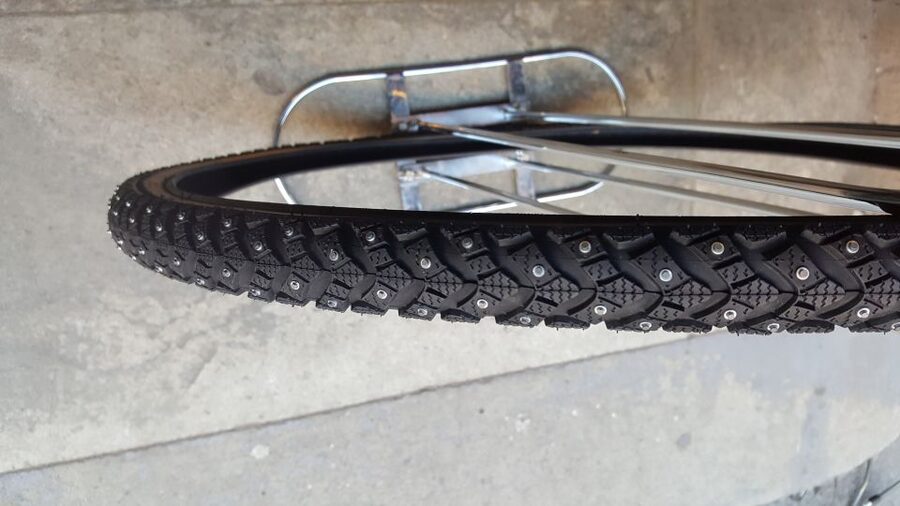
Oslo’s winter streets look different from a bicycle, especially when your bike has spiked tires made for snow and ice. This three-hour ride links the Opera House, Aker Brygge, City Hall, Karl Johans Gate, and other central sights without asking you to spend the day on foot. The mostly flat route is friendly enough for a confident rider, though a few short, steep hills and a brisk pace require care.
I like the practical route and the chance to see several parts of central Oslo in one morning. I also like that the tour leaves room for weather-based choices, with indoor stops such as City Hall, Mathallen, or Vippai when you need warmth.
The catch is simple: this is a winter bike tour, not a gentle sightseeing ride. You need warm clothing, steady bike skills, and a willingness to ride in rain, snow, or near-freezing weather. One rider found the pace a bit quick, so speak up if you need the group to slow down.
Key points to know before booking
- Spiked tires make winter riding possible: The provided tires are designed for snowy and icy streets, but you still need good balance and confidence.
- The route covers Oslo’s central highlights: Expect some combination of Aker Brygge, Tjuvholmen, the Opera House, City Hall, Mathallen, the riverside, and Karl Johans Gate.
- The itinerary changes with conditions: Weather and season determine which sights and indoor stops fit best.
- The 10 a.m. departure is useful: You get a full morning outing, with the rest of the day free for museums, shopping, or a second look at favorite sights.
- Guides add local context: Patrick, Josh, Niamh, and Naimha are among the guides associated with the experience, and the commentary covers Oslo’s past, politics, culture, and daily life.
- You must be an experienced rider: Children under 13 cannot join, and short steep hills are part of the route.
Why winter cycling works well in Oslo
At $62 per person, this tour costs more than simply walking Karl Johans Gate or taking public transport between sights. You are paying for three hours of guiding, a quality hybrid bike, a helmet, winter tires, and a route that joins places spread across the city center.
I see the value in the amount of ground you can cover. Oslo is compact by capital-city standards, but its waterfront, fortress area, shopping street, food halls, and riverside paths are not all next door to one another. A bike lets you connect them without repeatedly checking tram routes or retracing your steps.
The experience also gives you a useful first look at Oslo. You can get a sense of how the port, civic center, shopping district, modern architecture, and alternative cultural areas fit together. Afterward, you can return to the places that caught your attention.
Still, the price only makes sense if you want to cycle. If cold weather puts you off, or if you prefer a slow walk with frequent indoor breaks, you may get better value from separate visits to the city’s sights.
More City Highlights Bike Tours in Norway:
- Oslo: 3-Hour Highlights Bike Tour
★ 4.8 · 1,609 reviews - Oslo Highlights Bike Tour
★ 5.0 · 979 reviews - From Tromsø: Tromsø Highlights & History Tour With E-Bike
★ 4.7 · 14 reviews
Meeting at Nedre Slottsgate 4J
The shop at Nedre Slottsgate 4J sits in central Oslo, between Karl Johans Gate and Akershus Fortress. It is about a five to ten-minute walk from Oslo Central Station, City Hall, and many central hotels, so you should not need a taxi or a long connection to reach the start.
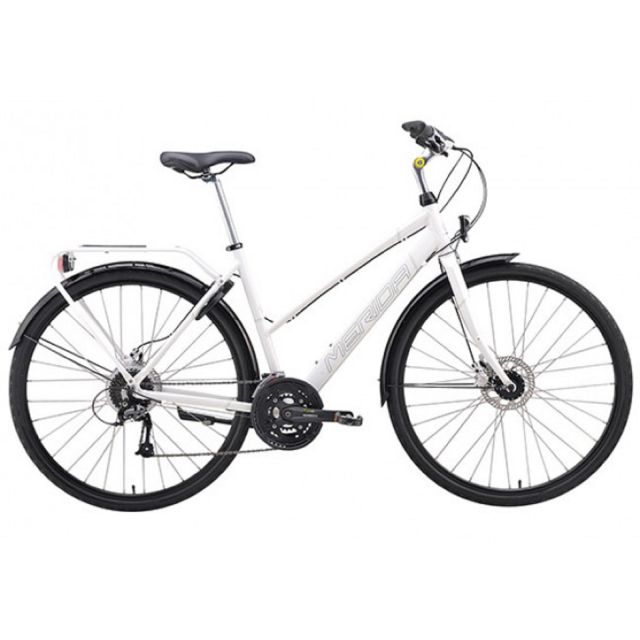
The 10 a.m. departure gives you a clear schedule. Arrive ready to ride rather than treating the meeting point as a place to sort out your winter clothing. The tour provides a comfort hybrid bike, helmet, pant clips when needed, and gloves when needed.
Bring warm clothes. Water, snacks, and ponchos are not included, though you can buy them at the shop. Since the tour runs in rain and snow, a small layer plan is sensible: warm base clothing, a weatherproof outer layer, and footwear that can handle cold streets.
The company offers free cancellation up to 24 hours before departure and a reserve-now, pay-later option. Those policies are useful in winter, when a weather forecast can change your plans.
Aker Brygge and Tjuvholmen: Oslo’s polished waterfront
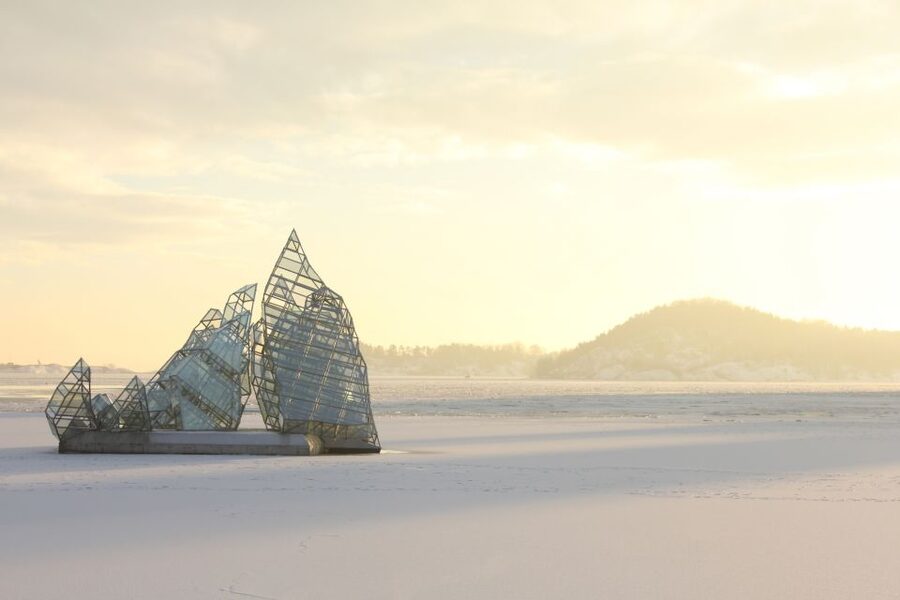
The ride often heads toward Aker Brygge and Tjuvholmen, two of Oslo’s best areas for modern architecture, restaurants, and port views. This section gives you a strong contrast with the older fortress and civic buildings near the meeting point.
Aker Brygge is a good place to see how Oslo has reused former harbor space for public life, dining, and contemporary buildings. Tjuvholmen continues that modern feel, with striking structures near the water and a more design-focused atmosphere.
On a bike, you can cover the waterfront without making it a long walking detour. You also have time to stop for photos, which matters in winter when low light, snow, and reflections can change the appearance of the harbor.
The downside is exposure. Waterfront areas can feel colder than sheltered city streets, especially when the air moves off the fjord. Keep your gloves on and do not count on this section as a warm-up.
The Opera House, inside and out
The Oslo Opera House is one of the tour’s strongest stops. Its pale, angular form rises from the harbor, and its sloping roof invites people to walk across the building rather than simply view it from the street.
You have time to explore inside and outside, rather than stopping only long enough for a photograph. That makes the building easier to appreciate as part of Oslo’s modern civic design, not just as a landmark on a sightseeing checklist.
This is also a useful pause in the ride. You can take pictures, listen to the guide, and regain feeling in your fingers before continuing. The precise amount of time at each stop depends on the group, weather, and route for that day.
If you want a long, quiet visit inside the Opera House, this tour may feel too brief. The stop is part of a wider city ride, not a dedicated performance venue visit. Think of it as a well-placed introduction.
More Three-Hour Experiences in Norway:
- 3-Hour Porto Highlights on a Electric Bike Guided Tour
★ 5.0 · 4,392 reviews - 3-hour Complete Prague Bike Tour
★ 5.0 · 3,674 reviews - Porto: City Highlights 3-Hour Guided Electric Bike Tour
★ 4.8 · 3,092 reviews - Copenhagen: Highlights 3 Hour Bike Tour with a Local Guide
★ 4.8 · 2,312 reviews
City Hall and the Nobel Peace Prize connection
City Hall offers a possible indoor stop and a dose of modern Norwegian civic life. It is the building associated with the Nobel Peace Prize ceremony, giving the guide a natural opening to discuss Norway’s politics, public institutions, and place in the world.
An indoor visit is especially welcome when the temperature drops or rain begins. The tour is built around outdoor riding, but the option to warm up inside City Hall keeps the day from becoming a test of endurance.
The route may instead include Mathallen or Vippai, depending on conditions and the season. That flexibility is useful because winter sightseeing works best when you mix outdoor movement with warm, interesting interiors.
You should not expect a full museum-style tour of City Hall. The guide’s role is to connect the building to Oslo and Norway, then keep the group moving through the city.
Mathallen or Vippai for a warm pause
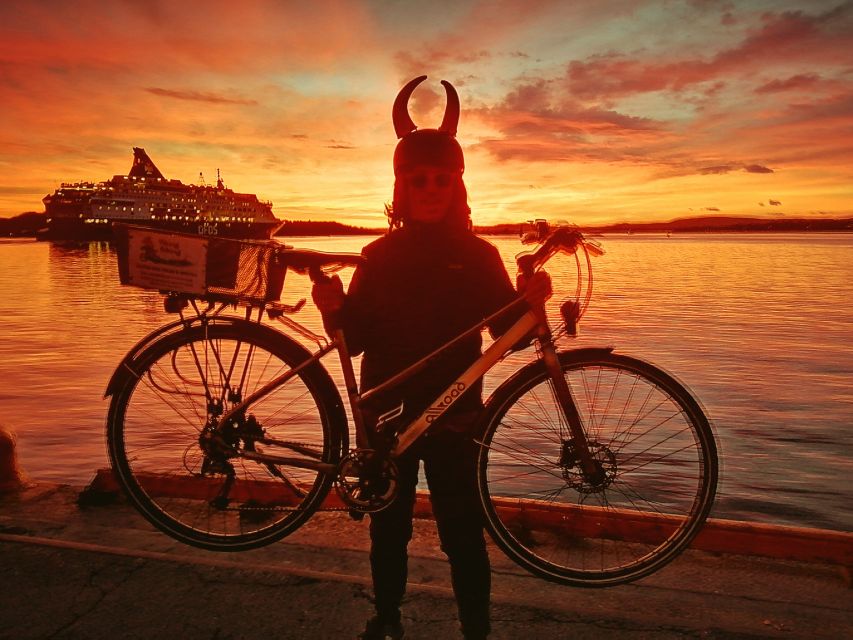
Oslo’s indoor food markets provide a welcome change from cold pavement. Mathallen is a natural stop for anyone who wants to see a more everyday side of the city through food, while Vippai offers another indoor market option when it fits the route.
These stops add flavor to the tour in the literal sense, but their bigger value is practical. You can warm up, look around, and get a sense of what local city life feels like beyond monuments and postcard views.
Food and drinks are not included, so budget separately if you want a snack or hot drink. One rider who was caught in heavy snow asked for hot chocolate and was able to make an indoor market stop part of the outing. That is a useful reminder to tell your guide when you need warmth or a short break.
The market choice is not guaranteed. Weather and season shape the plan, so book this tour for the moving city overview rather than for a particular food hall.
The riverside and Oslo’s alternative side
The route can follow a car-free riverside section, offering a quieter ride away from regular traffic. This is one of the places where the bicycle format earns its keep. You can cover a stretch of the city at a steady pace and see a side of Oslo that is easy to miss if you stay only around the main shopping street.
The riverside also leads toward one of Oslo’s more alternative areas. The phrase is broad, but the idea is clear: this part of the route moves beyond the formal center and polished waterfront, giving you a look at a different character of the city.
A car-free path feels reassuring, but do not assume every part of the tour is effortless. Snow, ice, pedestrians, and short hills can still affect your speed. Keep space between bikes and follow the guide’s instructions.
For confident cyclists, this section may be the most enjoyable part of the morning. It feels less like checking off landmarks and more like moving through Oslo as a resident might.
Karl Johans Gate and the winter city center
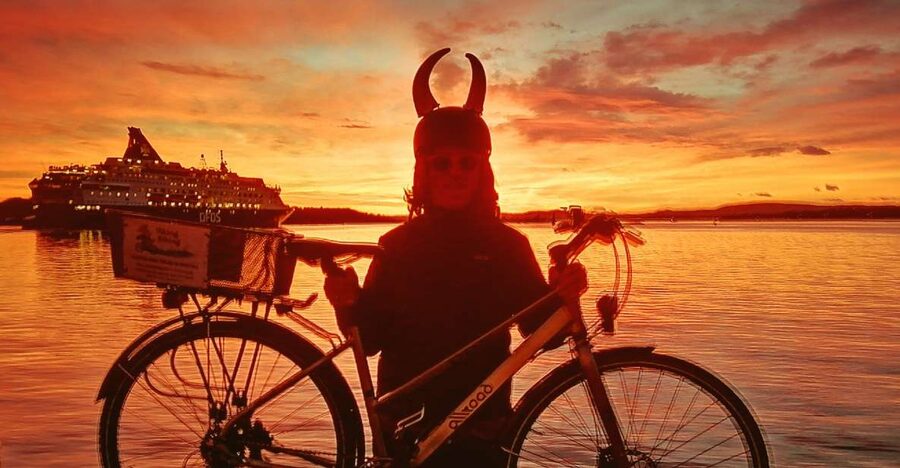
Karl Johans Gate is Oslo’s main pedestrian street and a natural finish or highlight for the tour. It runs through the heart of the city, with shops, public buildings, and a steady flow of city life.
During the holiday period, the route can include Oslo’s main Christmas market. That gives the ride a seasonal focus, with decorations and stalls adding interest to the central streets. The market is a bonus for a November or December visit, not something to rely on outside the holiday season.
Karl Johans Gate also helps you orient yourself for the rest of your stay. From here, you can return easily to central hotels, shops, restaurants, and other sights. If you are new to Oslo, this is a useful place to learn the city’s basic layout.
Pedestrian areas require attention. You may need to ride slowly, follow local instructions, and share space with people on foot. The guide’s pace and the group’s comfort matter more here than covering distance quickly.
What the guides add to the ride
The tour is conducted in English, and the guide supplies context about Oslo’s history, buildings, culture, politics, and modern life. That commentary is important because the route includes both famous sights and places that need explanation.
Patrick is described as friendly, welcoming, accommodating, and good at offering dinner suggestions. Josh has led small groups and private-feeling rides, with detailed explanations of Oslo’s story and features. Niamh and Naimha are also associated with warm, informative outings.
Guide quality can shape a winter tour more than almost anything else. A good guide watches the road, adjusts for the group, gives clear explanations, and notices when people are cold. The strongest feedback points to friendly personalities and useful local advice.
There is one practical caution: one rider felt the pace was a little fast. If you are not used to group cycling, say so at the start. The tour is for experienced riders, but experience levels still vary.
Weather, tires, and physical demands
The tour operates from November 1 through March 15, when Oslo may bring rain, snow, ice, or cold pavement. It runs rain or shine, so you need to accept that weather is part of the experience rather than an unfortunate surprise.
The spiked tires are the key piece of equipment. They are designed for winter riding and can make snowy roads feel far more manageable than ordinary bicycle tires. They do not remove the need for caution, especially on turns, uneven surfaces, or packed ice.
The route is mostly flat, but there are a few short, steep hills. You should be comfortable starting, stopping, steering, and controlling your speed in winter conditions. Children under 13 cannot join, and the overall design is aimed at experienced cyclists.
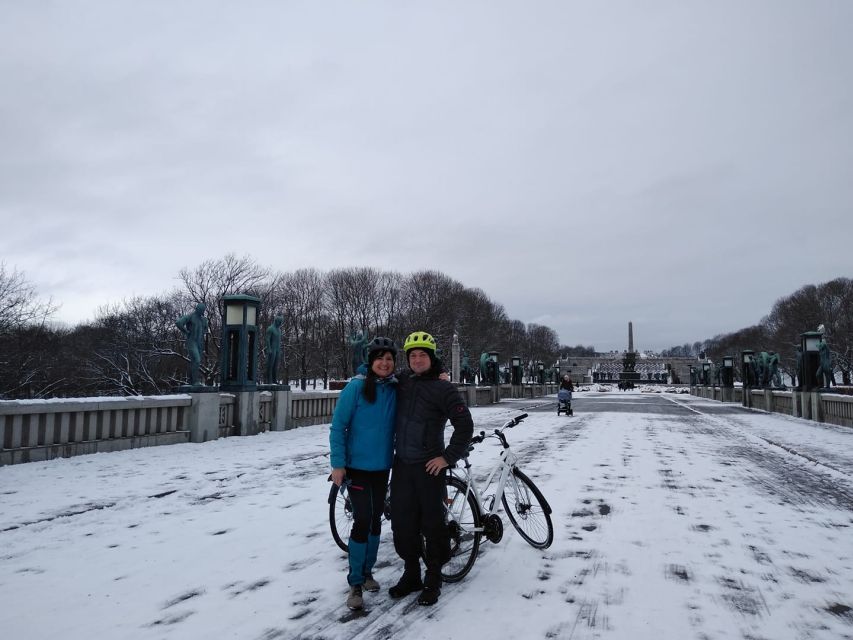
Past outings have gone ahead in near-freezing rain and heavy snow. That does not mean every day will be severe, but you should dress as if the forecast may worsen. Gloves are available when necessary, and pant clips can help keep loose trousers away from the chain.
Who should book this Oslo bike tour
I would choose this tour if you want a fast, active introduction to Oslo and you are comfortable riding outdoors in winter. It suits couples, friends, and solo visitors who would rather move through the city than spend three hours walking between sights.
It is particularly useful early in a stay. The guide can point out places for dinner, markets, waterfront stops, and central streets, giving you ideas for the rest of your visit.
I would hesitate if you dislike cold-weather exercise, want a slow pace, or hope to spend a long time inside each attraction. The route changes with conditions, and the tour’s main purpose is seeing Oslo by bike, not providing extended admission visits.
At $62, the tour is a fair deal for riders who will use the equipment and guiding. The bike, winter tires, helmet, and three hours of local explanation add real value. For a non-cyclist, that same price may be better spent on indoor sights and public transport.
Should you book it?
Book this ride if the idea of cycling through snow sounds exciting rather than exhausting. You will see a broad slice of central Oslo, learn how the city fits together, and get the unusual experience of riding a Norwegian winter bike with spiked tires.
Choose another activity if you need guaranteed sunshine, a leisurely pace, or a fixed list of indoor visits. For the right rider, though, this is a memorable way to get your bearings and reach several major sights before lunch.
FAQ
How long is the Oslo winter bike tour?
The tour lasts three hours.
What time does the tour depart?
Departure is at 10:00 a.m. every day during the operating season.
When does the tour operate?
The tour is available from November 1 through March 15.
Is the tour suitable for children?
Children under 13 are not permitted to join. The tour is designed for experienced riders.
What kind of bicycle is provided?
You receive a high-quality comfort hybrid bike fitted with spiked tires for winter riding.
What equipment is included?
A guided bike tour, bicycle, helmet, pant clips when needed, and gloves when needed are included.
What should I bring?
Bring warm clothing. Water, snacks, and rain ponchos are not included, but you can buy them at the shop.
What language is the tour conducted in?
The live tour guide conducts the experience in English.
More Winter Activities in Norway
- Private Copenhagen Family Cargo Bike Tour – Winter Adventure
★ 5.0 · 39 reviews - Winter Special: Clear View Mt. Fuji E-Bike Tour
★ 5.0 · 24 reviews - Interlaken Valley Winter E-Bike Tour: Rivers, Lakes & Castles
★ 5.0 · 23 reviews
Newest rides we have reviewed in Norway
- Premium eBike rental★ 5.0 · 18 reviews
- Mountain Bike – Voss Storålsen★ 5.0 · 13 reviews
- Mountain Bike – Voss Forest★ 5.0 · 35 reviews
- Geiranger: Sky to Fjord Downhill Biking Adventure★ 4.5 · 23 reviews
- E-bike And Hiking Tour In Ålesund★ 5.0 · 47 reviews
- Olden: Guided e-bike tour★ 4.8 · 38 reviews
- Guided E-Bike Tour in Haugesund: city, vikings, Rising Tides★ 4.6 · 47 reviews
- Geiranger Fjord: Downhill Self-Guided Bike Tour★ 4.5 · 30 reviews
City Highlights Bike Tours, compared.
3-Hour Porto Highlights on a Electric Bike Guided Tour
Read our review →
City Highlights 3-Hour Guided Electric Bike Tour
Read our review →
Highlights & Hidden Spots of Barcelona Bike Tour w/ Local Guide
Read our review →
Sights and Highlights Bike Tour with a Local Guide
Read our review →
Highlights 3 Hour Bike Tour with a Local Guide
Read our review →
Other lists this ride turns up in