
REVIEW · E-BIKE TOURS IN SIEM REAP
Cycle Angkor Backroad Bike Tour / E-Bike or Tuk Tuk
The best part of this Angkor tour is the route between the temples. Instead of spending the whole day in a vehicle on the main roads, you pedal along quiet forest tracks and reach Angkor Thom, Bayon, Ta Prohm, and Angkor Wat with a clearer sense of the setting. You get exercise, shade, temple ruins, and a taste of daily Cambodia in one long day.
I like the small-group format, limited to 12 people, and the care given to bikes, helmets, safety, water, and food. I also like that the guide can adjust the pace and explain both Khmer history and present-day Cambodian life. The catch is simple: this is a full eight-hour outing, and some riders cover about 45 kilometers, so you need to be comfortable spending much of the day on a bike.
Quick points about the Angkor backroad ride
- Ride beyond the main temple roads: Forest paths help you avoid much of the traffic and crowds between major sites.
- See the temple essentials: The route includes Angkor Thom, Bayon, the Terrace of the Elephants, Baphuon, Ta Prohm, and Angkor Wat.
- Expect a long but manageable day: The route is generally flat and often shaded, with stops for temple visits, food, and rest.
- Guides make the difference: Voleak, Sotin, Steven, Mony, and Muniz have all led this outing, with English explanations and attention to safety.
- Lunch and local snacks are included: You receive Cambodian-style food, fruit, bottled water, and snacks during the ride.
- Angkor entry costs extra: Your park admission is not included in the $55 tour price.
Why a bicycle is a smart way to see Angkor
Angkor Archaeological Park is enormous. The major temples are not arranged in one compact cluster, and the roads between them can feel like dead time if you sit in a tuk tuk all day. A bicycle changes that middle part of the visit into part of the experience.
You hear the forest, feel the shade, and get short glimpses of village life and temple walls as you ride. The route uses quieter paths where possible, rather than keeping you on the busiest approach roads. One full-day route covered about 45 kilometers, though your distance depends on the exact path and pace.
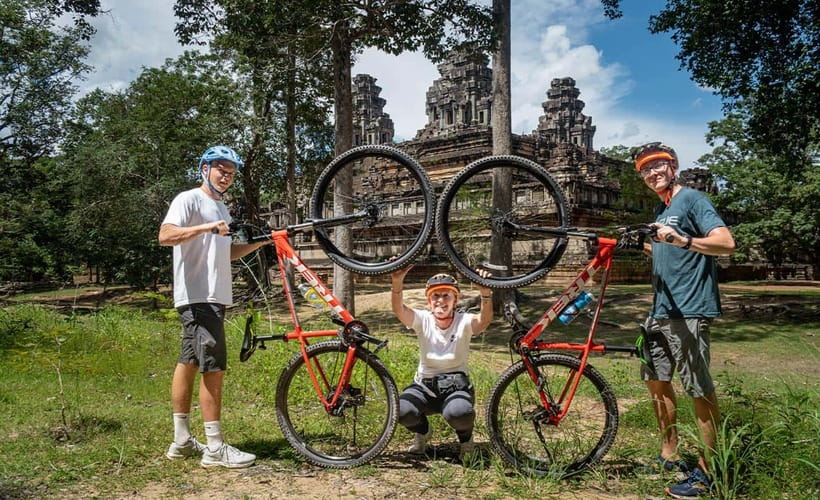
This is not a racing tour. The supplied bikes are described as proper mountain bikes in good working order, with helmets provided. Guides give a safety briefing before setting off, and the pace can be adjusted. If you are not a regular cyclist, tell the guide early so the day can be shaped around your comfort.
The route is mostly flat and often shaded, which makes a big difference in Siem Reap’s heat. Still, flat does not mean effortless. Eight hours includes riding, temple walking, stops, lunch, and time in the sun. Bring cycling clothes, sunglasses, and a camera. The tour runs rain or shine, so a wet-weather forecast is worth taking seriously.
The experience is also sold with e-bike or tuk tuk options. The standard details specifically include a bicycle and helmet, so check the option you select at booking to confirm which vehicle, equipment, and price apply.
More E-Bike Tours in Cambodia
- Siem Reap Countryside Bike Tour / E-Bike or Tuk Tuk
★ 5.0 · 935 reviews - Angkor Sunrise Bike Tour / E-Bike or Tuk Tuk
★ 5.0 · 615 reviews - Phnom Penh Silk Island Bike Tour/ E-Bike or Tuk Tuk
★ 5.0 · 495 reviews
Starting in Siem Reap and getting set up
Your morning begins with pickup in Krong Siem Reap, if you choose the pickup option. Wait in your hotel lobby 15 minutes before the scheduled time. You are taken to the Siem Reaper shop, where you meet the guide, receive your bike and helmet, and go over the day’s route.
This short briefing is useful. You can ask about the distance, the riding pace, and the order of the temples before leaving town. The small group limit of 12 keeps the ride more personal than a large coach excursion, and solo departures are possible. One person who booked alone still received the full tour rather than having it canceled.
The guides are one of the stronger parts of the experience. Voleak is noted for checking a rider’s skill level and interests before adapting the explanations. Sotin gives a full safety briefing, while Steven has been praised for explaining both Angkor and everyday Cambodian life. Mony and Muniz are also named guides associated with highly rated outings.
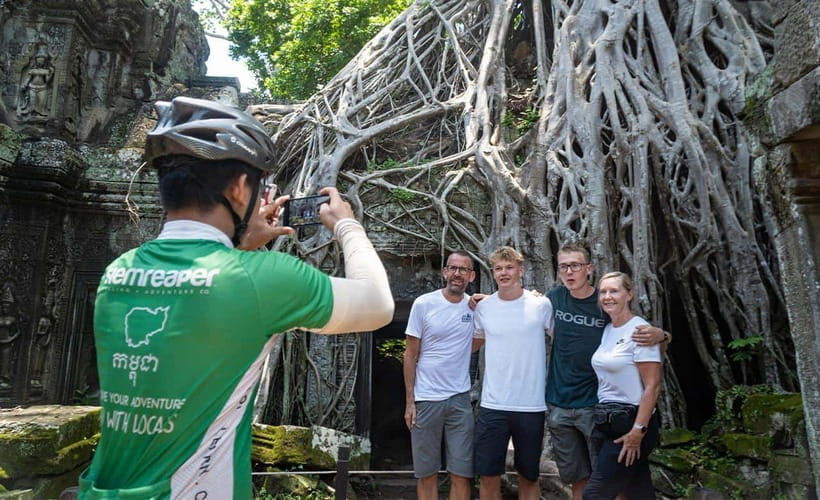
English is the tour language. The guide also handles practical matters such as water stops, photographs, and finding the right pace. One useful touch is the attention to pictures, with guides helping take photos at the temples rather than leaving you to manage every shot yourself.
Angkor Thom and the faces of Bayon
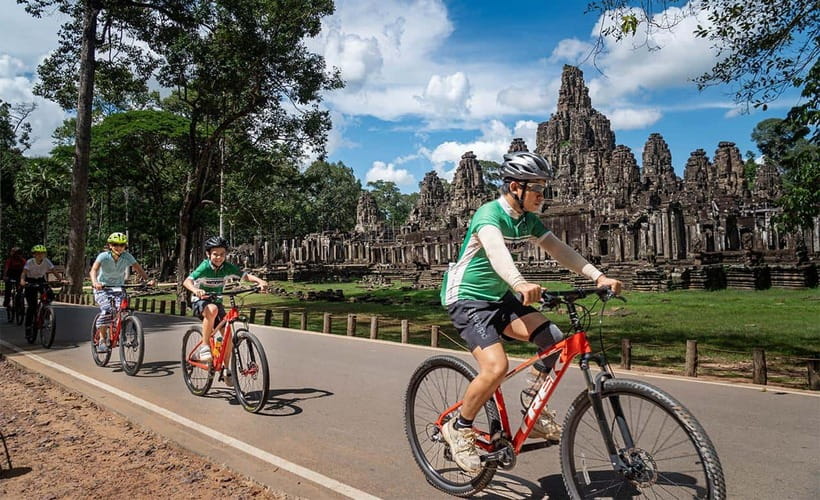
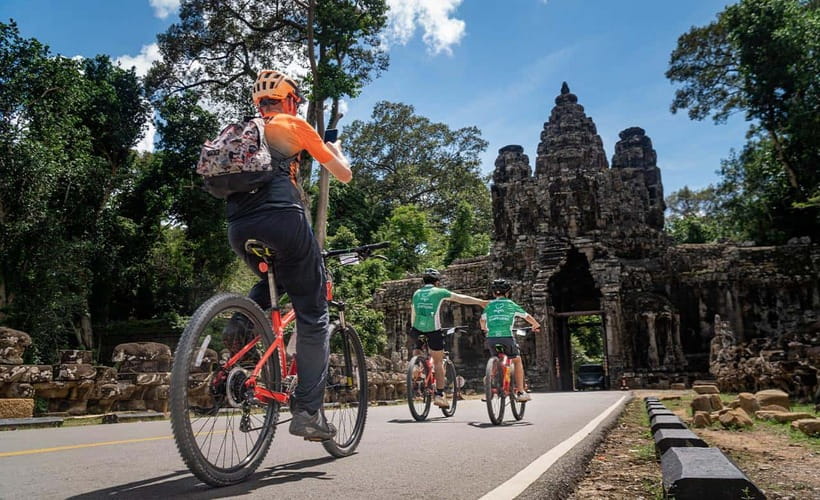
The ride heads into Angkor Archaeological Park and enters Angkor Thom through the ancient gate. Its elephant carvings and four giant faces give you an immediate sense of the scale and symbolism of the old city.
Bayon sits near the center of Angkor Thom and is the morning’s major stop. Its towers carry the famous serene faces, which the tour explains in connection with the 54 provinces of the Great Khmer Empire. The temple is more enclosed and visually busy than Angkor Wat, with corridors, towers, and carved stone competing for your attention.
Give yourself time to look up and around. Bayon rewards slow observation more than a quick photo stop. Your guide can point out details in the sculptures and explain the role of the temple within Angkor Thom, helping the stones feel less like a pile of ruins and more like part of a planned city.
The listed temple time is generous, though the exact pace depends on the group. That flexibility matters. Some people want architectural background, while others want time for photographs and quiet corners. A guide who checks your interests, as Voleak did for one solo rider, can make this stop much more satisfying.
The Terrace of the Elephants and Baphuon
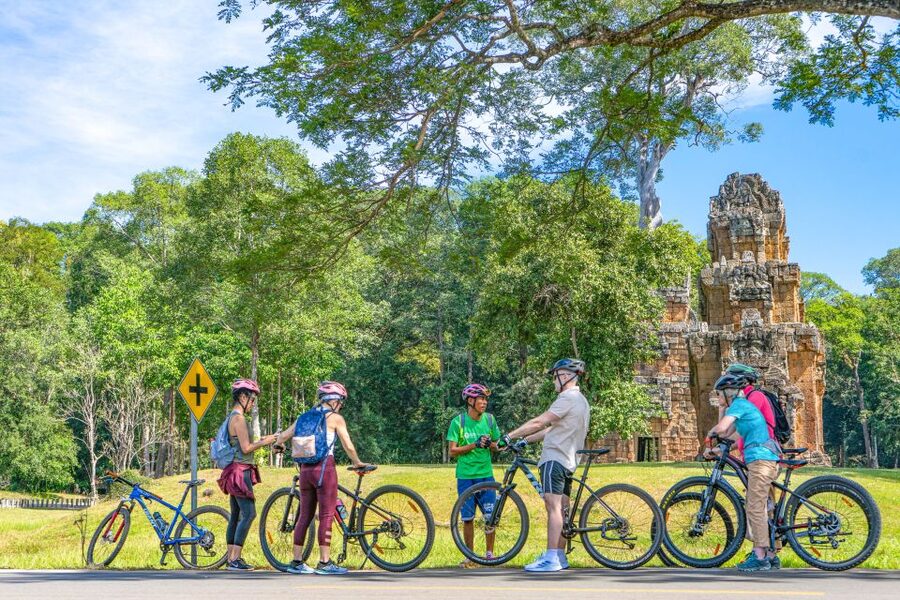
After Bayon, the ride continues to the Terrace of the Elephants and Baphuon Temple. These stops provide a useful change of scale.
The Terrace of the Elephants is known for its sculpted decorations and its connection with Khmer royal display. It is less about entering a mysterious interior and more about reading the carved stone along a long ceremonial structure. The guide’s explanations help you notice the animals, figures, and patterns rather than simply walking past them.
Baphuon offers a different view through its architecture and stonework. Together, these stops add context to Angkor Thom, showing that the city is not just Bayon surrounded by trees. If you are trying to see every major feature in one day, the bicycle format helps you link these areas without repeatedly returning to a parked vehicle.
There is a practical limit here. Temple visits can begin to blur after several hours in the heat. The ride’s built-in pauses and guide commentary help, but you should not expect every stop to receive the same attention as Angkor Wat or Ta Prohm.
More E-Bike Tours in Siem Reap
- Siem Reap Countryside Guided Tour by Bike and E-Bike Private Tour
★ 5.0 · 157 reviews - Cycle the Angkor Backroads with lunch / E-Bike or Tuk Tuk
★ 5.0 · 124 reviews - From Siem Reap: Angkor Wat Sunrise and Temples E-Bike Tour
★ 5.0 · 52 reviews
Ta Prohm on forest trails
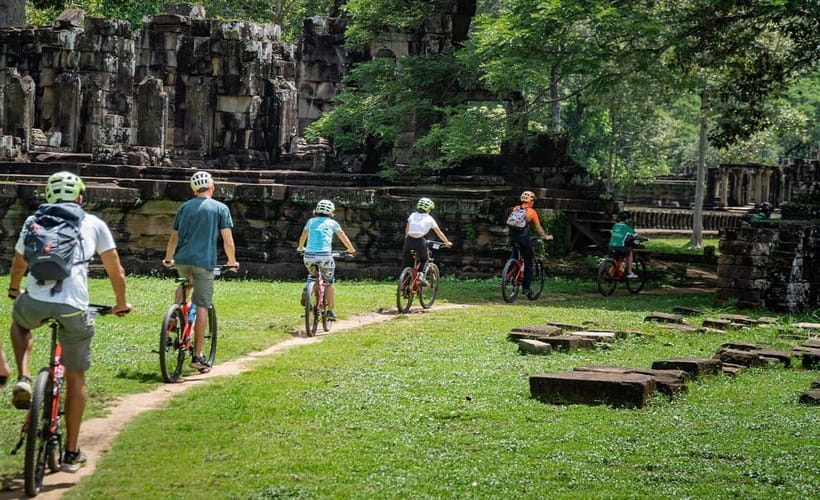
The ride to Ta Prohm uses forest paths, one of the clearest reasons to choose this outing instead of a standard road-based circuit. You get a quieter transition between temples, with shade and a more natural setting.
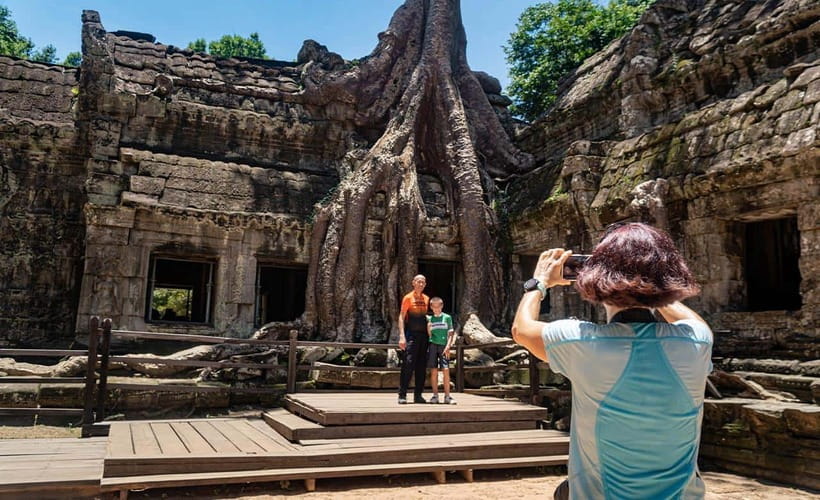
Ta Prohm is the temple most closely associated with jungle growth and the film Tomb Raider. Large trees spread across the ruins, roots press against walls, and the boundary between stone and forest feels unusually close. The temple is photogenic, but it is also fragile, so follow the guide’s directions and stay on the usable paths.
This is a good place to slow down. The dramatic tree roots will attract your camera, yet the carved doorways and collapsed galleries deserve attention too. A guide can help you see how the temple was built before the forest took hold.
The site can be tiring after Bayon and Angkor Thom. The advantage of cycling is that you are not trapped in a vehicle queue between stops, but the disadvantage is that you are carrying the fatigue of the ride into the temple. Take advantage of the breaks and water supplied along the way.
Cambodian lunch, fruit, and a proper rest
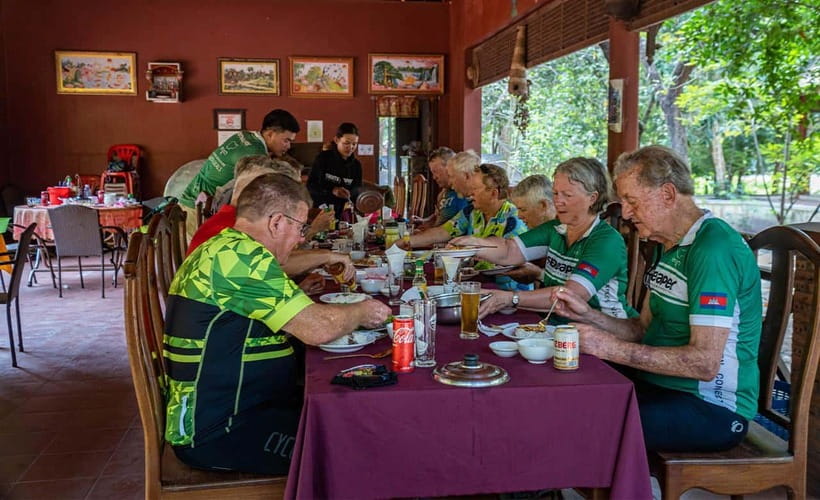
Lunch comes at a local restaurant by a tropical garden, with a pond nearby. The setting gives you a chance to sit down, cool off, and let your legs recover before Angkor Wat.
A Cambodian-style lunch is included, along with local snacks and fruit. The food is more than a minor perk on an eight-hour ride. It saves you from having to arrange a separate meal and gives you a chance to try something local without guessing at every menu. One guide also introduced a rider to Cambodian street food and collected cashews along the way, though those extras should not be treated as guaranteed parts of every departure.
Fresh, cool water is supplied throughout the day. That is important in the heat, especially if you are riding close to the 45-kilometer distance mentioned by one participant. Eat enough to keep your energy steady, but do not rush the rest period. Angkor Wat still requires walking and concentration.
One person felt the day could be shortened, with less time at some points. That is fair. The long format gives you a broad look at the park, but it may feel ambitious if you prefer a relaxed temple visit with long breaks.
Late afternoon at Angkor Wat
After lunch and rest, the route saves Angkor Wat for later in the day. This is a smart order for two reasons. First, you see several major temples before reaching the site most people consider the centerpiece. Second, the later visit can bring softer light and fewer people than the busiest morning period.
Angkor Wat is the largest religious monument in the world and the finest example of Khmer architecture in this tour’s description. Its scale becomes clearer when you approach by bicycle, after seeing the smaller paths and forest around the park. The temple’s towers, galleries, courtyards, and symbolism deserve time rather than a hurried stop.
The scheduled visit is about two and a half hours, enough for a guided walk and photographs. The guide can explain the temple’s history and meaning in a quieter place, rather than delivering every point beside a crowded entrance.
Do not expect complete solitude. Angkor Wat remains the park’s most famous monument, and late afternoon does not guarantee an empty site. It does, however, offer a calmer finish than visiting only during the morning rush. You return to Siem Reap around 4:00 pm.
What the $55 price really covers
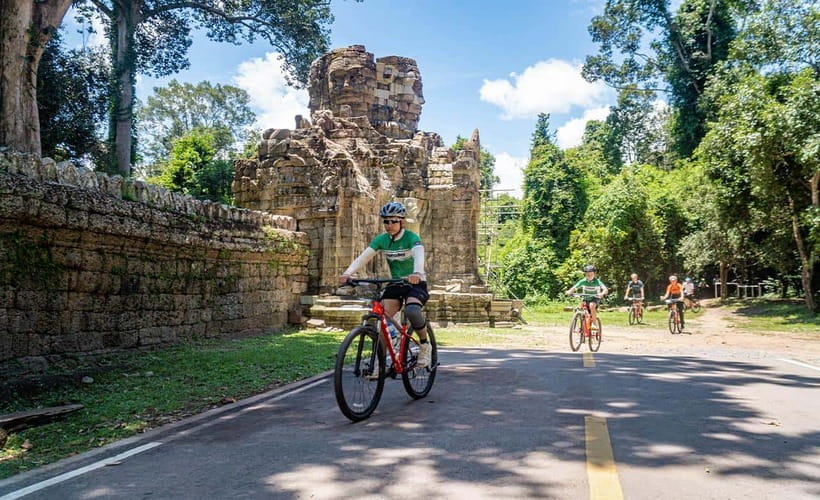
At $55 per person, the tour is good value if you want a full-day Angkor experience with transport, a guide, a bike, food, and a planned route. Hotel pickup and drop-off, an English-speaking guide, bicycle, helmet, lunch, bottled water, and snacks are included.
The important extra cost is the entrance ticket to Angkor Archaeological Park. That fee is not included, so add it to your total before comparing this tour with a tuk tuk or private car day. The bicycle is also doing useful work here: it replaces some vehicle time with a more active way to move around the park.
The price makes the most sense for people who would otherwise pay separately for a guide, transport, lunch, and temple transfers. It is less compelling if you only want a short visit to Angkor Wat or dislike long bike rides.
The small group adds value, too. A limit of 12 gives the guide a better chance to answer questions, adjust the pace, and keep the group together. Solo riders may still receive the tour even if no one else books, but you should not assume a private departure will always be guaranteed.
Who should book this tour?
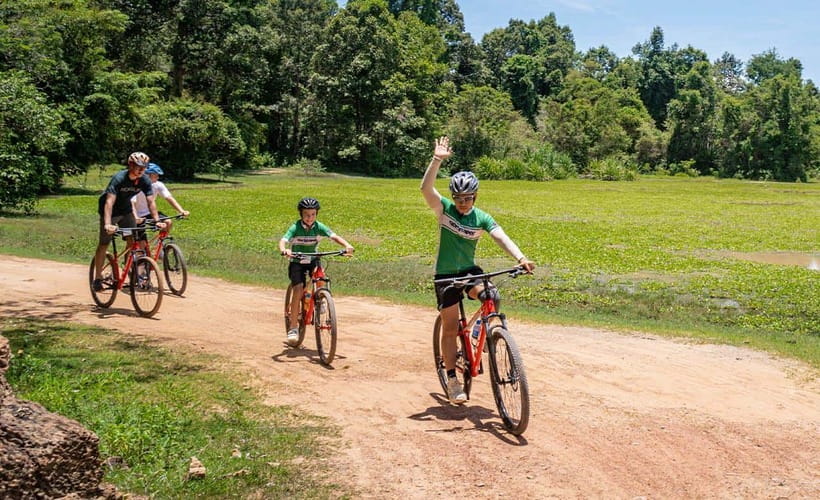
I would choose this tour if you want to see several major temples while making the journey between them part of the day. It suits active couples, solo riders, and small groups who enjoy local food, forest paths, and a guide who can explain details along the way.
It is also a good first introduction to Angkor if you want both the headline monuments and a sense of the park’s scale. The flat route, shaded sections, rest period, and guide-controlled pace make it more approachable than a strenuous cycling challenge.
I would think twice if you are pregnant, since the activity is not suitable for pregnant women. I would also hesitate if you have limited cycling stamina, strongly dislike heat, or want a short and gentle temple visit. Rain does not cancel the tour automatically, so bring suitable clothing and accept that the day may be wet.
The best practical choice is to wear comfortable cycling clothes, bring sunglasses and a camera, and arrive ready for a full day rather than a quick excursion. If you are choosing the e-bike or tuk tuk version, confirm the exact vehicle details before paying.
Should you book the Angkor backroad bike tour?
Book it if you want temples plus movement, not just temple entrances. The strongest features are the quiet forest routes, capable named guides, reliable bikes and helmets, included Cambodian food, and the chance to see Angkor Wat later in the day.
Skip it if 45 kilometers sounds daunting or if you prefer to spend most of your time sitting in a vehicle. For the right rider, $55 buys a well-organized day with the major Angkor stops and a more personal look at the park than a basic transport-only tour.
FAQ
How long does the Angkor backroad bike tour last?
The tour lasts eight hours. Pickup is in the morning, and the return to Siem Reap is expected around 4:00 pm.
What temples are included?
The route includes Angkor Thom, Bayon Temple, the Terrace of the Elephants, Baphuon Temple, Ta Prohm, and Angkor Wat.
Is hotel pickup included?
Hotel pickup and drop-off are included when you choose the pickup option. You should wait in your hotel lobby 15 minutes before the scheduled pickup time.
Is lunch included?
Yes. A local restaurant lunch is included, along with bottled water and snacks. The tour also provides local fruit and Cambodian-style food.
Is the Angkor park entrance ticket included?
No. Entrance to Angkor Archaeological Park is not included in the $55 price.
What language does the guide speak?
The live guide speaks English.
How large is the group?
The tour is a small-group experience limited to 12 participants. A solo booking may still operate if no other participants join.
Does the tour operate in rainy weather?
Yes. The tour takes place rain or shine, so bring suitable clothing if wet weather is possible.
Can pregnant women join the tour?
No. The activity is not suitable for pregnant women.
Newest rides we have reviewed in Cambodia
- Ho Chi Minh City: 2-Day Bike & Kayak Mekong Delta Tour★ 4.9 · 64 reviews
- From Siem Reap: Angkor Wat Sunrise and Temples E-Bike Tour★ 5.0 · 52 reviews
- Explore the Village &Countryside By Bicycle-Half Day Morning★ 4.8 · 13 reviews
- Small Group Countryside Sunset Bike Tours★ 5.0 · 39 reviews
- Angkor Wat: Guided Sunrise Bike Tour w/ Breakfast and Lunch★ 4.8 · 48 reviews
- Siem Reap: Angkor Wat Sunrise Bike Tour & Jungle Breakfast★ 4.9 · 141 reviews
- Cycle the Angkor Backroads with lunch / E-Bike or Tuk Tuk★ 5.0 · 124 reviews
- Siem Reap Countryside Guided Tour by Bike and E-Bike Private Tour★ 5.0 · 157 reviews
E-Bike Tours, compared.
3-Hour Porto Highlights on a Electric Bike Guided Tour
Read our review →
Hills, Alfama, and Mouraria Tour by Electric Bike
Read our review →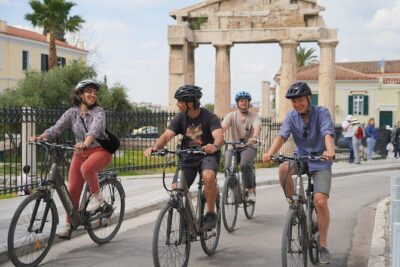
Athens Scenic Electric Bike Tour with optional Acropolis visit
Read our review →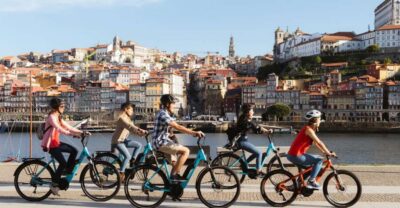
City Highlights 3-Hour Guided Electric Bike Tour
Read our review →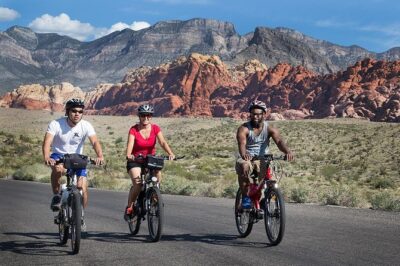
Rome EBike Tour: Appian Way, Catacombs & Roman Aqueducts
Read our review →
Top Highlights & Hidden Gems Tour by Cannondale E-Bike
Read our review →Other lists this ride turns up in