
REVIEW · GREECE
Thessaloniki: Bike Tour
Thessaloniki is made for a bike tour: its major sights stretch from Roman ruins in the center to the long waterfront, and cycling lets you cover that ground without wearing out your feet. I like the mix of ancient monuments and sea views, and I like that the coffee stop gives the ride a proper Greek pause rather than treating the city as a string of photo stops. The guides, including Thalis, Elena, Thomas, and Kostas, are praised for clear stories, good humor, and careful riding.
The main caution is traffic. Much of the ride is comfortable, but some paths and streets are busy, and one rider found the manual bike heavy on a hot day with hills along the route. If you are not a confident cyclist, ask for an electric bike if that option is available.
Key points at a glance
- Three hours from Makedonia Palace: The route begins and ends outside the hotel, making it easy to fit into a first day in Thessaloniki.
- Roman, Byzantine, and modern sights: You see the Rotunda, Arch of Galerius, Ancient Agora, White Tower, Aristotelous Square, and more.
- A long waterfront ride: The port, Alexander the Great Statue, Umbrellas, and Concert Hall provide some of the city’s best open views.
- Greek coffee included: A 25-minute café break gives you time to sit, ask questions, and enjoy a slower side of the city.
- Electric bikes may be the smart choice: Manual bikes can feel heavy, especially in heat or on uphill sections.
- Friendly, flexible guides: Thalis, Elena, Thomas, Ellie, and Kostas are among the guides praised for personal stories and patient pacing.
Why a bike is a smart way to see Thessaloniki
Thessaloniki’s center is compact enough to explore on foot, but its sights are spread out. The waterfront alone gives you a long run of open space, while Roman remains, churches, squares, and the port sit farther inland. A bike connects these parts in one outing.
I especially like this tour as a first activity in town. It gives you a useful map in your head. After three hours, you know where the White Tower is, how the waterfront relates to Aristotelous Square, and where the central archaeological sites sit. That makes later wandering easier.
The pace is not built around long museum visits. At most stops, you pause for about five minutes, hear the main story, take photographs, and continue. That is a strength if you want orientation and broad coverage. It is a limitation if you prefer to spend half an hour studying one monument.
The tour costs $49 per person and lasts three hours. That is fair value if you want transport between many central sights, an English-speaking guide, a bike, a helmet, water, and coffee in one package. You are also paying for the guide’s route planning and help in city traffic, not just for bicycle rental.
More Cycling Trips in Greece:
- Athens Scenic Electric Bike Tour with optional Acropolis visit
★ 5.0 · 3,350 reviews - Athens: City Electric Bike Tour with Acropolis Visit Option
★ 4.9 · 1,017 reviews - Athens Small Group E-Bike Tour
★ 5.0 · 1,013 reviews
Starting outside Makedonia Palace Hotel
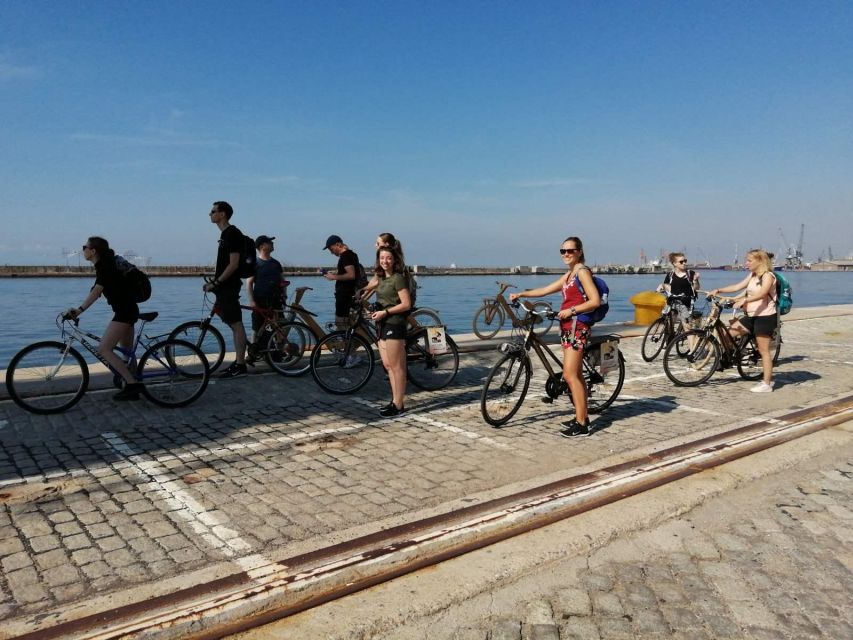
The meeting point is outside the lobby entrance of Makedonia Palace Hotel. More precise instructions arrive after booking, so you should check those before setting out.
Beginning here places you close to the waterfront. The ride can move naturally toward the White Tower and then into the central monuments before returning to the shore. The start and finish at the same hotel are handy if you are staying nearby, though you should allow enough time to reach the meeting point if you are staying elsewhere.
Bikes, helmets, and a water bottle are included. Comfortable clothes and shoes are the right choice. This is an active outing, but it is not presented as a race. The guide stays with the group and helps with the route.
The choice of bike matters. One rider who normally preferred manual bikes found the supplied bike heavy and difficult on a hot day, especially with hills and a long distance. Other riders found the bikes good, but the repeated advice is sensible: take an electric bike if you have the choice and do not feel strongly about riding a standard one.
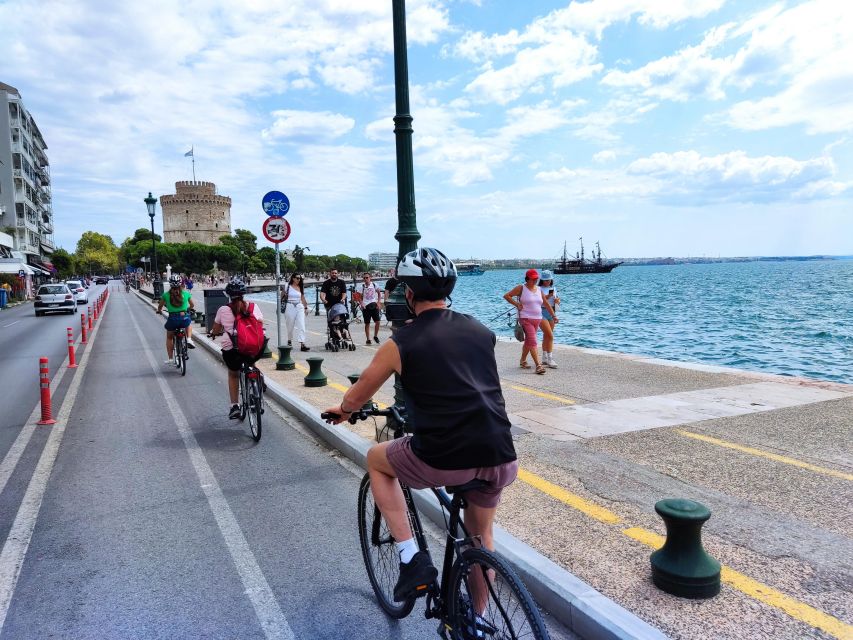
The White Tower sets the scene
The White Tower is the first major stop. It is Thessaloniki’s best-known waterfront landmark and a useful introduction to the city’s position beside the Aegean Sea.
Expect a short photo stop and a brief explanation rather than a tower visit. The tour is designed to show you the monument from outside while keeping the route moving. You get the classic view, the water beside it, and a quick sense of how the central waterfront is laid out.
This is also where the contrast of the tour becomes clear. In a short ride, you move from a famous Ottoman-era structure to Roman ruins and later Christian monuments. Thessaloniki’s story is not confined to one period, and the guide helps connect those layers.
Roman Thessaloniki around Navarinou Square
Navarinou Square brings you into the Roman heart of the city. The area is associated with the palace complex of Emperor Galerius, and the open remains help you picture how central Thessaloniki was in the Roman world.
You stop for photographs and a short talk. Because the visit is brief, listen for the guide’s explanation of how the square relates to the Rotunda and Arch of Galerius nearby. These are not isolated ruins. They form part of a larger Roman district woven into the modern city.
The square itself is lively, and cycling through central Thessaloniki means sharing space with pedestrians and other road users. Stay close to the guide and expect a little urban movement. This section is less serene than the waterfront, but it gives you a much better sense of the city as a living place rather than an archaeological park.
Same roads, a different saddle:
- Historic Athens: Small Group Electric Bike Tour
★ 4.9 · 966 reviews - Athens Electric Bike Tour
★ 5.0 · 836 reviews - Athens: City Bike tour with Acropolis Visit Option
★ 4.9 · 665 reviews - Acropolis & Parthenon Tour and Athens Highlights Bike tour
★ 5.0 · 605 reviews
The Rotunda and Arch of Galerius
The Rotunda is one of the tour’s strongest historical stops. Its great circular form has served different religious purposes over time, and the building’s scale makes a quick exterior visit worthwhile.
Nearby, the Arch of Galerius, often called Kamara, gives you a visible link to the Roman ruler’s palace complex. Reliefs on the arch tell part of the story, and the guide can point out how the monument fits into the old imperial route.
You will likely want more than five minutes here. That is the tradeoff. The tour gives you a useful explanation and photographs, but it does not allow a long architectural study or a detailed interior visit. If the Rotunda is high on your list, note its location and return independently later.
The guides add real value at this point. Ellie has been praised for mixing historical facts with personal stories, while Thalis is known for taking time with explanations and answering questions. That personal layer keeps the Roman material from feeling like a list of dates.
Hagia Sophia and the Ancient Agora
The route continues to Hagia Sophia Thessalonica, a major Byzantine church in the center. The stop helps widen your view beyond Roman Thessaloniki. The city’s religious and political life changed many times, and the church points to its long Christian era.
Again, the format is a photo stop and short explanation. You should not expect a full guided church visit unless your guide says otherwise. The value is orientation: you see where the church lies in relation to the other central monuments and hear enough to recognize its importance when you return.
The Ancient Agora provides another change of mood. These remains once formed a civic center, with public and administrative functions at the core of urban life. Today, modern streets surround the archaeological site. That contrast is one of the pleasures of Thessaloniki, where old stone often appears beside ordinary cafés, shops, and apartment buildings.
At this point, you have covered a lot of historical ground. A bike makes the sequence practical, but the short stops mean you should listen closely. If you are taking photographs, keep them quick so you do not miss the guide’s main explanation.
The 25-minute Greek coffee break
The café stop is more than a rest for your legs. It gives the tour a social rhythm and lets you ask the guide about food, neighborhoods, and places to eat or drink later.
Coffee or tea is included, and a table is reserved. Several guides have added a dessert surprise, though that should not be treated as a guaranteed part of every departure. One rider preferred a café with coffee and pastry rather than a restaurant-style stop, so expectations may vary depending on the chosen venue.
The location has been described as being by the waterfront on some departures. Either way, the 25-minute pause is valuable because the rest of the tour moves briskly. You can sit down, cool off, and reset before the final stretch.
Greek coffee is traditionally strong and served in a small cup, with sediment left at the bottom. If you do not want coffee, tea is included. This is also the best moment to ask your guide for practical recommendations. Stelios, for example, has offered suggestions for authentic places to eat and drink in the city.
Aristotelous Square and the port
After the break, the ride reaches Aristotelous Square, Thessaloniki’s grand central plaza. Its broad layout and formal buildings make it a good place to pause and watch city life.
The stop is brief, so you get the main visual impression rather than a long architectural lecture. Look down the square toward the water and notice how it acts as a link between the city center and the waterfront. It is a useful place to return later for a meal or an evening walk.
The Port of Thessaloniki changes the feel again. The harbor area opens the view and reminds you that Thessaloniki is a working port city, not simply a collection of old monuments. Your guide can help place the port within the city’s modern identity.
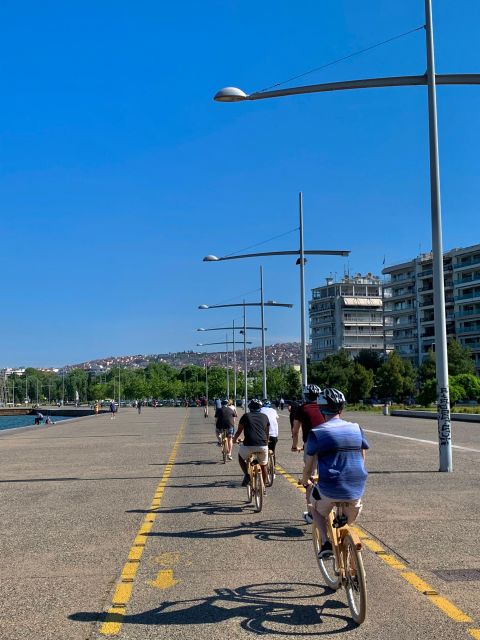
Cycling beside the water is one of the most enjoyable parts of the ride. You get a sea breeze, open views, and a break from the tighter streets inland. The path can still be busy, so keep your speed controlled and follow the guide’s instructions.
Alexander the Great Statue and the Umbrellas
The Alexander the Great Statue is a natural waterfront photo stop. It gives you a chance to photograph the monument against the sea and to hear how Alexander is remembered in Greek history and public life.
The nearby Umbrellas of Zongolopoulos are among the tour’s most photogenic modern sights. The tall metal forms reach over the promenade and look especially striking with the water behind them. This is one of the stops where the tour moves beyond ancient history and shows you Thessaloniki’s contemporary public art.
I like this part because it gives the ride visual variety. You are not simply moving from one stone monument to another. The waterfront includes sculptures, open sky, sea views, and people using the promenade as part of daily life.
It is also a good place for photographs of your group. Guides have been happy to stop and take pictures at scenic points, but you should still keep the group’s timing in mind.
The Concert Hall and the ride back
The Thessaloniki Concert Hall marks the far end of the listed route. By now, you have seen the main central monuments and much of the city’s waterfront in one sweep.
The Concert Hall stop is another quick photo pause. Its role in the tour is less about a long visit and more about showing you how the waterfront continues beyond the old center. Afterward, you cycle back toward Makedonia Palace Hotel.
The full route covers a fair distance for a three-hour outing. It includes some hills and busy paths, so the physical effort depends on the weather, your bike, and your comfort in traffic. One rider enjoyed the tour but would not recommend it to a timid cyclist because of the traffic. Take that seriously if you rarely cycle in cities.
The guides generally keep the group together and adjust the speed. Thalis has been especially praised for riding carefully and adding extra time for a solo departure. Elena has even gone to get rain capes when a sudden downpour hit. These examples suggest a helpful, adaptable approach, but weather protection is still your responsibility. Check the forecast and dress sensibly.
The guides shape the experience
The guide is the difference between a useful city orientation and a simple bicycle ride. Names that have received repeated praise include Thalis, Elena, Thomas, Kostas, Ellie, Stelios, and Eli.
The strongest guide qualities are clear: good historical explanations, humor, patience, and attention to safety. Thalis has adjusted the pace for individual riders and sometimes continued beyond the scheduled three hours. Elena has been described as considerate and funny, while Thomas has helped late-arriving riders and offered to take photographs.
Small departures may become almost private tours. In the quieter season, some riders have been the only participant, and the tour still went ahead. That can mean more time for questions and a route adjusted to your interests, though group size can vary.
The tour is in English. If you want a guide to focus on architecture, food, Roman history, or modern city life, ask early in the ride. The supplied information does not promise a particular guide, so you should not book expecting one named person.
Who should book this ride?
I would choose this tour if I were arriving in Thessaloniki and wanted a fast, friendly orientation. It suits couples, solo visitors, and active families with children aged seven and older. One family found the guide patient and accommodating when a child had a difficult moment.
It is also a good choice if you want to combine exercise with sightseeing. You cover far more ground than on a standard walking orientation, and the waterfront breeze makes the ride pleasant in warm weather.
I would think twice if you dislike cycling near traffic, have mobility limitations, or want long visits inside monuments. The activity is not suitable for children under seven, pregnant women, wheelchair users, or people with mobility impairments.
At $49, the value is strongest when you use the full package: bicycle, helmet, water, guide, broad route, and coffee. You are not paying for deep access to every attraction. You are paying for a well-planned introduction to the city with enough stories to help you explore on your own afterward.
Should you book the Thessaloniki Bike Tour?
Book it if you want to see the White Tower, Roman monuments, central squares, port, and waterfront art in one manageable morning or afternoon. Choose an electric bike if you expect heat, hills, or a long ride to feel tiring.
Skip it if you prefer a slow walking tour with extended monument visits or if city cycling makes you uneasy. For most reasonably confident cyclists, though, this is a lively and practical way to get your bearings, enjoy the Aegean views, and meet a guide who can help turn Thessaloniki from a list of sights into a city you understand.
FAQ
Where does the Thessaloniki Bike Tour begin and end?
The tour begins outside the lobby entrance of Makedonia Palace Hotel and returns to the same location.
How long does the bike tour last?
The scheduled duration is three hours. Some guides may extend the outing in certain circumstances, but extra time is not guaranteed.
What sights are included?
The route includes the White Tower, Navarinou Square, the Rotunda, Arch of Galerius, Hagia Sophia Thessalonica, Ancient Agora, Aristotelous Square, Port of Thessaloniki, Alexander the Great Statue, Umbrellas of Zongolopoulos, and Thessaloniki Concert Hall.
Is coffee included?
Yes. Coffee or tea is included, with a reserved table at a local café. The scheduled café break lasts about 25 minutes.
Are bikes and helmets provided?
Yes. Bikes, helmets, and a water bottle are included.
Is the tour conducted in English?
Yes. The tour includes a live English-speaking guide.
What should I wear or bring?
Wear comfortable clothes and shoes. A water bottle is included, but you should also consider the weather when choosing what to wear.
Who cannot take this tour?
The tour is not suitable for children under seven, pregnant women, people with mobility impairments, or wheelchair users.
Newest rides we have reviewed in Greece
- Authentic Mykonos bike tour★ 5.0 · 23 reviews
- Milos Island e-Bike Ride★ 5.0 · 35 reviews
- Sunset Meteora Tour on E-Bike★ 5.0 · 46 reviews
- Morning Monastery E-bike Tour★ 5.0 · 71 reviews
- Ride On The Rocks Meteora | Scooter and E-bike Rentals★ 5.0 · 12 reviews
- 4-Hour Tour Morning Highlights of Meteora on E-Bike★ 5.0 · 24 reviews
- Meteora Trails Electric Mountain Bike Tour★ 5.0 · 24 reviews
- Meteora Sunset E-Bike Tour★ 5.0 · 92 reviews
Greece Cycling Tours, compared.
Athens Scenic Electric Bike Tour with optional Acropolis visit
Read our review →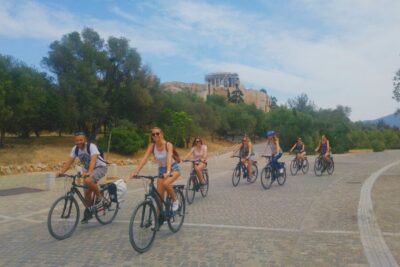
City Electric Bike Tour with Acropolis Visit Option
Read our review →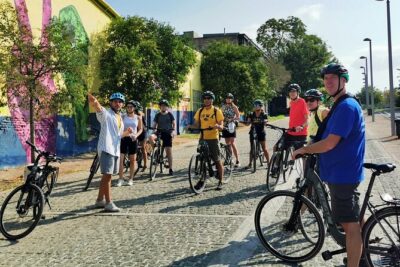
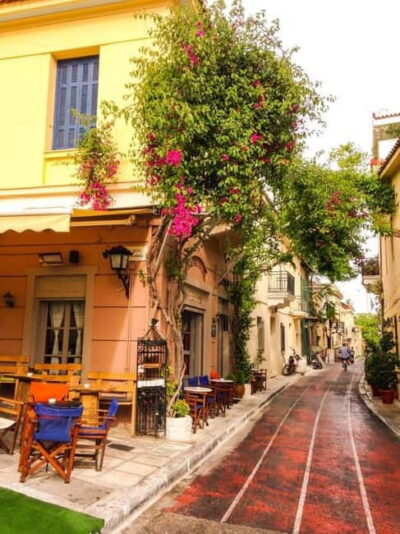
Historic Athens: Small Group Electric Bike Tour
Read our review →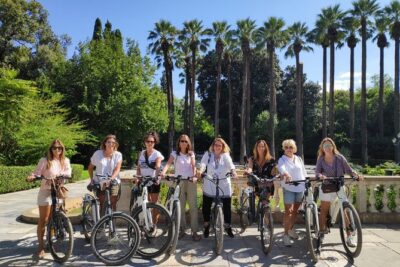
Acropolis & Parthenon Tour and Athens Highlights Bike tour
Read our review →
Other lists this ride turns up in