REVIEW · ITALY
Rome: Monuments and Belvederes Bike Tour
Rome reveals itself quickly from a bicycle. In three hours, you move from Trastevere’s narrow lanes to the Colosseum, hilltop viewpoints, Trevi Fountain, the Spanish Steps, and St. Peter’s Basilica. It is a smart way to get your bearings before spending more time inside individual monuments.
I like the mix of famous sights and good viewpoints, especially Aventine Hill and Capitoline Hill, where the city opens up in a way you cannot get from street level. I also like the guide-led storytelling, with past outings involving Lorenzo, Mario, and Maurizio, guides praised for friendly explanations, anecdotes, and useful restaurant tips.
The main drawback is simple: Rome is not an easy city for anyone who is uneasy on a bike. You will also see many major sights from outside rather than enter them, so this tour works best as an overview, not a substitute for a Colosseum or Vatican visit.
Key points to know before you book
- A three-hour route covers a lot: You pass ancient ruins, Renaissance and Baroque squares, fountains, churches, and Vatican sights in one continuous ride.
- Aventine Hill brings one of the best views: This early stop gives you a broad look over Rome before the route gets busy with monuments.
- The Colosseum is viewed from outside: You get history and photo time, but entry tickets are not part of the tour.
- The route includes several climbs: Aventine Hill, Capitoline Hill, and the Pincio viewpoint add scenery, but they also require some effort.
- The ride begins and ends in Trastevere: Meet at Via di S. Calisto 9, a useful location for exploring the neighborhood before or after.
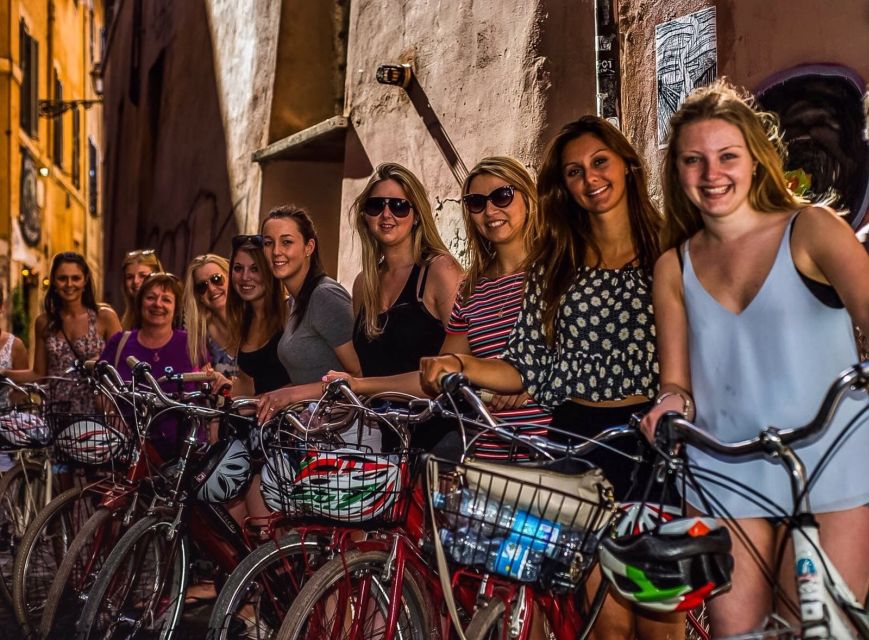
- The practical package is solid: A bike, helmet, and child seat are included, while food, drinks, and hotel transfers are not.
Why a bike is useful for seeing Rome in three hours
Rome can feel like a pile of separate cities. Trastevere has medieval lanes and local character. The ancient center is a field of ruins and grand imperial monuments. Around Trevi and the Spanish Steps, the streets become more polished and theatrical. Near the Tiber, Baroque Rome takes over.
Walking between all these areas takes time and energy. This bike route joins them into one story. You still need to pedal, but you avoid some of the long gaps between sights. You also get a better sense of how Rome’s hills, river, piazzas, and ruins fit together.
The route is not a quiet countryside ride. You are in a major capital, with traffic, pedestrians, uneven streets, and plenty to watch. Your guide leads the way and gives you the historical thread, but you should stay alert and follow instructions closely.
At $71 per person, the tour is not the cheapest way to see Rome. Still, the price includes the guide, bike, helmet, and child seat, and it packs a large part of central Rome into three hours. If you want orientation, photos, and stories before exploring on your own, the value is reasonable.
More Cycling Trips in Italy:
- Rome EBike Tour: Appian Way, Catacombs & Roman Aqueducts
★ 5.0 · 1,766 reviews - Rome: Top Highlights & Hidden Gems Tour by Cannondale E-Bike
★ 4.9 · 1,760 reviews - Rome: Appian Way & Aqueducts E-Bike Tour (Catacombs & Food)
★ 4.9 · 1,498 reviews
Starting in Trastevere at Via di San Calisto
The meeting point is Via di S. Calisto 9 in Trastevere. Arrive 15 minutes before the start so you can check in, get your bike, and prepare without cutting into the sightseeing time.
Trastevere is one of Rome’s most atmospheric areas, with narrow streets and old buildings. Beginning here sets the tone for the ride. You start in a neighborhood rather than beside a major monument, then work your way toward the grander sights.
The tour also returns here, which is handy. You can make plans for lunch or dinner in Trastevere afterward, though food and drinks are not included in the activity itself. Guides have sometimes shared restaurant suggestions at the end, a small but useful touch if you are still deciding where to eat.
Ask about the bike setup before you leave. A helmet is provided, and a child seat is available. The tour is not suitable for someone who cannot ride a bike, and the supplied information does not describe an alternative vehicle.
Aventine Hill and Rome from above
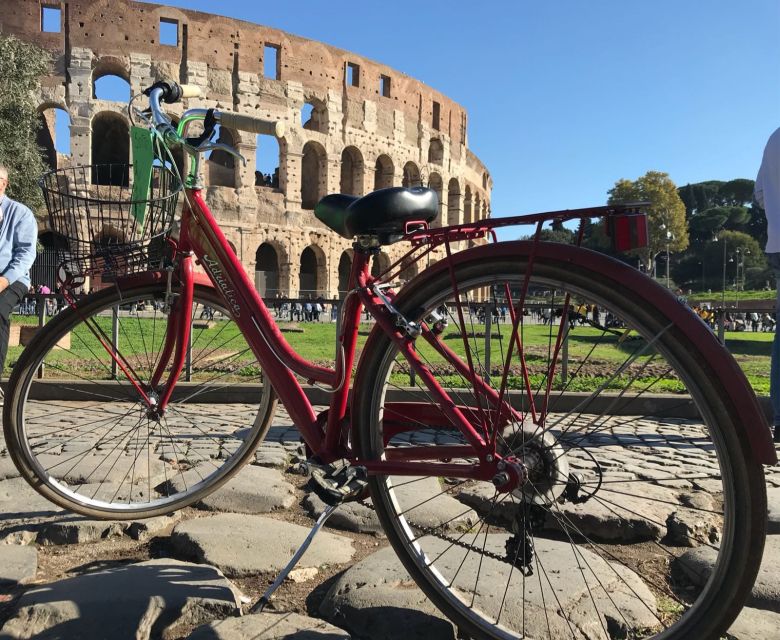
The first major viewpoint is Aventine Hill. This is one of the best choices on the route because it gives you a break from street-level sightseeing and a chance to understand Rome’s shape.
From higher ground, you can take in broad city views rather than focus on one statue or building. Your guide explains the setting and the stories tied to the hill. The stop also gives you an early photo opportunity before the route reaches the Colosseum and the crowded center.
There is a climb involved. It is not a flat ride from beginning to end, so you should be comfortable with some effort. The reward is a more complete view of the city, something that can be hard to find when you spend the whole day among Rome’s tall buildings and narrow streets.
Circus Maximus and the Colosseum
From Aventine Hill, the route reaches the Circus Maximus, the huge ancient racing ground. You may find it easier to understand this open space from a bicycle because you can cross along its edge and see its scale.
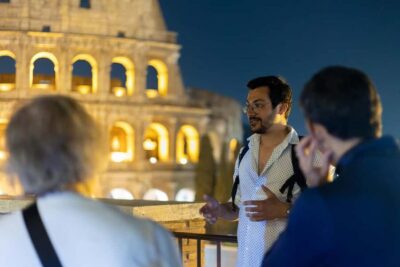
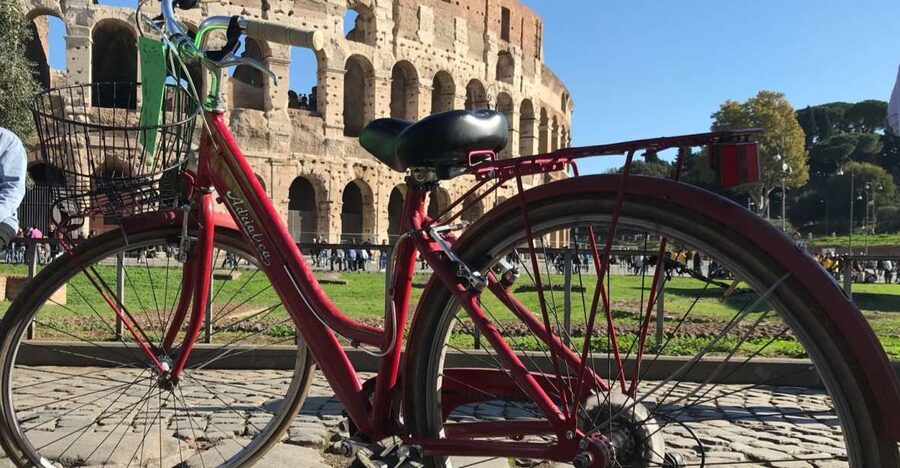
Then comes the Colosseum, the most famous symbol of imperial Rome. The stop is for sightseeing and photographs, with the guide explaining the monument and its place in the ancient city. You will not enter the amphitheater on this tour, and admission is not included.
That distinction matters. If walking through the Colosseum is a priority, book a separate timed entry. This bike tour gives you the outside view and the wider setting, including the ancient center around it. It is a useful first look, but not an inside visit.
The Colosseum stop is also a good example of the tour’s main strength. You are not parked at one monument for a long lecture. You see how the Colosseum relates to the Circus Maximus, the hills, and the Roman Forum area before continuing through the city.
Same roads, a different saddle:
- Rome: Appian Way, Catacombs, & Roman Aqueducts E-bike Tour
★ 4.9 · 1,421 reviews - Rome City Small Group Bike Tour with quality Cannondale EBike
★ 5.0 · 1,380 reviews - Milan: Hidden Gems Guided Bike Tour
★ 4.8 · 1,334 reviews - Tuscany Bike Tours Through the Chianti Hills with Wine Tasting
★ 5.0 · 1,300 reviews
Capitoline Hill and the Roman Forum panorama
After the Colosseum, you ride toward Capitoline Hill. This is another climb, but it brings one of the route’s strongest views: the Roman Forum spread below.
The Forum is easier to grasp from above. At ground level, the ruins can feel like scattered columns and broken walls. From Capitoline Hill, you see the former center as a larger archaeological scene, with roads, temples, and public spaces arranged beneath you.
Your guide fills in the gaps with stories about ancient Rome and the people who used these spaces. The exact amount of time at each stop can vary, so think of the ride as a guided introduction rather than a formal archaeological tour.
Capitoline Hill also marks a shift in the day. The route leaves the main imperial ruins and moves toward Rome’s fountains, churches, and grand squares. That change keeps the tour from becoming a single-period history lesson.
Trevi Fountain and the Spanish Steps
Trevi Fountain is one of Rome’s most theatrical stops. Water, stone, myth, and Baroque decoration all come together in a tight city space. You stop for a visit and photographs, but remember that the fountain area can be crowded and difficult to navigate with a bike.
The tour does not list a fountain-side meal or long free period, so treat this as a focused sightseeing stop. You get the setting, the guide’s explanation, and time for pictures before moving on.
Next comes the Spanish Steps and the church of Trinità dei Monti. The steps connect two busy parts of central Rome, while the church gives the upper viewpoint its character. This is a place where the city feels grand but compact, with elegant streets, old buildings, and a steady flow of people.
You should not expect to cycle over the Spanish Steps. The route takes you to the sight rather than turning it into a riding stunt. Be ready to pause, walk the bike where needed, and listen for the guide’s directions in crowded areas.
The Pincio balcony and Piazza del Popolo
The Pincio balcony adds another panoramic stop. Like Aventine Hill and Capitoline Hill, it shows why Rome is best understood from several angles.
From this viewpoint, you can look across the city and then continue toward Piazza del Popolo, one of Rome’s major public spaces. The square has a broad, open design that feels very different from the tight lanes around Trevi Fountain and Trastevere.
This section is especially useful if you enjoy city views more than a long list of indoor attractions. You get time to see the city’s roofs, domes, and hills, with the guide explaining what you are looking at.
The route includes several viewpoints because they do different jobs. Aventine Hill gives you an early sense of Rome’s setting. Capitoline Hill frames the Forum. The Pincio balcony opens the view across the modern city. Together, they make the ride feel more thoughtful than a simple checklist of monuments.
Piazza Navona and Bernini’s fountain
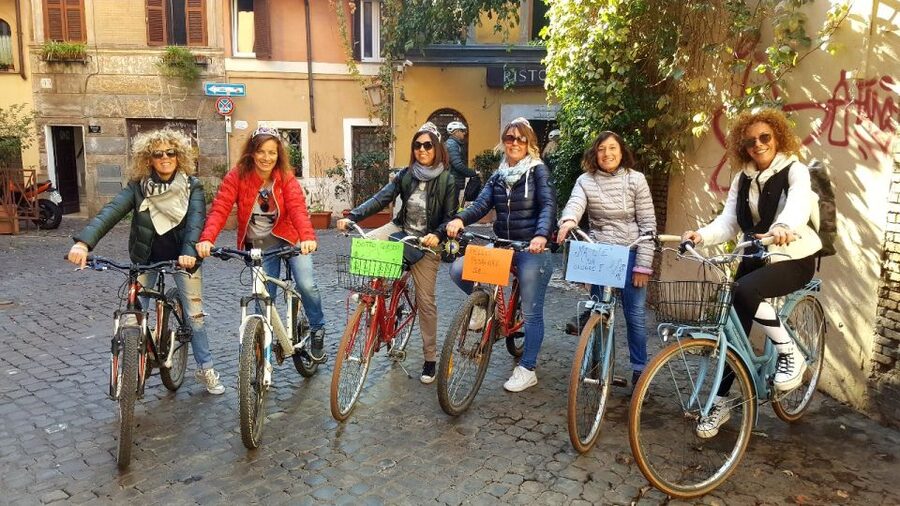
The route then returns toward the medieval center and reaches Piazza Navona. This long, elegant square is one of the best places to see Rome’s Baroque style in one glance.
The centerpiece is Bernini’s Fountain of the Four Rivers. Its sculpted figures and central obelisk give the square its theatrical focus. Your guide explains the fountain and the artistic rivalry connected with the square, adding human drama to what might otherwise be a quick photo stop.
Piazza Navona is also a good place to notice how Rome reuses its past. The square follows the shape of an ancient stadium, while the buildings and fountains belong to later periods. You are looking at layers of the city at once, not isolated attractions.
Because the stop is part of a moving tour, do not expect a long break for coffee or people-watching. If Piazza Navona grabs you, mark it as a place to revisit on foot later.
Castel Sant’Angelo and Saint Peter’s Basilica
The final section brings you to Castel Sant’Angelo and St. Peter’s Basilica. Castel Sant’Angelo began as a mausoleum and later served other purposes, making it one of Rome’s most striking examples of a building with several lives.
St. Peter’s Basilica provides the grand finish. Even from outside, its scale is hard to miss. The route lets you connect the fortress, the river area, and the Vatican district in one view.
This is another outside look rather than an interior visit. The tour does not include entry to St. Peter’s or the Vatican Museums, and there is no mention of reserved admission. If you want to visit inside, plan that separately and allow more time.
The route then heads back to Via di S. Calisto 9. Ending where you began keeps the logistics simple and leaves you in Trastevere, where you can continue exploring or find a meal.
Guides, languages, and the feel of the ride
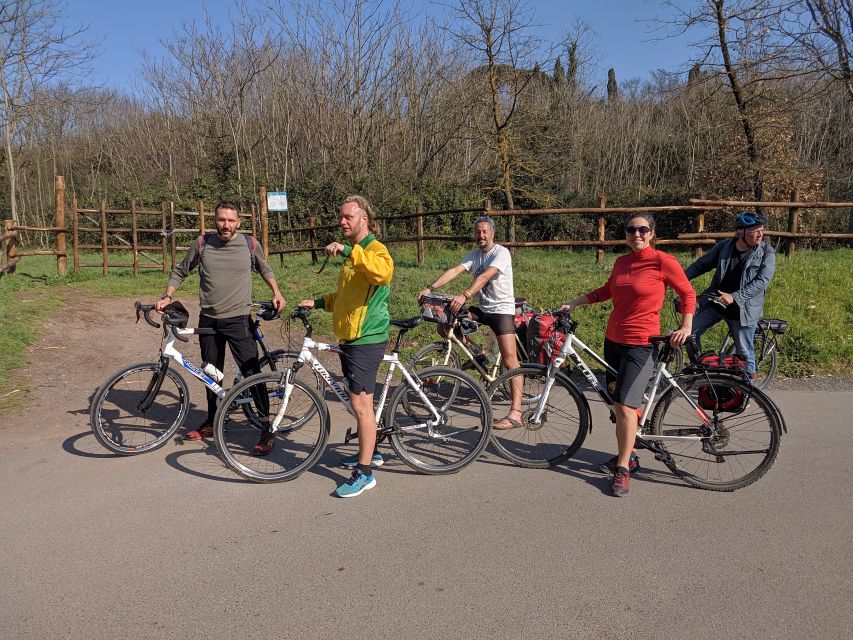
A live guide leads the tour in English, French, Spanish, or Italian. That matters because the value here comes from the explanations between stops, not just from being pointed toward famous buildings.
The guide team has included Lorenzo, Mario, and Maurizio. Past outings connected with these guides have included city anecdotes, church visits, restaurant suggestions, and unusual route choices. You may find the tone more personal than a large bus tour, especially if your departure runs as a small group.
The strongest praise has focused on friendly guiding, clear explanations, and entertaining stories. That fits this route well. Rome can be confusing when you see it as disconnected monuments, and a good guide helps you understand the links.
Still, the guide cannot remove every challenge of cycling in central Rome. You need to manage your own bike, keep up with the group, and handle the physical demands of hills and city streets.
Who should book this Rome bike tour
I would choose this tour if you have only a few days in Rome and want a strong first look at the city. It is also useful early in a longer stay because it shows you which areas deserve a return visit.
It suits adults, active families, and anyone who enjoys learning while moving. The child seat makes it more practical for some families, though the information provided does not specify age or weight limits, so ask before booking if that matters for your child.
I would be more cautious if you dislike cycling, have difficulty with hills, or want long visits inside monuments. This is a sightseeing ride with photo stops, not a museum tour.
Bring a passport or identification card. A copy is accepted. You do not need to bring a bike or helmet, but you should wear practical clothes and shoes that make three hours of riding comfortable.
Is the $71 price fair?
The price makes sense if you value time and orientation. For $71, you receive three hours with a guide, a bike, a helmet, and a child seat option. The route covers a wide sweep of Rome that would take much longer on foot.
The price is less attractive if your main aim is to enter the Colosseum, Vatican sites, or St. Peter’s Basilica. Those admissions are not included, and you will need separate plans for them.
Free cancellation up to 24 hours before the start and the option to reserve now and pay later make the booking less rigid. Check the available starting times before choosing, since the schedule can affect heat, crowds, and the feel of the ride.
Should you book it?
Book this tour if you want a lively overview of Rome, enjoy cycling, and like seeing famous sights from several angles. The hilltop views, Colosseum setting, Baroque fountains, and Trastevere start give the route real variety.
Skip it if you cannot ride a bike or if entering the major monuments is your top goal. For most active first-time visitors, though, it is a practical way to connect Rome’s ancient ruins, grand squares, and Vatican quarter before returning to the places that deserve a slower visit.
FAQ
How long is the Rome bike tour?
The tour lasts three hours.
Where does the tour start and finish?
It starts and ends at Via di S. Calisto 9 in Rome’s Trastevere area.
What languages are available?
The live guide is available in English, French, Spanish, or Italian.
Is the Colosseum entry included?
No. The tour includes a sightseeing and photo stop at the Colosseum, but admission is not included.
Are bikes and helmets provided?
Yes. A bike and helmet are included, and a child seat is also available.
Can I cancel the booking for a full refund?
Yes. You can cancel up to 24 hours in advance for a full refund.
Newest rides we have reviewed in Italy
- The heart of the 5 Terre: Monterosso and national park ebike tour★ 5.0 · 40 reviews
- Wine Tour Ebike Experience★ 5.0 · 175 reviews
- Montecatini Terme cycle and wine tasting visit★ 5.0 · 19 reviews
- E-Bike Val d’Orcia Experience★ 5.0 · 20 reviews
- 3 Hour E-bike Tour with Parmesan and Balsamic Vinegar★ 5.0 · 36 reviews
- Miles and smiles /// Milan’s ride★ 5.0 · 77 reviews
- Small-group Milan Highlights e-Bike Tour★ 5.0 · 113 reviews
- The Milan you don’t expect, bike tour with picnic on the lake★ 5.0 · 63 reviews
Italy Cycling Tours, compared.
Rome EBike Tour: Appian Way, Catacombs & Roman Aqueducts
Read our review →
Top Highlights & Hidden Gems Tour by Cannondale E-Bike
Read our review →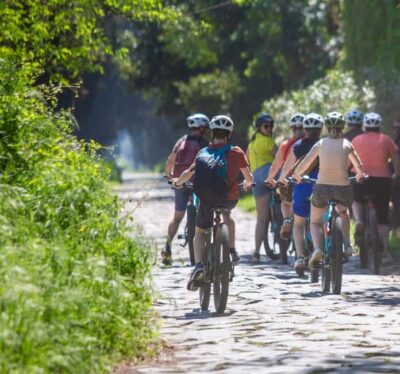
Appian Way & Aqueducts E-Bike Tour (Catacombs & Food)
Read our review →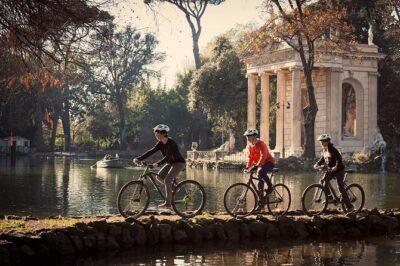
Rome City Small Group Bike Tour with quality Cannondale EBike
Read our review →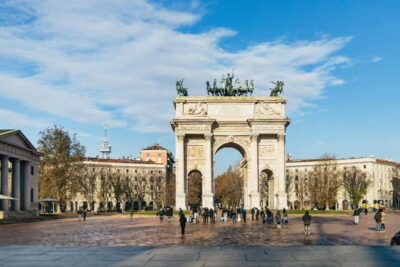
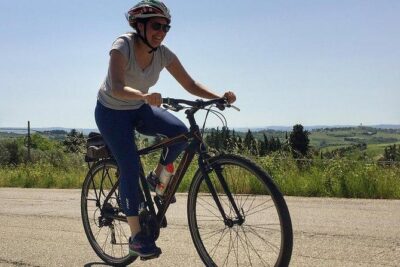
Tuscany Bike Tours Through the Chianti Hills with Wine Tasting
Read our review →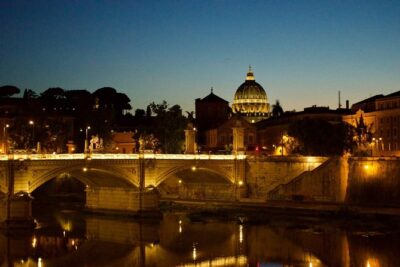
Rome by Night – Ebike Small Group Tour – Food and Wine (Option)
Read our review →