REVIEW · USA
Essential Portland: 2-Hour Guided Bike Tour
Portland makes sense from a bicycle seat. You can follow the river, cut through historic districts, and use the city’s well-known bike paths without spending two hours waiting in traffic. This 7 to 8-mile route also gives you a useful first look at Chinatown, the waterfront, the Park Blocks, and the Pearl District.
I like the mix of city views and local context, especially the stop at the Japanese American Historical Plaza and the ride beside Tom McCall Waterfront Park. I also like the relaxed pace, with several stops rather than one long push through town. The main consideration is fitness: the ride is described as easy, but one rider found a standard bike tiring even on mostly flat streets, so an e-bike may be worth choosing if you are not used to cycling.
Key points
- A practical first look at Portland: Cover several central districts and major sights in two hours.
- Riverfront riding: Follow scenic paths near Tom McCall Waterfront Park and the Willamette River.
- Local guides: Guides including Kevin, Bailey, Donovan, and Taylor have led the ride with history, route advice, and humor.
- Bike-friendly streets: Learn how Portland’s bike lanes and paths work while riding away from much of the traffic.
- Standard bikes or e-bikes: Multi-speed bikes are included, and an e-bike option is available.
- Good value for active sightseers: At $55, the tour combines equipment, guiding, and a broad central-city route.
Why a Bicycle Is a Smart Way to See Portland
Portland’s central districts are close together, but they are spread out enough that walking can eat up much of a short visit. A bicycle lets you cover more ground while still seeing the city at street level. You are not sealed inside a vehicle, and you do not have to keep stopping to cross wide roads or find a parking place.
This is a city orientation with exercise built in. You will ride past river views, public parks, older neighborhoods, and commercial districts where food, beer, and craft businesses shape the local character. The guide adds the useful layer: why Portland is known for cycling, how to use its bike lanes, and what you are looking at along the way.
The ride is casual rather than athletic. You should expect several stops and an easy pace, not a race or a long-distance cycling workout. Still, two hours on a bike can feel different depending on your habits, the weather, and the bike you choose.
More Two-Hour Experiences in the USA:
- 2-Hour Explore Savannah Bike Tour
★ 5.0 · 970 reviews - From Manhattan: 2-Hour Brooklyn Bridge Bike Tour
★ 4.4 · 230 reviews - Downtown Dallas Sightseeing & History 2 Hour E-Bike tour
★ 5.0 · 185 reviews
Starting at Cycle Portland on NW 3rd and Davis
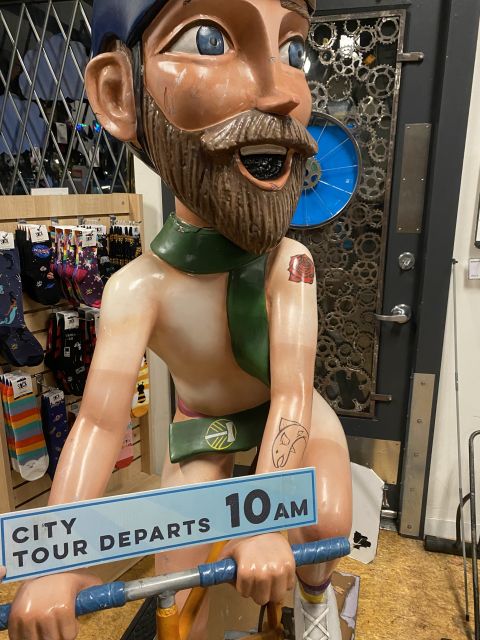
The meeting point is Cycle Portland, on the corner of NW 3rd and Davis, two blocks north of Burnside Street. Arrive 15 minutes before departure so you have time to get fitted to a bike and hear the basic riding instructions.
The supplied bikes are multi-speed models. That matters because even a mostly level urban route can include short rises, and shifting into an easier gear can save your legs. One rider specifically praised the guide’s advice on shifting uphill, a small lesson that can make the ride more comfortable.
An e-bike is available if you prefer motor assistance. I would give this option serious thought if you rarely cycle, have not ridden recently, or want to focus more on the city than on the workout. A standard bike is a reasonable choice for regular cyclists, but the experience is more enjoyable when the equipment matches your comfort level.
Wear closed-toe shoes and comfortable clothes. Bring water, sunscreen, and clothing suited to the forecast. Portland weather can change, and the tour runs rain or shine. Rain gear is supplied when needed, which helps, but you should still dress for the conditions rather than assume the ride will be dry.
The minimum height is 4 feet 10 inches. Children under 10 are not permitted, and the tour is not suitable for wheelchair users. There are no trailers, so families should check these rules before booking.
Chinatown and the Japanese American Historical Plaza
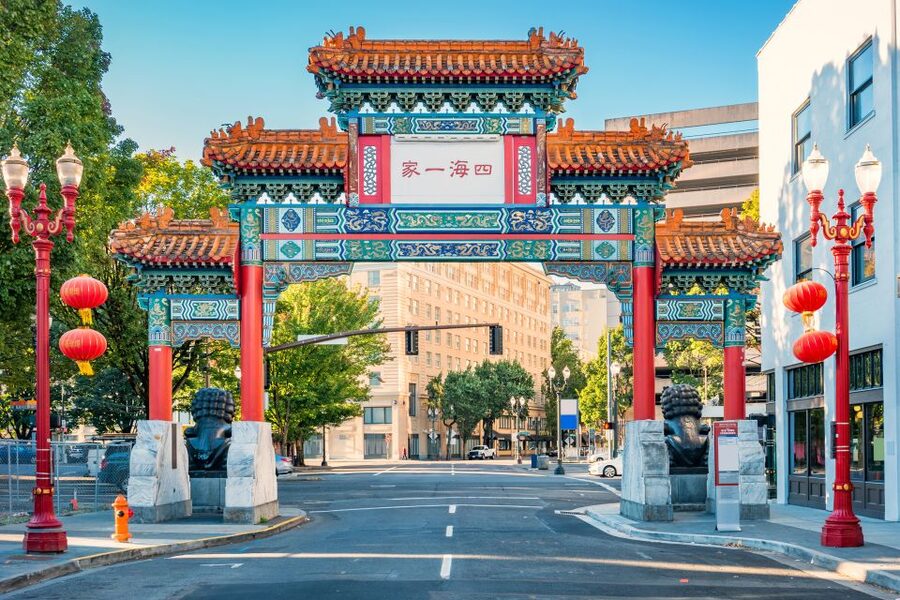
The route heads through the heart of Chinatown before reaching Tom McCall Waterfront Park. This opening section gets you into Portland’s center quickly, with the bicycle providing a close view of the streets and buildings rather than a distant look through a vehicle window.
The first major stop is the Japanese American Historical Plaza. It offers a clear view toward Portland’s changing city center and gives the guide a place to explain part of the city’s past. The plaza is also a useful pause early in the ride. You can take in the riverfront setting, adjust your bike, and settle into the pace before the route continues.
This stop adds substance to what could otherwise be a simple sightseeing loop. You are not only collecting photographs of the skyline. You are also hearing about the people and events connected to the place. The available tour information does not promise a long lecture, and that is probably right for a two-hour bike ride. Expect brief explanations at several points rather than a detailed museum-style presentation.
Tom McCall Waterfront Park and the River Views
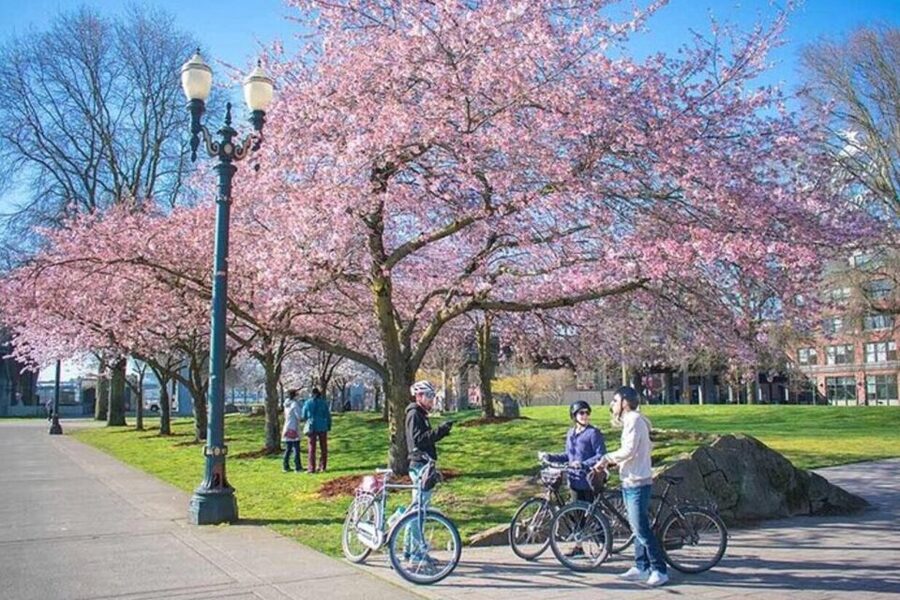
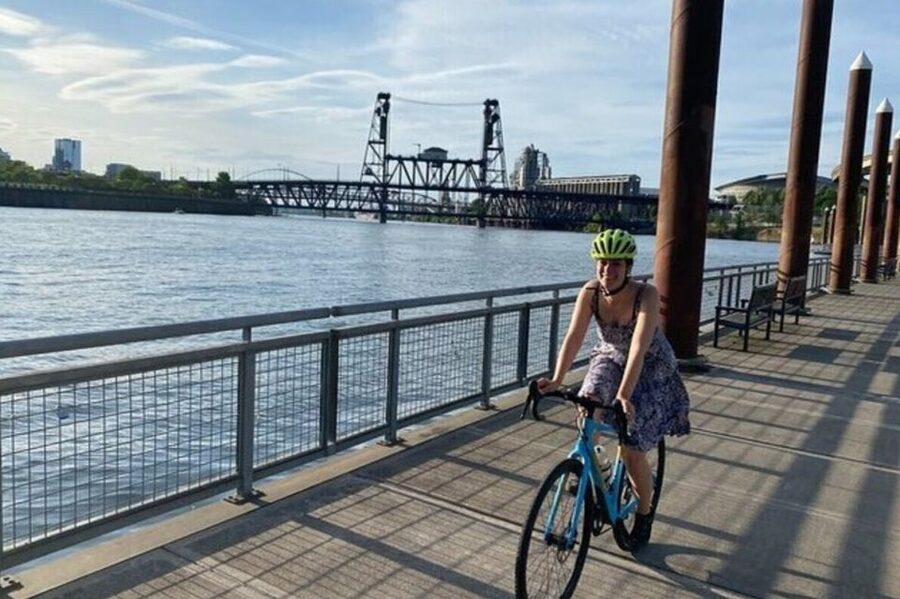
Tom McCall Waterfront Park is one of the strongest parts of the route. The park places you beside the river, with views toward Portland’s bridges and city center. You get the pleasure of moving through an open space after the tighter streets of downtown and Chinatown.
The ride here is also a good example of why cycling works well in Portland. The paths let you move at a steady pace while staying close to the water. You can look around without dealing with the full pressure of city traffic, though you still need to pay attention to other path users and follow the guide’s instructions.
A community rose garden is another highlight noted by riders on this route. Portland’s roses are part of the city’s identity, so this is a fitting local touch. It is not presented as a long garden visit, but as a stop folded into the ride. If you enjoy gardens, public spaces, and small city details, this will likely be more memorable than simply passing another office block.
The riverfront is also where the route shows its visual range. You may move from bridges and water to city streets within minutes. That changing view keeps the ride interesting and gives you a better sense of how Portland’s central districts fit together.
More Guided Rides in the USA:
- Guided Bike Tour of Old Town Key West
★ 5.0 · 2,611 reviews - Asheville Historic Downtown Guided Electric Bike Tour with Scenic Views
★ 5.0 · 1,234 reviews - Monterey’s 17 Mile Drive Guided Electric Bike Tour, 3 hr
★ 5.0 · 870 reviews - Red Rock Canyon Self-Guided Electric Bike Tour
★ 5.0 · 783 reviews
Bike Paths, Green Neighborhoods, and City Commerce
After the waterfront, the tour uses Portland’s bike paths and city streets to reach greener neighborhoods and active commercial areas. The route is designed to show how Portland’s bike network connects different parts of the center.
The value here is practical. You are learning the city by moving through it, not just looking at a map. A guide can point out when to use a bike lane, explain how to handle turns, and keep the group together. Donovan, one of the guides who has led the tour, was praised for explaining bike-lane rules clearly to a large group and for changing the route when part of a trail was closed.
That flexibility matters. Urban routes can change because of construction, closures, or local events. A good guide needs to make a sensible adjustment without losing the purpose of the ride. On this tour, the route has been adapted when necessary while still keeping the ride enjoyable and on schedule.
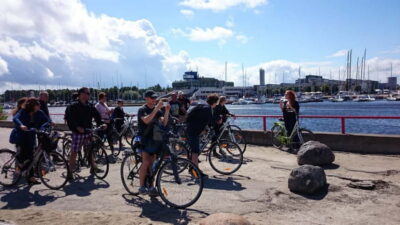
Group size can vary. One ride had 14 people, which is large enough that you should expect a group experience rather than a private outing. The guide’s role becomes important here. You need clear instructions, safe pacing, and regular regrouping points. The comments about the guides repeatedly point to those qualities, along with a friendly approach.
The Park Blocks and Portland’s Newest Park
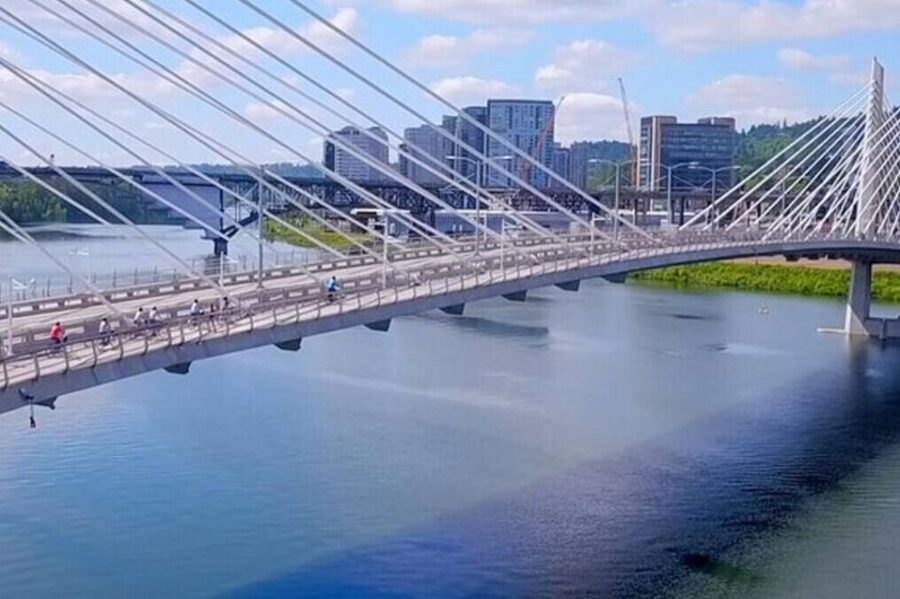
The tour then reaches the smooth paths of Portland’s Park Blocks. These linear green spaces offer a calmer section of the ride, with room to pedal and a different view of central Portland.
The Park Blocks are useful for understanding the city’s public-space planning. Instead of treating parks as isolated destinations, Portland has woven green corridors into the urban core. The guide can give this setting more meaning by explaining what you are seeing and how it fits into the city.
The route also includes a stop at the city’s newest park, described as a look toward the future of community spaces. The supplied details do not name the park, so you should not expect a specific attraction list in advance. The point is to see how Portland is using public areas for gathering, recreation, and neighborhood life.
This part may appeal most to you if you like urban design and public parks. If you want nonstop landmark photographs, it may feel less dramatic than the waterfront. I see it as a worthwhile change of pace, especially because it shows a side of Portland that is easy to miss on a standard downtown walk.
The Pearl District: Food, Beer, and Craft Culture
The final major section takes you through the Pearl District. Once associated with industrial buildings and rail activity, the district is now known for food, beer, and craft culture. The ride gives you an overview rather than time for a full tasting tour, so plan to return later if you want to eat or browse.
The Pearl is a good ending because it shifts the focus from parks and views to Portland’s social and commercial life. You see where the city’s dining and drink scene gathers, then finish with ideas for where to spend the rest of your day.
Do not book this ride expecting food or drinks to be included. They are not. The tour gives you the setting and some local direction, but any meal, snack, or beer afterward is your own expense.
What the Guides Add to the Ride
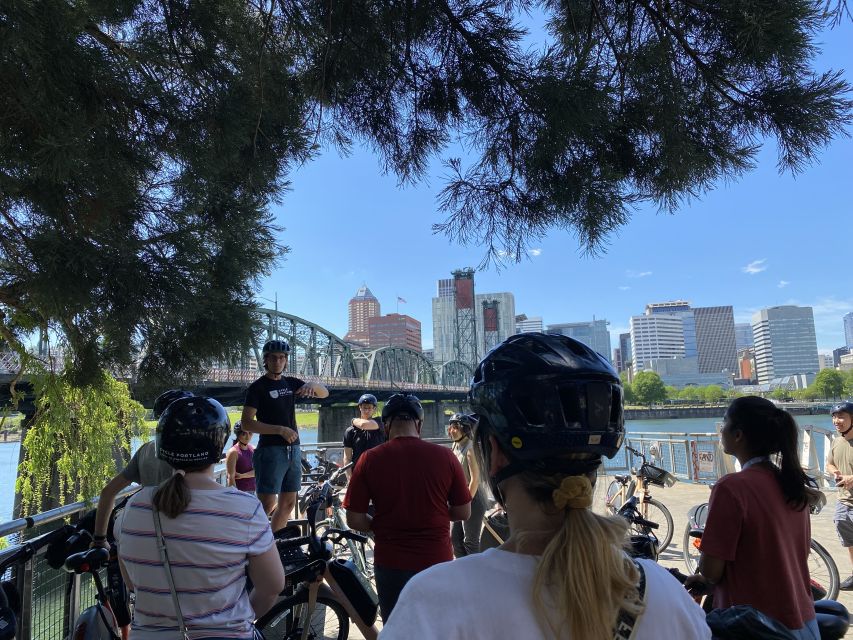
The guide can make or break a short city tour. Two hours leaves no room for long delays, and you need someone who can balance stories with movement. The guide roster has included Kevin, Jaydon, Donovan, Bailey, and Taylor.
Kevin has been praised for bringing energy to the ride, explaining Portland’s cycling reputation, and helping riders shift gears on uphill sections. Bailey has led rides that included the farmers market and a stop for drinking chocolate, adding a small food-related detail to the city introduction. Donovan has handled a larger group and adjusted the route around a trail closure.
Those examples suggest a tour that depends on the individual guide as much as the planned path. The core stops should remain similar, but the stories, local tips, and small route details can differ. That is a positive if you enjoy a human-led outing, though it means you should not expect an identical experience every time.
English is the tour language. The guide gives safety directions as well as city information, so you should be comfortable following spoken instructions while riding.
Is $55 a Good Value?
At $55 per person, the tour is fairly priced for a two-hour guided city ride that includes a bike, a local guide, and rain gear when needed. You are paying for more than access to a bicycle. The fee also covers route planning, equipment, group management, and the local stories that help connect the sights.
The value is strongest if you are new to Portland or have only one free morning or afternoon. You can see several central districts in a short time, then decide where to return on foot. It is also useful early in a trip because you learn the layout of the riverfront, downtown, Park Blocks, and Pearl District before exploring on your own.
The price is less compelling if you already know central Portland well, own a bicycle, and mainly want an independent ride. In that case, you may prefer to rent a bike and set your own route. You would lose the guide’s historical context and route support, but gain complete control over your stops.
The e-bike option may also affect the final price, though the supplied information does not state an additional cost. Check the booking details if motor assistance is important to you.
Who Will Enjoy This Tour Most?
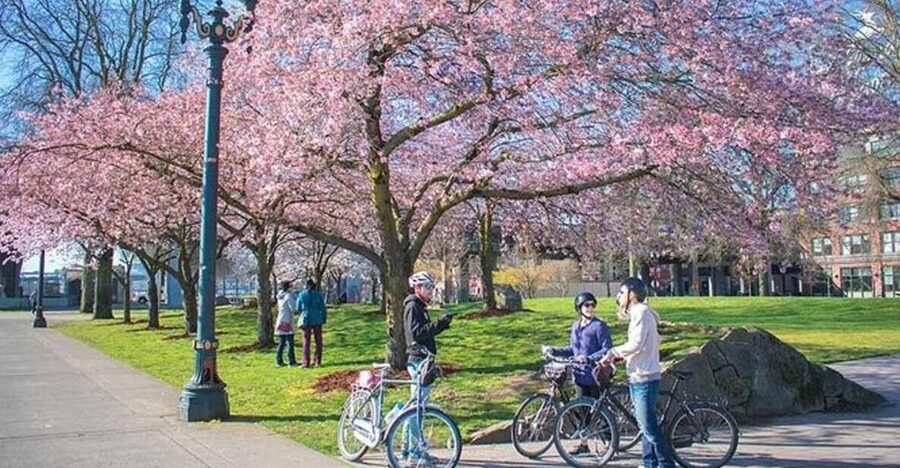
I would recommend this ride to first-time visitors, active couples, solo sightseers, and anyone who wants a broad city introduction without spending half a day on a bus. It also suits people who want to understand Portland’s cycling culture from inside the bike network rather than simply hear about it.
You will get the most from it if you are comfortable riding in an urban setting and can manage a steady two-hour outing. The pace is easy, but the distance is still 7 to 8 miles. Choose an e-bike if you are concerned about hills, stamina, or returning to cycling after a long break.
This is less suitable for young children, wheelchair users, or anyone who cannot comfortably ride a standard bike or e-bike. It is also not the right choice if your top priority is a long stop at each attraction. The tour keeps moving, with short visits and several points of interest.
Book at least 24 hours ahead if your plans may change, since cancellation is free up to that point. You can also reserve now and pay later, which helps if you are arranging a trip around uncertain weather or a changing schedule.
Should You Book the Essential Portland Bike Tour?
Book it if you want a friendly, active introduction to Portland and like the idea of seeing the riverfront, Chinatown, the Park Blocks, and the Pearl District in one outing. The strongest reasons are the manageable two-hour length, the mix of scenery and city context, and the chance to use Portland’s bike paths with a guide who knows how to keep the ride moving safely.
Choose the e-bike if fitness is a concern. Choose the standard bike if you ride regularly and want a little more exercise. Either way, arrive early, wear closed-toe shoes, bring water, and prepare for rain.
At $55, this is a solid choice for a first look at Portland, especially near the start of your visit. It gives you enough orientation to decide where you want to spend more time, while the river views and rose garden keep the outing from feeling like a basic transportation lesson.
FAQ
How long is the Essential Portland bike tour?
The tour lasts two hours and usually has morning and afternoon departure times.
How far do you ride?
The route covers about 7 to 8 miles at an easy pace, with multiple stops.
What sights does the route include?
You ride through Chinatown, Tom McCall Waterfront Park, the Japanese American Historical Plaza, Portland’s Park Blocks, a newer city park, and the Pearl District.
Is an e-bike available?
Yes. The tour is available on an e-bike, and multi-speed bikes are included. Check the booking details for the specific e-bike option and price.
What should I bring?
Bring a passport or ID card, sunscreen, water, comfortable clothes, weather-appropriate clothing, and closed-toe shoes. Rain gear is provided when needed.
Who cannot take this tour?
Children under 10, wheelchair users, and anyone under the minimum height of 4 feet 10 inches cannot take the tour. Trailers are not available, and tours operate rain or shine.
Newest rides we have reviewed in the USA
- Charleston Shores Guided eBike Tour★ 5.0 · 119 reviews
- Scenic Charleston Harbor & Wildlife E-Bike Tour + Milkshake Stop★ 5.0 · 86 reviews
- Outer Banks Film Location eBike Tour in Charleston★ 5.0 · 26 reviews
- Carmel-By-The-Sea Electric Bike Guided Tour★ 5.0 · 70 reviews
- Monterey 17-Mile Drive Electric Bike Guided Tour★ 5.0 · 78 reviews
- Monterey Bay Famous Dog Friendly Electric Bike and Sidecar Tour★ 5.0 · 26 reviews
- Electric Bike Rental for 17-mile Dr. Start on Cannery Row 4 hours★ 4.5 · 18 reviews
- Carmel-by-the-Sea 2.5-3 Hour Electric Bike Tour★ 5.0 · 109 reviews
2-Hour Experiences, compared.

Inverness Bike Tour a 2 hours guided bike tour around the Waterways of Inverness
Read our review →