
REVIEW · SPLIT
City Bike Tour of Split
Split is easiest to understand from two wheels. This tour links the old center, the waterfront, working-class neighborhoods, and the pine-covered slopes of Marjan Park in one outing. You get the city’s grand Roman core, but also its everyday streets and broad views over the harbor, islands, and hills.
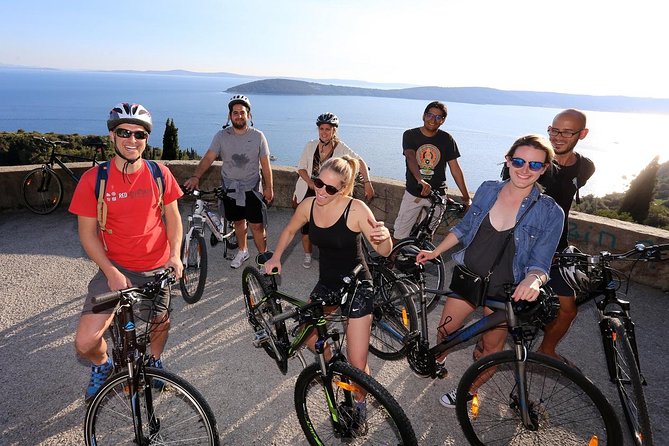
I like the small maximum of 15 people, which gives the guide a fair chance to keep the group together and answer questions. I also like the mix of city riding and nature: after the stone lanes and traffic near the center, Marjan brings shade, fresh air, and the best viewpoints of the day.
The main caution is the hill. The climb into Marjan Park can be long and demanding, even for a fit cyclist. A standard bike works for strong riders, but an e-bike is a smart upgrade if you dislike sustained uphill riding or want to save your energy for sightseeing.
Key points to know before you book
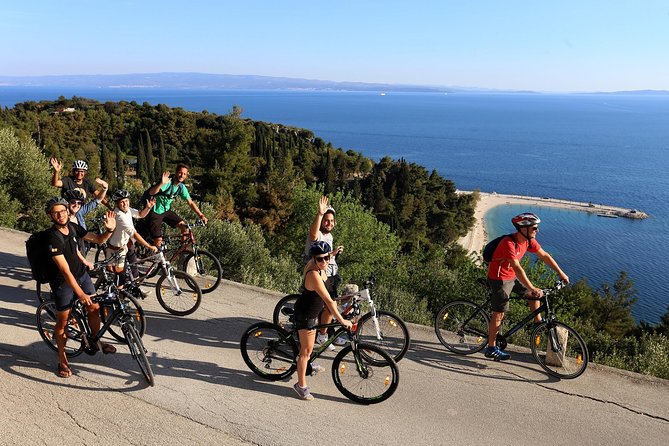
- Marjan Park is the physical and scenic heart of the ride, with pine shade and views toward Split’s marina, beaches, islands, and surrounding hills.
- The route covers far more than the Roman center, including the Riva, fish market, Croatian National Theatre, Poljud Stadium, Varos, and Sustipan.
- Regular bicycles and helmets are included, while e-bikes may be available for an extra charge.
- The tour lasts about three to three and a half hours, with time to stop for photos and hear local stories.
- The pace can be adjusted, but the ride may cover more than 10 miles and includes a serious uphill section.
- Guides such as Eva, Darla, Ivana, Yvonne, and Egor have been praised for local stories, safety, and personal help, though your guide will depend on the date.
Why a bike is useful in Split
Split’s historic center is compact, but the city’s character spreads beyond Diocletian’s Palace. On foot, you can see the palace, the Riva, and nearby markets with ease. Reaching Marjan, Varos, Poljud, and Sustipan takes more time and energy.
A bicycle solves that problem. You can move from the harbor to the old center, then out toward the wooded hill, without spending the day on buses or taxis. You also get a better sense of how the old city meets modern Split. Ancient walls, apartment streets, football culture, seaside paths, and quiet green spaces all appear on the same route.
This is not a gentle sightseeing pedal around flat streets. The ride may cover more than 10 miles, and the road into Marjan includes a notable climb. The guide normally slows down when needed and keeps the group together, but you should be comfortable riding for several hours.
The tour is a good match for anyone with moderate physical fitness who wants an active introduction to Split. If you rarely cycle, have trouble with hills, or are uneasy with height, ask about an e-bike before setting out. One rider specifically found the e-bike made the trip twice as pleasant, while another fit cyclist still found the climb tough on a regular bicycle.
More Cycling Trips in Croatia:
- Elafiti Islands Sea kayaking: Full-Day Bike and Kayak tour on Lopud and Šipan
★ 4.5 · 236 reviews - Hvar Island Self-Guided E-Bike Tour
★ 5.0 · 144 reviews - Split 3-Hour Guided Bike Tour
★ 4.8 · 117 reviews
Starting near the green market and Riva
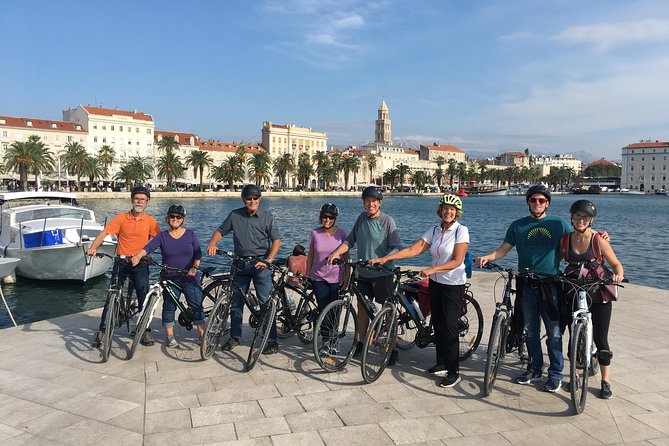
You meet Red Adventures Croatia at Ul. kralja Zvonimira 8, near the center of Split. The activity ends at the same meeting point, so you do not need to arrange a separate ride back to your hotel.
After receiving your bicycle and helmet, the group heads toward the city harbor and the main green market. This opening stretch helps you get your bearings before the ride reaches the Riva, Split’s seafront promenade.
The Riva gives you one of the clearest visual introductions to the city. On one side is the water and harbor activity. On the other are the roughly 1,700-year-old walls of Diocletian’s Palace. It is a striking meeting of Roman stone and modern seaside life.
Do not expect to enter the palace as part of this tour. The route passes by and around its exterior, offering an orientation to the complex rather than a formal palace visit. That is useful if you are new to Split, but you may want to return later for a slower walk through its courtyards, cellars, lanes, and cathedral area.
Cycling through the old center
From the waterfront, the route moves through the old town and past the fish market and Croatian National Theatre. This section puts you close to daily life rather than keeping you on a sightseeing track made only for visitors.
The fish market is one of the city’s useful snapshots. It connects Split’s coastal setting with ordinary shopping and local routines. The Croatian National Theatre adds another layer, showing that the old center is not simply an archaeological zone. It remains part of a working city.
You also pass Ottoman-era fortifications and other landmarks. The guide supplies the context, so this is where the quality of the commentary matters most. Guides including Egor, Eva, Ivana, and Darla have been praised for explaining how Split developed, answering questions, and pointing out details that are easy to miss from a car or tour bus.
There is one practical issue here: bicycle groups can be harder to hear than walking groups. If the street is noisy or the group spreads out, position yourself close to the guide and ask for repeats when needed. Some riders found parts of the commentary difficult to hear, especially with a larger group.
Split’s sports story and Poljud Stadium
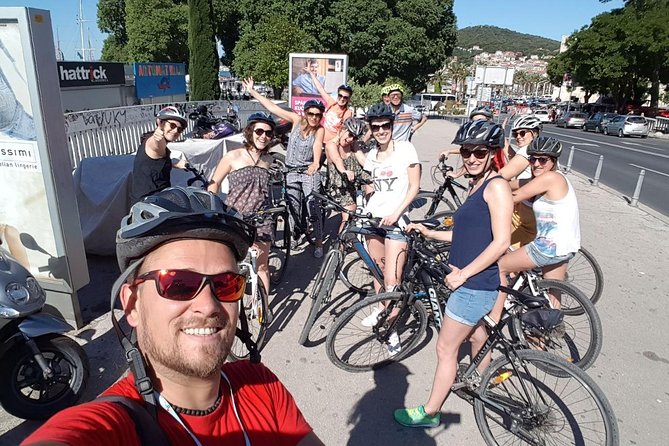
The route also touches Split’s strong sports culture and passes near Poljud Stadium. The guide explains the city’s record of Olympic success per person and the local passion for football.
This adds useful local color. You are not only seeing monuments. You are learning what matters to people who live here. In Split, sport is a major part of civic identity, and the stadium helps make that story concrete.
The stop at the stadium also breaks up the historic material. After Roman walls, markets, and fortifications, you get a look at a more recent part of the city. The exact amount of time spent at each point can vary, but the route is designed as a moving overview rather than a series of long formal visits.
Same roads, a different saddle:
- Split City Electric Bike Tour
★ 4.9 · 106 reviews - Split Electric Bicycle Tour
★ 5.0 · 105 reviews - E-Bike Tour + Gourmet Snack + Wine Tasting (Small Group)
★ 5.0 · 95 reviews - Zagreb: 2.5-Hour Highlights Bike Tour
★ 4.8 · 93 reviews
The climb into Marjan Park
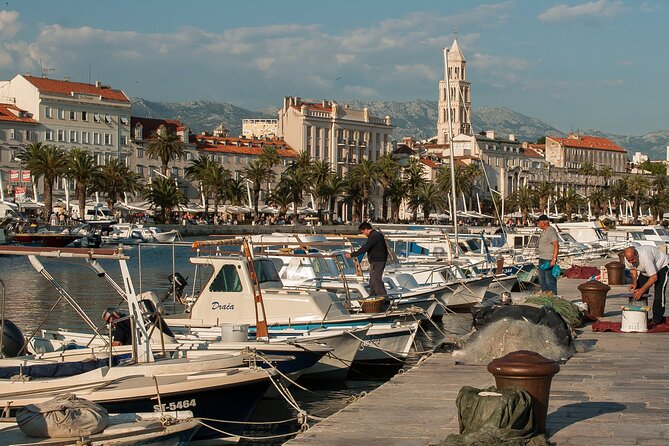
Marjan Park is the main reason to consider this tour instead of a short city-center bike ride. The road rises into a large recreational area on the western side of Split, where pine trees provide shade and the city begins to fall away below you.
The climb is the hardest part of the route. Some riders describe it as tough and long, while others find it challenging but manageable. Your guide should slow the group and wait as needed, but the tour still requires real effort on a standard bicycle.
An e-bike can change the experience considerably. It does not remove the need to steer or pedal, but it reduces the strain on the uphill sections. If you are uncertain about your fitness, prefer not to arrive tired, or simply want to focus on the views, ask about the upgrade when booking.
Once higher on the hill, the reward is immediate. You can look across the marina, beaches, islands, and hills around Split. The descent is much easier, with long stretches requiring little pedaling. Bring a phone or camera, since the stops in Marjan are among the best chances for wide photographs of the city.
Marjan also changes the mood of the tour. The center is full of stone, traffic, shops, and close-set streets. Here, the route passes through pine shade and open viewpoints. You get a welcome pause from the urban setting without leaving Split.
If you dislike heights, pay attention to the route description and pre-ride briefing. One rider wished the higher section had been made clearer before the tour. The views are a highlight, but the raised viewpoints may not suit everyone.
Varos and the city’s older working neighborhoods
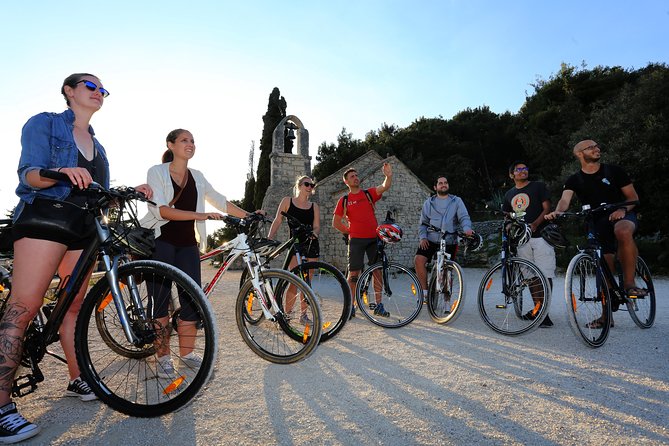
After Marjan, the route heads through Varos. This neighborhood once housed farmers, fishermen, and working people in tightly packed homes. Its narrow streets offer a different look at Split than the monumental center.
Varos is valuable because it shows how people lived around the palace rather than only what emperors built. The streets are close and irregular, and a bicycle gives you a quick sense of the neighborhood’s layout. You should not expect a long stop at every lane, since the tour has several areas to cover, but the guide helps connect the streets to the city’s social past.
This part of the ride also requires care. Narrow streets and a group of bicycles call for a controlled pace. Stay behind the guide, watch the riders around you, and listen for instructions.
Finishing at Sustipan
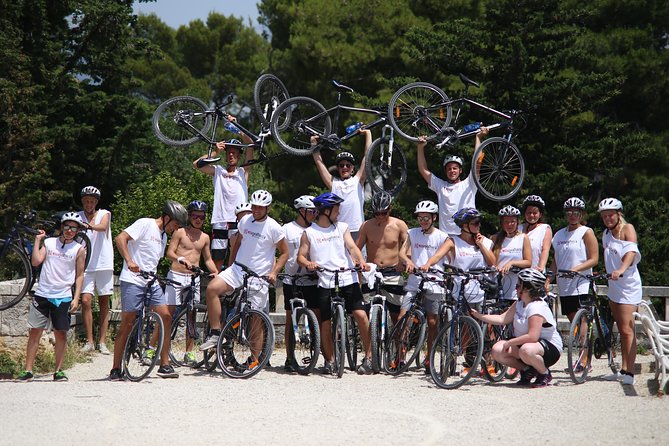
The final stop is Sustipan, an old area with a strong connection to Split’s past and its position beside the sea. It gives the tour a quieter ending after the old town and the Marjan climb.
The ride then returns to the original meeting point. Since the tour ends where it begins, you can continue into the center afterward without sorting out transport. Several guides have also offered suggestions for lunch or additional sights, so this is a good moment to ask what fits your plans.
What the guides add
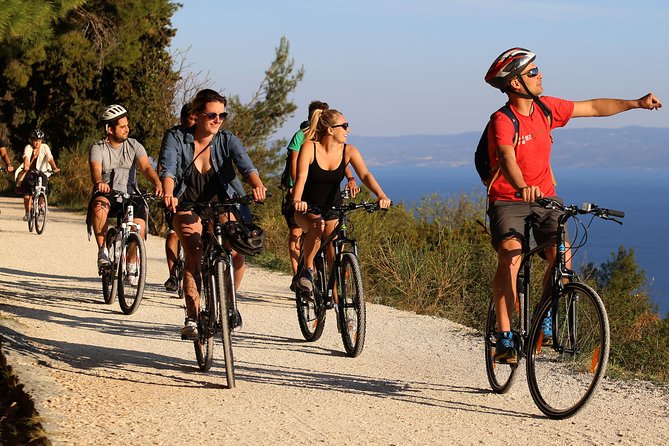
The guide is central to the value of this experience. A bicycle gets you from place to place, but the stories turn the route into more than exercise.
Egor has been praised for giving clear historical background and recommending places to see without a bicycle. Eva has been noted for adapting to the group, pointing out local sites, and suggesting a nearby lunch spot. Darla has been described as friendly, informative, and careful about keeping the group together, including on the Marjan climb.
Ivana has received especially warm praise for making the outing feel personal and for helping with practical onward-travel advice. Yvonne has been singled out for her local knowledge, conversation, and skill in showing less obvious parts of Split. These names do not guarantee who will lead your departure, but they give you a sense of the guide style to expect: informal, story-led, and attentive to the group.
Weather flexibility is another plus. When a thunderstorm affected one departure, the start time was shifted until the rain passed. That kind of adjustment depends on conditions and availability, but it shows why you should provide a working phone number when booking.
Group size, bikes, and comfort
The stated maximum is 15 people. That is still large enough for the group to stretch out on busy streets, but it is more manageable than a large bus-style outing. Some departures may feel bigger than expected, especially when riders have different speeds.
A staff member may ride at the back to help prevent anyone from getting lost. The guide may also slow down for uphill sections. Even so, you should not treat this as a flat, easy ride.
Wear comfortable clothes and shoes suitable for pedaling. Food and drinks are not included, so carry water or plan to buy something before or after the ride. The bicycle and helmet are provided, and you must give the operator each rider’s height when booking so the bikes can be prepared properly.
Children must be accompanied by an adult. The activity is near public transportation, but hotel pickup and drop-off are not included.
Is $53.95 a fair price?
At $53.95 per person, the tour costs more than simply renting a bicycle for a few hours. You are paying for the bike, helmet, local guide, route planning, group support, and the ability to cover several distinct parts of Split in one morning or afternoon.
The value is strongest if you have limited time in the city. In roughly three to three and a half hours, you see the waterfront, palace walls, central landmarks, Poljud, Marjan, Varos, and Sustipan. Reaching all of those places independently would take more planning, and you might miss the stories that connect them.
The price is less compelling if you only want to see Diocletian’s Palace. The palace itself is best explored slowly on foot, and this bike tour does not function as an interior palace visit. It makes more sense for you if the goal is a broad introduction to Split, with exercise and viewpoints included.
The tour has a 4.9 rating from 331 reviews and a 99 percent recommendation rate. Those figures suggest a consistently strong experience, but the recurring caution remains important: the hill is real, and standard bikes are not ideal for everyone.
Should you book the City Bike Tour of Split?
Book it if you want to see more than the palace and Riva, enjoy active sightseeing, and have moderate fitness. It is especially useful early in your stay, since the route gives you a working map of Split and may point you toward places to revisit on foot.
Choose an e-bike if you are unsure about the climb. Ask about height requirements, meeting details, and the bike option before the day of the tour. If you dislike hills or heights, this may not be the right fit, even though the views from Marjan are excellent.
For most active visitors, this is a strong-value introduction to Split. You get Roman walls, local neighborhoods, sports culture, sea views, and a shaded hill ride in one well-packed outing.
FAQ
How long does the City Bike Tour of Split last?
The tour lasts approximately three to three and a half hours.
What sights does the route include?
The route includes the harbor, green market, Riva, Diocletian’s Palace exterior, Croatian National Theatre, fish market, Ottoman-era fortifications, Poljud Stadium, Marjan Park, Varos, and Sustipan.
Are bicycles and helmets provided?
Yes. A high-quality bicycle and helmet are included.
Is an e-bike included?
The listed inclusions cover a standard bicycle. E-bikes may be available as an optional upgrade, so ask the operator about availability and cost before the tour.
How difficult is the cycling?
You need a moderate level of physical fitness. The route may cover more than 10 miles and includes a long uphill section in Marjan Park.
Where does the tour start and finish?
It starts at Ul. kralja Zvonimira 8, 21000 Split, Croatia, and ends back at the same meeting point.
Can I cancel for a full refund?
You can cancel at least 24 hours before the local start time for a full refund. Cancellations or changes made less than 24 hours before departure are not accepted for a refund. Poor weather or failure to reach the minimum number of participants may lead to a different date or a full refund.
Newest rides we have reviewed in Croatia
- Hvar Island Self-Guided E-Bike Tour★ 4.9 · 24 reviews
- Hvar Island E-Bike Tour with Wine Tasting and Starters★ 4.9 · 25 reviews
- From Zadar: Full-Day Ugljan Self-Guided Bike Tour★ 4.7 · 12 reviews
- Explore Zadar: Laid-Back Fun Bike Tour★ 4.8 · 35 reviews
- Zagreb: 2.5-Hour Highlights Bike Tour★ 4.8 · 93 reviews
- Best of Zagreb: 4-Hour Cycling Tour★ 4.9 · 13 reviews
- Split Electric Bicycle Tour★ 5.0 · 105 reviews
- Split 3-Hour Guided Bike Tour★ 4.8 · 117 reviews
Croatia Cycling Tours, compared.
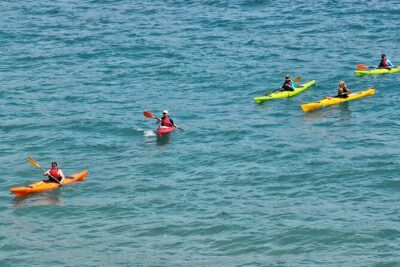
Elafiti Islands Sea kayaking: Full-Day Bike and Kayak tour on Lopud and Šipan
Read our review →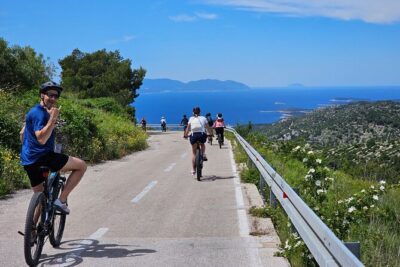

E-Bike Tour + Gourmet Snack + Wine Tasting (Small Group)
Read our review →

Korcula Bike & Wine Tour | Wine Tasting in Lumbarda
Read our review →Other lists this ride turns up in