
REVIEW · INDONESIA
From Ubud: Downhill Bike Tour with Rice Terraces and Meal
The best part of this six-hour outing is that it shows you rural Bali at a gentle pace. You begin high on Kintamani volcano, with views toward Lake Batur, then coast down through rice fields, family compounds, temples, and villages on the way to Ubud. I especially like the easy downhill route and the chance to hear about daily Balinese life from guides such as Agus and Wayan.
I also like the coffee plantation stop and local meal, which make this more than a bike rental with a scenic road attached. The main drawback is that it is not a serious mountain-biking trip. Most of the ride is on paved roads, and traffic can feel close in places. You will also spend a fair amount of time in the minivan, especially if several hotel pickups are needed.
Key points at a glance
- About 23 kilometers downhill: You will pedal very little for much of the ride, but you will use the brakes often.
- Kintamani starting point: The day begins with mountain views, Lake Batur, and a look toward the volcano.
- Culture along the route: Guides explain Balinese houses, temples, family life, schools, religion, and village customs.
- Coffee and breakfast included: A plantation visit brings tastings of local coffee and tea, plus a light breakfast.
- Rice terraces and craft villages: You will pass rural scenery before reaching the better-known Ubud area.
- Good value at $40: Transport, bike, guide, entrance fees, breakfast, and a main meal are included.
Why this downhill ride shows you more than central Ubud
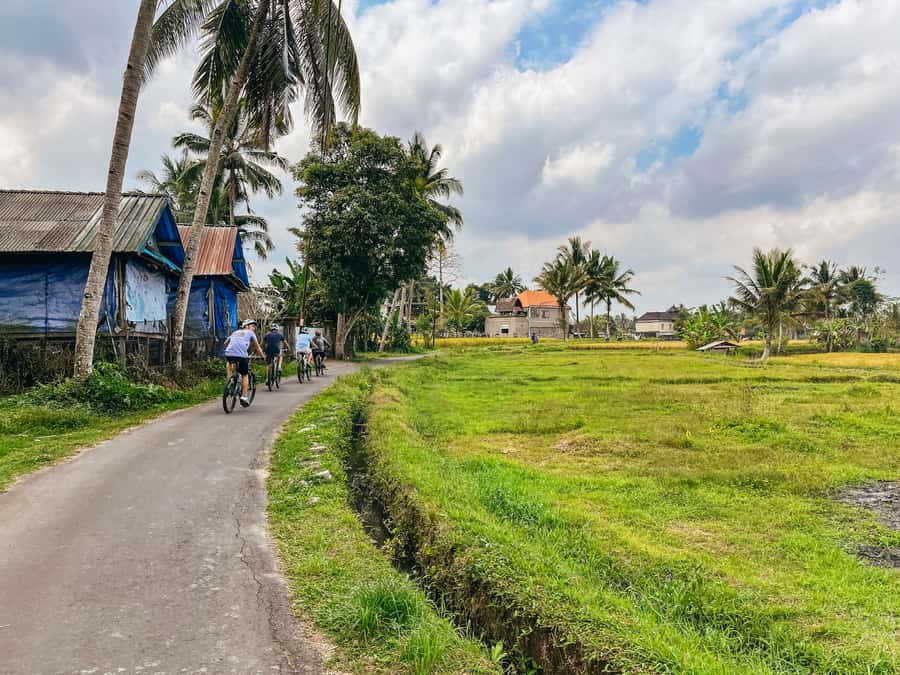
Central Ubud can be crowded, noisy, and slow-moving. This tour gets you out of the traffic and into the countryside, where the scenery changes from volcanic highlands to rice paddies and small villages. The bike gives you a better view than a minivan window, while the downhill route keeps the physical effort modest.
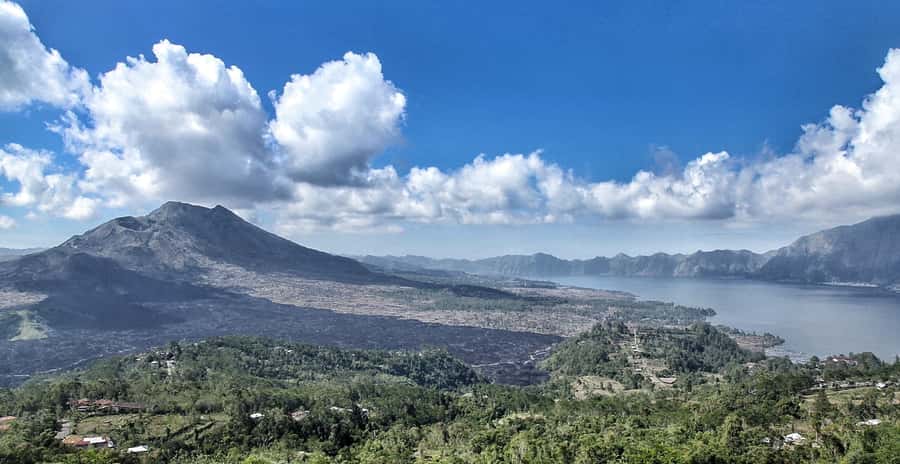
The ride usually begins on the slopes of Kintamani, near the Mount Batur area. The high starting point matters: you get the mountain views before moving into warmer, lower country. On a clear day, the opening views toward Lake Batur and the volcano are among the strongest sights of the day.
I would describe this as a cultural bike tour with a scenic downhill route, not an off-road cycling adventure. You will ride on paved roads, with village lanes and stretches where cars and motorbikes share the road. The guides lead from the front and help manage the group, while another guide may ride behind to keep people together.
That arrangement is useful for mixed groups. Confident cyclists can enjoy the flow of the route, while less active riders can take it slowly. Still, downhill cycling is not entirely effortless. You may need to brake for much of the trip, and one rider noted that gripping the brakes for a long time was more tiring than pedaling.
More Mountain Bike Tours in Indonesia:
- Bali: Kintamani Downhill Bike Tour, Jungle and Waterfalls
★ 4.9 · 20 reviews - Waimea Canyon Downhill Bike Ride
★ 5.0 · 650 reviews - La Paz: Mountain Bike Down the World’s Most Dangerous Road
★ 4.9 · 386 reviews
Hotel pickup and the climb to Kintamani
Pickup is included from hotels in the Ubud area. The air-conditioned minivan is a welcome part of the day, since the ride starts high above Ubud and the drive takes you through the island’s interior. Pickup from outside Ubud is possible, but an additional charge applies.
Allow some patience at the start. With several pickups, the trip to the cycling point can take longer than expected. One reported experience stretched to about six hours in the car and activity combined because of a vehicle problem and extra pickup time. That is not the normal promise of the tour, but it is a useful reminder to avoid scheduling a tight evening appointment afterward.
The road to Kintamani is part of the sightseeing. The mountain air, Lake Batur, and volcano views give you a clear sense of how far above Ubud you have climbed. At the starting point, the crew provides a bicycle suited to your needs, along with a helmet and a safety briefing.
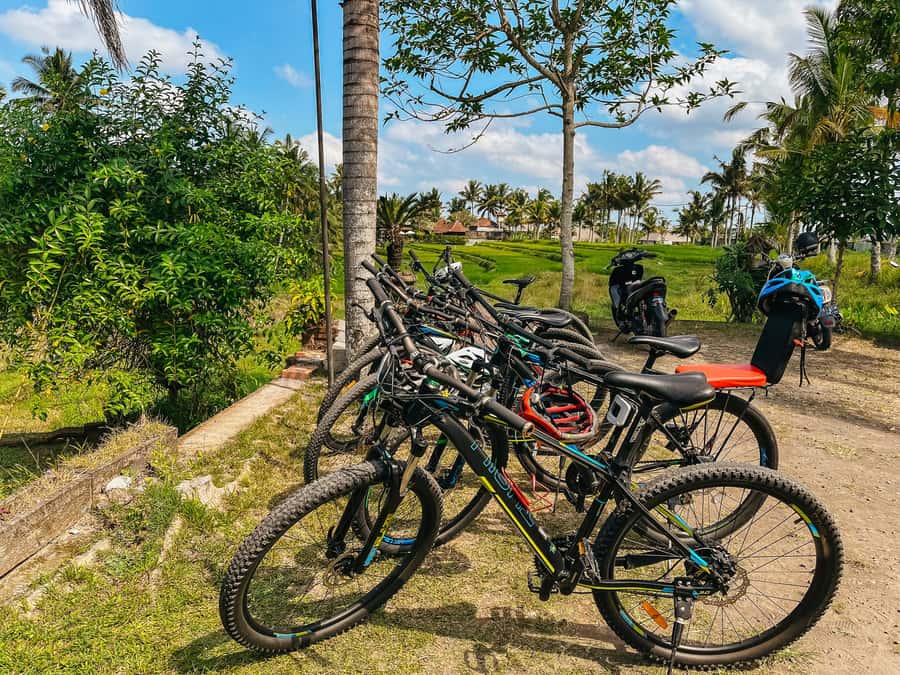
You can expect instructions on hand signals and road behavior before setting off. The equipment has generally been described as being in good condition, including the brakes. Water is provided, and rain ponchos may be available when the weather turns wet.
Coffee plantation, breakfast, and the first taste of Bali
Before the main ride, the tour visits an organic coffee plantation. This is not just a quick roadside photo stop. You can walk through the growing area, learn about local products, and sample several coffees and teas. The tasting may also include cocoa and other drinks.
Breakfast is served here and is usually light, with pancakes and fruit mentioned as examples. It gives you something to eat before the ride, though the timing can vary. If you tend to get hungry between breakfast and lunch, bring a small snack, since one person found the wait for lunch long and wished there had been something extra to eat.
The plantation also has products for sale. Buying coffee or cocoa is optional, and alcoholic drinks are not included, though they can be purchased separately where available. I would treat this stop as both a meal break and a chance to understand one of Bali’s small local businesses, rather than as the central attraction.
The downhill route and how hard it really is
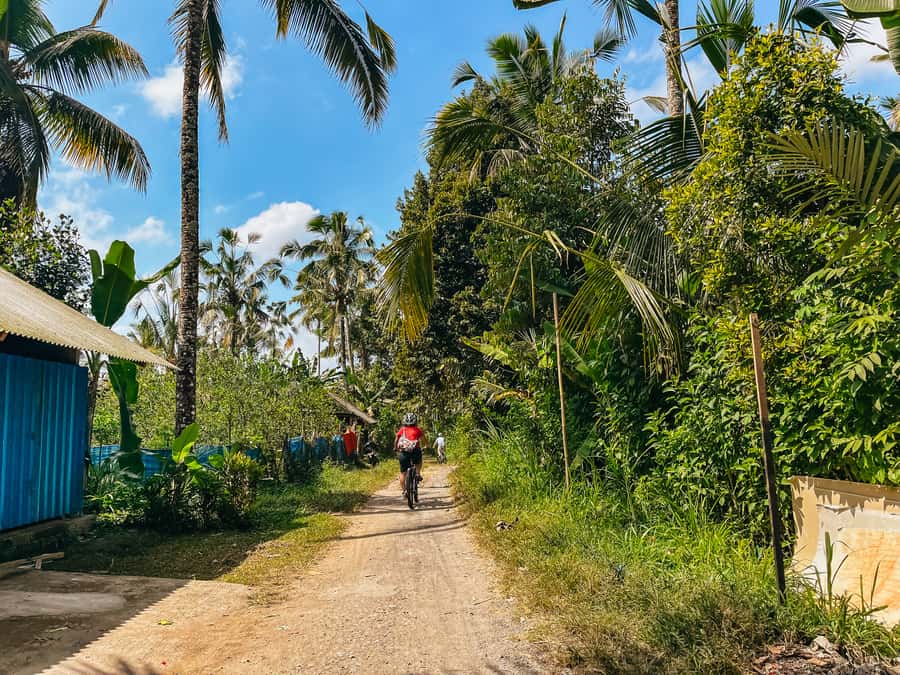
The cycling section is roughly 23 kilometers, based on the route described by the guides. Most of it runs downhill, so you will coast for long stretches and pedal only lightly. This makes the activity suitable for people who are not regular cyclists, including families with teenagers and adults who have not ridden for a while.
That does not mean you can switch off completely. You need to control your speed, watch the rider ahead, and use the brakes often. Some roads carry cars and motorbikes, and a few riders found those stretches stressful. The guides help direct the group, but you remain responsible for riding carefully and following their signals.
The reward is the changing view. The route moves from mountain country into rainforest, then toward rice fields, village streets, temples, and family compounds. You get a steady picture of how rural Bali is organized, rather than seeing only one polished attraction.
Rain does not necessarily end the outing. Several rides have gone ahead in wet weather, with guides providing ponchos when needed. Rain can make roads slippery and reduce visibility, so the pace may be slower. Bring sunscreen too, including the backs of your hands and ears. The tropical breeze can make the sun feel less intense than it is.
More Cycling Trips in Indonesia:
- Electric Cycling Tour of Ubud with Free Hotel Transfer and Lunch
★ 5.0 · 1,397 reviews - Menoreh Village Cycling
★ 5.0 · 611 reviews - Ubud: Rice Terraces & Villages Half-Day Fat Tire E-Bike Tour
★ 4.9 · 602 reviews - Ubud: Downhill Cycling with Volcano, Rice Terraces and Meal
★ 5.0 · 536 reviews
Rice terraces and the subak irrigation system
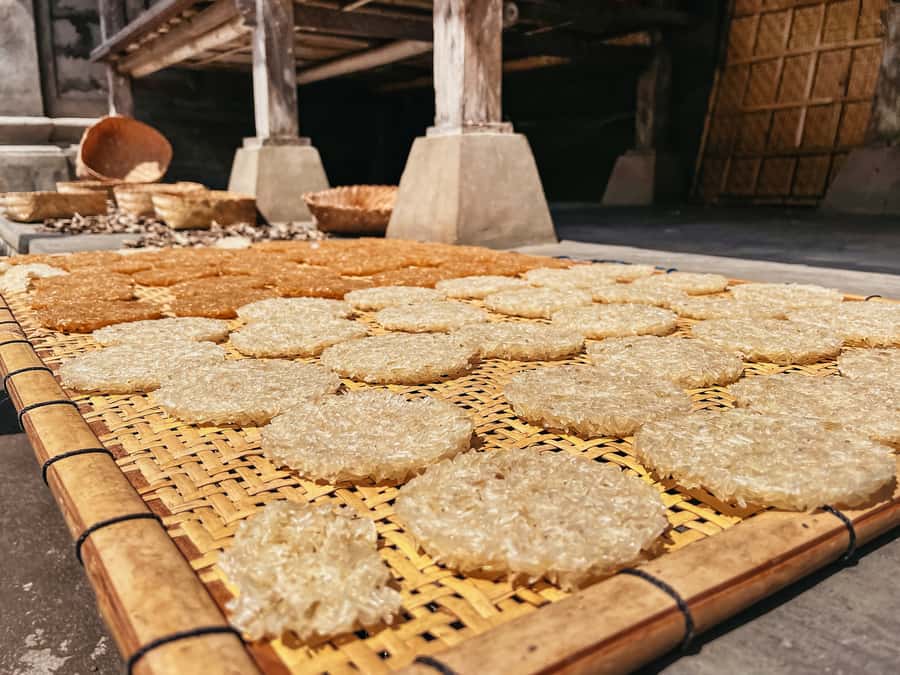
A walk through the rice terraces gives the cycling route a useful cultural focus. These paddies are not simply pretty green steps on a hillside. The guide explains the subak irrigation system, the traditional method used by farming communities to share water and manage rice production.
This stop is where the tour connects scenery with local life. You can see how the rice fields depend on cooperation, seasonal work, and careful water control. The terraces also offer a slower moment after the downhill riding, with time to walk, listen, and take photographs.
Conditions underfoot can change, especially after rain. Wear shoes that can handle a village walk and do not mind getting dusty or damp. The route is not presented as a demanding trek, but the day includes more than simply sitting on a bicycle.
Villages, schools, temples, and family compounds
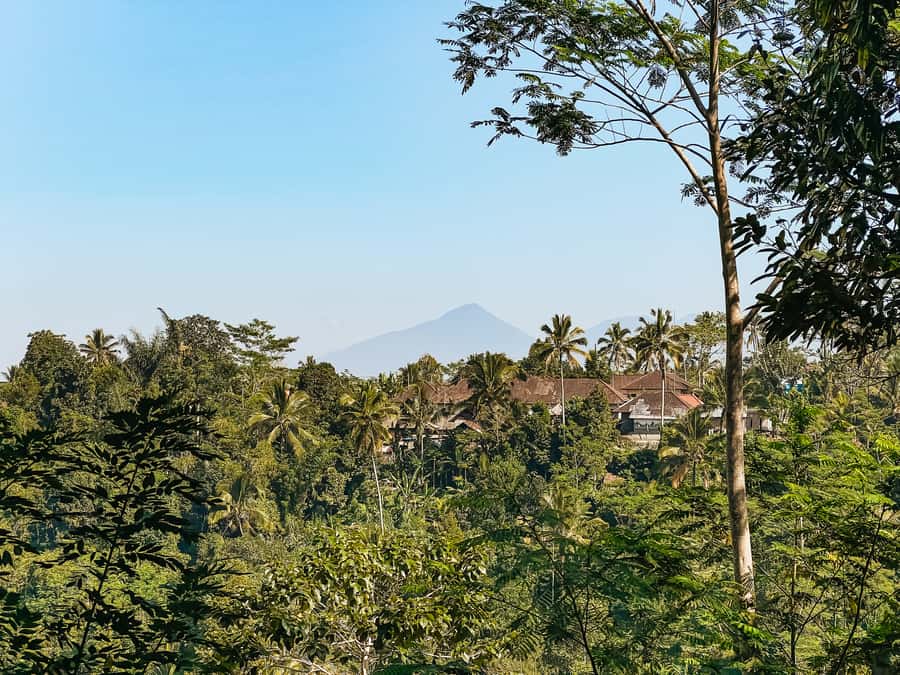
The strongest cultural element comes from the people leading the ride. Guides including Agus, Wayan, and Ogus have been praised for explaining Balinese family life, faith, traditions, and village customs in clear English. Other language options include Indonesian, French, Italian, and Spanish.
The stops can include a local school, a temple site, a traditional Balinese home, and a family compound. These visits help explain details you might otherwise pass without noticing, such as house layouts, religious spaces, village organization, and the role of extended family.
One guide has taken visitors to his former primary school, while another has shared personal stories about growing up in Bali. That personal connection gives the commentary more weight than a standard list of dates and facts. You can ask questions as you go, which is especially helpful if you want to understand why offerings, shrines, ceremonies, and household spaces appear throughout the countryside.
The tour also passes craft villages associated with Ubud. You may see wood carving, silver jewelry, and woven textiles made with traditional methods. The exact amount of time spent watching artisans can vary, so do not book this expecting a full workshop or hands-on craft lesson. The value is in seeing these villages as working communities rather than only visiting a shop in central Ubud.
Lunch in Ubud and the day’s overall value
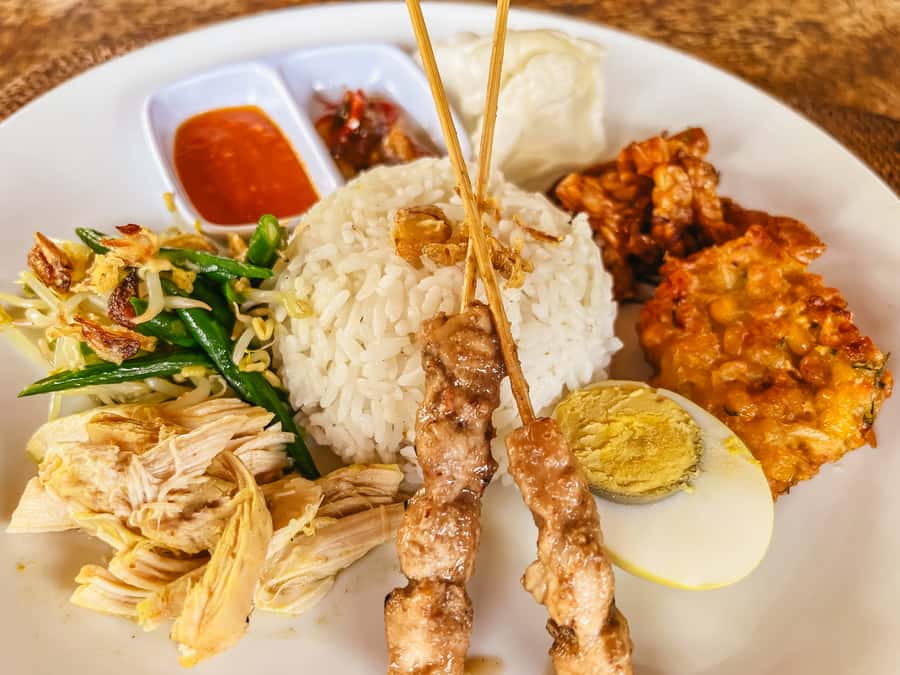
The day ends with a meal at a local restaurant in Ubud, often after the cycling and village stops. The food has received strong praise, and dietary requirements have been accommodated on some outings. Lunch is generally local food rather than an international buffet, which suits the cultural focus of the day.
At $40 per person, the package offers solid value. You are paying for hotel pickup and return within Ubud, an air-conditioned vehicle, bicycle and helmet, guide, entrance fees, breakfast, coffee and tea tasting, and lunch or dinner. A separate private driver, bike rental, plantation visit, and meal would quickly add up to more than this.
The price is especially fair if you want one organized day that combines transport and sightseeing. It is less attractive if your only goal is athletic cycling. A road cyclist looking for steep climbs, rough tracks, or technical riding will find the route too easy and too structured.
The total duration is listed as six hours, but pickup delays or an address outside the normal Ubud zone can add time. I would keep the rest of your evening open. The tour can feel longer than a basic half-day activity because it includes several stops, but that is also why it gives you more than a simple downhill ride.
Who should book this Bali bike tour?
I would recommend it to first-time visitors who want an introduction to Bali beyond Ubud’s main streets. It works particularly well for couples, families with older children or teenagers, solo visitors, and mixed-ability groups. You do not need to be a strong cyclist, and the guides keep the pace relaxed.
It also suits you if you enjoy asking questions. The best part is not only the scenery, but the explanations about Balinese homes, temples, schools, agriculture, and community life. Guides such as Wayan and Agus have a warm, personal style that makes the day feel more like a conversation than a formal lecture.
You should think twice if you dislike riding near traffic, have trouble controlling a bicycle on descents, or want a rugged mountain-bike challenge. The route is mostly paved and usually gentle, but the brakes and road awareness matter. You should also be comfortable with a full day that combines driving, stops, riding, walking, and a meal.
Free cancellation is available up to 24 hours before the start, and you can reserve without paying immediately. Those terms help if your Bali schedule is still changing, but check the pickup charge if your hotel is outside Ubud.
Should you book it?
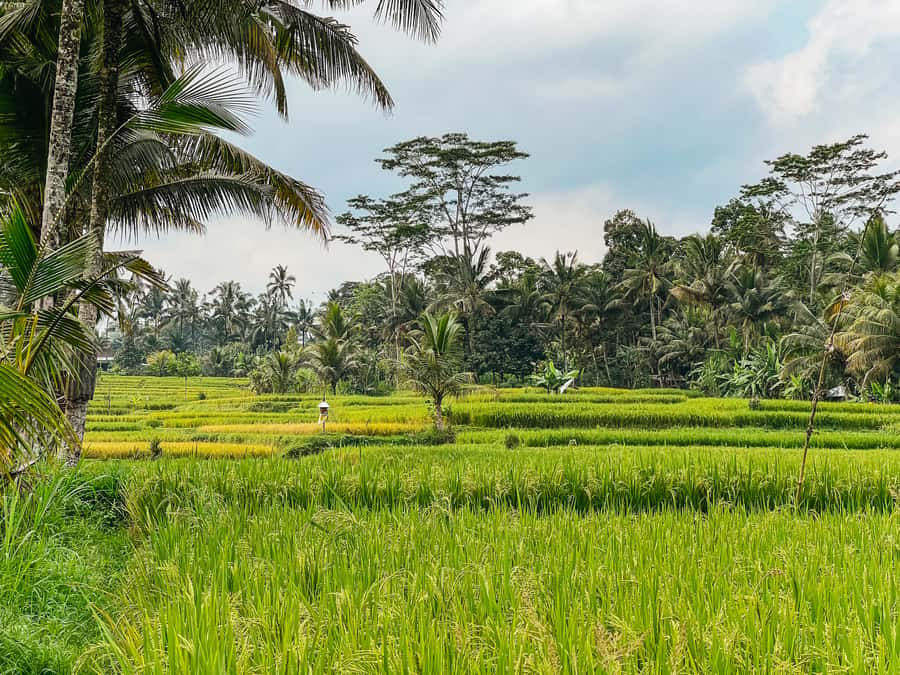
Book this tour if you want to see rural Bali with very little uphill effort and you value local explanation as much as scenery. The coffee plantation, rice terraces, village roads, and personal stories from guides such as Agus and Wayan create a well-rounded day at a reasonable price.
Skip it if you are seeking technical trails or a hard workout. For most people, though, the easy downhill route is the point. You get mountain views, rice fields, craft villages, a proper meal, and a useful introduction to Balinese culture without spending the day stuck in Ubud traffic.
FAQ
How long does the downhill bike tour last?
The activity lasts about six hours, including hotel pickup, transport to Kintamani, stops, cycling, meals, and return to your hotel.
Where does the bike ride begin?
The ride begins high on the slopes of Kintamani volcano, near the Mount Batur area. The day includes views toward the volcano and Lake Batur before the downhill route starts.
Is the cycling route difficult?
The route is mostly downhill and paved, with very little pedaling needed for much of the ride. You will need to use the brakes often and stay alert around cars and motorbikes.
What food and drinks are included?
Breakfast is included, along with a local lunch or dinner. The plantation stop includes coffee and tea tasting. Alcoholic drinks are not included but may be available to purchase.
Is hotel pickup included?
Pickup and drop-off are included for hotels in the Ubud area. Pickup outside Ubud may be possible for an additional fee.
Which languages can the guide speak?
Live guides are available in English, Indonesian, French, Italian, and Spanish. Guides such as Agus and Wayan provide explanations about Balinese culture, family life, temples, villages, and local traditions.
Newest rides we have reviewed in Indonesia
- Kuta: Kintamani Culture and Nature Guided Cycling Tour★ 5.0 · 14 reviews
- Jatiluwih (UNESCO Site) 2-Hour E-Bike Cycling Tour★ 4.3 · 49 reviews
- Bali: Jatiluwih Rice Terraces 1 Hour Electric Bike Tour★ 4.7 · 41 reviews
- E-Bike: Ubud Rice Terraces & Traditional Villages Cycling★ 4.6 · 37 reviews
- Jogja Hidden Gems – Cycling Tour★ 5.0 · 12 reviews
- Bali Downhill Cultural Cycling Tour★ 4.8 · 42 reviews
- Bali: Kintamani Downhill Bike Tour, Jungle and Waterfalls★ 4.9 · 20 reviews
- Ubud: Downhill Cycling with Volcano, Rice Terraces, and Meal★ 4.9 · 189 reviews
Mountain Bike Tours, compared.

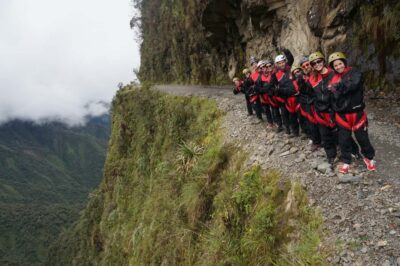
La Paz: Mountain Bike Down the World’s Most Dangerous Road
Read our review →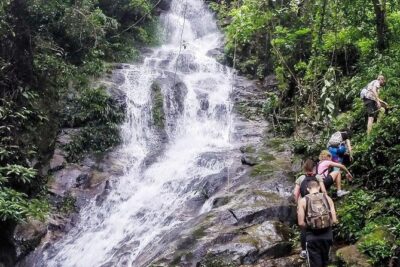
Chiang mai Hike & Downhill Bike Adventure –Suthep National Park
Read our review →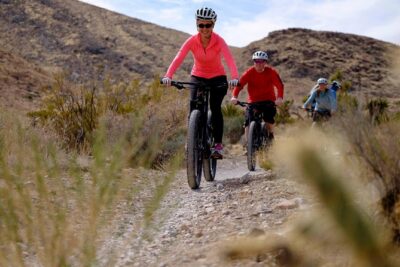
Guided Mountain Bike Tour of Mustang Trail in Red Rock Canyon
Read our review →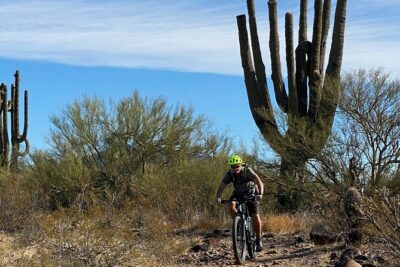
3 Hour Sonoran Desert Private Guided Mountain Bike Tour
Read our review →
Suthep National Park Hiking & DH Mountain Biking
Read our review →

2 Hour Sonoran Desert Private Guided Mountain Bike Tour
Read our review →Other lists this ride turns up in