
REVIEW · CAPE TOWN
Cape Town: Cultural Cycling Tour
Masiphumelele is not a backdrop for a bicycle ride. It is a working township, and this small-group tour puts you in contact with local guides, entrepreneurs, children’s educators, traditional healers, and families. You ride a sturdy old-fashioned Dutch bicycle between stops, with time to ask questions and hear how people live.
I like the direct community benefit: 10 percent of the price goes to Masicorp, while the tour also supports the Songezo Youth Cycling Academy. I also like the mix of stops, from a local library and small businesses to a sangoma visit and a shared African lunch. The main thing to consider is that this can feel uncomfortable at times. Poverty and difficult working conditions are part of what you see, so this is not a light sightseeing loop.
Key points to know before you pedal off
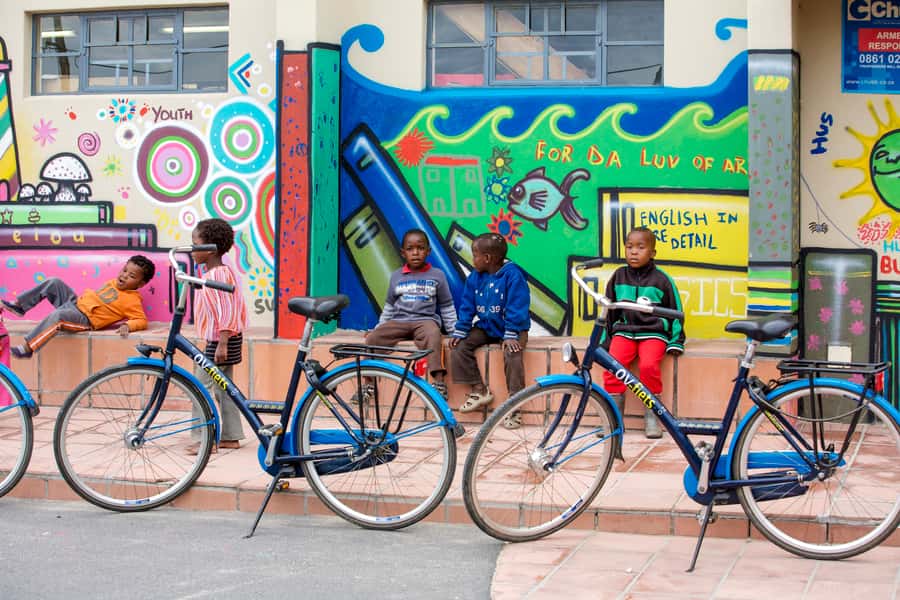
- Meet the cycling academy first: The tour starts at Masicorp’s Chasmay Road Campus, which shares a workshop with the Songezo Youth Cycling Academy.
- Ride with a local Xhosa guide: You get an English-language guide who explains local customs and introduces you to community members.
- Expect a changing itinerary: A crèche is visited during school terms, and a gospel church may be included on Sundays.
- Share a local meal: Lunch is served either at an African restaurant or in the home of a woman who regularly hosts groups.
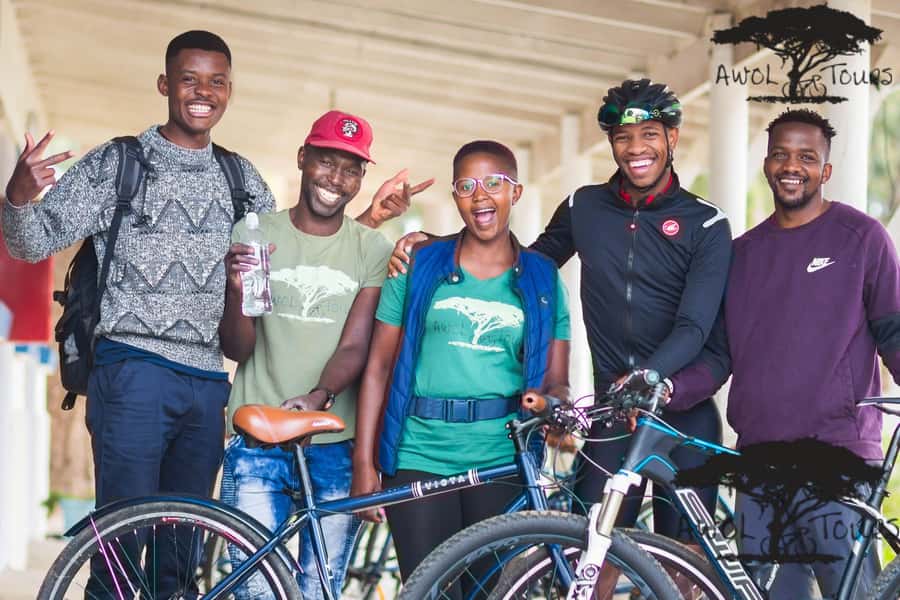
- Keep the group small: No more than eight people join, which leaves room for questions and conversation.
- Dress for practical cycling: Wear comfortable shoes, leave jewelry at home, and remember that transport to the meeting point is not included.
Starting at Masicorp and the Songezo cycling workshop

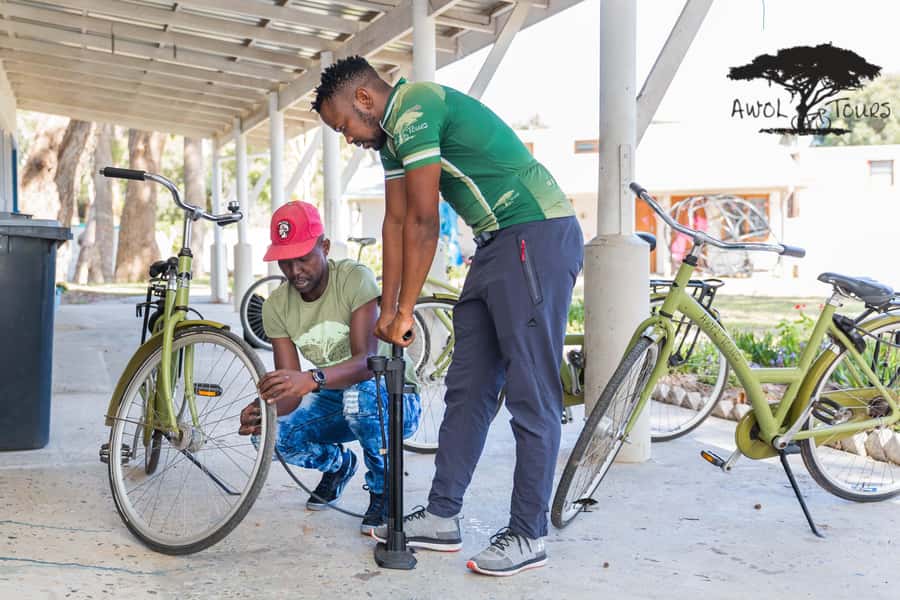
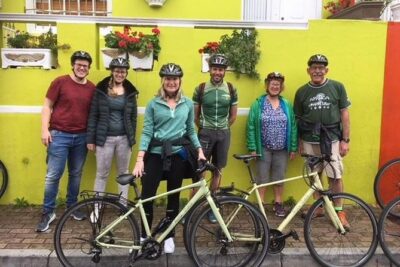
Your four-hour outing begins at Masicorp’s Chasmay Road Campus, the head office and meeting point. The campus shares a workshop with the Songezo Youth Cycling Academy, so the tour starts with more than a quick bicycle handover.
Songezo Jim, described as South Africa’s first Black South African cyclist, created a path for young people who want to take up the sport. You might see young cyclists from the community training at the workshop. That detail gives the ride a useful frame: bicycles here are not only for sightseeing. They can also support confidence, discipline, and opportunity.
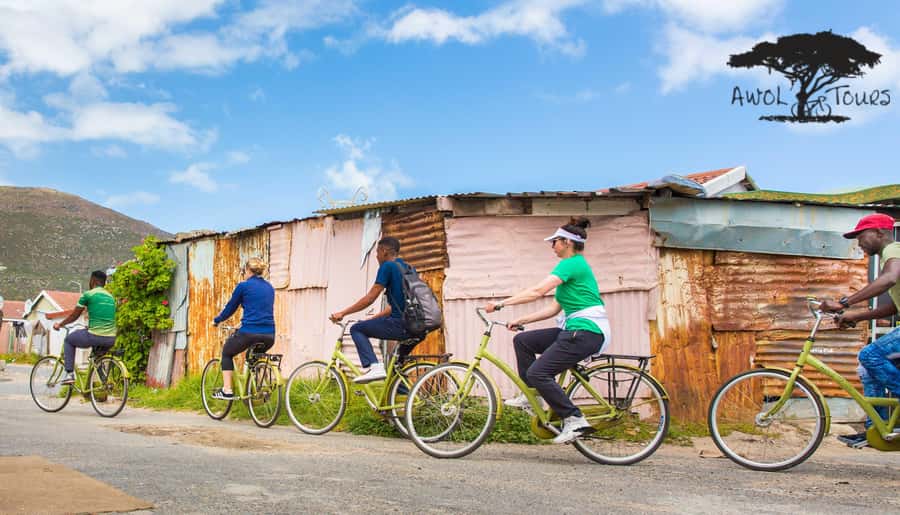
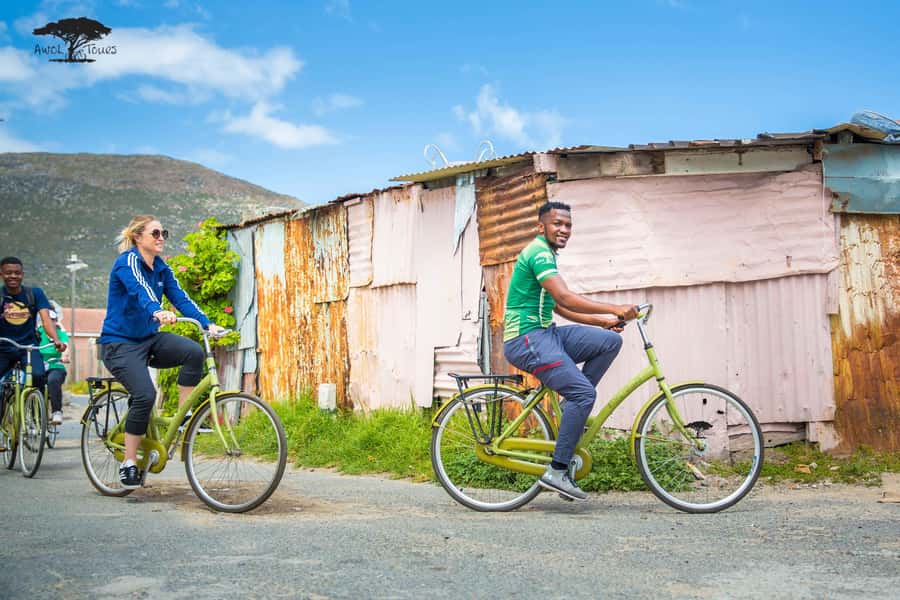
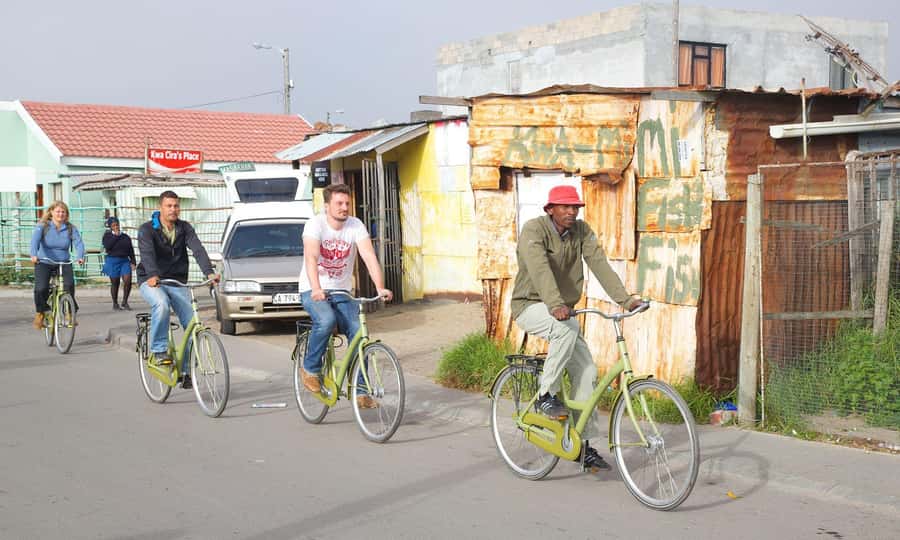
The bicycles are old-fashioned Dutch models. They may not have the sleek feel of a road bike, but that is part of the point. You are riding at a relaxed pace, stopping often, and moving through the township with a local guide rather than racing from one sight to the next.
The group limit of eight matters here. A large line of bicycles would change the mood of the ride and make conversation harder. With a small party, you can ask the guide about customs, local businesses, and daily life without shouting over a crowd.
More Cycling Trips in South Africa:
- Soweto: Guided Bicycle Tour with Lunch
★ 4.9 · 292 reviews - Stellenbosch: Historical Bike Tour & Wine Tasting
★ 4.9 · 248 reviews - Cape Town City Cycling Tour
★ 5.0 · 199 reviews
Seeing Masiphumelele from a bicycle seat
The bicycle gives you a different view of Masiphumelele than a vehicle tour. You move slowly enough to notice the people and places the guide chooses to show you, but you are still taking part in the local rhythm rather than walking into private spaces on your own.
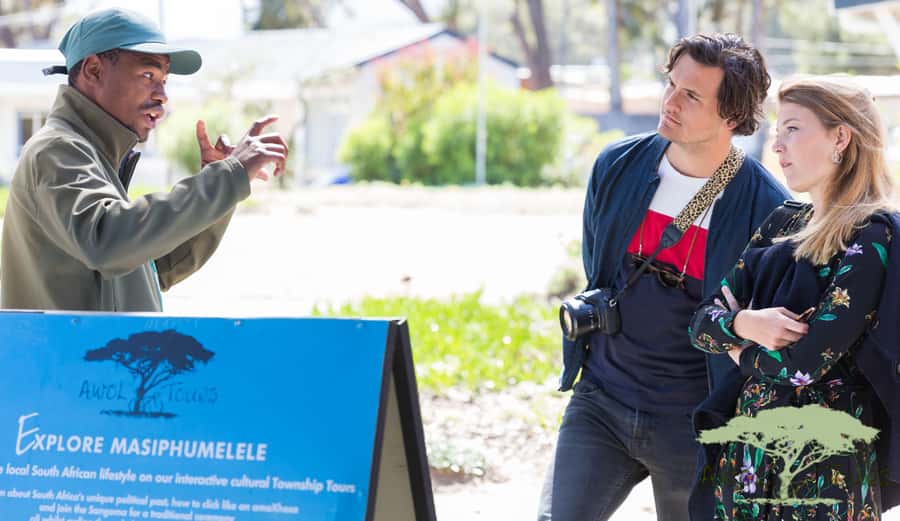
Your guide leads the route and explains Xhosa customs along the way. The most valuable part is the chance to ask direct questions. The tour is designed around contact with people, not a list of photo stops, so your experience depends partly on the day’s schedule and the conversations that develop.
You visit a local library, entrepreneurs, and small businesses. These stops matter because they show the township as a place of work, study, and ambition, not only as a place defined by hardship. I appreciate that balance. You see the problems, but you also meet people building something for themselves and their families.
The ride can also bring contrasts into sharp focus. One participant described feeling impressed by the experience but uneasy about the differences in living conditions. That reaction is worth taking seriously. You may feel uncomfortable, and you should not treat that feeling as a reason to dismiss the tour. It is a reminder to approach with respect, listen first, and avoid turning people’s lives into scenery.
Meeting local people rather than collecting sights
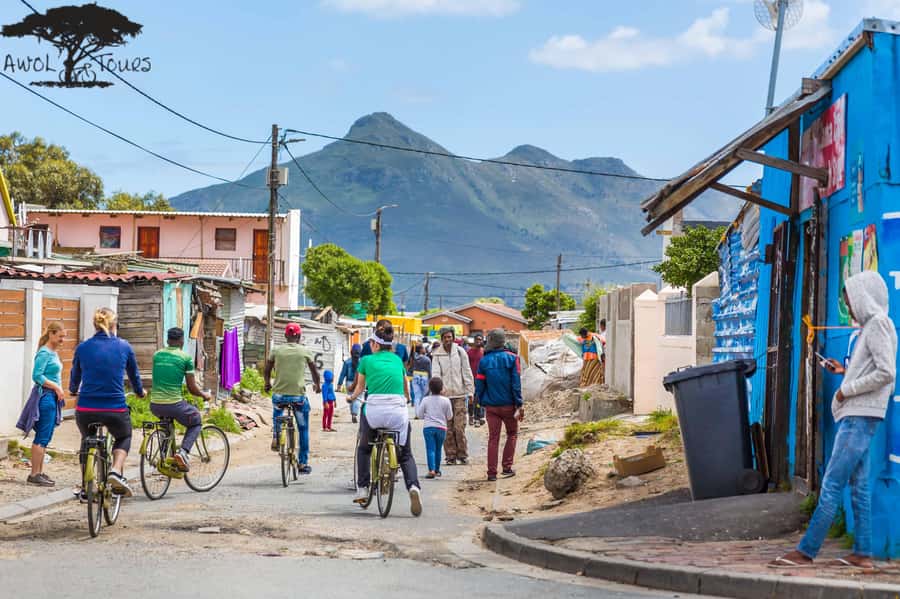
This experience works best when you think of it as a guided community visit, not a standard city tour with bicycles added. The guide helps you understand where you are and introduces you to people involved in ordinary local life.
You might meet small-business owners and entrepreneurs. You may also visit the library, an important community space that gives the route a focus beyond tourism. These encounters are brief, but they help you see how services and opportunities are created locally.
The tour also includes a visit to a sangoma, or traditional healer. You are invited to dance with the sangomas, making this one of the more unusual parts of the morning. It is a participatory stop, not simply a talk from the roadside.
Approach this moment with humility. Follow the guide’s lead, ask before taking photographs, and remember that the people you meet are welcoming you into a cultural setting. The inclusion of a sangoma visit gives the tour a stronger cultural purpose than a ride that only points out buildings.
A highly praised guide named Lutho has been singled out for making the experience special. The available information does not promise that Lutho will lead every departure, so consider that name a useful reference rather than a guarantee. The tour does promise a local English-speaking guide.
The crèche visit and the reality behind it
During school time, the itinerary can include a local crèche. This stop is available when schools are open, so it is closed on weekends and school holidays.
The crèche operates under difficult conditions, and part of the tour proceeds helps improve its facilities. That makes the visit more than a quick look at a community project. It shows where the money connected to the tour can have a practical effect.
At the same time, a preschool visit requires care. Children should not be treated as an attraction, and the local partner specifically asks you not to give sweets or treats to children. If you want to help, let the registered charities and the tour’s local partners handle that work.
The changing schedule is important. If the crèche is a major reason for booking, check the date and ask what is planned. On weekends and during school holidays, you should expect another version of the route rather than this stop.
Same roads, a different saddle:
- Cape Town: Guided Bike Tour
★ 4.9 · 193 reviews - Franschhoek: E-Bike Guided Winery Tour
★ 4.6 · 96 reviews - Stellenbosch: Wine Farm E-Bike Guided Tour
★ 4.6 · 88 reviews - Cape Town: E-Bike City Tour
★ 4.8 · 76 reviews
A Sunday gospel service may change the morning
On Sundays, the tour may include a visit to a local gospel church. One of the strongest pieces of feedback about the experience focused on the service, so this can be a memorable addition if the timing works.
The word may matters. The church is a possible Sunday inclusion, not a guaranteed part of every departure. If you want to attend, confirm the plan when you book or at the meeting point.
A church service also calls for respectful behavior. Dress and conduct should suit a place of worship, and you should follow the guide’s instructions. The service gives you another way to see community life, but it is not a performance arranged solely for visitors.
The tour’s varied stops are its greatest strength. On one day, the crèche may be the most meaningful part. On another, the church, sangoma, or lunch conversation may take the lead. That flexibility makes the outing feel more like a real visit, but it also means you should not expect every advertised stop on every date.
Lunch at a home or African restaurant
Food is included, and lunch is served either at an African restaurant or in the home of a local woman who regularly hosts tour groups. She prepares an authentic African tea or lunch, giving the meal a personal setting that a restaurant cannot quite match.
The home option is especially useful for conversation. Sharing food in someone’s home can create a more relaxed exchange, and you can ask questions about ingredients, customs, and daily routines. The restaurant option offers a different setting, but the tour still keeps its local focus.
The exact lunch location is not fixed. If you have allergies, dietary restrictions, or concerns about ingredients, ask ahead of time. The information provided confirms African food, but it does not give a menu or promise specific dietary alternatives.
Food is also one reason this tour feels like good value at $106 per person. You are not paying only for a bicycle and a guide. The price includes lunch, the sangoma visit, the local guide, and a contribution to Masicorp, while the cycling academy benefits from the wider program. It remains a fairly serious half-day cost, so the value depends on how much you want personal contact and community support rather than a conventional sightseeing route.
What the price supports
Ten percent of every tour proceeds goes directly to Masicorp, a nonprofit supporting education in the community. The crèche visit also connects the tour with practical improvements to local facilities.
The ride begins beside the Songezo Youth Cycling Academy, another important part of the experience. This gives you a clear link between tourism and a youth cycling program, rather than a vague promise that money goes somewhere nearby.
I would not book this tour only as a donation. You should choose it because you want to spend four hours listening, asking questions, sharing food, and seeing Masiphumelele with a local guide. The social benefit strengthens the purchase, but it does not replace the need for respectful behavior.
Please do not hand out sweets or treats to children. The local partner prefers support to go through registered charities, where it can be handled fairly and safely.
Cycling comfort, safety, and practical limits
You need comfortable shoes. High heels are not allowed, and jewelry should be left at home. The tour involves cycling and community visits, so practical clothing makes more sense than a dressed-up outfit.
The experience is not suitable for people with mobility impairments or wheelchair users. The provided details do not state the distance, road surface, or level of cycling fitness required, so ask the operator if you have concerns about balance, stamina, or the bicycle itself.
Transport is not included. You meet at Masicorp’s Chasmay Road Campus on Chasmay Road, and transport can be arranged on request. Build that extra step into your plan instead of assuming a pickup is part of the $106 price.
The tour lasts four hours, with starting times based on availability. English is the tour language, and the group is limited to eight participants. Those details make the outing easier to manage than a large coach visit, but the small format also means dates may fill quickly.
You can cancel up to 24 hours in advance for a full refund, and you can reserve now and pay later. Those policies help if your Cape Town plans are still shifting.
Who will get the most from this tour
I would recommend this ride to you if you want a community-focused experience and are willing to listen more than photograph. It suits curious visitors who want context about Xhosa customs, education, local enterprise, traditional healing, and religious life.
It is also a good match if you like small groups and direct conversation. The eight-person limit gives you a better chance to ask the guide about what you see, and the bicycle keeps the pace personal.
I would be cautious about booking it if you want a polished, predictable sightseeing product. The itinerary changes with the school calendar and the day of the week. You may not get the crèche, church, restaurant, and home lunch all in one outing.
You should also think honestly about your response to poverty. This tour does not hide difficult conditions, and the contrasts can make you feel uneasy. That is part of its value, but only if you are prepared to respond with respect rather than pity or curiosity for its own sake.
Should you book the Masiphumelele cycling tour?
Book it if you want Cape Town contact that goes beyond major sights and hotel districts. The combination of a local Xhosa guide, a sangoma visit, community businesses, possible church or crèche stops, and lunch gives you a fuller picture of township life than a quick drive-by.
The best reasons to choose it are the small group, the direct community connection, and the clear support for Masicorp and the Songezo cycling academy. The main cautions are the price, the lack of included transport, the changing itinerary, and the physical limits of cycling.
For a respectful visitor who wants an honest four-hour introduction to Masiphumelele, I think the tour is worth considering. Go ready to ask questions, accept an imperfect schedule, and let the community set the pace.
FAQ
Where does the cultural cycling tour meet?
The tour meets at Masicorp’s Chasmay Road Campus, which is also the Masicorp head office on Chasmay Road.
How long does the tour last?
The tour lasts four hours. Starting times depend on availability.
What language is the tour conducted in?
The tour is conducted in English by a live local guide.
How many people can join the group?
The group is limited to eight participants.
Is lunch included?
Yes. An African lunch is included. It is served either at an African restaurant or in the home of a local woman who regularly hosts groups.
Is transport to the meeting point included?
No. Transport is not included, but it can be arranged on request.
Is the tour suitable for wheelchair users?
No. The tour is not suitable for wheelchair users or people with mobility impairments. Comfortable shoes are required, and high heels and jewelry are not allowed.
Newest rides we have reviewed in South Africa
- Johannesburg: Inner City Guided Cycling Tour★ 4.6 · 15 reviews
- Half-Day Winelands E-Bike Tour with Wine Tasting★ 4.2 · 13 reviews
- Franschhoek E-Bike & Wine Tour★ 5.0 · 18 reviews
- E-Bike & Hike Jonkershoek★ 5.0 · 12 reviews
- Cape Town: E-Bike Cape Peninsula Tour★ 4.7 · 54 reviews
- Cape Town: Peninsula Road Bike Tour★ 5.0 · 23 reviews
- Cape Town: Half-Day e-Bike City Tour★ 4.4 · 35 reviews
- Cape Town Guided City Cycling Heritage Tour – Private Tour★ 5.0 · 27 reviews
Cape Town Cycling Tours, compared.
Guided eBike Tour with Signal Hill and Clifton …
Read our review →
Other lists this ride turns up in