REVIEW · USA
New Orleans: Scenic City Bike Tour
New Orleans makes more sense from a bicycle. This three-hour ride shows how the city grew from the French Quarter into former bayou country, with live oaks, Creole mansions, old waterways, cemeteries, and wide park paths along the way. I especially like the small group of no more than 10 and the relaxed pace, which leave room for questions instead of turning the tour into a race.
I also like the route’s mix of famous and less-visited places: Esplanade Avenue, St. Louis Cemetery No. 3, City Park, and Bayou St. John all tell a different part of the city’s story. The main consideration is age and fitness. You must be at least 13 and taller than 4 feet 11 inches, and sandals or flip flops are not allowed.
Key points to know
- The route links nine distinct areas: French Quarter, Faubourg Marigny, Esplanade Avenue, St. Louis Cemetery No. 3, City Park, Bayou St. John, Mid-City, the Lafitte Greenway, and Congo Square.
- The ride is flat and leisurely: You cover a good stretch of New Orleans without a strenuous climb.
- Burial customs are part of the tour: St. Louis Cemetery No. 3 gives useful context for New Orleans above-ground tombs.
- The guide adds local color: Guides including Eric and Jeremy have been praised for clear storytelling, local tips, history, and, in Jeremy’s case, a personal connection to jazz as a musician.
- The value is strong at $55: You get a bicycle, optional helmet, bottled water, and three hours with an English-speaking guide.
- The practical limits matter: Children under 13 cannot join, unaccompanied minors are not accepted, and all riders sign a waiver.
Starting on North Rampart Street

You meet on North Rampart Street in the French Quarter, between Toulouse and St. Peter streets, beside Arrow Cafe. This is a handy starting point for a first look at the city because you begin in its best-known historic district, then quickly move beyond the streets most visitors see on foot.
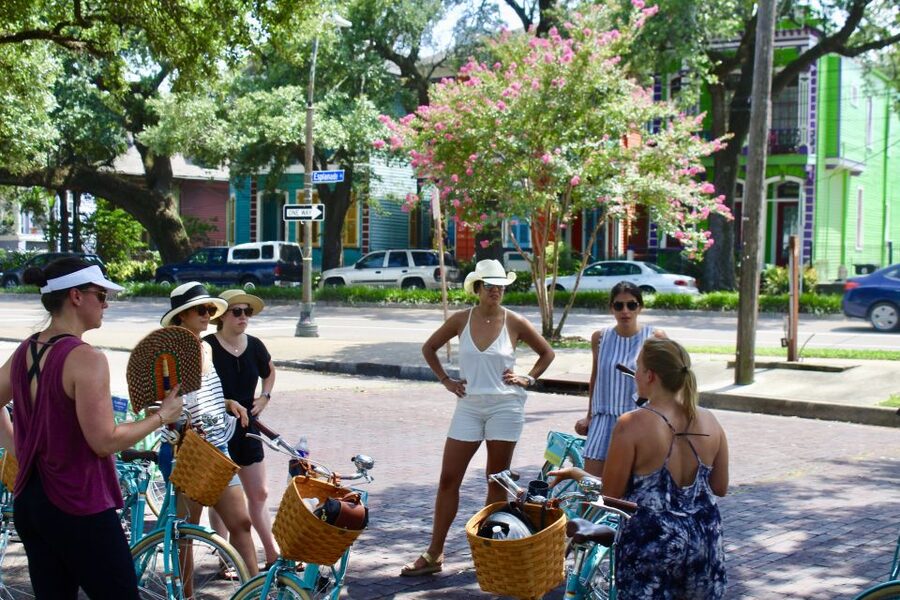
The staff fits you with a bicycle before setting off. A helmet is available, though it is optional, and one bottle of water is included. Wear shoes that stay secure while pedaling. The operator specifically does not allow sandals or flip flops, a sensible rule for a three-hour ride through city streets and paths.
The tour usually runs in the afternoon. That timing gives you a useful way to fill part of the day after breakfast or before an evening meal, though New Orleans weather can make any outdoor activity feel warmer than expected. The route itself is flat and described as leisurely, but you still need to be comfortable sitting on a bike for several hours.
More Cycling Trips in the USA:
- Guided Bike Tour of Old Town Key West
★ 5.0 · 2,611 reviews - NYC: Central Park Bike Rentals
★ 4.2 · 2,528 reviews - Red Rock Canyon eBike Half-Day Tour
★ 5.0 · 1,870 reviews
From the French Quarter to Faubourg Marigny

The French Quarter is your point of departure, not the whole show. You get oriented in the old center before riding toward Faubourg Marigny, a neighborhood with its own character and a different feel from the Quarter’s tightly packed streets.
This opening section helps you understand the basic shape of New Orleans. The city did not simply spread outward in a neat grid. Water, drainage, bayous, and old settlement patterns shaped where streets and neighborhoods could develop.
That is one reason a bicycle works so well here. You can cover more ground than you would on foot, but you still move slowly enough to notice changes in architecture and street layout. A bus can show you many places, but it cannot give you the same close sense of how one neighborhood leads into another.
Esplanade Avenue and its live oaks
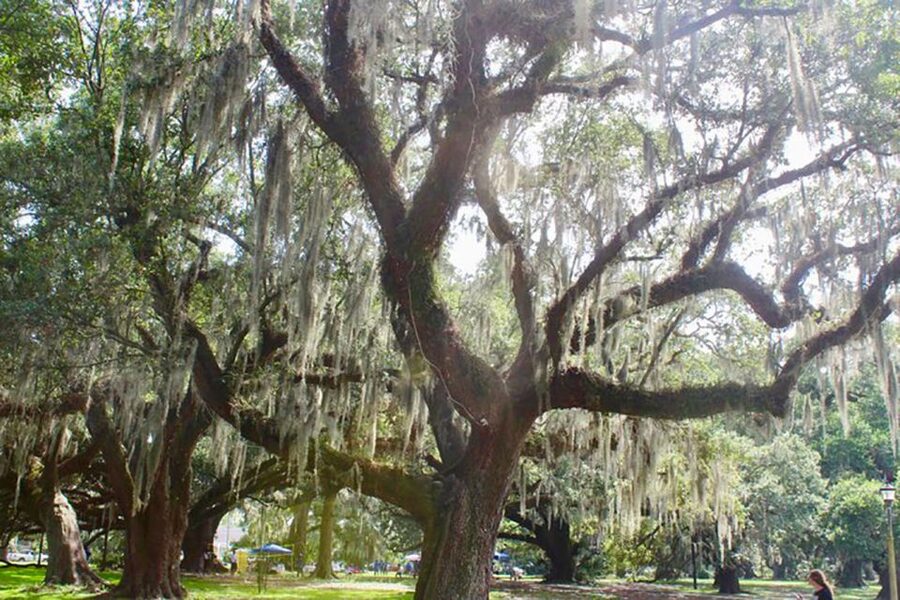
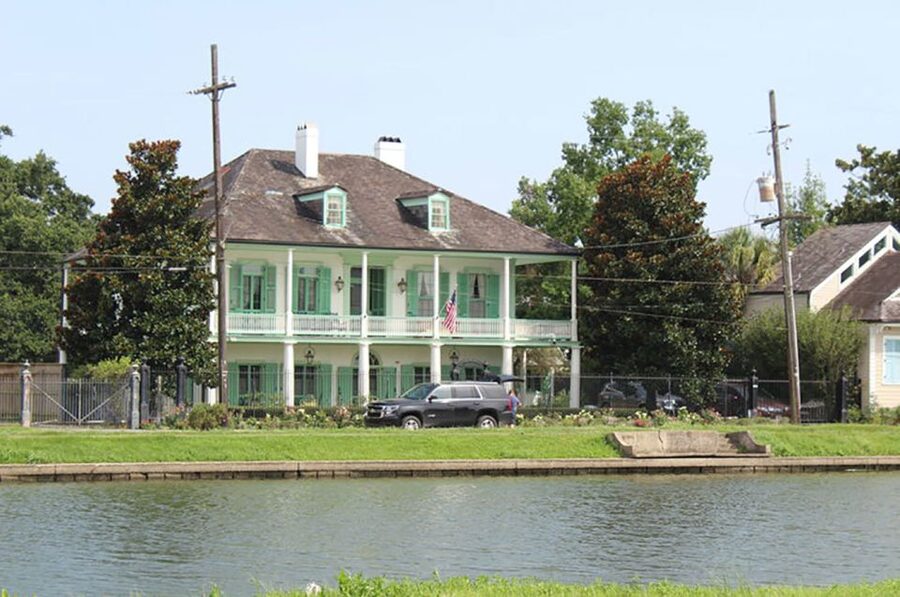
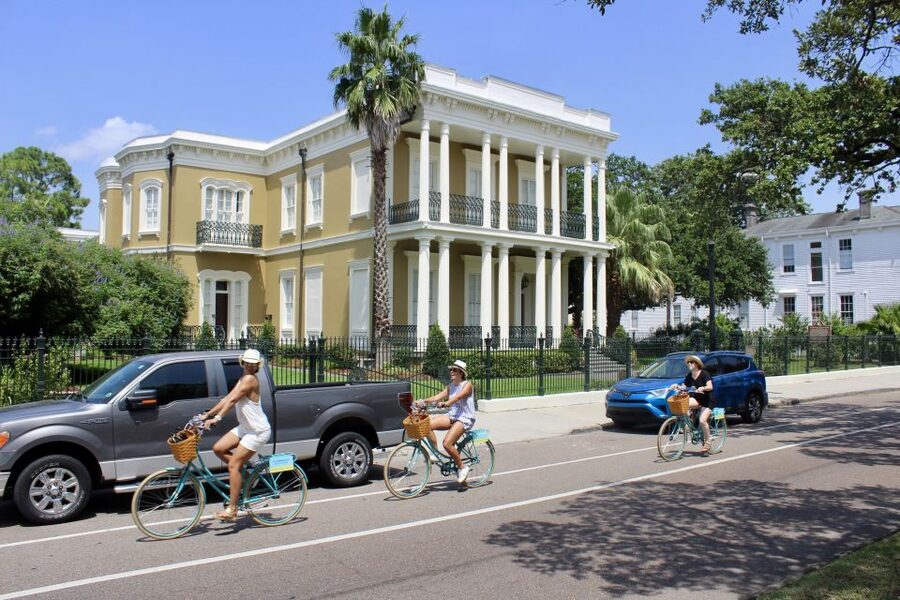
The ride along Esplanade Avenue is one of the most appealing stretches of the tour. The avenue leads toward City Park beneath mature live oak trees, with grand homes and Creole architectural details along the way.
You get a useful contrast here. The French Quarter is compact and intensely urban, while Esplanade Avenue opens out with more space, greenery, and large residences. The route’s shade matters, especially during a warm afternoon. The trees make this part of the ride more comfortable and give the avenue its stately character.
The tour also uses this stretch to explain how New Orleans expanded into areas that were once bayou or wet ground. That context makes the architecture more interesting. These homes were not placed in an empty setting. They belong to a city shaped by water, drainage, migration, and changing neighborhoods.
If grand buildings are your main interest, this may be one of your favorite parts. If you want to stop for a detailed interior visit, this tour is not designed for that. You see the streets and exteriors while moving at an easy pace, with the guide explaining what makes the area distinct.
St. Louis Cemetery No. 3 and New Orleans burial customs
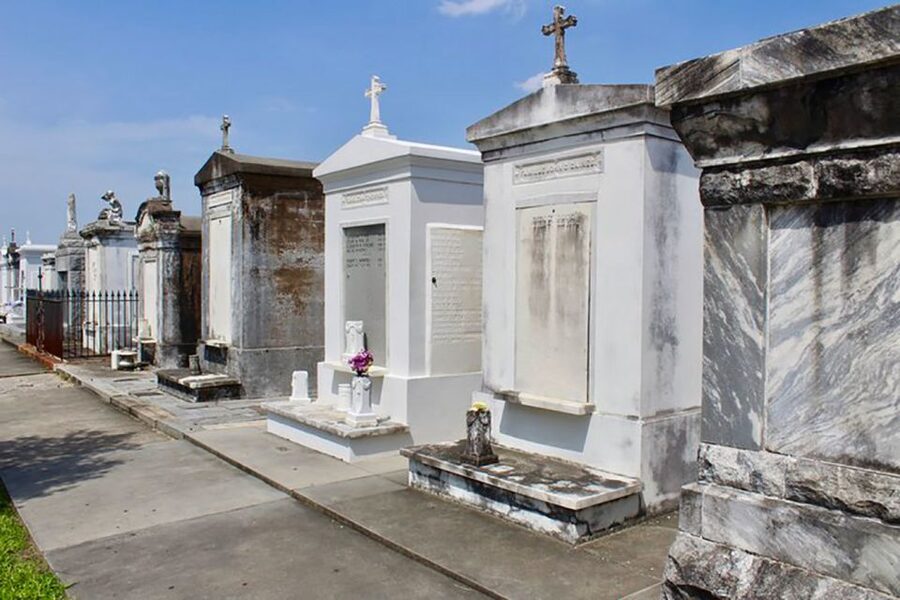
St. Louis Cemetery No. 3 provides the tour’s clearest look at New Orleans burial practices. Above-ground tombs are not just a visual oddity. They reflect the city’s relationship with water and the practical limits of burying people in wet ground.
Your guide explains the customs and the reasons behind them, giving the cemetery a cultural setting rather than treating it as a quick photo stop. This is the kind of information that can change how you see other cemeteries during your time in New Orleans.
The cemetery is also a good example of why a guide adds value. You could reach the area on your own, but you might not understand the traditions, the design of the tombs, or their place in local culture. The stop is educational without turning the whole tour into a lecture.
Remember that a cemetery is a place for respectful behavior. The tour includes learning, not simply sightseeing. You should be ready to listen and give the stop the attention it deserves.
Same roads, a different saddle:
- NYC: Central Park Bike Rental
★ 4.1 · 1,651 reviews - Central Park Bike Rental
★ 4.7 · 1,509 reviews - Austin Biker Gang E-Bike Tour
★ 5.0 · 1,399 reviews - Asheville Historic Downtown Guided Electric Bike Tour with Scenic Views
★ 5.0 · 1,234 reviews
City Park and the former bayou country
After the cemetery, you continue toward City Park and its swampy views. The park gives the ride a welcome change of pace, with more open space and greenery after the streets of the French Quarter and Esplanade Avenue.
The tour explains how parts of the city grew into what was once bayou country. This is an important piece of New Orleans geography. The city’s development was tied to waterways and difficult ground, so the story of expansion is also a story of engineering, settlement, and adaptation.
I like this section because it connects scenery with explanation. You are not simply pedaling through a park. You are seeing the kind of ground and water system that helped shape the city’s growth.
City Park is also where the leisurely pace pays off. You can take in the surroundings without feeling that you are being pushed from one scheduled photo stop to another. Still, the tour lasts three hours, so stops are part of a moving route rather than long, independent visits.
Bayou St. John and the city’s beginnings
Bayou St. John is one of the most meaningful stops because the waterway links the city’s natural setting with its human story. Native Americans and French settlers used the bayou, and its location helped make the area important to the founding and development of New Orleans.
Here, the guide can show you why waterways mattered before modern roads and transport. The bayou was not just scenery. It was a route, a resource, and a reason the area could connect with other parts of the region.
This part of the tour is especially useful if you want to understand New Orleans beyond food, music, and architecture. Those are major parts of the city, but the bayou helps explain why the city exists where it does.
The water views also give you a calmer interlude. You are still within the city, but the pace and setting feel different from the French Quarter. That change is one of the pleasures of a route that keeps moving through several neighborhoods rather than circling one central district.
Mid-City, the Lafitte Greenway, and Congo Square
The route continues through Mid-City and along the Lafitte Greenway before returning toward the city center. These sections help connect the park and bayou areas with the neighborhoods between them.
The Lafitte Greenway is particularly useful for a bicycle tour because it gives the group a route away from some of the most crowded streets. The tour information describes the entire ride as flat and easygoing, so this portion should feel more like steady sightseeing than a workout.
Louis Armstrong Park and Congo Square add an important cultural layer near the end of the ride. The guide discusses Creole culture and the role of music in New Orleans, helping you connect the city’s people and traditions with the places you have seen.
One guide named Jeremy has been praised for adding a personal jazz perspective as a musician. Guides change, so you should not assume he will lead your departure, but the tour clearly allows room for a guide’s own connection to New Orleans. Eric is another guide associated with a memorable experience, particularly for history, local suggestions, and a welcoming manner.
What the guide contributes
A bicycle gets you around, but the guide makes the route meaningful. You need someone who can connect burial customs, Creole culture, bayou geography, architecture, and music without making the ride feel like a classroom.
The available feedback points to a consistent strength in this area. Vicky described the guide as informative and easy to listen to, while Hannah highlighted both the storytelling and the interesting stops. Other comments praise the friendly tone, enthusiasm, and clear explanations.
That combination matters. A guide can know a great deal and still make a poor tour if the pace is too fast or the presentation is stiff. Here, the repeated praise for an easy pace and engaging delivery suggests a good balance between riding and listening.
The English-only format is worth noting. If you need another language, this is not the right choice. For English-speaking visitors, the small group should make it easier to hear the guide and ask questions.
Is $55 a fair price?
At $55 per person, this is a reasonable price for a three-hour guided experience. The fee includes the bicycle, optional helmet, and bottled water, but not food, drinks beyond the water, or hotel pickup and drop-off.
The value comes from the distance and the interpretation. You are not paying only for a bike rental. You get a structured route through the French Quarter, Faubourg Marigny, Esplanade Avenue, City Park, St. Louis Cemetery No. 3, Bayou St. John, Mid-City, the Lafitte Greenway, Louis Armstrong Park, and Congo Square.
A private ride would cost more, while renting a bicycle on your own would leave you to plan the route and research the sites. This tour suits you if you want a broad introduction in one afternoon and prefer an active experience to a vehicle-based sightseeing trip.
It is less useful if you already know these neighborhoods well or want long, unstructured time at each stop. The tour gives you range and context, not a deep visit to one museum or cemetery.
Who should book this ride?
I would choose this tour early in a New Orleans visit. It gives you a working map of the city and introduces places you might otherwise miss, especially Esplanade Avenue, Bayou St. John, Mid-City, and the Lafitte Greenway.
It suits adults, older teenagers, and anyone who enjoys light activity. The minimum age is 13, riders must be taller than 4 feet 11 inches, and anyone under 18 must be with a legal guardian. Children under 13 cannot join.
You should also be comfortable with a three-hour bike ride. The route is flat and leisurely, but leisurely does not mean stationary. Wear practical closed shoes and avoid arriving intoxicated, since intoxicated participants are not allowed.
The small-group limit of 10 is a real advantage. You are more likely to hear the guide, keep a manageable pace, and ask about details that catch your attention. The relaxed style also makes this a good choice if you want substance without a punishing schedule.
Should you book the Scenic City Bike Tour?
Book it if you want to understand how New Orleans spread from its historic center into bayou country, and if you like learning while moving. The combination of live oaks, Creole mansions, cemetery customs, waterways, parks, and music culture gives you a much broader picture than a short French Quarter walk.
Skip it if you dislike cycling, need a non-English tour, want hotel pickup, or prefer long visits at individual attractions. For most active visitors, though, $55 buys a useful three-hour orientation with a strong mix of scenery and local context. Free cancellation up to 24 hours before departure and reserve-now, pay-later booking also make it easier to fit into a changing New Orleans schedule.
FAQ
How long is the New Orleans Scenic City Bike Tour?
The tour lasts three hours.
How much does the tour cost?
The listed price is $55 per person.
Where does the tour meet?
You meet on North Rampart Street in the French Quarter, between Toulouse and St. Peter streets, next to Arrow Cafe.
What places does the tour visit?
The route includes the French Quarter, Faubourg Marigny, Esplanade Avenue, St. Louis Cemetery No. 3, City Park, Bayou St. John, Mid-City, the Lafitte Greenway, Louis Armstrong Park, and Congo Square.
Is the route difficult?
The route is described as flat and leisurely. You still need to be comfortable riding a bicycle for three hours.
What is included in the price?
The price includes use of a bicycle, an optional helmet, and one bottled water.
Is food included?
No. Food is not included, and hotel pickup and drop-off are also not included.
What language is the tour conducted in?
The tour is conducted in English with a live guide.
What is the minimum age?
Participants must be at least 13 years old and taller than 4 feet 11 inches. Anyone under 18 must be accompanied by a legal guardian.
Can I cancel the booking?
You can cancel up to 24 hours in advance for a full refund. Reserve-now, pay-later booking is also available.
Newest rides we have reviewed in the USA
- Scenic Charleston Harbor & Wildlife E-Bike Tour + Milkshake Stop★ 5.0 · 86 reviews
- Charleston Shores Guided eBike Tour★ 5.0 · 119 reviews
- Outer Banks Film Location eBike Tour in Charleston★ 5.0 · 26 reviews
- Carmel-By-The-Sea Electric Bike Guided Tour★ 5.0 · 70 reviews
- Monterey 17-Mile Drive Electric Bike Guided Tour★ 5.0 · 78 reviews
- Monterey Bay Famous Dog Friendly Electric Bike and Sidecar Tour★ 5.0 · 26 reviews
- Electric Bike Rental for 17-mile Dr. Start on Cannery Row 4 hours★ 4.5 · 18 reviews
- Carmel-by-the-Sea 2.5-3 Hour Electric Bike Tour★ 5.0 · 109 reviews
USA Cycling Tours, compared.




Asheville Historic Downtown Guided Electric Bike Tour with Scenic Views
Read our review →