
REVIEW · NEW YORK CITY
NYC: Radical and Weird History Bike Tour of Manhattan
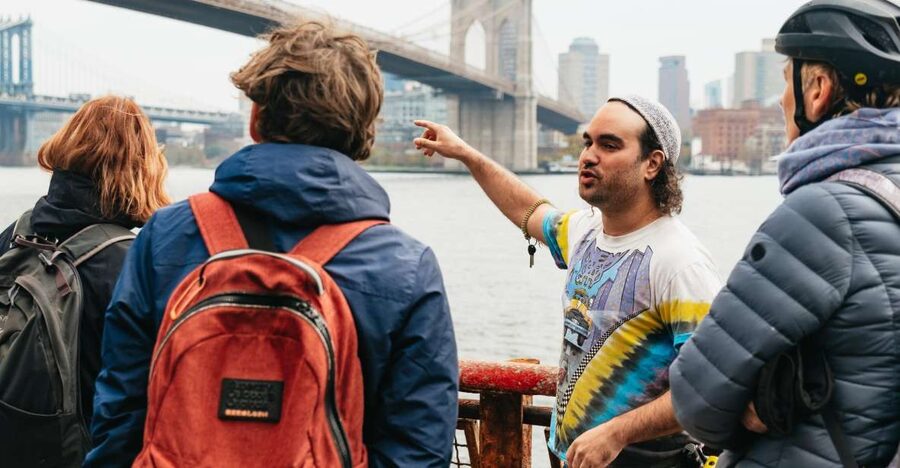
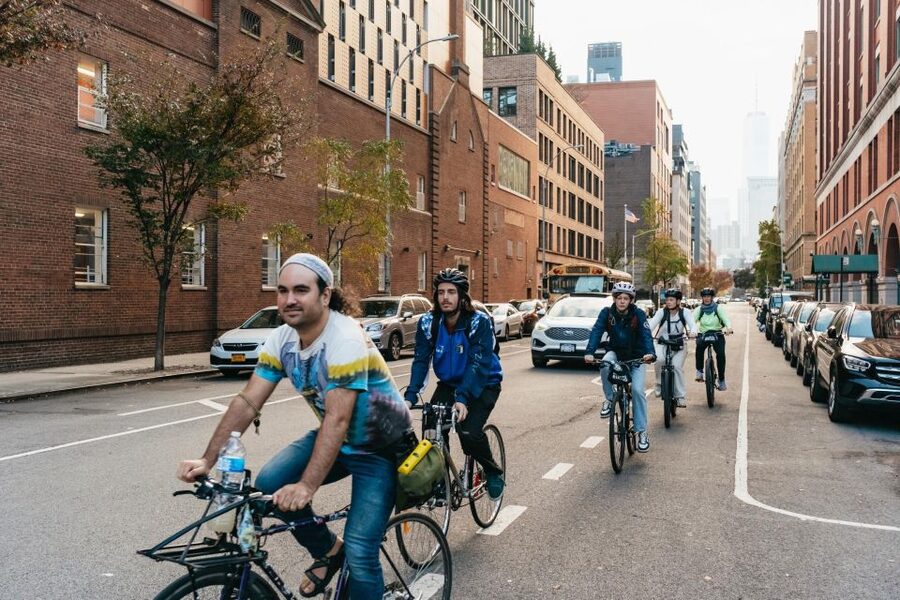
The best part of this four-hour ride is that it treats Manhattan like a collection of strange footnotes rather than a checklist of famous buildings. You pedal from TriBeCa through the Lower East Side, East Village, Greenwich Village, West Village, and the Meatpacking District, stopping for stories about Yiddish anarchists, Beatniks, Lenin, and other odd corners of New York life.
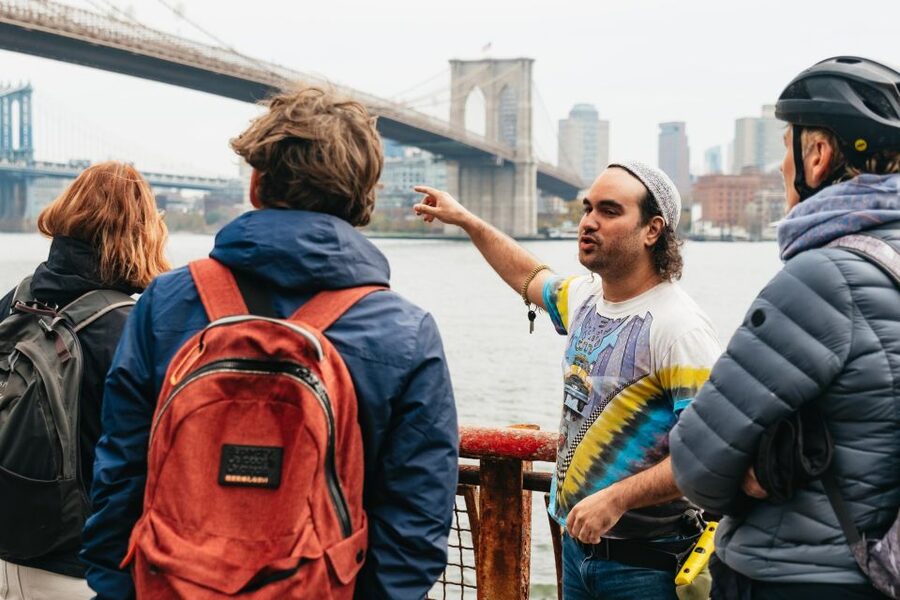
I like two things right away. First, the route was shaped by a real bike messenger, so your guide knows how to move through city traffic and choose calmer streets. Second, the guides adapt the ride to the group. Robby has been praised for changing the focus to match people’s interests, while Robert, Kevin, and Holden have each brought a personal, funny take on the city.
The main thing to watch is the price structure. The initial $46 charge covers the bike rental, while a direct guide payment of $40 per person is recommended after the ride. Also, the snack arrangement has caused some confusion, so ask exactly what is included before setting off.
Quick points before you book
- The route begins and ends at 79 Chambers Street: That makes TriBeCa your practical base for the full loop.
- You ride through several very different neighborhoods: The Lower East Side, East Village, Greenwich Village, West Village, and Meatpacking District each bring a different chapter of New York life.
- The stories go well past standard sightseeing: Expect counterculture, labor politics, immigration, anarchism, Beatniks, and unusual local landmarks.
- Safety is a major part of the experience: The route was planned by a bike messenger and is intended for riders at different skill levels.
- The tour is led in English: Guides have included Robby, Robert, Kevin, and Holden.
- Allow for the true cost: Add the suggested $40 guide payment to the $46 bike rental fee when judging value.
Why this ride feels different from a standard Manhattan tour
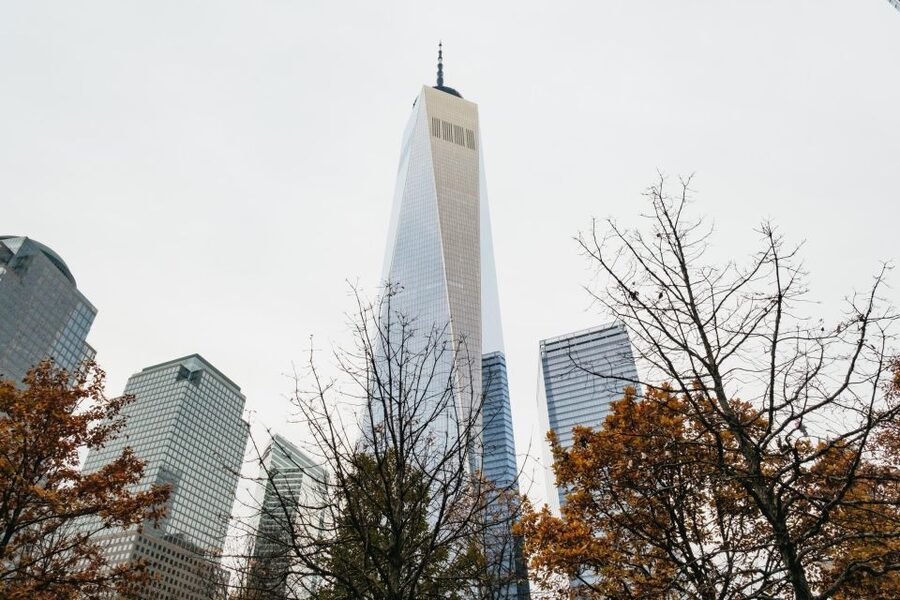
Many Manhattan sightseeing rides point you toward the Empire State Building, Statue of Liberty views, and major museum facades. This one takes a sideways look at the city. Its subject is not only what New York built, but who challenged it, argued with it, reshaped it, or lived outside its respectable image.
That makes the ride especially useful if you have already seen the main sights. You still pass through major neighborhoods, but your guide uses lesser-known places to explain social movements and local characters. A Lenin statue on a building, for example, becomes more than an odd thing to photograph. It opens the door to a story about political history and New York’s long habit of welcoming unusual ideas.
The tone also matters. This is not a formal lecture delivered from a saddle. Guides are encouraged to be funny, personal, and flexible. Robby has been described as someone who can adjust the route and stories around the people in front of him. That can make a four-hour ride feel more like a conversation than a fixed script.
More Cycling Trips in New York City:
- NYC: Central Park Bike Rentals
★ 4.2 · 2,528 reviews - NYC: Central Park Bike Rental
★ 4.1 · 1,651 reviews - Central Park Bike Rental
★ 4.7 · 1,509 reviews
Starting in TriBeCa at 79 Chambers Street
You meet at Unlimited Biking Brooklyn Bridge, at 79 Chambers Street, and return to the same place. The fixed start and finish are helpful in a city where getting across town can eat up time. You can arrange the rest of your day around Lower Manhattan without worrying about being dropped in a distant neighborhood.
The first 20 minutes cover TriBeCa. This part of the tour helps set the mood. TriBeCa is often presented through lofts, old warehouses, and film-industry associations, but the guide’s job here is to point out details that are easy to pass without a second thought.
The opening stretch also gives you time to settle onto the bike. That matters if you have not ridden in Manhattan before. You can get used to the group, the traffic, and the rhythm of stopping, listening, and riding again before reaching the busier parts of the route.
The Lower East Side and its political past
The Lower East Side receives about 45 minutes, making it one of the main story sections. This is where the tour turns firmly toward immigrant life, labor politics, and the Yiddish anarchist movement.
You should expect a neighborhood with many layers rather than a simple historic district. The guide connects streets and buildings to people who pushed against accepted political and social rules. These stories add useful context to the area’s food, tenements, shops, and changing streetscape without reducing it to a photo stop.
The bike is an advantage here. You cover more ground than you would on foot, yet you can still stop when a doorway, plaque, or building deserves attention. The tradeoff is that street conditions and traffic can interrupt the flow. You need to listen closely when the group pauses, and you should not expect a long, quiet museum-style talk at every stop.
After the main Lower East Side section, the route includes a 15-minute visit to an overlooked place and another 15-minute stop at a secret location. The exact details are not set out in advance, which is part of the appeal. It also means you should book this ride for the stories and guide’s point of view, not for a guaranteed list of famous addresses.
A full hour in the East Village
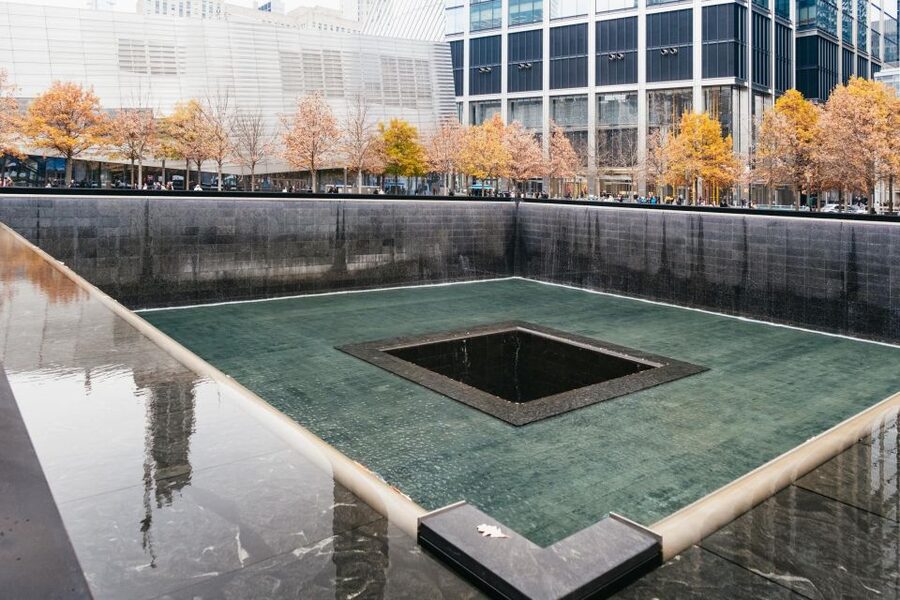
The East Village gets the longest single neighborhood section, about one hour. That tells you a lot about the tour’s priorities. This is not a quick pass through a trendy district. You spend time with the area’s alternative traditions and the people who made it a center of experimentation.
The East Village works well for this style of ride because its history includes politics, art, music, protest, and changing immigrant communities. Your guide uses places along the route to connect those subjects. The result should feel less like a timeline and more like a set of linked stories.
This is also where the guide’s personality matters most. A dry delivery could make the material feel heavy. The strongest feedback has focused on guides who are funny, warm, and able to tell an anecdote without losing the larger point. Robby, in particular, has been praised for unusual stops and an alternative angle on the city.
Plan for a few pauses rather than constant riding. The route is active, but the value comes from stopping often enough to understand why a place matters. If you want a fast, athletic ride with little talking, choose another bike outing.
Same roads, a different saddle:
- New York City: Highlights of Central Park Bike or eBike Tour
★ 4.6 · 800 reviews - Central Park Bike Rental New York City
★ 4.0 · 560 reviews - Guided Bike Tour of Central Park New York City
★ 4.5 · 537 reviews - Central Park NYC Highlights Small-Group Bike Tour
★ 4.5 · 425 reviews
The snack break and the fine print
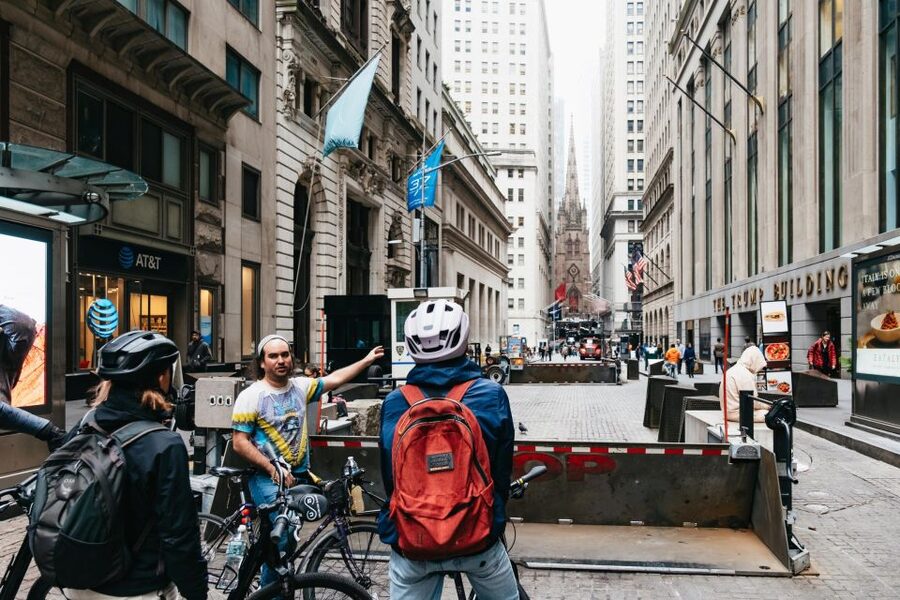
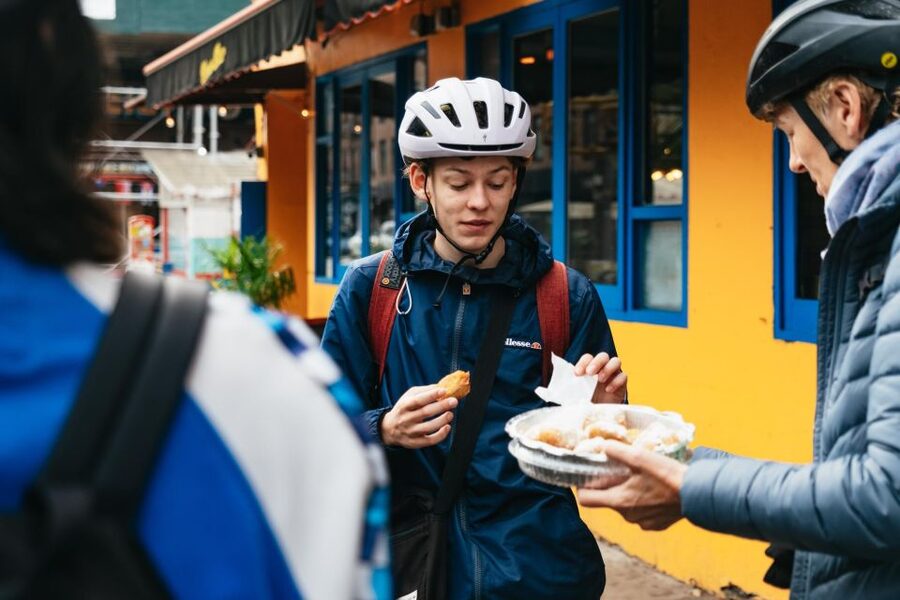
A 20-minute break includes local snacks in the stated program. That is welcome halfway through a four-hour ride, especially in warm weather or after several neighborhood sections.
Still, clarify the snack arrangement before you pay. One person was surprised to find that food and drink were not covered as expected. The safest approach is to ask the booking contact or guide what the break includes and what you may need to buy yourself.
That small uncertainty does not erase the value of the stop, but it matters when you are comparing prices. A snack is a pleasant extra. It should not be treated as a major reason to book unless the exact arrangement is clear.
Greenwich Village and the Beatnik years
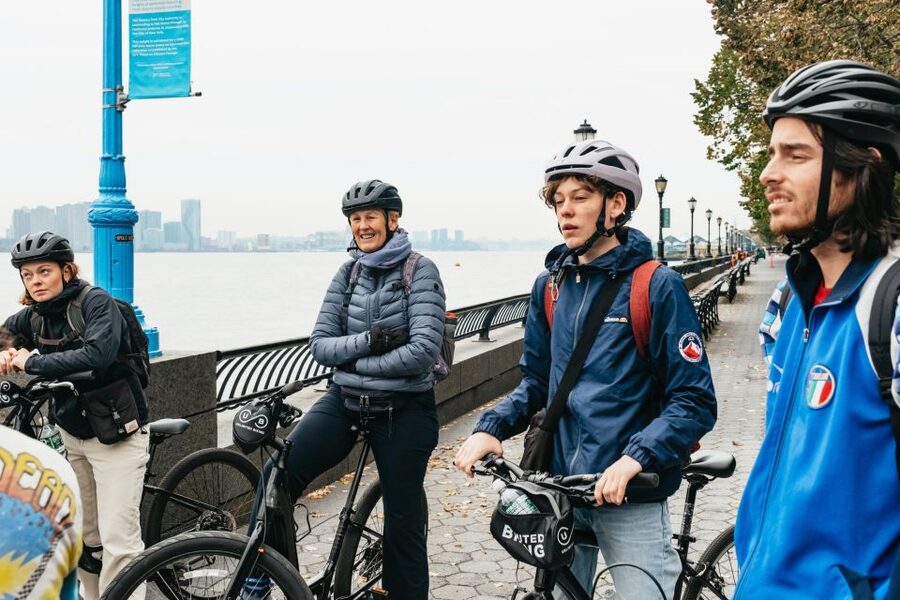
The route then reaches Greenwich Village for about 20 minutes. This is where the tour brings in the Beatnik era and the neighborhood’s role in countercultural life.
Greenwich Village is familiar to many people, but the usual version can be too polished. A guide who knows the less obvious stories can show how writers, artists, musicians, and political outsiders used the Village as a place to meet and test new ideas.
You are likely to notice a change in feel from the Lower East Side and East Village. That contrast is useful. Instead of treating downtown as one large historic zone, the tour shows how nearby neighborhoods developed distinct identities and attracted different communities.
The stop is fairly short, so expect a focused explanation rather than a complete history of Greenwich Village. If this subject is especially important to you, use the ride as an introduction and ask your guide for extra details or places to explore later on foot.
West Village and the Meatpacking District
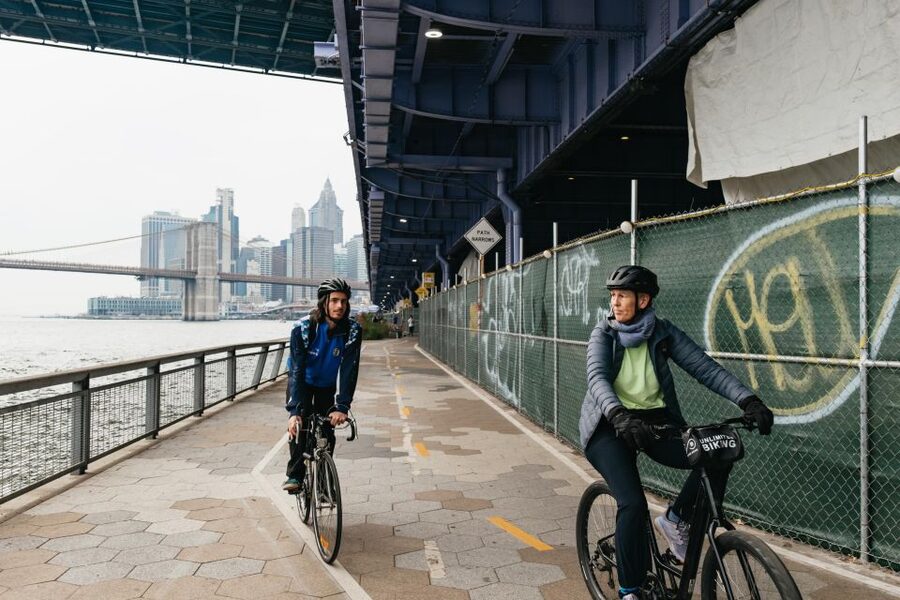
The West Village receives about 25 minutes. Here, the route continues the theme of unconventional New York, but with a different neighborhood setting. The ride lets you compare the Village’s quieter streets and residential character with the more commercial parts of downtown.
The final 10-minute section covers the Meatpacking District. That is brief, so think of it as a closing chapter rather than a detailed tour of the area. You get a sense of how quickly Manhattan’s identity can change from one district to the next.
The ride then returns to 79 Chambers Street. Completing the loop is convenient, and it avoids the common problem of finishing a tour far from where you began. By this point, you have crossed a broad slice of Lower Manhattan without spending the day underground on the subway.
How safe and difficult is the cycling?
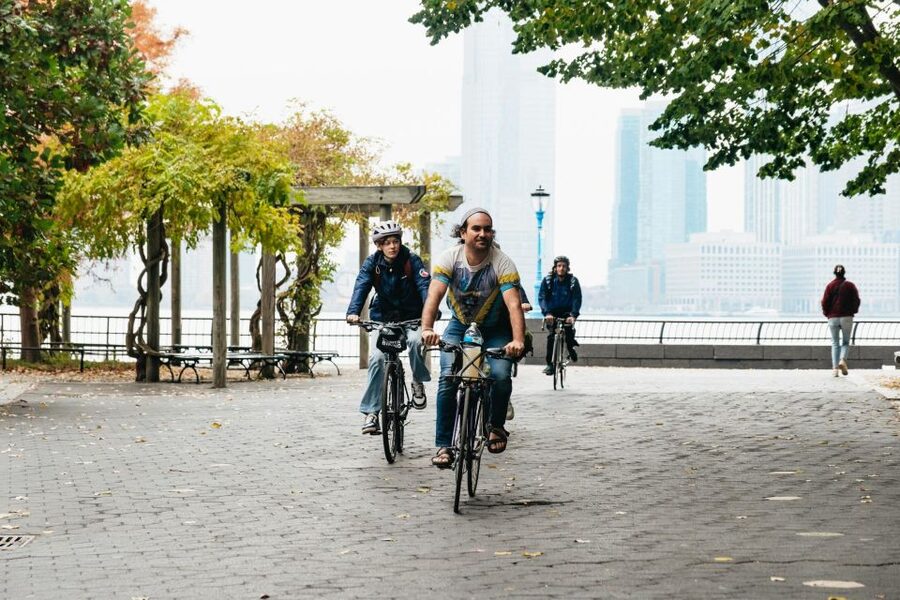
The route is designed for riders of different skill levels, and the bike messenger background is a real practical benefit. A guide who works around city traffic understands lane choices, busy crossings, and how to keep a group together.
That does not mean Manhattan cycling is effortless. You are still riding in a major city. You should be comfortable balancing, braking, and following instructions. The tour is meant to be accessible, but it is not a private path in a park.
The strongest practical praise has focused on guides who move safely through traffic and know the better routes. One guide was described as making the ride feel surprisingly relaxed despite the city setting. That is exactly what you want from a bike tour: not zero traffic, but a leader who reduces needless stress.
The guides make or break the day
The guide is the central feature here. The route has an unusual subject, but the experience depends on how well the person leading it tells stories and handles the streets.
Robby has been praised for being a strong city rider, flexible with the group, and willing to show places beyond the standard tourist circuit. Robert has led the tour as well, and when he was ill, he arranged for Kevin to take over. Kevin was credited with listening carefully to the group and delivering the requested alternative view of New York.
Holden has also led the ride, with a reputation for charm, humor, local familiarity, and strong bike handling. These names matter because they show that the experience is not tied to a single scripted personality. The tone may vary slightly from one guide to another, but the shared goal is a personal look at New York’s unusual past.
If you enjoy asking questions, say so early. These guides seem to work best when they can respond to curiosity rather than simply recite prepared facts.
Is the $86 practical cost good value?
The listed fee is $46 per person, but that covers the bike rental under the revised pricing arrangement. A guide payment of $40 per person is recommended directly at the end, bringing the suggested total to $86 before any extra snack spending.
That is not a cheap way to spend four hours. It can still be good value if you want three things at once: a bike, a local guide, and a focused look at New York subjects you are unlikely to get from a standard city tour.
The direct guide payment avoids service fees and sends more money to the local expert. That is a reasonable structure, but it needs to be clear before booking. If you prefer one all-in price with no extra decision at the end, this setup may annoy you.
For comparison, you are getting a half-day activity that covers several neighborhoods and includes a snack break. You are also getting interpretation, route planning, and traffic management. I would consider it worthwhile for repeat visitors, history fans, and people who prefer local stories to famous photo stops. First-time visitors who have not yet seen the major landmarks may want to pair it with a more conventional sightseeing tour.
Who should book this Manhattan ride?
I would recommend it to confident casual cyclists, solo visitors who want company, and anyone drawn to political, literary, immigrant, or countercultural history. It also suits people who like a guide with a point of view rather than a neutral list of dates.
It is a good choice if you have several days in New York and want one activity that joins neighborhoods together. The route gives you ideas for later exploration, especially in the Lower East Side, East Village, Greenwich Village, and West Village.
You may want to skip it if you dislike city cycling, need a fully predictable schedule, or want a tour centered on famous landmarks. The unusual stops are the point, but they also mean the experience depends heavily on the guide and the group’s interests.
Cancellation is free up to 24 hours before the start, and you can reserve now and pay later. The tour is in English, lasts four hours, and begins and ends at 79 Chambers Street.
Final verdict: book it for the stories, not the checklist
Book this ride if you want New York with its polished surface removed. You will pedal through familiar neighborhoods while hearing about people, movements, and places that rarely appear in a standard guidebook.
The best reasons to go are the street-smart route, the flexible guides, and the odd details, including political landmarks and counterculture stories. Just budget $86 per person before possible snack costs, confirm what the break includes, and arrive ready to ride in city traffic.
If those conditions suit you, this is a lively and unusually personal way to spend half a day in Lower Manhattan.
FAQ
Where does the NYC Radical and Weird History Bike Tour begin?
It begins at Unlimited Biking Brooklyn Bridge, located at 79 Chambers Street in Manhattan.
Where does the bike tour end?
The tour returns to 79 Chambers Street in TriBeCa, the same place where it begins.
How long does the tour last?
The activity lasts four hours.
What neighborhoods does the route visit?
The route includes TriBeCa, the Lower East Side, the East Village, Greenwich Village, the West Village, and the Meatpacking District.
What language is the tour conducted in?
The live tour is conducted in English.
Is a snack included?
A mid-tour local snack break is part of the stated program. Since the exact food and drink arrangement has caused confusion, confirm whether anything must be purchased separately.
How much should I budget for the experience?
The initial $46 per person covers the bike rental. A guide payment of $40 per person is recommended directly after the tour, so you should budget $86 per person, plus any snack costs that are not covered.
Newest rides we have reviewed in New York City
- Electric Bike Tour: Classic Manhattan And More!★ 3.4 · 15 reviews
- Downtown Bike Tour with Stylish Dutch Bikes or E-bikes!★ 4.9 · 56 reviews
- Central Park Electric Bike Rental★ 4.7 · 60 reviews
- New York City: Best of Central Park Bike Tour★ 4.1 · 71 reviews
- NYC: E-Bike Rental for Central Park and Downtown★ 4.3 · 108 reviews
- New York City: City Highlights Guided Bike or eBike Tour★ 4.5 · 229 reviews
- Central Park NYC Electric Bike Rental★ 4.5 · 127 reviews
- New York City: Central Park Bike Rental★ 4.3 · 288 reviews
New York City Cycling Tours, compared.

Central Park NYC Highlights Small-Group Bike Tour
Read our review →

Central Park Bike Rental: Quality Bikes with Map, Helmet, Lock
Read our review →Other lists this ride turns up in