REVIEW · FOOD AND MARKET BIKE TOURS IN PORTUGAL
Lisbon: Portuguese Petiscos Tasting Tour by E-Bike
Lisbon’s food culture makes more sense when you move through the city rather than sit in one restaurant. This three-hour e-bike tour links four petiscos tastings with a brisk ride through the market district, waterfront, downtown, Chiado, and Bairro Alto. You get small plates, city views, and a useful first look at neighborhoods that can take days to sort out on foot.
I like two things here. First, the e-bike takes the sting out of Lisbon’s hills, letting you cover about 10.5 kilometers without turning the outing into an athletic test. Second, the food stops connect old Portuguese recipes with modern places such as Ribeira Market. The main caution is the ride itself: cobblestones can be bumpy, and you need to be comfortable on a bike. A sports bra is sensible for the ride.
Key points at a glance
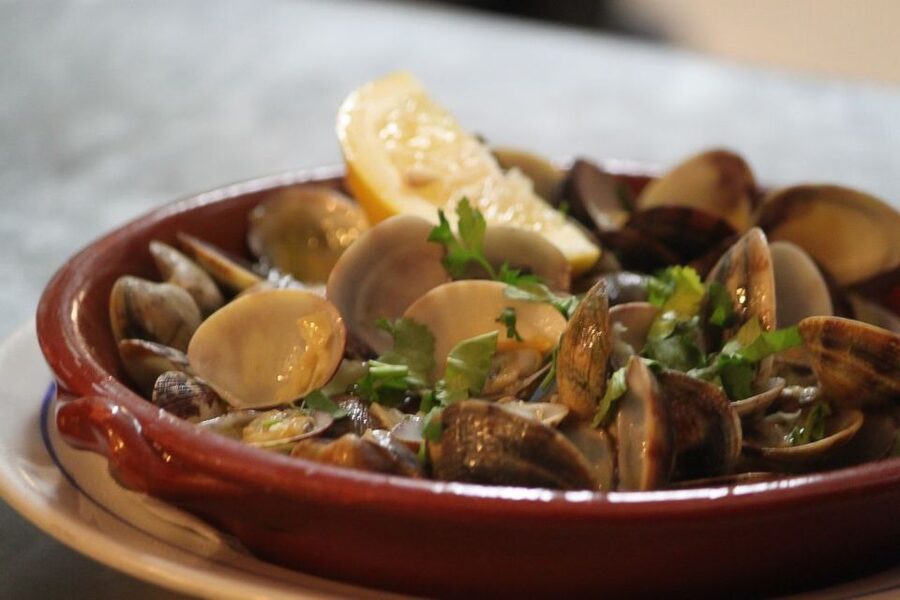
- Four petiscos tastings: Sample traditional Portuguese small plates, with possible choices ranging from codfish cakes and clams to peppers, snails, or hot pork sandwiches.
- Electric help for Lisbon’s hills: The e-bike makes the climbs around downtown, Chiado, and Bairro Alto far more manageable.
- Ribeira Market stop: See traditional stalls selling fish, produce, and flowers, then find food from more than 30 restaurants in the modern market area.
- A city tour with real range: In three hours, you travel from Martim Moniz to the riverfront, Pink Street, Pombaline Downtown, Chiado, and Bairro Alto.
- Guides who add personality: Jaime, Claudio, Beatrice, and Daniel have all led highly praised tours, with history, local suggestions, and personal attention.
- Know the physical limits: The tour is not suitable for people under 140 centimeters or people with mobility impairments.
Why the e-bike and petiscos pairing works
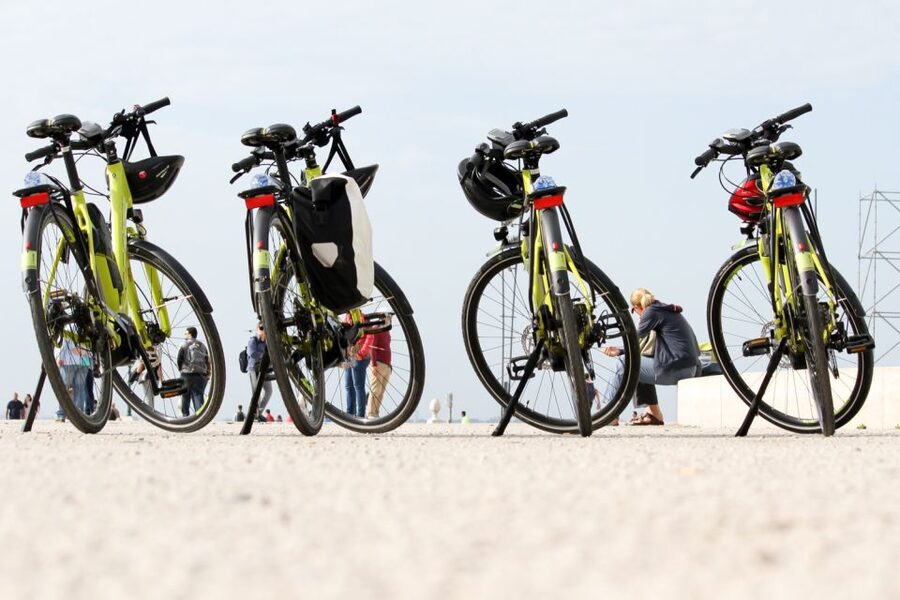
Lisbon is a city of steep streets, long stairways, and uneven paving. Walking is rewarding, but it can also eat up your energy before lunch. A standard bike can be an even worse idea unless you enjoy fighting gravity. The electric bike gives you a practical middle ground: you still pedal and stay close to the street, but the motor helps on the climbs.
That matters because this route is not just a flat riverside spin. You move between central neighborhoods, some of them hilly and paved with cobblestones. The electric assistance helps you keep your attention on the city instead of on your legs.
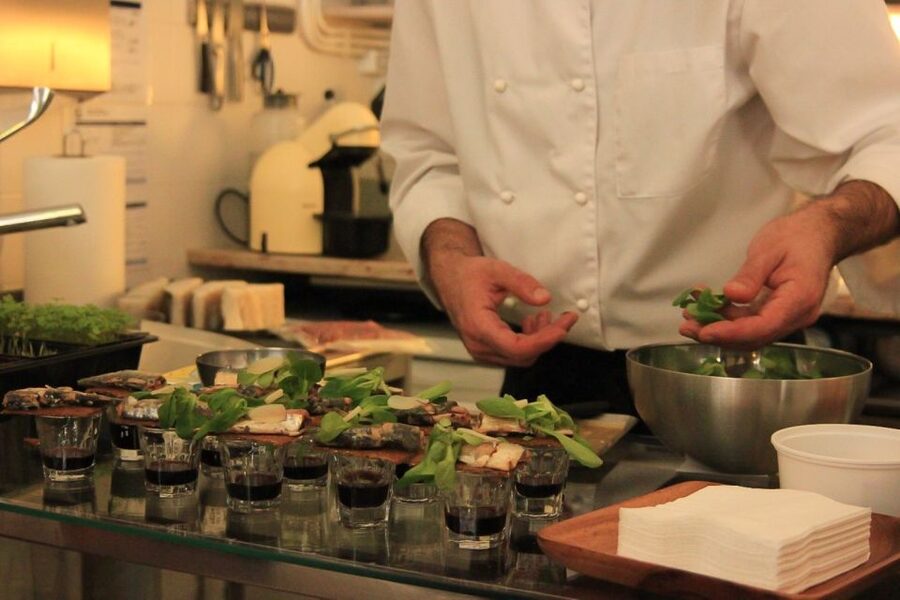
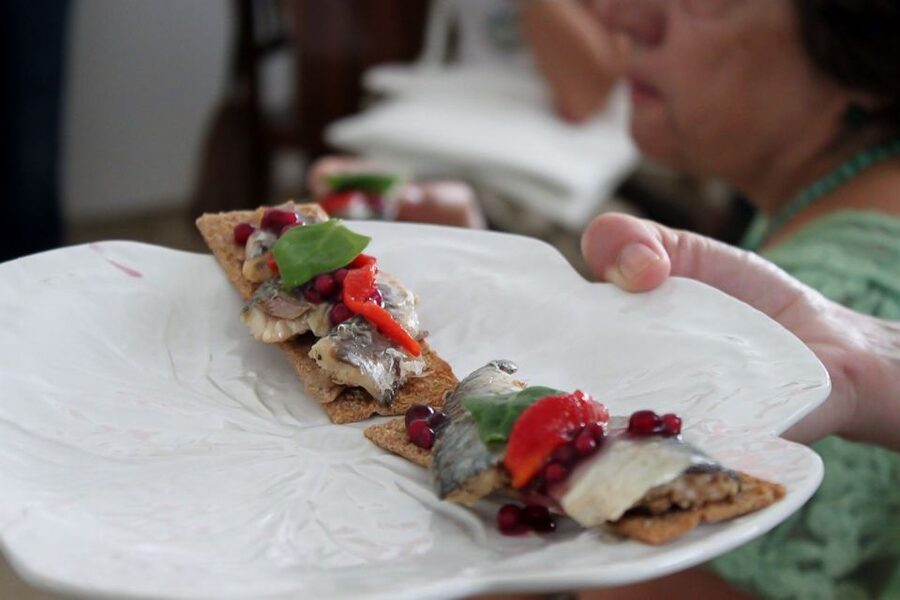
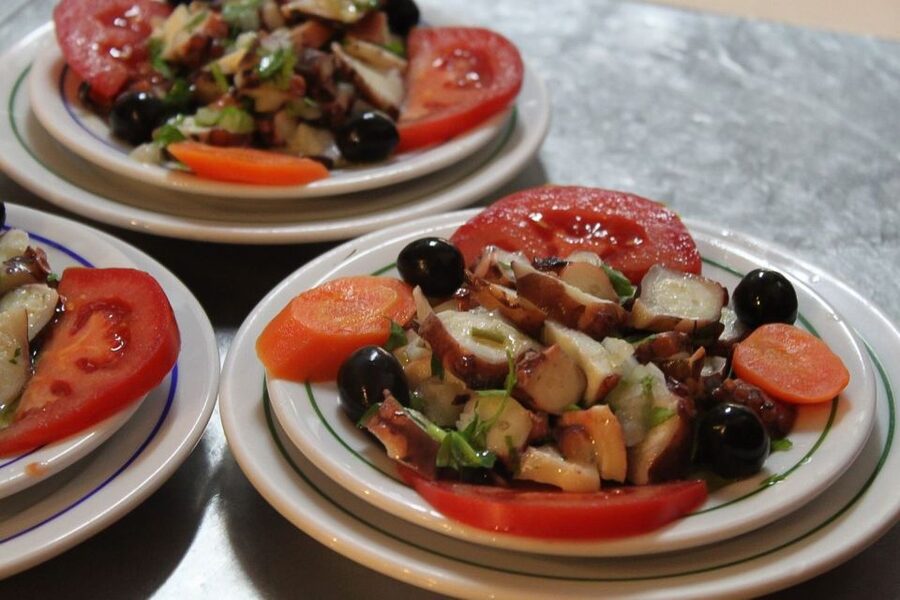
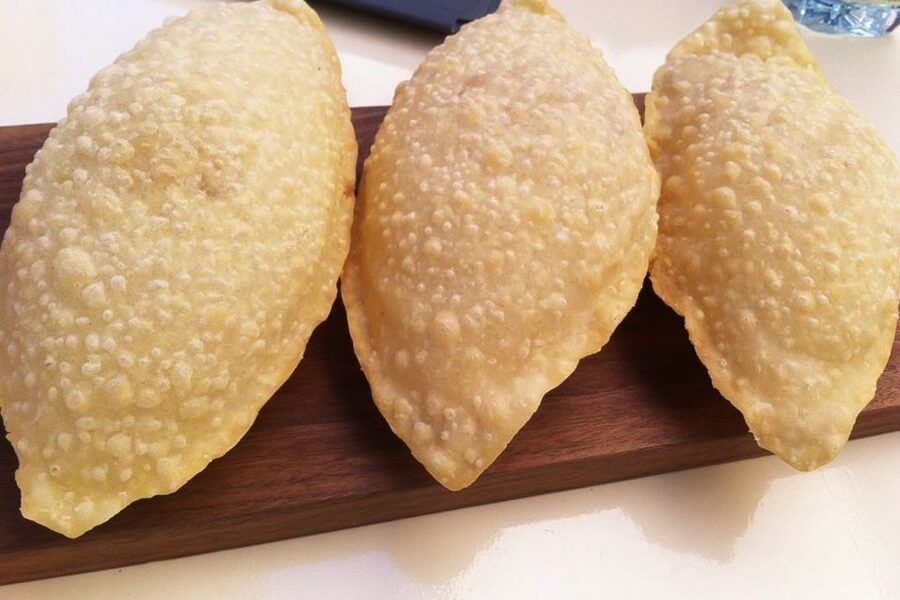
The food side works for the same reason. Petiscos are small portions that may be served with rice or salad to make a full meal. The tradition is broad rather than fixed. You might encounter pepper salad, watercress, codfish, fish spawn, pig ear, Bolhão Pato clams, fried green beans called Peixinhos da Horta, snails, shrimp-filled patties, Pipis, hot pork sandwiches, or Pastéis de Bacalhau, the familiar codfish cakes.
The exact dishes are not guaranteed, so think of the menu as a sample of Portuguese habits rather than a fixed tasting flight. That is a good thing if you like local food with a little uncertainty. If you have strong dislikes or dietary needs, ask the operator before booking.
More E-Bike Tours in Lisbon
- Lisbon: Hills, Alfama, and Mouraria Tour by Electric Bike
★ 4.8 · 3,438 reviews - Lisbon E-Bike Tour Commerce Square, Mouraria and Alfama
★ 4.5 · 1,688 reviews - Lisbon: 7 Hills Half-Day Electric Bike Tour
★ 4.9 · 1,592 reviews
Starting near Martim Moniz
The meeting point is Largo Severa 7A, a pedestrian area near Praça Martim Moniz. If you arrive by taxi, Uber, metro, or bus, use Praça Martim Moniz as your destination, then walk about two minutes to Largo da Severa.
You begin with a short briefing on the e-bike. Use this time well. Make sure you understand the brakes, the electric assistance, and how the guide wants the group to ride before setting off. The tour includes a helmet, and comfortable clothing and shoes are recommended.
The operator does not include transport to or from the meeting point. That is not a major problem in central Lisbon, but you should allow a little time to find the pedestrian meeting area. Arriving rushed is a poor way to start a bike tour.
Ribeira Market and Lisbon’s changing food scene
One of the strongest parts of the route is the visit to the renovated Ribeira Market. The traditional market area has stalls selling fish, fruit, vegetables, and flowers. This gives you a look at the everyday ingredients behind Portuguese cooking, not just finished dishes arranged for tourists.
A separate part of the market has more than 30 restaurants, including places serving food recommended by well-regarded chefs. The setting shows how Lisbon has changed. Old market commerce sits beside a polished dining hall aimed at modern tastes.
That contrast is useful. You see that Portuguese food is not frozen in the past, even when the recipes are. Ancient combinations can be adjusted for a newer audience without losing their local identity. Your tasting here may be one of the four stops, but the market itself gives you more to notice than a quick bite.
The market can also be one of the busier parts of the outing. You are not getting a quiet, private meal in a neighborhood tavern. You are sampling food in a popular central venue while the group keeps to a three-hour schedule. If you want a long, slow meal, book a separate restaurant evening.
Pink Street and the lower waterfront
The route continues through Nova de Carvalho, better known as Pink Street. It is pedestrianized and lined with pubs and clubs, making it one of Lisbon’s more photographed central streets. Its nightlife identity can feel quite different from the old market stalls and traditional food you have just seen.
The stop is brief in the context of the full tour, so do not expect a long visit to every bar or club. The point is to see how a once-working part of central Lisbon has taken on a new role. It also gives you a different side of the city than the churches, tiled façades, and old cafés usually shown on a classic sightseeing walk.
From there, you ride along the renovated Ribeira das Naus waterfront promenade. This stretch is tied to Lisbon’s maritime past. Portugal’s ships were built here during the 16th-century Age of Discoveries, when the riverfront was a center of shipbuilding and overseas travel.
The waterfront is one of the easier places to appreciate from a bike. You can cover ground, pause for views, and see how the river shapes the city. Since the tour also includes the inland hills, this flatter section gives your legs a useful break.
More E-Bike Tours in Portugal
- Lisbon: City Highlights and Viewpoints E-Bike Tour
★ 4.9 · 1,556 reviews - Lisbon: 3-Hour Tour by E-Bike
★ 4.8 · 1,150 reviews - 3-Hour Lisbon 7 Hills Electric Bike Tour
★ 5.0 · 818 reviews - Lisbon: Electric Bike Tour by the River to Belém
★ 4.8 · 507 reviews
Pombaline Downtown after the 1755 earthquake
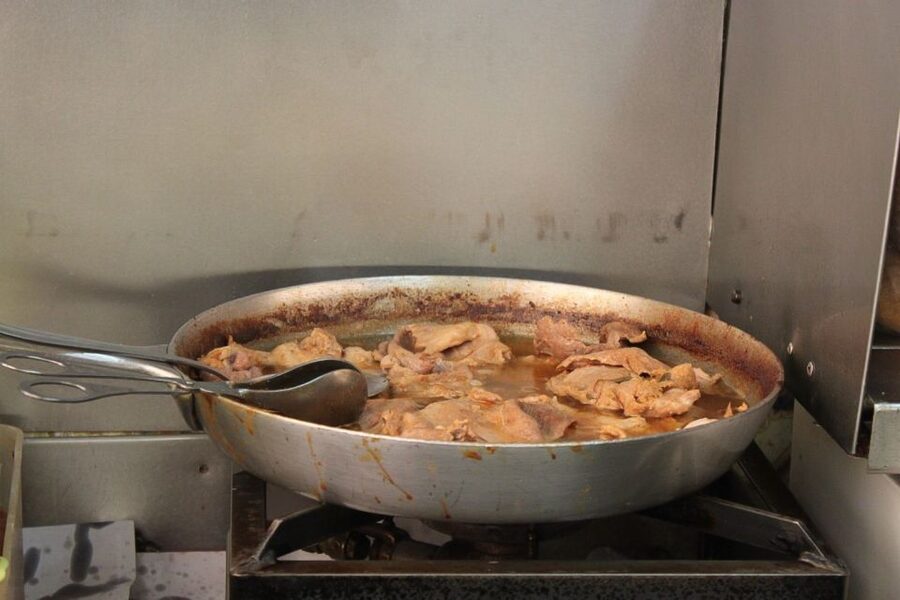
Pombaline Downtown was rebuilt after the devastating earthquake of 1755. Its broad streets and orderly blocks feel different from the crooked lanes found in older parts of Lisbon. You pass restaurants and cafés, many with long histories of their own, while the guide explains how this section of the city was reshaped.
I like this part because the urban plan becomes easier to understand when you are moving through it. From a vehicle, the streets can blur together. On a bike, you notice the width of the roads, the regular layout, and the way the downtown grid leads toward the river.
This is also one of the best sections for a guide to add context. Claudio, one of the guides praised by name, was described as a walking history book, and Jaime received strong praise for answering questions and making the ride feel personal. Guide quality matters on a compact city tour. You are covering many districts quickly, so clear explanations help keep the route from becoming a list of names.
The downside is traffic awareness. Even with pedestrianized sections and waterfront paths, central Lisbon is not a completely car-free cycling environment. Stay close to the guide, follow instructions, and keep your attention on paving and intersections.
Chiado, the third tasting, and a more polished Lisbon
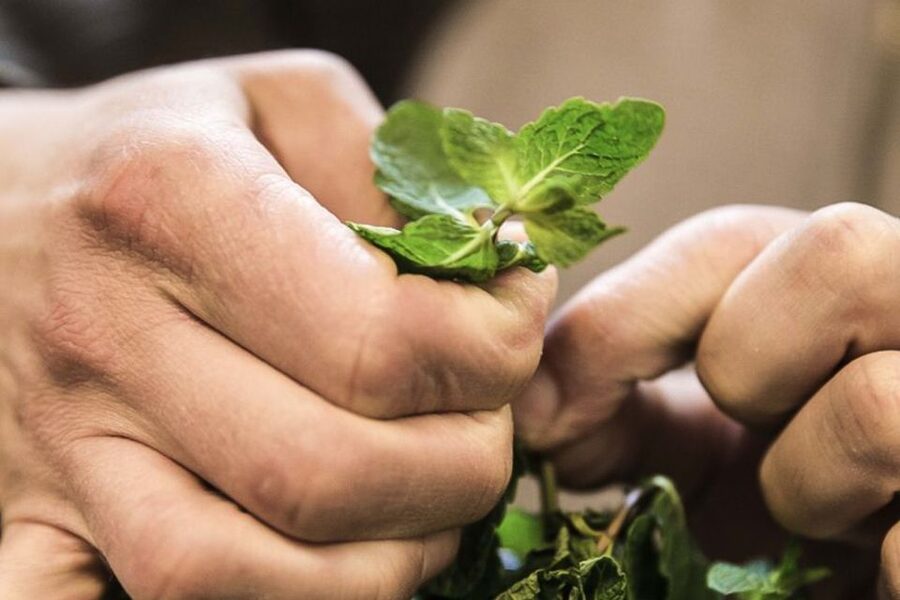
The route then climbs toward Chiado for the third petiscos tasting. Chiado is one of Lisbon’s best-known central neighborhoods, with cafés, shops, theaters, and old streets linking the lower downtown to Bairro Alto.
By this point, the tasting format becomes especially useful. You are not only eating in one market. You are using food to connect different parts of the city. The bite in Chiado gives you a chance to compare a more central neighborhood setting with the market experience.
Do not assume each tasting is a tiny sample that takes two minutes. One account described a stop at a cozy restaurant where the group ate a substantial meal and selected food from the menu. That experience may depend on the restaurant, guide, or group, so treat it as a possibility rather than a promise. The official format is four tastings, not four full restaurant meals.
Beatrice and Daniel are also names associated with particularly warm guide experiences. Daniel was praised for sharing favorite places and personal memories, while Beatrice was described as welcoming and attentive. I would consider those personal touches a real benefit if you want restaurant ideas for later in your stay.
Bairro Alto and the final petisco
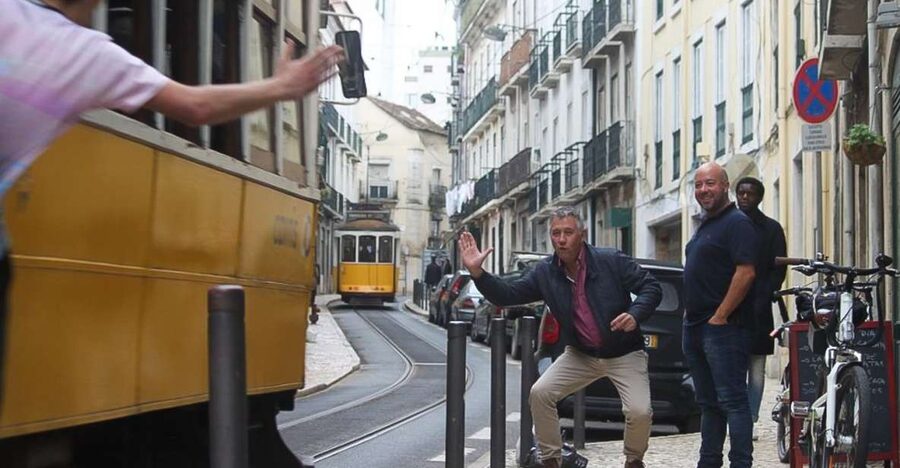
The final section takes you through historic Bairro Alto, an area with roughly 500 years of history and a strong connection to Lisbon’s nightlife and traditional streets. Its lanes are tighter and its paving can be rougher, so this is where the comfort of an e-bike must be balanced against the physical feel of the ride.
The fourth and last tasting takes place during this part of the route. A final petisco is a good way to end because you have already seen several versions of modern Lisbon. You can finish with a traditional bite while looking at one of the city’s oldest central neighborhoods.
The tour does not claim to provide a complete food education. Four tastings cannot cover Portugal’s full regional cooking, and some famous dishes may not appear on your specific outing. What you do get is a useful introduction to the idea of petiscos and to the way Lisbon eats across markets, cafés, restaurants, and nightlife streets.
What the food can teach you
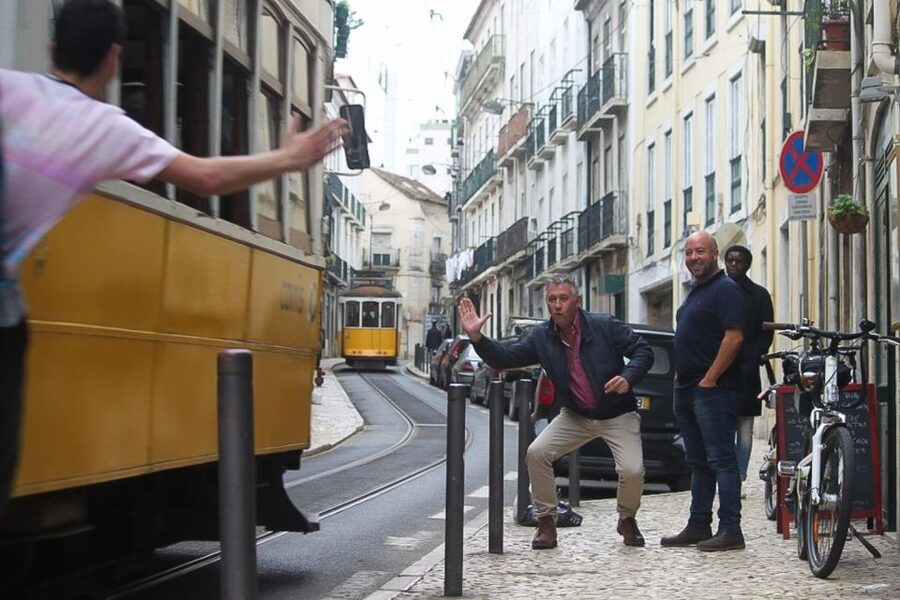
Petiscos are more than miniature portions. They reflect a social style of eating, where several dishes can be shared and combined into a meal. The list of possible foods also shows how broad Portuguese cooking can be.
Pastéis de Bacalhau offer codfish in a familiar fried form. Bolhão Pato clams bring garlic and seafood to the table. Peixinhos da Horta turn green beans into a crisp battered snack. Pipis use chicken giblets in a sauce of tomato, garlic, and onion. A hot pork sandwich offers something direct and filling.
You may also see salads made with peppers or watercress, along with less familiar options such as pig ear, fish spawn, and snails. This range is worth knowing before you book. The tour is a better fit if you enjoy trying foods beyond the safest menu choices.
At $82 per person, the value rests on the combination. You are paying for an English, Italian, Spanish, German, or French-speaking guide, an e-bike, helmet, liability and personal accident insurance, four tastings, and a guided route through major central districts. You also save the time and effort of planning a food crawl and a city ride separately.
The price is less compelling if you mainly want a full meal, a long market visit, or a slow history walk. You may still need to buy another meal afterward, depending on the size of the tastings. But for a first day in Lisbon, the route covers a lot in three hours and gives you restaurant ideas for the rest of your stay.
The ride: cobblestones, hills, and practical comfort
You should be comfortable riding a bicycle before booking. The tour is not suitable for people with mobility impairments or anyone under 140 centimeters. The route includes hills and uneven paving, and one rider specifically advised wearing a sports bra because of the cobblestones.
That tip is practical, not dramatic. An e-bike makes climbs easier, but it does not smooth the road. Comfortable shoes, flexible clothing, and a secure bag are sensible choices. Keep your hands free enough to control the bike.
The reported distance of about 10.5 kilometers gives you a useful idea of the pace. This is not a quick ride from one restaurant to the next. It is a substantial city circuit with several food stops and time for the guide to explain what you are seeing.
If you are a confident cyclist, the ride should feel like an efficient way to get around. If you are nervous on bikes, Lisbon’s hills and paving may make the experience stressful even with electric assistance. In that case, choose a walking food tour instead.
Guide style and the value of local suggestions
The strongest guide comments focus on warmth, personal attention, and useful local advice. Jaime was praised for making the afternoon feel like an outing with a friend. Claudio was singled out for his historical explanations. Beatrice and Daniel were both described as welcoming and personal.
That matters because a food tour can easily become mechanical: stop, taste, photograph, move on. Here, the guide is part of the value. You can ask about restaurants, neighborhoods, ingredients, and what to do after the tour.
One useful detail is that local restaurant suggestions can extend the value beyond the three hours. A guide’s recommendation may help you find a more local dinner on a later evening. I would still ask for specific addresses and booking advice, since the tour itself does not include future meals.
The listed languages are English, Italian, Spanish, German, and French. Check the language available for your chosen departure before booking.
Who should book this Lisbon tour?
I would choose this for a first or second day in Lisbon if you want orientation, food, and movement in one package. It suits couples, friends, and solo visitors who like trying local dishes but also want to see how the central districts connect.
It is especially useful for people who find Lisbon’s hills intimidating. The e-bike lets you reach Chiado and Bairro Alto without treating the climbs as the main event. It also suits food-minded cyclists who prefer streets and neighborhoods to a fixed restaurant table.
I would hesitate if you have limited cycling experience, dislike cobblestones, need step-free access, or want a carefully controlled tasting menu. I would also avoid booking it as your only food experience in Lisbon. Four tastings introduce the subject, but they cannot replace a relaxed Portuguese dinner.
Cancellation is flexible up to 24 hours before the start for a full refund, and you can reserve now and pay later. Those terms help if your Lisbon schedule is still shifting, but the key decision remains physical comfort on a bike.
Should you book the petiscos e-bike tour?
Book it if you want a lively introduction to Lisbon that combines four food stops with about 10.5 kilometers of sightseeing. The route gives you markets, the river, Pink Street, Pombaline Downtown, Chiado, and Bairro Alto in a single outing, while the e-bike handles much of the city’s vertical challenge.
Skip it if cobblestones, hills, or unfamiliar foods sound unpleasant. For the right rider, $82 is fair because it covers equipment, guide service, tastings, and a route that would take careful planning to recreate. I would place it early in a Lisbon stay, then use the guide’s restaurant suggestions to shape the meals that follow.
FAQ
How long does the Portuguese petiscos e-bike tour last?
The tour lasts three hours.
How much does the tour cost?
The listed price is $82 per person.
How many food tastings are included?
Four petiscos tastings are included.
What neighborhoods and areas does the route visit?
The route includes Ribeira Market, Nova de Carvalho or Pink Street, Ribeira das Naus, Pombaline Downtown, Chiado, and Bairro Alto.
Is an e-bike and helmet included?
Yes. The tour includes an electric bike and helmet.
Where is the meeting point?
The meeting point is Largo Severa 7A, 1100-588 Lisboa, in a pedestrian area. Praça Martim Moniz is the closest destination for a taxi, Uber, metro, or bus, followed by a walk of about two minutes.
Which languages are available?
Guided tours are available in English, Italian, Spanish, German, and French.
Who should not take this tour?
The tour is not suitable for people with mobility impairments or people under 140 centimeters tall.
What should I bring?
Bring comfortable shoes and comfortable clothing. Because the route includes cobblestones, supportive clothing is a practical choice.
More Food and Market Bike Tours in Lisbon
- Versailles Palace Bike Tour with Market & Marie-Antoinette hamlet
★ 5.0 · 2,680 reviews - Madrid: 3 h. Guided Highlights Bike Tour with Optional Tapas
★ 4.9 · 1,623 reviews - Rome: Appian Way & Aqueducts E-Bike Tour (Catacombs & Food)
★ 4.9 · 1,498 reviews - Tuscany Bike Tours Through the Chianti Hills with Wine Tasting
★ 5.0 · 1,300 reviews
More Food and Market Bike Tours in Portugal
- Lisbon: E-Bike Food Tour of Alfama and Old Town
★ 4.7 · 50 reviews - Lisbon E-Bike Guided Food Tour with Five Food Tastings
★ 5.0 · 25 reviews - Lisbon: E-Bike Adventure to Belém with Pastel Tasting
★ 5.0 · 21 reviews - Porto: Self-Guided Bike and Boat Tour with Port Wine Tasting
★ 4.7 · 52 reviews
Newest rides we have reviewed in Lisbon
- Lisbon: E-Bike Adventure Through the City of Seven Hills★ 5.0 · 28 reviews
- Lisbon: 7 Hills Panoramic Guided Tour by E-Bike★ 4.8 · 50 reviews
- Lisbon Bike Tour: Langs de rivier van Belém naar Lissabon★ 4.7 · 59 reviews
- Lisbon: Guided E-Bike Tour to Belém★ 4.8 · 115 reviews
- Lisbon: Bike Tour From City Center to Belem★ 4.8 · 212 reviews
- Lisbon Bike Rental Explore At Your Pace★ 4.4 · 46 reviews
- Lisbon: 1-Hour Beer, Sangria or Wine Bike Sightseeing Tour★ 4.3 · 110 reviews
- Go Lisbon by Night Electric Bike Tour★ 4.9 · 24 reviews
Food and Market Bike Tours, compared.

Versailles Palace Bike Tour with Market & Marie-Antoinette hamlet
Read our review →
3 h. Guided Highlights Bike Tour with Optional Tapas
Read our review →
Appian Way & Aqueducts E-Bike Tour (Catacombs & Food)
Read our review →
Tuscany Bike Tours Through the Chianti Hills with Wine Tasting
Read our review →
Rome by Night – Ebike Small Group Tour – Food and Wine (Option)
Read our review →
Rome by Night: E-bike Small Group Tour -Food & Wine (Option)
Read our review →
Electric Bike Beach Adventure with Tequila Tasting and Lunch
Read our review →