
REVIEW · USA
Atlanta: Fall In Love With Atlanta Bicycle Tour
Atlanta makes its best first impression from a bicycle seat. This 2.5-hour, 8-mile ride links leafy historic streets, bold murals, Civil War and Civil Rights landmarks, and the ever-changing BeltLine without trapping you inside a tour bus. Inman Park and Old Fourth Ward give you a close look at how old neighborhoods and new city life share the same blocks.
I especially like the small-group feel and careful safety approach, along with the chance to stop for photos instead of simply watching Atlanta slide past a window. Guides including Lisa, Walt, and Tanner are praised for being entertaining, well informed, and attentive. The main drawback is that you need to be comfortable riding for a full 2.5 hours, and Atlanta’s streets and trails can feel less relaxing if you are not a confident cyclist.
Key points at a glance
- Eight miles in 150 minutes: A steady city ride with time for stories, views, and photo stops.
- A strong neighborhood mix: Inman Park, Little Five Points, Cabbagetown, Old Fourth Ward, and the King Historic District all bring a different side of Atlanta.
- The BeltLine by bicycle: See one of Atlanta’s most important urban projects from the route itself.
- Civil War and Civil Rights context: The ride connects places tied to two major chapters of the city’s past.
- Good practical value: A bicycle, helmet, bottled water, and trail mix are included in the $70 price.
- Easy after-tour planning: The Studioplex Lofts meeting point sits in Old Fourth Ward, near places to eat and drink.
Why a bicycle is the right way to see Atlanta
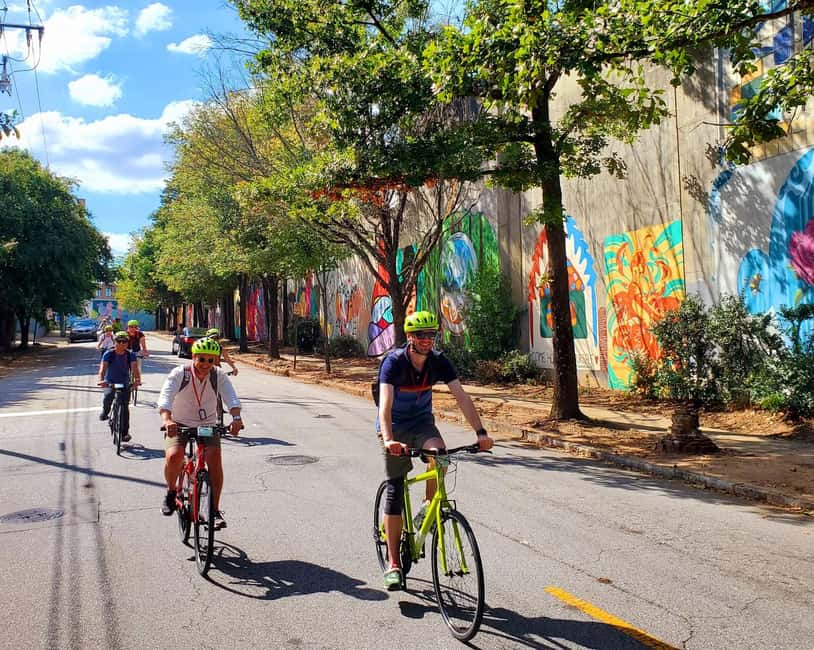
Atlanta is spread out, and many of its most appealing areas do not line up neatly along a single sightseeing route. A bicycle helps solve that problem. You can cover several neighborhoods in one outing while still noticing front porches, murals, gardens, cemetery gates, and small local corners that disappear from a car.
The pace also gives the guide room to explain how Atlanta changed. You are not only checking off attractions. You are seeing the relationship between old homes, creative districts, public art, community gardens, and new paths built for walking and cycling.
The route covers about eight miles, with the ride itself lasting 2.5 hours once everyone is ready. Allow up to three hours from arrival through finish. That extra time matters because you will need to check in, get fitted with a bicycle and helmet, and receive basic instructions before setting off.
The mood is meant to be relaxed rather than athletic. Still, relaxed does not mean effortless. You should be happy riding continuously for several hours and handling a city route. Closed-toed shoes are required, and comfortable shoes are the sensible choice.
More Cycling Trips in the USA:
- Guided Bike Tour of Old Town Key West
★ 5.0 · 2,611 reviews - NYC: Central Park Bike Rentals
★ 4.2 · 2,528 reviews - Red Rock Canyon eBike Half-Day Tour
★ 5.0 · 1,870 reviews
Starting at Studioplex Lofts in Old Fourth Ward
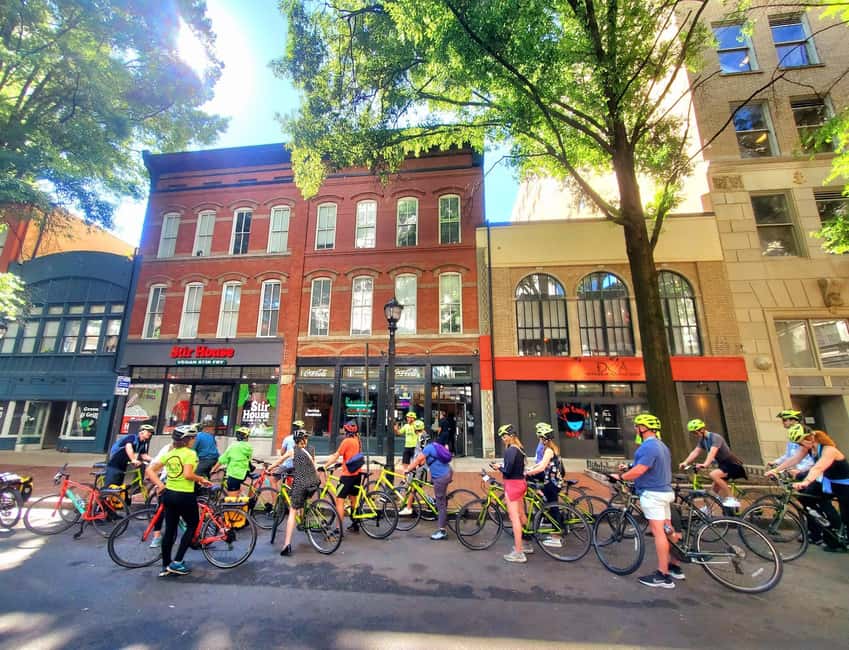
Bicycle Tours of Atlanta operates from Studioplex Lofts, a repurposed industrial complex in Old Fourth Ward. When you arrive, look for the larger two-story building with an open courtyard and the Studioplex sign along the roofline. The shop is in that building, with signs directing you into the courtyard entrance.
The meeting point has a useful advantage: Old Fourth Ward is already a good place to continue your day. You can plan lunch, dinner, or a drink nearby after returning the bicycle. That saves you from losing time crossing town after the ride.
Transportation takes a little thought. Rideshare service is recommended, and onsite parking costs $24 for the tour period. Free street parking is available around the neighborhood, but finding a space can take time. If you have luggage, the shop can store personal items securely during the ride, which is handy if you are checking out of a hotel or arriving before a room is ready.
Arrive prepared, not rushed. Bring a phone number and a correct email address when booking in case the operator needs to contact you. Pets and smoking are not allowed, and the ride uses closed-toed footwear for safety.
Inman Park and Atlanta’s leafy historic side
Inman Park is one of the route’s best introductions to Atlanta. The neighborhood is known for tree-lined streets and Victorian homes, giving you a calmer view of the city than the downtown image many people carry.
From a bicycle, you can appreciate the connection between the houses, sidewalks, gardens, and streets. The route does not treat architecture as a distant backdrop. You move through a lived-in neighborhood, where the guide can point out details and explain how the area fits into Atlanta’s past and present.
This part of the ride should suit you if you like places with a strong sense of character rather than a string of major monuments. The tradeoff is that the route is still a city ride. You need to pay attention to the road, other cyclists, and the group around you while taking in the scenery.
Little Five Points and Atlanta’s creative pulse
Little Five Points brings a different mood. The area is associated with independent businesses, colorful street scenes, and Atlanta’s alternative side. It is a useful contrast with Inman Park’s Victorian streets.
Expect the guide to point out local character rather than present a formal parade of sights. This is one of the places where a bicycle gives you a better sense of how close Atlanta’s neighborhoods are to one another, even when their personalities differ.
The route also includes street art and quirky local spots. That makes the ride a good choice if you want photographs with more personality than standard skyline views. Bring a phone or camera, but keep it secure while riding and use the planned stops rather than trying to photograph from the saddle.
Same roads, a different saddle:
- NYC: Central Park Bike Rental
★ 4.1 · 1,651 reviews - Central Park Bike Rental
★ 4.7 · 1,509 reviews - Austin Biker Gang E-Bike Tour
★ 5.0 · 1,399 reviews - Asheville Historic Downtown Guided Electric Bike Tour with Scenic Views
★ 5.0 · 1,234 reviews
The Krog Tunnel and public art along the way
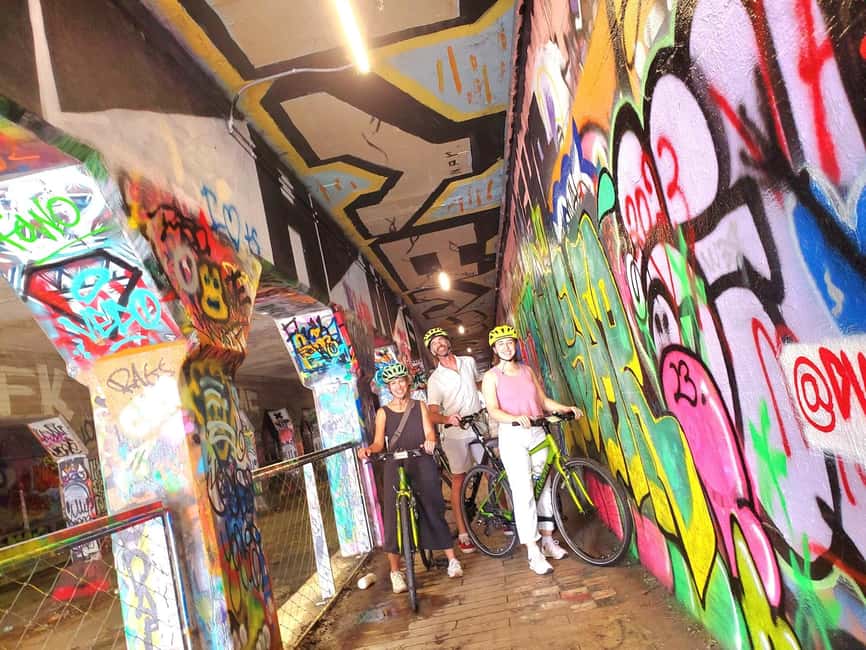
The Krog Tunnel is one of the most recognizable public-art locations on the route. Its painted surfaces change over time, so the exact details you see will not always be the same. That is part of the appeal. You get a snapshot of Atlanta’s current creative energy rather than a fixed museum display.
The tunnel helps show how this ride works at its best. It mixes cultural details with movement through real neighborhoods. You are not spending the whole afternoon at formal attractions, and you are not simply pedaling without context.
Photo stops are built into the style of the ride. Guides such as Tanner have been praised for choosing interesting places to pause and explain what you are seeing. That makes a difference for anyone who wants to come home with useful photographs, not just blurry pictures taken while moving.
The Atlanta BeltLine and a city being reshaped
The BeltLine is one of the most important parts of this experience. It is more than a path. It reflects Atlanta’s effort to connect neighborhoods through walking, cycling, public art, and new public spaces.
Seeing it by bicycle gives you a practical sense of how the project changes daily movement. You can notice where old industrial areas meet newer development and how the path links places that once felt separate. The tour presents the BeltLine as part of Atlanta’s continuing story, not as a finished attraction.
This section also explains why the route is useful for first-time visitors. You get a broad introduction to how Atlanta is growing and changing, while still passing through older communities. The city is not presented as a museum frozen in the past.
The BeltLine can be busier than a quiet residential street, and the surface or traffic conditions may require more attention. If you are a nervous rider, ask yourself whether an urban trail and an eight-mile route sound enjoyable before booking. Confident riders should find this one of the most rewarding parts of the outing.
Cabbagetown, Oakland Cemetery, and the city’s past
Cabbagetown adds another neighborhood layer to the ride. Its inclusion helps connect Atlanta’s industrial and residential past with the creative life seen elsewhere along the route.
Oakland Cemetery brings a more reflective pause. It is tied to the city’s older history and provides context for Atlanta’s growth, conflict, and changing identity. The ride also includes sites connected with the Civil War, so the guide’s explanations matter here. You are given a chance to understand the forces that shaped the city rather than only admire its buildings.
The route does not stop at one historical era. Atlanta’s story moves from Civil War history into the Civil Rights Movement, and the bicycle makes those transitions visible across nearby neighborhoods. That range is a major strength for anyone who wants more than architecture and street art.
You should not expect a long cemetery walking tour or a museum visit. This is a moving overview, with the guide selecting key points along the route. If you want an exhaustive treatment of Atlanta history, you will need a separate museum or walking tour. If you want a clear, place-based introduction, the balance works well.
Jackson Street Bridge and the King Historic District
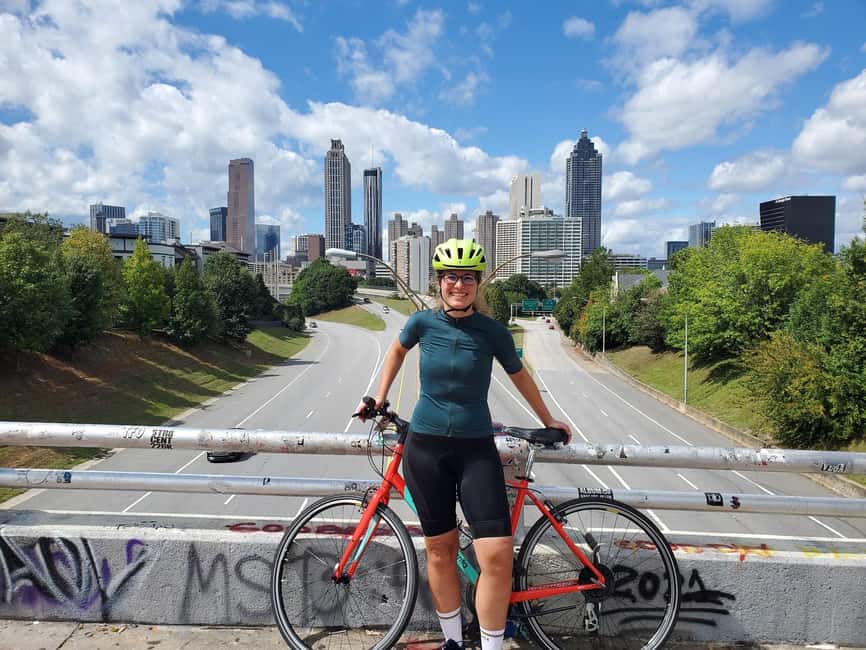
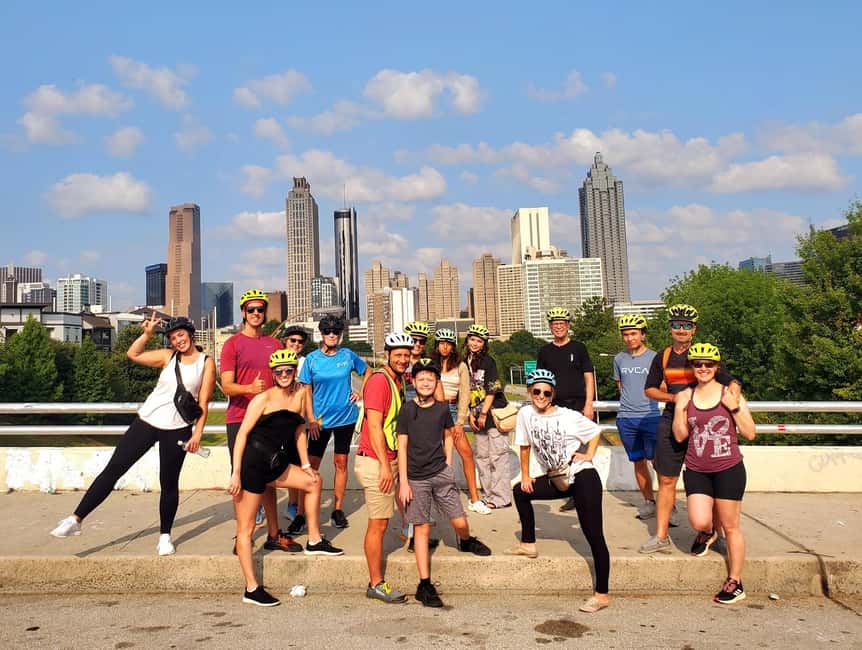
The Jackson Street Bridge is included for its memorable city views and photo value. It offers a different perspective from the neighborhood streets, giving you a chance to frame Atlanta in a broader way.
The King Historic District brings the Civil Rights Movement into the route. This is essential context for understanding Atlanta’s place in American history. The district is not treated as a random stop on a sightseeing loop. It helps show how the city’s past continues to shape its identity.
I like this combination of broad views and serious history. One stop gives you the picture, while the other gives you a reason to look more closely at the city. The guide’s storytelling is especially important here, and the available guide feedback points to Lisa, Walt, and Tanner as people who bring both energy and care to the outing.
Keep in mind that the tour covers several major areas in one session. Stops are likely to be focused rather than lengthy. If your main goal is a slow, detailed visit to the King Historic District, set aside extra time after the bicycle ride.
What the $70 price includes
At $70 per person, the tour is priced as a guided activity rather than a simple bicycle rental. Your fee includes:
- A high-quality bicycle
- A helmet
- Bottled water
- Trail mix snacks
- An English-speaking guide
- A 150-minute guided route
That package is fair if you want orientation, local stories, and a ready-to-ride bicycle. You do not need to arrange equipment or work out your own route through several neighborhoods. The guide also helps with safety and pacing, which has been one of the strongest parts of the experience.
The value is less convincing if you already know Atlanta well and only need a bicycle. In that case, a rental might cost less, but it would not provide the same route planning, historical background, or local recommendations.
Budget separately for transportation. Onsite parking costs $24 for the tour period, while street parking is free throughout the neighborhood when available. A rideshare may be simpler, especially if you want to avoid arriving early to hunt for a space.
Safety, fitness, and the age rules
The equipment gets good attention. The bicycles are supplied in excellent condition, and the guides place safety first. Helmets are included, and you should wear one for the entire ride.
You need to be a confident young rider if bringing a child. The practical age information says children under 10 are not suitable, while people over 95 are not suitable. The playful description also contains an inconsistent age line saying ages 100 and up, so use the clear restriction as your guide: this is intended for riders from age 10 through 95.
Grandparents who enjoy relaxed cycling may find the pace comfortable, but the 2.5-hour duration still matters. This is not a short pedal around one park. If you have knee, balance, or stamina concerns, consider those before reserving.
The tour is non-smoking, and pets are not allowed. Wear closed-toed shoes, bring only what you need, and use the shop’s secure storage if you have luggage or personal items.
Who will enjoy this Atlanta bike tour most
I would recommend it most to first-time visitors who want a broad sense of Atlanta without spending the day in a vehicle. It also suits repeat visitors who want to see neighborhoods they might not reach on foot.
Families can book it if their children are at least 10 and confident on bicycles. Couples and friends who enjoy photographs, local history, and street art should also find the mix appealing. The route has enough structure for someone who wants to learn, but enough movement to keep it from feeling like a classroom.
It is less suitable if you dislike city cycling, want a slow walking pace, or prefer a single museum or historic district explored in depth. The route covers a lot, so its strength is connection and variety rather than extended time at one stop.
The small-group atmosphere helps. Guides such as Lisa, Walt, and Tanner are described as personable and entertaining, and one guide is known around town. That local connection can turn a standard route into a useful introduction to places for the rest of your stay.
Should you book Fall in Love with Atlanta?
Book this tour if you want to see Atlanta as a collection of connected neighborhoods, not just a list of downtown attractions. The combination of the BeltLine, Inman Park, Little Five Points, Krog Tunnel, Cabbagetown, Oakland Cemetery, Jackson Street Bridge, Old Fourth Ward, and the King Historic District gives you a wide view of the city in one outing.
The $70 price is reasonable because it includes equipment, refreshments, a guide, safety support, and a carefully linked route. Just allow three hours, plan transportation, wear proper shoes, and be honest about your cycling ability.
I would skip it only if eight miles sounds tiring or if your priority is a slow, detailed visit to one historical site. For most confident riders who want an active introduction to Atlanta, this is a practical and enjoyable way to get your bearings and learn where to return later.
FAQ
How long does the Atlanta bicycle tour last?
The guided ride lasts 150 minutes, or 2.5 hours. Allow up to three hours in total for arrival, preparation, and the ride.
How far do you ride?
The route covers about eight miles through Atlanta neighborhoods, trails, historic areas, and public-art locations.
What is included in the $70 price?
The price includes a high-quality bicycle, helmet, bottled water, trail mix snacks, and an English-speaking guide.
Where does the tour meet?
The tour meets at Bicycle Tours of Atlanta inside the two-story building at Studioplex Lofts in Old Fourth Ward. Signs direct you into the courtyard entrance.
Is parking available?
Free street parking is available throughout the neighborhood. Onsite parking is also available for $24 for the duration of the tour, and rideshare service is recommended.
Can children join the ride?
Children under 10 are not suitable for the tour. The experience is intended for confident riders, and closed-toed shoes are required.
Newest rides we have reviewed in the USA
- Las Vegas: Red Rock Canyon Sunrise Self-Guided E–Bike Tour★ 5.0 · 14 reviews
- Las Vegas 3-Hour Red Rock Canyon Electric Bike Tour★ 4.9 · 28 reviews
- From Las Vegas: Red Rock Canyon Electric Bike Hire★ 5.0 · 92 reviews
- Lake Tahoe Lakeside Electric Bike Rental★ 4.5 · 19 reviews
- LA: Santa Monica & Venice Beach Bike Adventure★ 4.9 · 23 reviews
- Key West: Guided Bicycle Tour with Key Lime Pie★ 4.8 · 176 reviews
- Oahu: Diamond Head E-bike Scenic Ride★ 4.7 · 22 reviews
- Miami Beach: City Highlights Guided Bike or eBike Tour★ 4.8 · 46 reviews
USA Cycling Tours, compared.




Asheville Historic Downtown Guided Electric Bike Tour with Scenic Views
Read our review →
Other lists this ride turns up in